







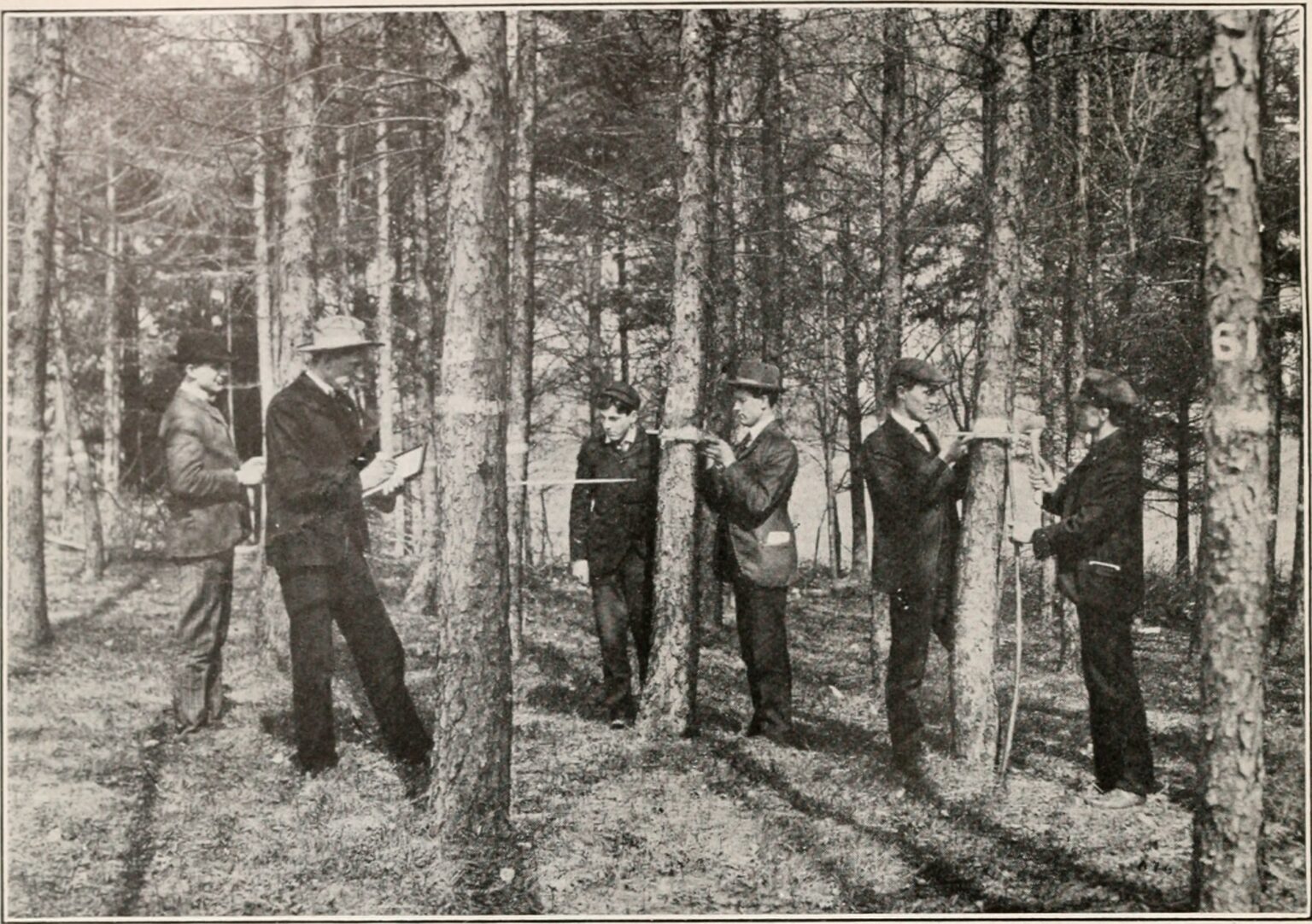
Last year marked the loss of many long-term environmental datasets around the world, which some scientists say sets a dangerous precedent and weakens our responses to environmental change. In a new paper published in BioScience, researchers argue that long-term ecological datasets help scientists predict how systems change, detect early warning signs and help guide environmentally sustainable economies. The loss of access to these datasets or support for programs at the institutional level means current and future loss of knowledge with tangible economic stakes: healthy ecosystems provide services “estimated at some $125 trillion per year,” the authors said. The consequences are also social: “As manipulated facts and societal distrust in science are increasingly guiding mis- and disinformed politics, governmental programs are urgently needed to support data collection, establish data-grounded facts, inform political spheres and refuel trust with society at large,” the authors wrote.