





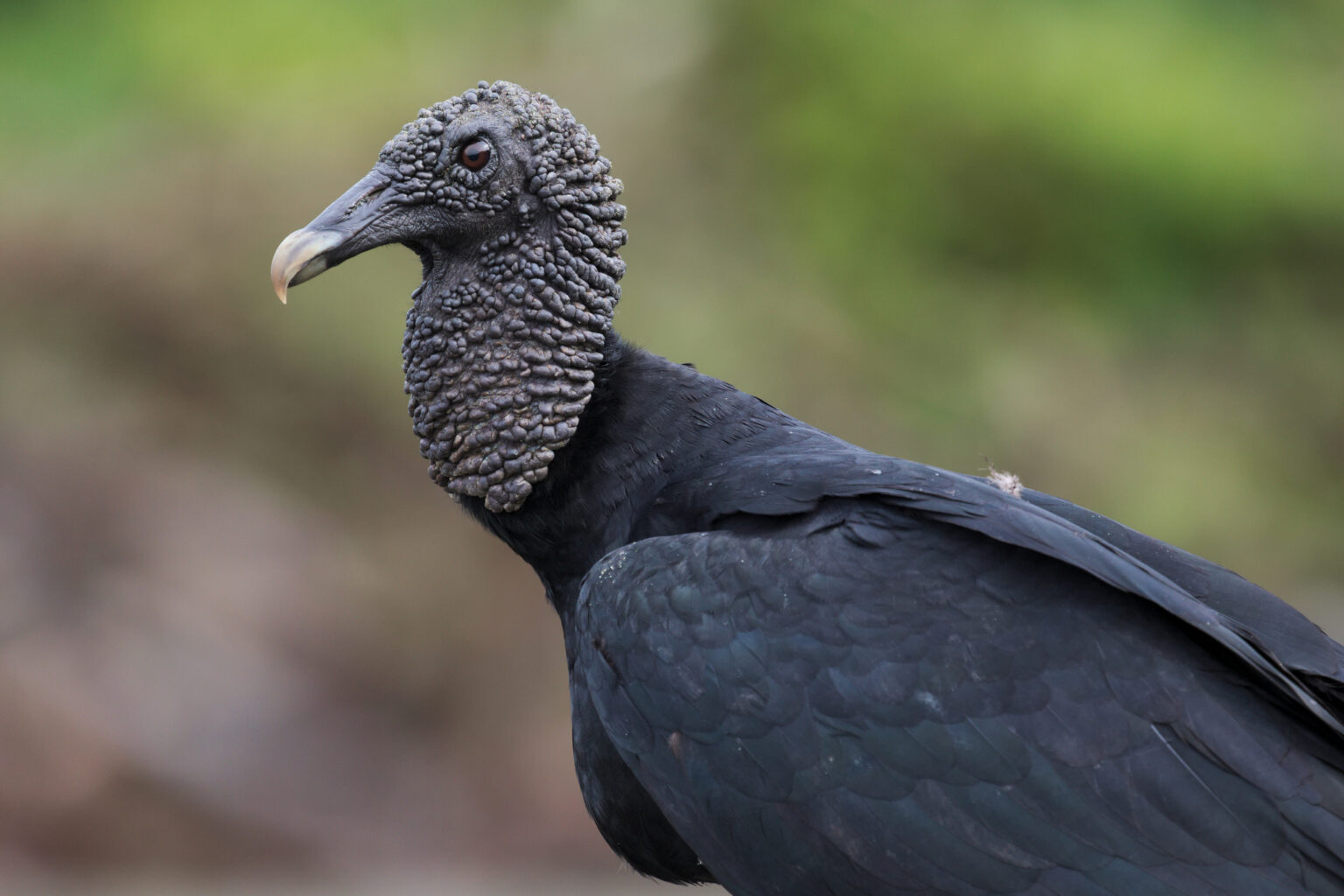
New research from the University of Georgia shows that four out of five vultures test positive for the bird flu. The study, published in Scientific Reports, analyzed the carcasses of 134 black vultures (Coragyps altratus) and found 113—a little over 84%—came back positive for highly pathogenic avian influenza, or H5N1. The birds may “represent tens or hundreds of thousands of black vultures,” said Nicole Nemeth a wildlife disease researcher and veterinarian at the University of Georgia in a press release. The study also found that because of the vulture’s nature as a scavenger, they are likely exposed to the virus outside the typical bird flu season—sometimes from cannibalizing the carcasses of their own species. Vultures are important in the ecosystem because they help remove dead animals that could spread disease within the environment or to humans. Internationally, vulture declines have been linked with disease outbreaks in wildlife, domestic animals and people. But H5N1 acts differently. “This virus is scary. It’s changing. And it’s doing continual damage to our wildlife—on top of all the other challenges these wildlife already face,” Nemeth said. Past research shows that around half of black vultures exposed to avian influenza survive, and scientists found antibodies in some of the vultures they sampled, meaning the population might have some resilience to future infection. While the researchers aren’t yet worried about the fate of the black vulture because of its abundance, other species with smaller numbers are more vulnerable to bird flu outbreaks.
Read more at UGA Today.