

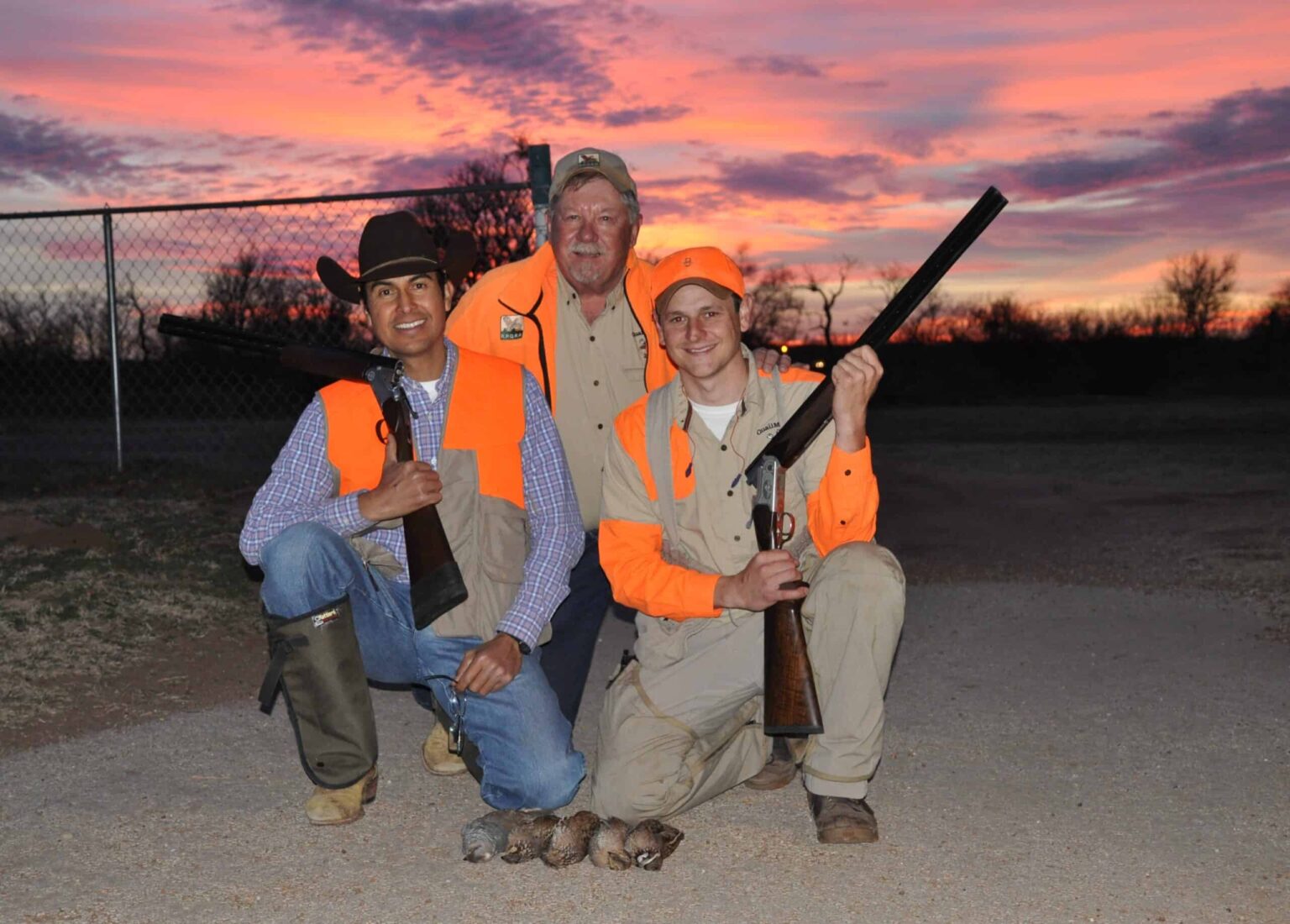
Fidel Hernández was born to be a rangeland wildlife ecologist.
His parents immigrated from Zacatecas, Mexico, to rural Texas in the 1960s, where his father worked as a foreman on a large cattle ranch. The ranch was remote and isolated, with no telephone or television. But Hernández said there was always something to do—from exploring creeks to shoeing horses to branding cattle. He also said that the isolation brought his family close together. “It was the best thing that could have happened to me,” Hernández said.
His parents, who neither had higher than a high school education, wanted each of their kids—Hernández is the youngest of six—to go to college. While in school, Hernández didn’t know that wildlife and rangeland ecology was an option for professional study until he met Dale Rollins, a member of The Wildlife Society, who introduced him to the discipline and profession.
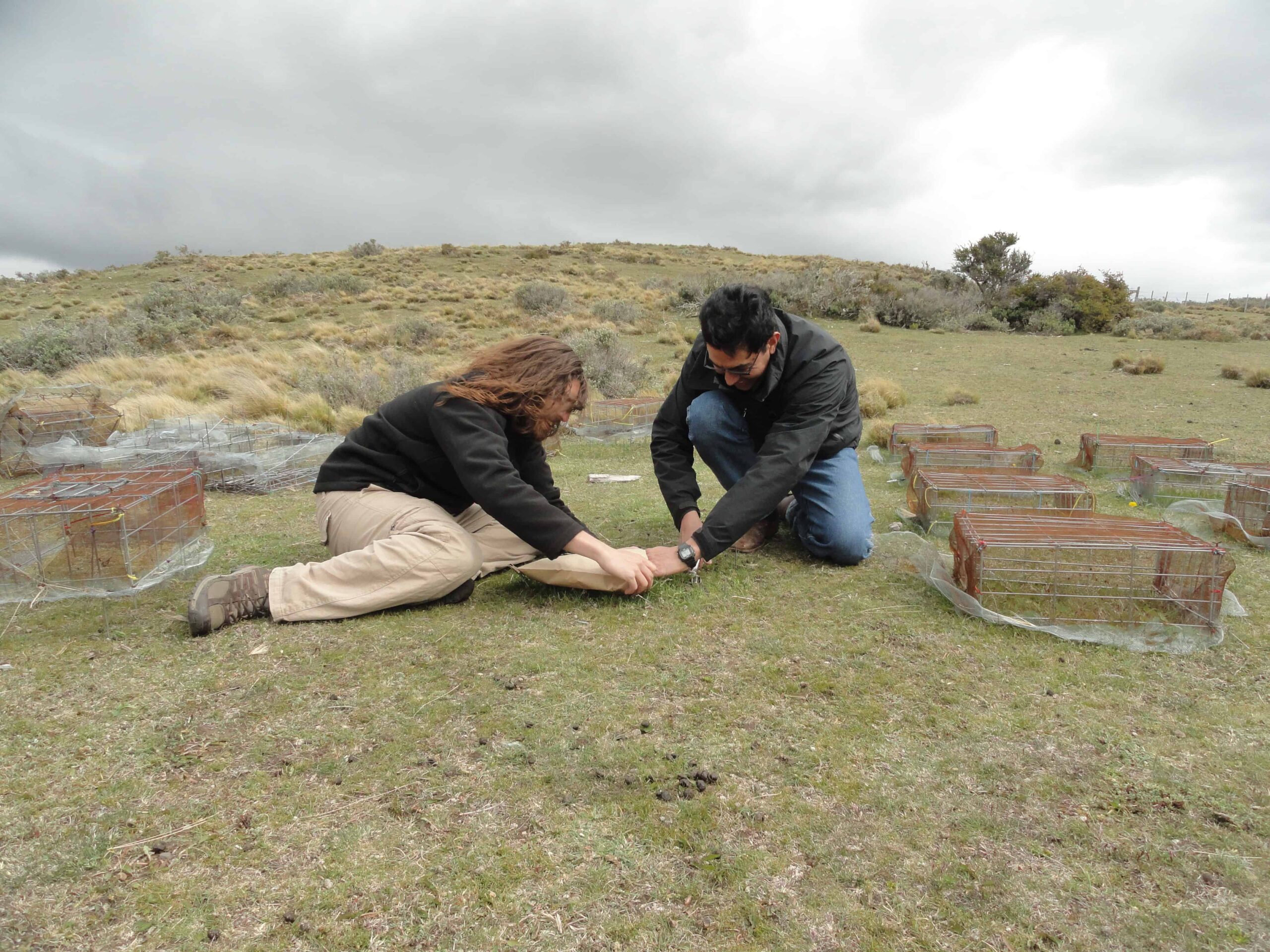
He became engaged in TWS after graduate school and has served as the president of the Texas Chapter and the Southwest Section and has also served as the representative to Council for the Southwest Section.
He is currently the Regents Professor and Sue and Radcliffe Killam Endowed Chair for Wildlife, Livestock and Habitat Interactions in the Department of Rangeland and Wildlife Sciences and Caesar Kleberg Wildlife Research Institute at Texas A&M University-Kingsville.
Coming into a position that requires strategic planning and collaboration, Hernández is no stranger to getting things done. Around 95% of Texas is privately owned, so in order for researchers like Hernández to conduct fieldwork, their topic must be relevant to landowners. “Our research is 100% applied,” he said. “A landowner might come to us and say, ‘We have a nonnative grass taking over our property—how do we manage it?’”
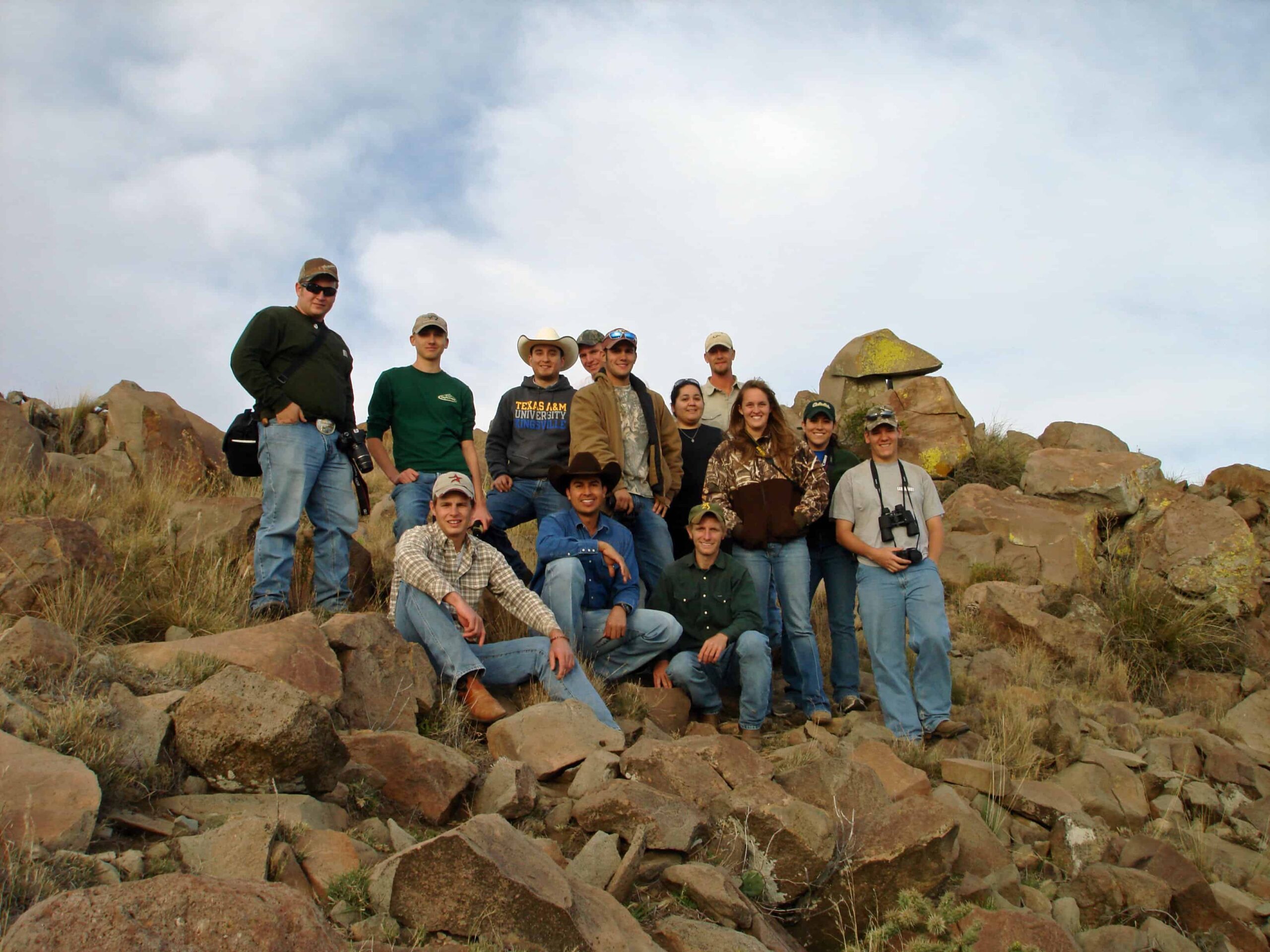
The majority of his research is habitat-based and focuses on how “conservation and earning a livelihood can happen in the same place,” he said. His work also requires collaborating with a diverse array of partners, from landowners to government agencies to industry. He’s learned to get conservation done with these partners through having frank, honest conversations.
His projects are multilayered, bringing in collaborators with different areas of expertise to help guide the research. Advice from past presidents will also guide his presidency, which begins at the 2025 TWS Annual Conference in Edmonton.
In particular, he recalls what Bob Lanka, the immediate past-president, told him: “Don’t come in with a grandiose plan. Pick one or two things you want to get done, because the year goes fast,” Lanka said. Hernández also said he has cherished the support and warm welcome he’s received from TWS, noting that many past presidents, council members, colleagues and students have offered their help.
Hernández’s main theme for the upcoming year is unification and integration. He wants to unify and better integrate the membership across chapters, sections and national members, including new chapters like the Mexico Chapter, which recently became official.
He also hopes his leadership will inspire and help heal any differences that may exist within the profession. “I want to help remind us that we’re all wildlifers—one big family—all here for conservation.”
Fidel Hernández will officially replace Art Rodgers as the TWS President at the end of the 2025 TWS Annual Conference in Edmonton, Alberta. If you would like to contact Hernández you can do so at Fi*************@***uk.edu.
Article by The Wildlife Society