



The voice of wildlife professionals continues to play a critical role in shaping the future of wildlife conservation 90 years after its formation. In a changing society, our members work to ensure our mission: “A world where wildlife and people thrive in resilient ecosystems.”
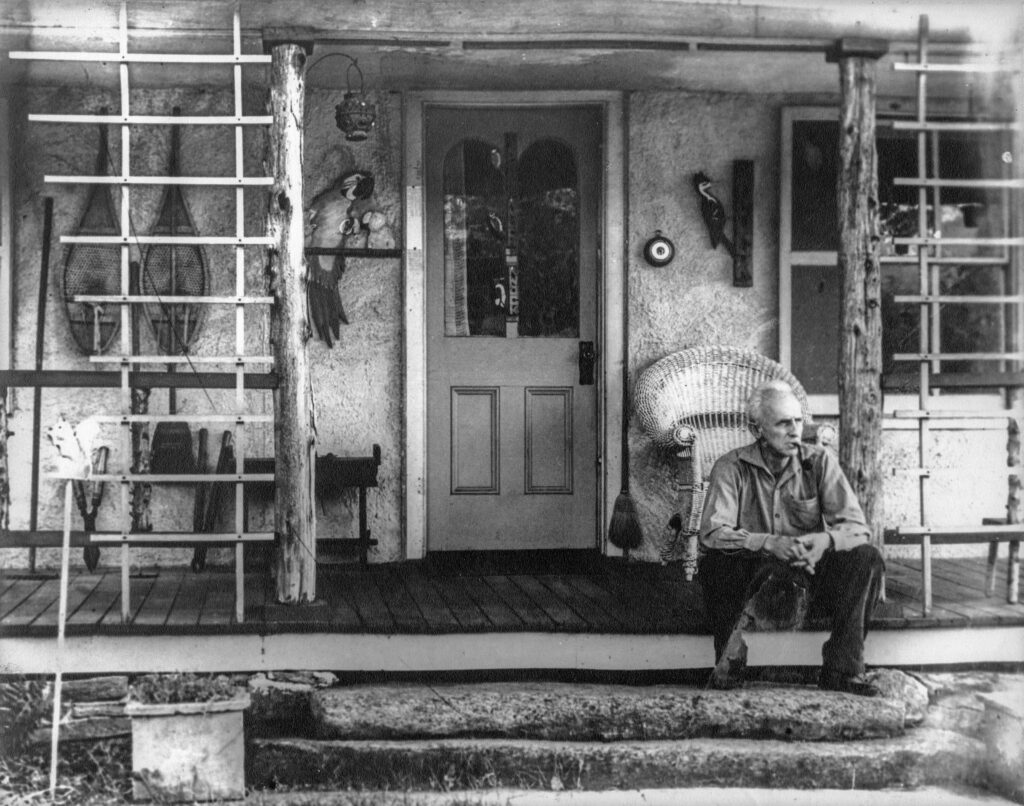
The Wildlife Society was founded in 1936 as the Society of Wildlife Specialists at a conference to aid wildlife conservation by promoting collaboration and scientific rigor. A year later, the name was formally changed to The Wildlife Society. Since then, TWS has grown to include more than 10,000 members in wildlife science, conservation and leadership internationally. We must thank every one of you for your hard work and dedication to the profession, wildlife conservation and for making TWS your community.
TWS reflects the diverse interests and communities that participate in wildlife management. In total, TWS today includes 56 chapters, 155 student chapters, 30 working groups and two communities, representing cross-border management with Canada, Mexico, the Caribbean and Latin America. In 2011, Women of Wildlife became TWS’ first community, followed by TWS’ Out in the Field community, representing and celebrating the diversity of individuals in the field.
TWS has a long history of rigorous scientific coverage. The Wildlife Society launched the Journal of Wildlife Management, one of the Society’s first programs and its longest-running publication, in 1937. The demand and success led to the formation of Wildlife Monographs soon after, followed by the Wildlife Society Bulletin in 1973. In 2007, TWS began publishing its member magazine, The Wildlife Professional.
TWS has continued to meet professionals where they are. It has adapted to the digital age with diverse web coverage, even extending its reach and growth into more modern forms of engagement like social media. This past year, TWS launched its podcast “Our Wild Lives” so that wildlife professionals can hear about the stories and issues of wildlife while they drive or work.
Professional development has been at the core of TWS. The Wildlife Biologist Certification Program launched in 1977. TWS members approved the creation of a policy director role on staff in 1990, formally recognizing the need for wildlife management to directly connect with regional and national government. TWS’ policy program is relatively young compared to the Society as a whole. But in the years since its formalization, TWS has carved out a unique niche in conservation policy, promoting sound scientific management and the critical work of our members.
This year, as we celebrate our 90-year legacy, we also see many updates and strengthening of TWS so it may thrive in this modern environment. A new website, refreshed branding, strengthening the Wildlife Biologist Certification Program and expansion of policy engagement will ensure that the future needs of wildlife professionals and conservation are well served. We look to the future with excitement at what the next 90 years will bring.