





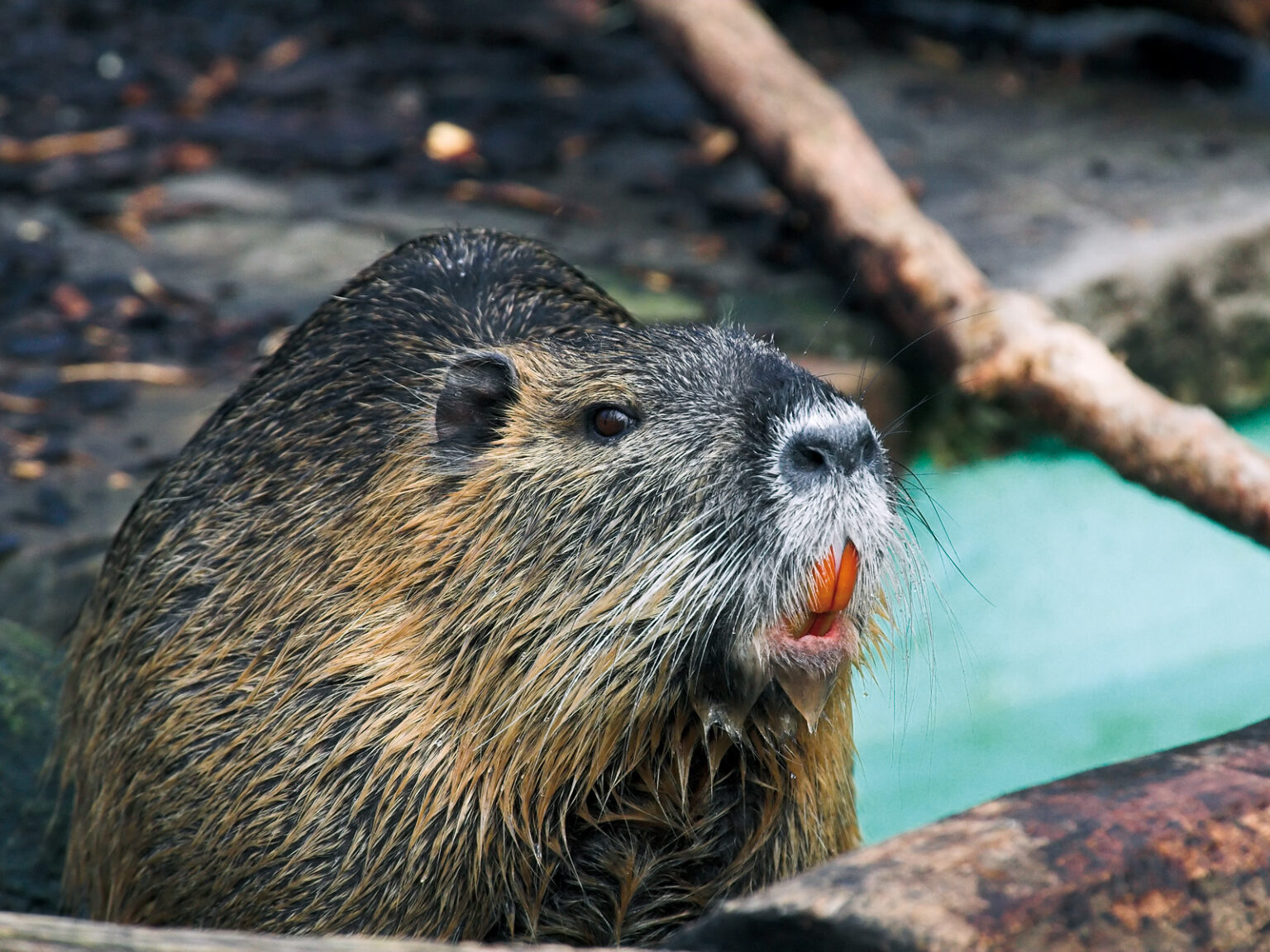
Federal wildlife managers are using what may have been thought of as sci-fi techniques, like robotic bunny decoys, ultraviolet light and lab-bred mosquitoes, to combat invasive species across the United States, according to a new government report. Invasive species are a significant ecological threat, costing the U.S. economy an estimated $1.22 trillion. A recent report from the U.S. Department of the Interior (DOI) includes new SMART—specific, measurable, achievable, results-oriented and time-fixed—metrics that track progress, guide adaptive management and evaluate the effectiveness of strategies used to remove invasive species. In the report, the DOI discusses its implementation of new detection technology like drones and environmental DNA and expansion of reporting tools like iNaturalist and iMapInvasives, an online, GIS-based invasive species recording site. The report also highlights successes such as the eradication of nutria (Myocastor coypus) from the eastern shore of the Chesapeake Bay—a 20-year project that came to a close this year—and deployment of sterilized male mosquitos to combat avian malaria in Hawaii.
Read more in the report released by the U.S. Department of the Interior.