

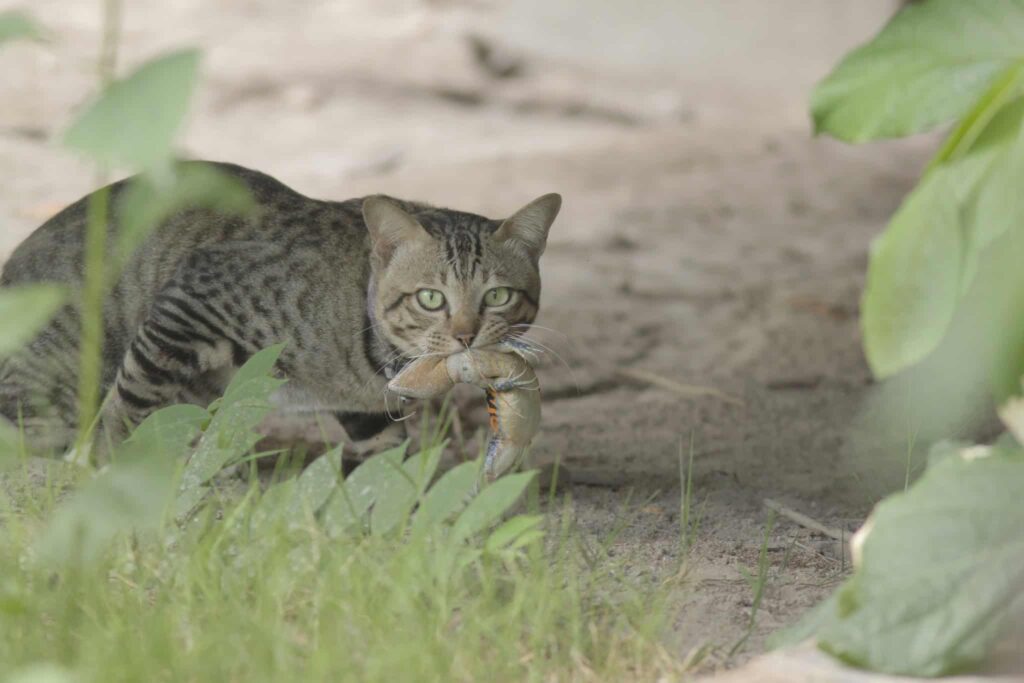



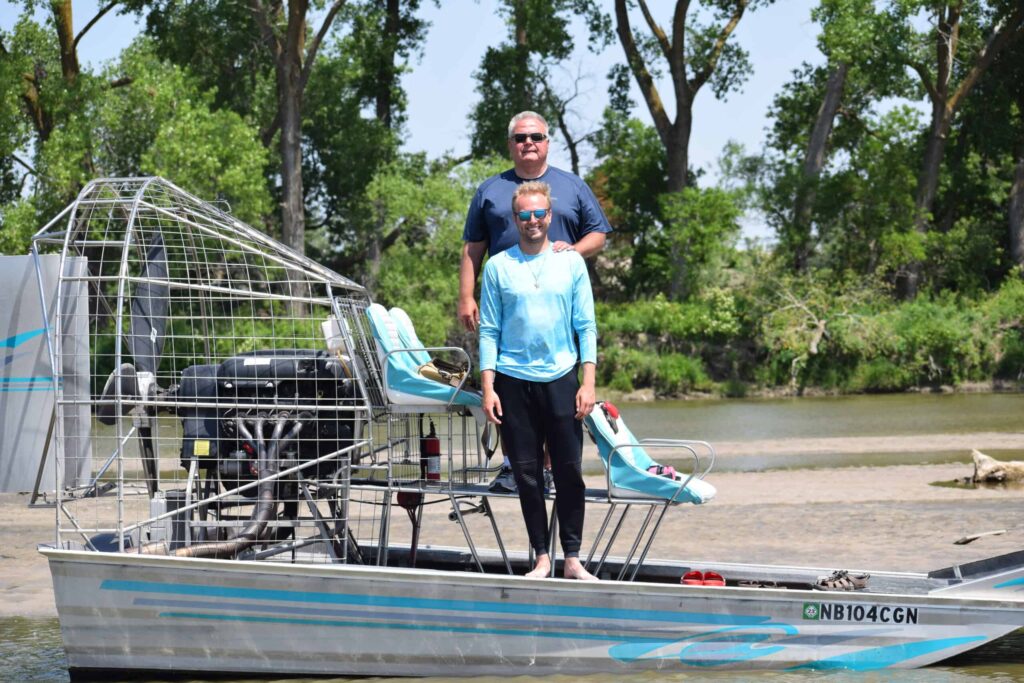
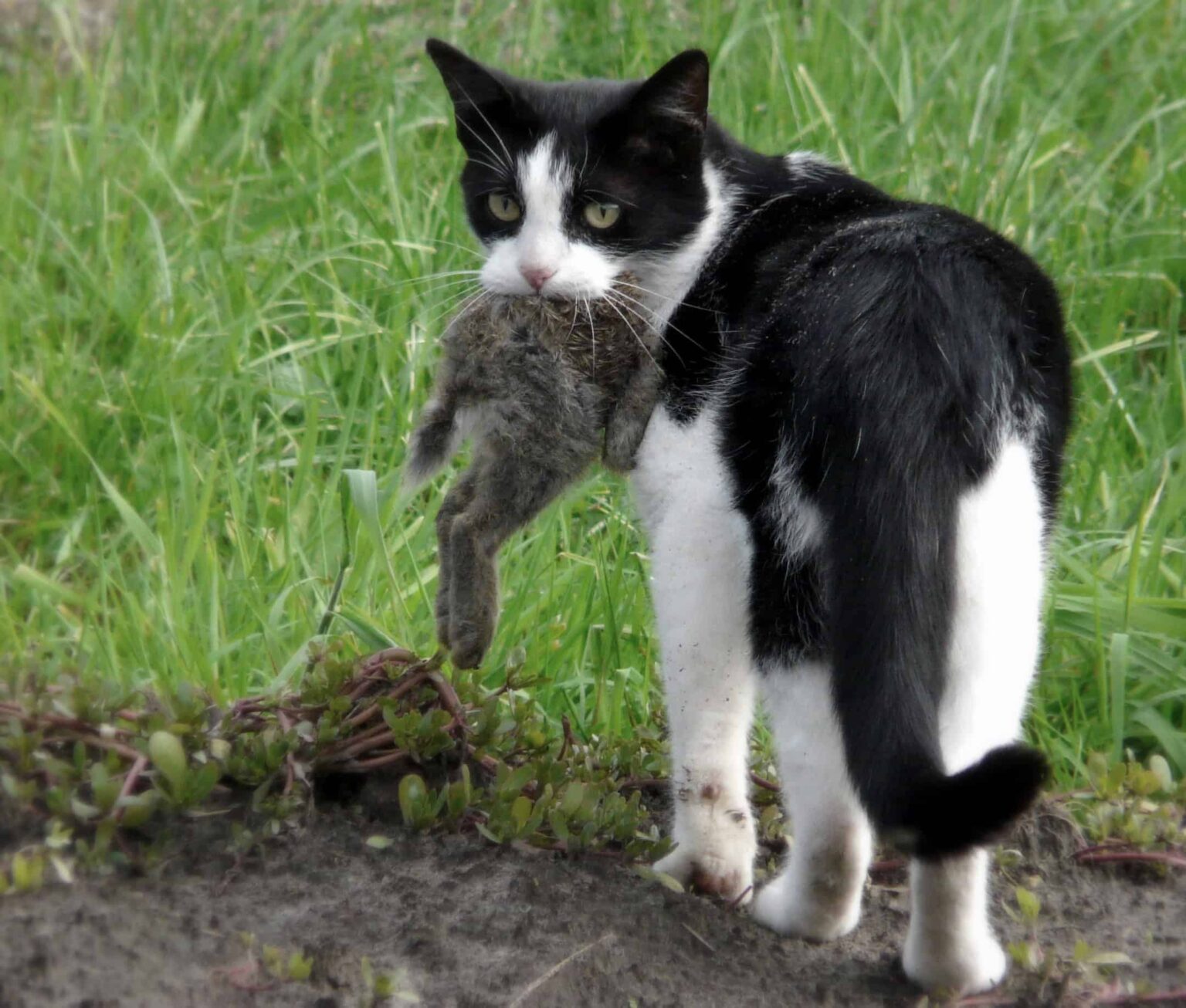
YouTube influencer Logan Paul’s viral Tweet on invasive lionfish removal turned the species into a global talking point on social media, demonstrating how celebrity influencers can direct public attention to ecological issues. Such virality is not a one-off event. Social media has become a powerful driver in shaping the public understanding of invasive species, but who is the driver, and what’s powering the engine? New research examining invasive species on social media revealed that just 1% of users created 60% of all retweeted invasive species content. Domestic cats (Felis catus) emerged as one of the most mentioned and highly contentious invasive species mentioned. Additionally, engagement spiked around particular locations. The Great Lakes and Florida were specifically trendy, highlighting how public concern can be geographically focused. Understanding user-generated content and engagement provides a continuous stream of information that can serve as “human sensors” for public understanding of wildlife management more broadly. Prominent contributors’ attention can be directed to specific species or events raising awareness, sparking debate and even influencing conservation priorities, underscoring the growing intersection of ecology, media and public perception.
Read more in Ecology and Society.
Article by The Wildlife Society