




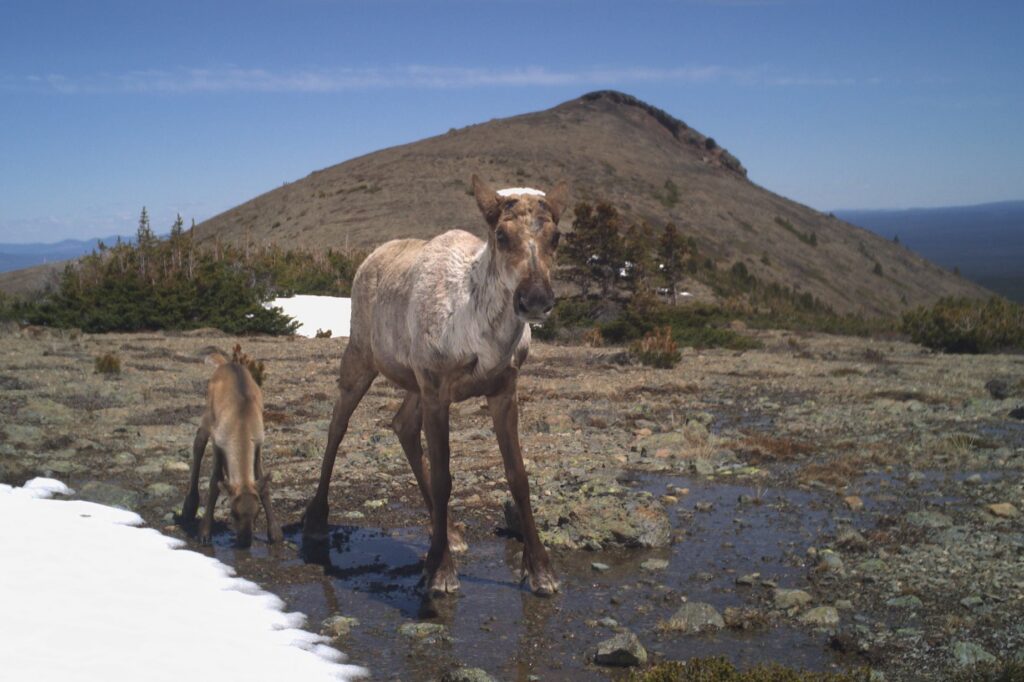

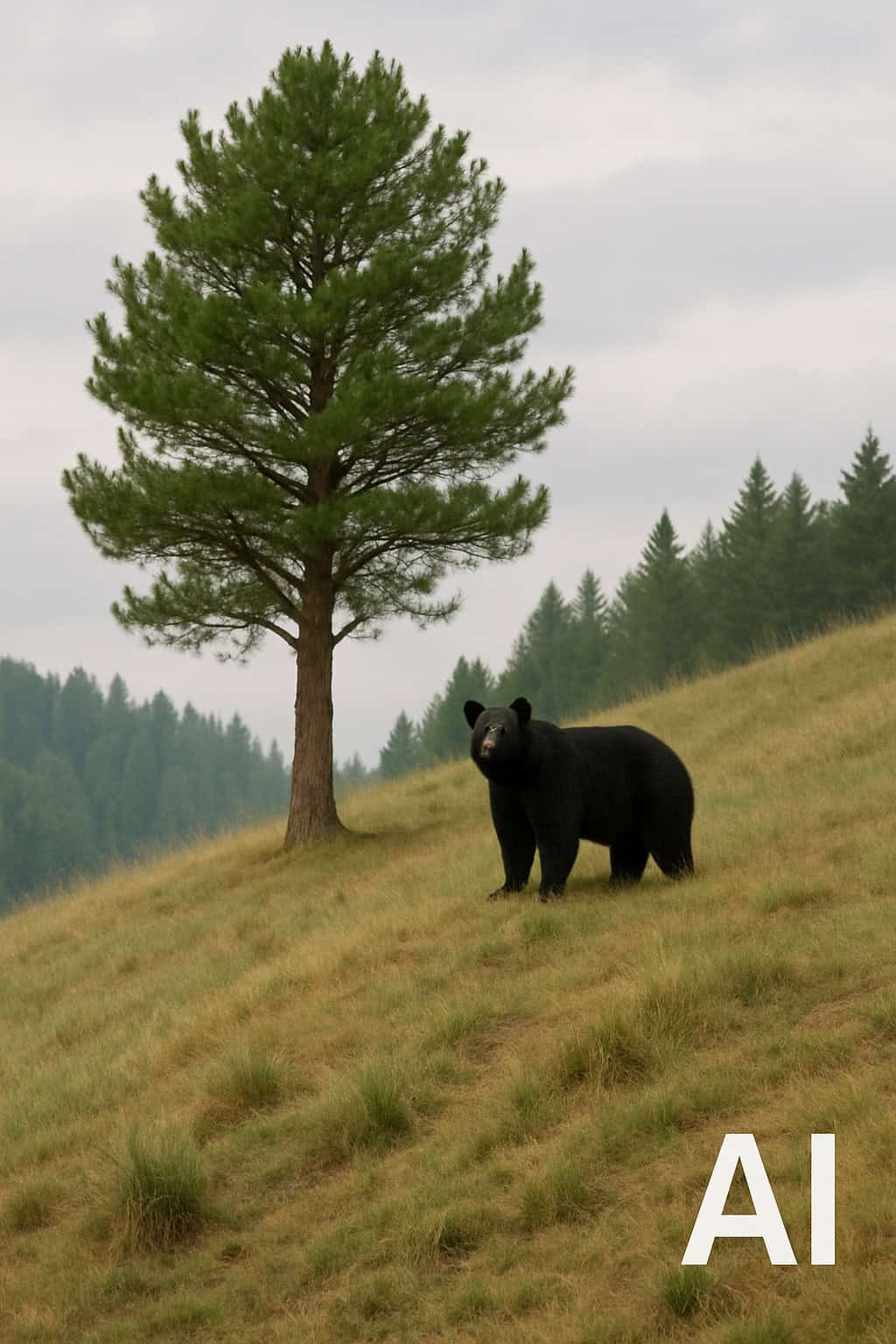
Hyper-realistic artificial intelligence-generated photos and videos are flooding social media, spanning the spectrum of wildlife footage from cute to terrifying.
These tools advance the way people perceive wildlife, potentially in ways detached from reality. In a society already distanced from nature and heavily influenced by digital and social media platforms, these generated depictions often outside the bounds of reality can distort public perception.

Misinformation of this nature can sway real-world conservation outcomes. Some wildlife professionals are concerned that AI-generated videos may have the potential to influence attitudes, policy debates, and funding priorities. As AI-generated content becomes more common and harder to detect, the big question for conservationists, educators, and policymakers is: How do we ensure the public can distinguish fact from fiction?
José Guerrero-Casado and his collaborators addressed this topic recently in a paper published in Conservation Biology. For our latest Q&A, The Wildlife Society caught up with Guerrero-Casada, a professor at the University of Córdoba in Spain to discuss the potential problems AI might cause for wildlife conservation. His responses have been edited for style and brevity.
What inspired this work?
Previous research, including our own, highlights a concerning disconnect between society and the natural world—particularly in terms of knowledge about native wildlife. For example, children often recognize African charismatic mammals more easily than common native species found in their own surroundings. In this context, children can be easily confused by AI-created videos, which usually do not show real animal behaviors.
How do AI-generated videos affect wildlife?
The interaction between AI-generated videos and wildlife can be quite concerning. In societies where knowledge about nature is limited, and where gaining attention on social media with sensational or misleading content is prioritized over sharing accurate information for biodiversity conservation, the production of realistic AI-generated videos is likely to increase dramatically in the coming years. For example, videos created by AI that portray wild animals as pets can go viral on social media, shaping public perception in harmful ways, even increasing the demand of this animals as pets, which can increase the illegal wildlife trade.
What challenges do AI-generated videos pose to conservation?
As a general rule, conservation actions should be supported by society and all stakeholders to be successful, for which a well-informed people is essential. However, fake videos can spread misinformation, and therefore, they can decrease the public awareness about biodiversity, making the implementation of some conservation actions more difficult.
For instance, some AI-generated videos depict highly implausible or exaggerated human-wildlife interactions—such as large carnivores entering homes, attacking pets, even harming people. Or wolves or bears attacking livestock. These videos are often presented in a format that imitates low-quality security footage, which can make them appear more authentic, increasing the appearance of human-wildlife conflict. This misinformation may even lead to increased demand for controlling or eradicating these species, reinforcing negative attitudes toward wildlife.
What management or policy implications do AI videos have for conservation?
It is crucial to develop reliable tools for detecting AI-generated content. Currently, social media platforms often rely on users to disclose when a video has been created using AI. However, this approach is problematic because many users do not provide that information. Some platforms have started implementing automatic labeling systems that tag content as “AI-generated” when detected, even if the creator does not disclose it. Nevertheless, as numerous examples show, accurately identifying AI-generated videos remains a significant challenge. Improving these detection and labeling mechanisms is essential for preventing misinformation and protecting conservation efforts.
How can we protect the public from harmful AI-generated videos?
One of the most urgent actions is to improve public awareness and critical thinking around digital content. When users encounter suspicious wildlife videos, they should be encouraged to verify the information using reliable sources—such as scientific publications, environmental agency websites, reputable NGOs, or even trusted social media profiles that specialize in nature education.
What can wildlife managers do?
Wildlife managers should prioritize identifying AI-generated fake content as early as possible. When such content is detected, it is essential to inform the public that the material is not real and explain why it can be harmful. Providing information about the potential negative consequences—such as spreading misinformation and influencing negative attitudes toward wildlife—can help raise awareness and reduce the impact of these videos.
Article by Kaylyn Zipp