

It’s the species that drive our passion in the wildlife profession. But in many cases, success in conservation and wildlife management depends on one species more than any other: Homo sapiens.
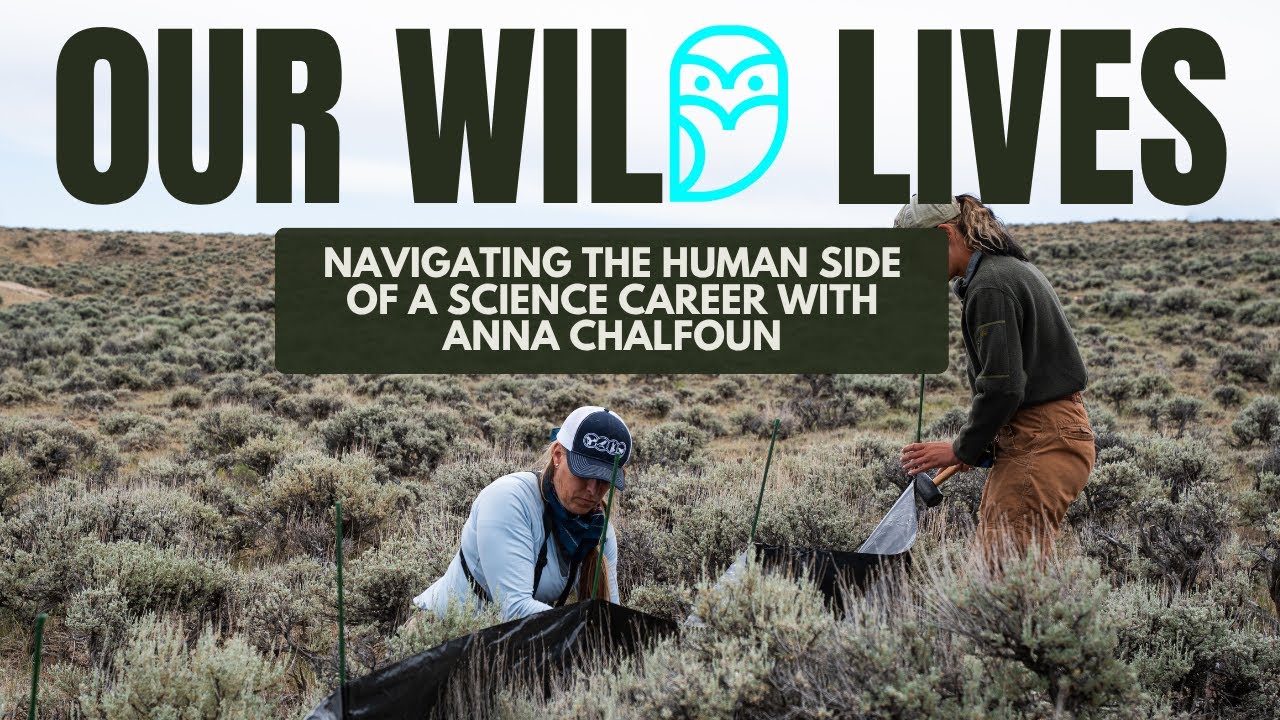
In this episode, host Katie Perkins, digital content manager at The Wildlife Society, sits down with TWS member Anna Chalfoun to unpack the soft skills that drive great science: building a healthy lab culture, mentoring with intention, and navigating conflict without burning bridges.
Chalfoun shares candid lessons you can use whether you’re a new professor, a graduate student searching for the right advisor, or a professional trying to improve your team’s work.
Conflict in the profession is often inevitable, but certain tools can help us overcome these challenges. Chalfoun’s favorite is to pause, breathe and get curious. It’s a simple reset that replaces knee-jerk fixes with better questions.
By the end of this episode, you’ll have a playbook for aligning your lab with your values, supporting students as they grow from learners to colleagues, and sustaining your own energy for the long haul.
Learn more:
About Anna Chalfoun: https://wyocoopunit.org/chalfoun-lab/don-jones-2/
Wyoming Co-op Unit: https://wyocoopunit.org/
Tara Kuipers workshops: https://www.tarakuipersconsulting.com/copy-of-services
“Our Wild Lives” is The Wildlife Society’s weekly podcast, sharing compelling stories from wildlife professionals doing critical work around the world. Your hosts, Katie Perkins and Ed Arnett, of The Wildlife Society, bring you thought-provoking conversations with leading experts and emerging voices. Episodes are released every Friday wherever you get your podcasts. Subscribe, share it with a colleague, and leave a review to help more folks find the show.
Podcast by Katie Perkins