







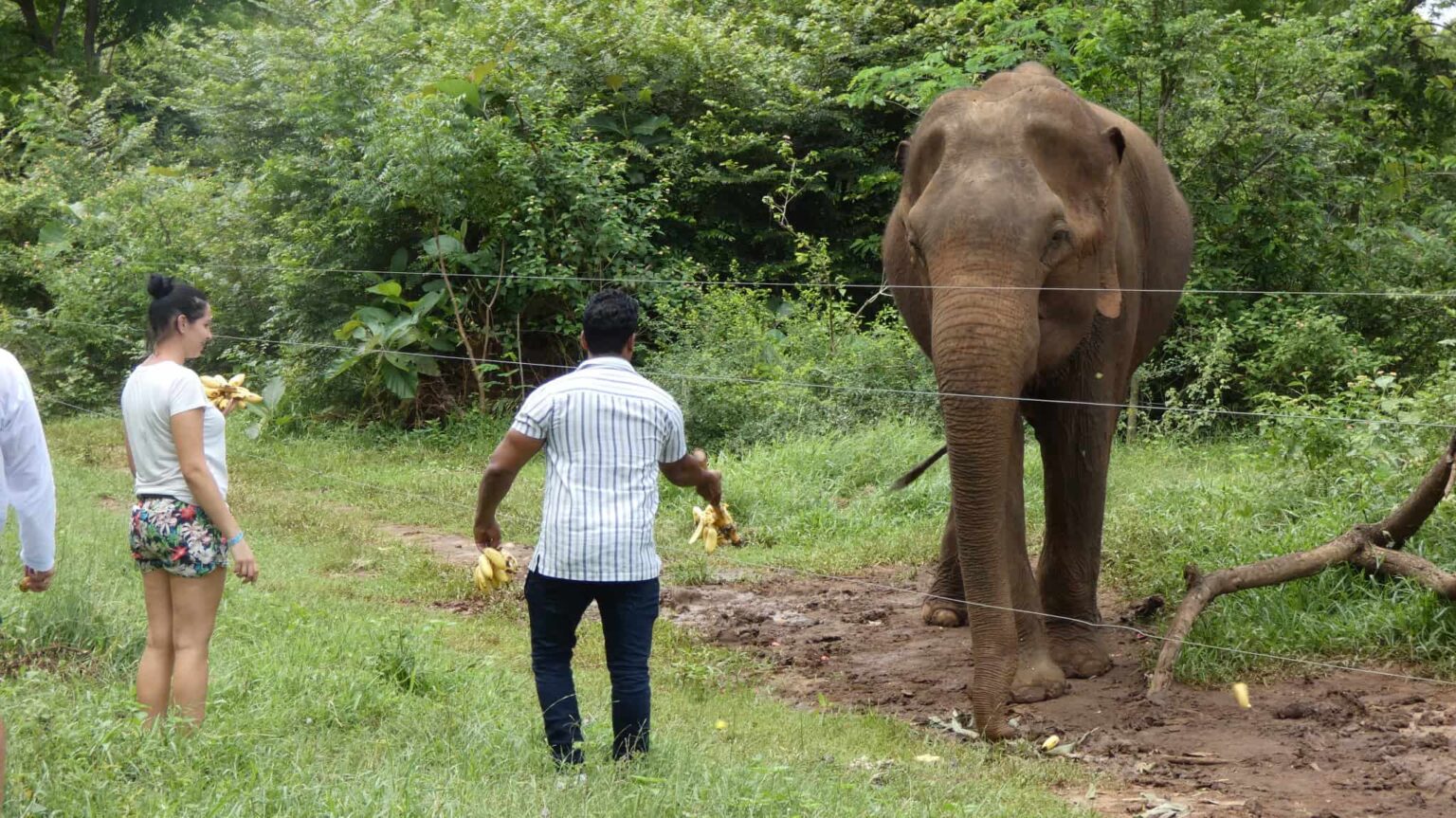
Feeding elephants is on many tourists’ bucket lists—but research shows a few bananas may do more harm than good. The Asian elephant (Elephas maximus), listed as endangered by the International Union for Conservation of Nature, is a big draw for tourists visiting Sri Lanka and India, the two countries where wild Asian elephants are still abundant. While tempting animals into viewing areas with food makes it easier for tourists to catch a glimpse of wildlife, researchers say this practice can be dangerous. In a new study led by Shermin de Silva of the University of California, San Diego, researchers studied 18 years of elephant-tourist interactions at a national park in Sri Lanka and a reserve in southern India. She and her team found that elephants have learned “begging” behavior and have become habituated to sugary foods, even breaking down fences in search of more food from tourists. Several people have been injured or killed in these events, and at least three elephants have been killed. “Many people, especially foreign tourists, think Asian elephants are tame and docile, like domestic pets,” said de Silva, in an interview with the university. “They don’t realize these are formidable wild animals and try to get too close in order to take photographs or selfies, which can end badly for both parties.” Human food-habituated elephants can also lose their ability to find their wild food and human feeding areas can become hot spots for disease transmission. As elephants are social learners, de Silva said it’s important to curb these behaviors through strict feeding bans before more wild elephants learn to seek food from humans.
Read more at UC San Diego Today.
Article by The Wildlife Society