




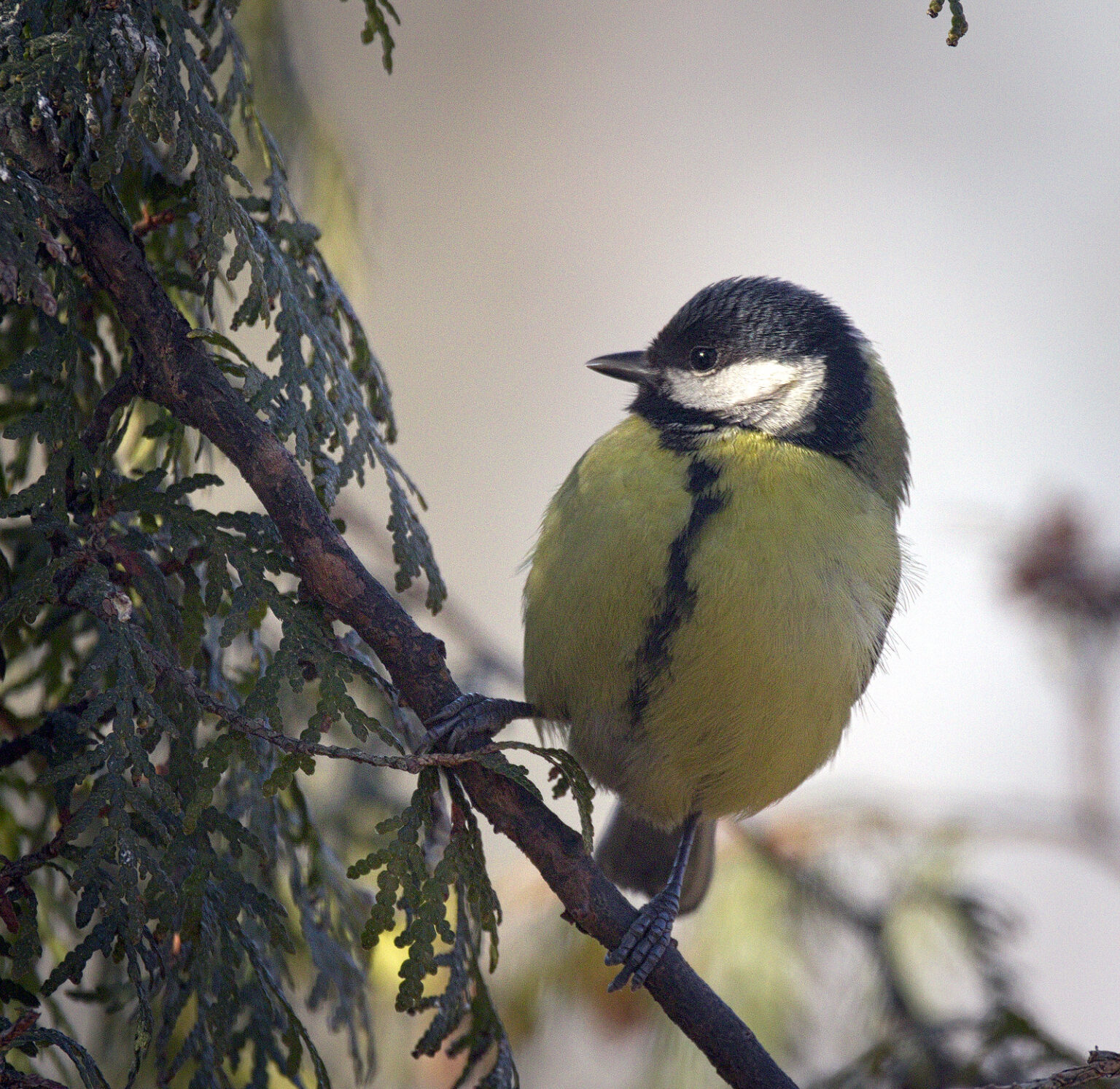
Climate change increases the frequency of extreme heat, cold and rainfall events, affecting how chicks develop and their long-term survival. As great tits (Parus major) develop, they become more sensitive to temperature changes. Using 60 years of life-history data from over 83,000 individuals and daily climate records, researchers looked at how extreme weather events affected hatchlings that were zero to seven days old and nestlings eight to 15 days old. The team found that younger chicks were more vulnerable to extreme cold, while heavy rain harmed older nestlings. The timing of the extreme event also impacted chick size. Chicks exposed to extreme heat born later in the season were often significantly smaller than chicks born earlier. When chicks experienced both extreme heat and rain, they had 27% lower body mass at fledging than other birds. Body size is important because it can reduce the chance that baby birds survive, having population-level effects.
Read more in Global Change Biology