





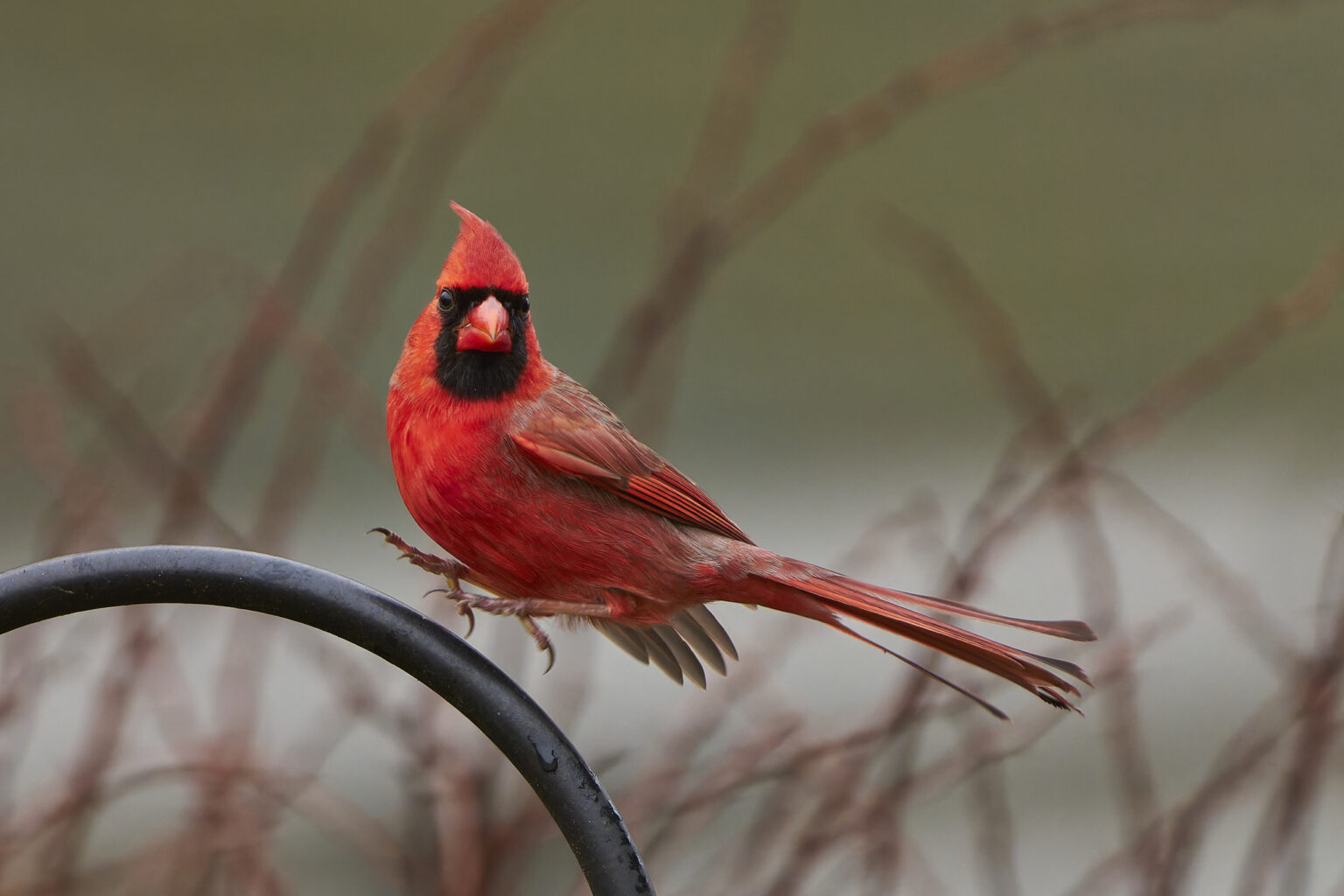
When humans get stressed out, we feel it in our bodies. Tense shoulders, a racing heart, even a stomach ache. New research shows that when faced with their own everyday challenges, cardinals also experience physical changes—specifically, a shift in their gut microbiome. In a new study published in Scientific Reports, researchers from Florida Atlantic University studied the gut microbiomes of free-ranging northern cardinals (Cardinalis cardinalis) as they faced different challenges over the span of 11 days. The gut microbiome is made up of helpful bacteria and fungi that aid in digestion, immune system function and other health markers. The study found that even relatively mild stressors—like a simulated territorial dispute with other males or a brief stint in captivity—can influence the gut microbiome. Birds that were exposed to a stressor experienced a change in their microbial communities, while the overall diversity remained the same. Birds that were held in captivity after capture experienced more significant changes compared to the birds exposed to simulated social interactions. This indicates that even a brief interruption in their daily routine can cause significant physiological effects. Changes in the microbial community were linked to visible signs of health, including beak color, body condition and stress hormone levels. “These microbial shifts give us a window into the hidden ways wild animals respond to the world around them, helping us understand their resilience and overall well-being in ways we couldn’t see from behavior alone,” said Morgan Slevin, lead author on the paper. In the future, the microbiome may be used as a record of what stressors a wild songbird has experienced.