
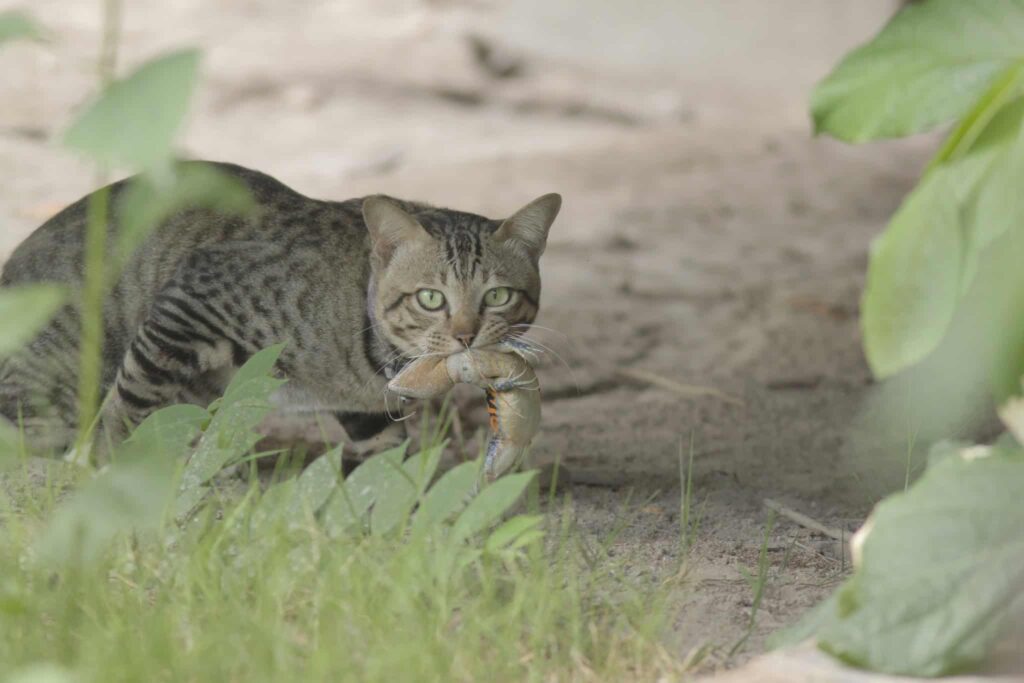




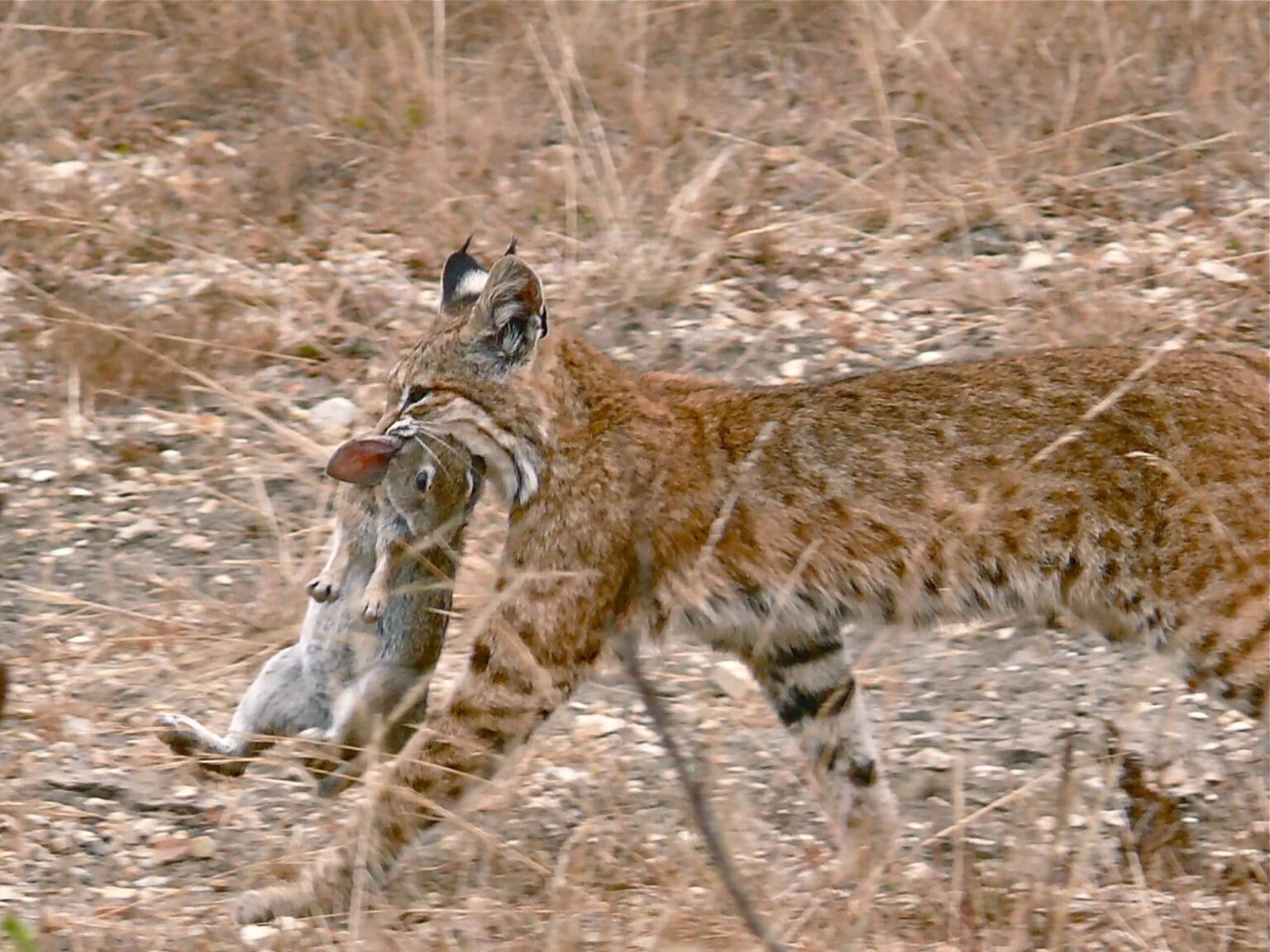
When carnivores consume small mammals, they may unwittingly get more than they bargained for. Within the digestive tract of their prey are spores, the reproductive agents of fungi that hitch a ride to reach new locations. Recent research published in Ecology Letters suggests that this process is widespread and important for promoting forest health, as it spreads mycorrhizal fungi that form symbiotic relationships with plants, increasing forest productivity, supporting regeneration and enhancing resilience.
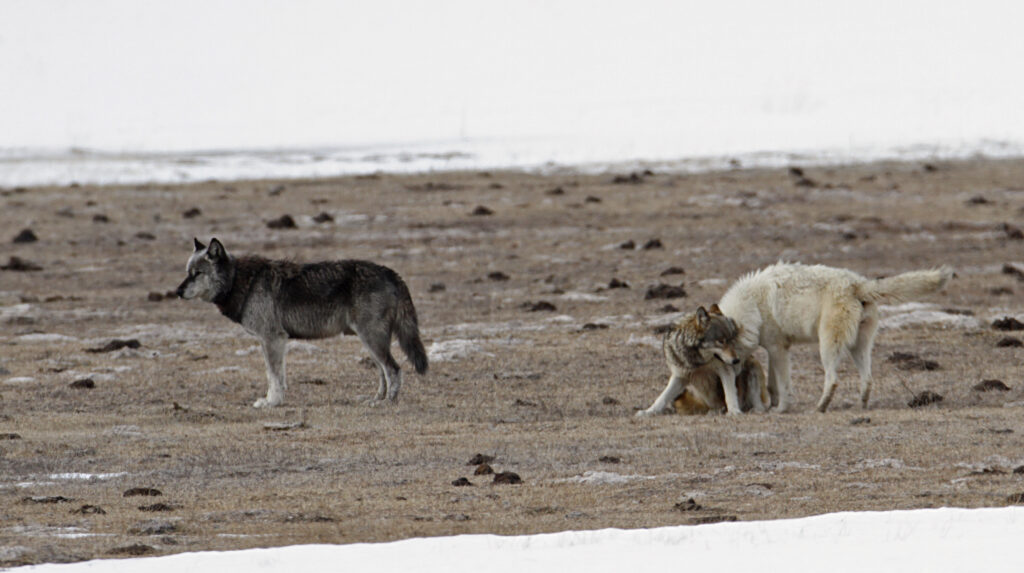
To assess this process, researchers analyzed small mammal digestive tracts and scat from fishers (Pekania pennanti), red foxes (Vulpes vulpes), bobcats (Lynx rufus), coyotes (Canis latrans) and gray wolves (Canis lupus) in the upper Midwest for spore abundance and species diversity. Spore loads were linked to the carnivore diet and combined with carnivore movement patterns and digestion times to estimate spore travel distance.
The analysis revealed all carnivore species dispersed fungi. Small mammals and small carnivores dispersed more fungal species and had higher spore loads in their scats, while larger carnivores, such as wolves, tended to disperse fewer spores over greater distances. Fishers and bobcats were more effective because they had higher spore amounts and moved longer distances.
Read more in a press release from the University of Minnesota.
Article by The Wildlife Society