

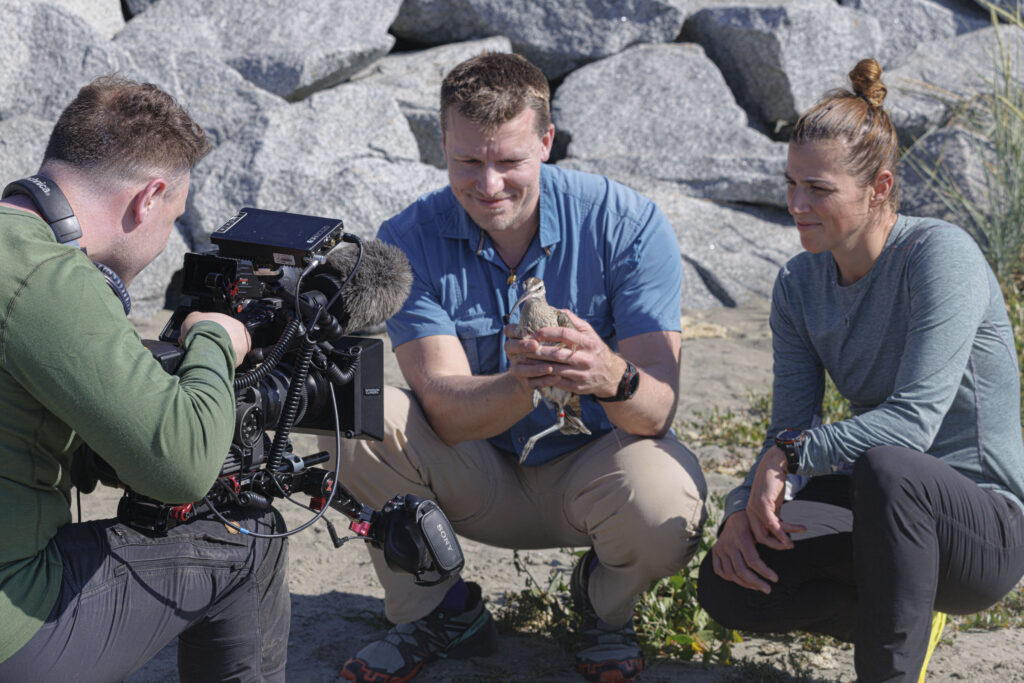



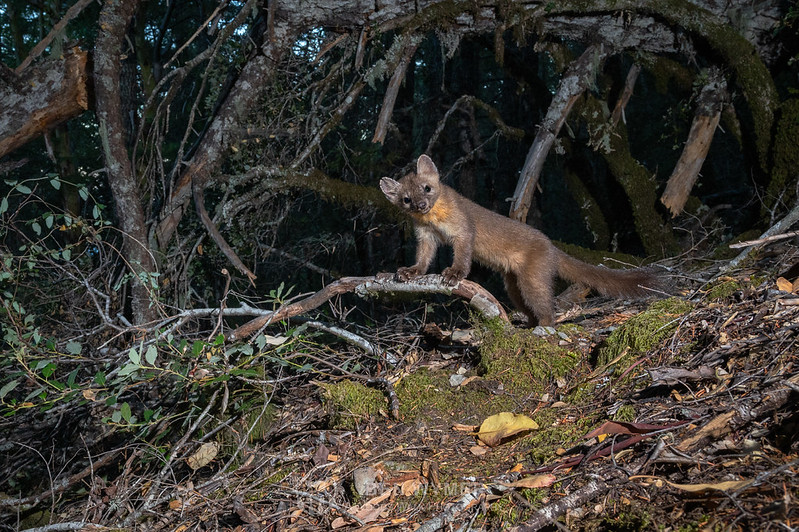
Scientists have captured rare footage and genetic samples of the Humboldt marten, a small, wickedly cute yet elusive predator once thought to be extinct. The mammal is about the size of a squirrel and is in the mustelid family, related to weasels, otters and badgers. It once lived from Northern California through Oregon. But Humboldt martens (Martes caurina humboldtensis), one of the four subspecies of the Pacific marten (M. caurina), were hunted for their pelts. Deforestation also contributed to losses in numbers, pushing the subspecies to what many thought was extinction. But in 1996, a population was rediscovered in California, and the species is now listed as endangered in the state and federally listed as threatened. “There’s a lot we don’t know about this species, including information as basic as what forests do coastal martens still occupy, how many martens are there, and are these populations increasing,” said Sean Matthews, a researcher at Oregon State University, in an interview with Discover Wildlife. Using hair snares and trail cameras set up in a 400 square-kilometer area over three months, the researchers identified 46 different martens: 28 male and 18 female. Researchers also found that topography effected where the animals were found. The majority of martens were found at high elevations, including forested ridgetops with lingering snow. They were also found at lower elevations within coastal forests that contain ravines and rivers. The researchers hope to use this information about the species to better target conservation efforts for the species.
Read more at Discover Wildlife.