

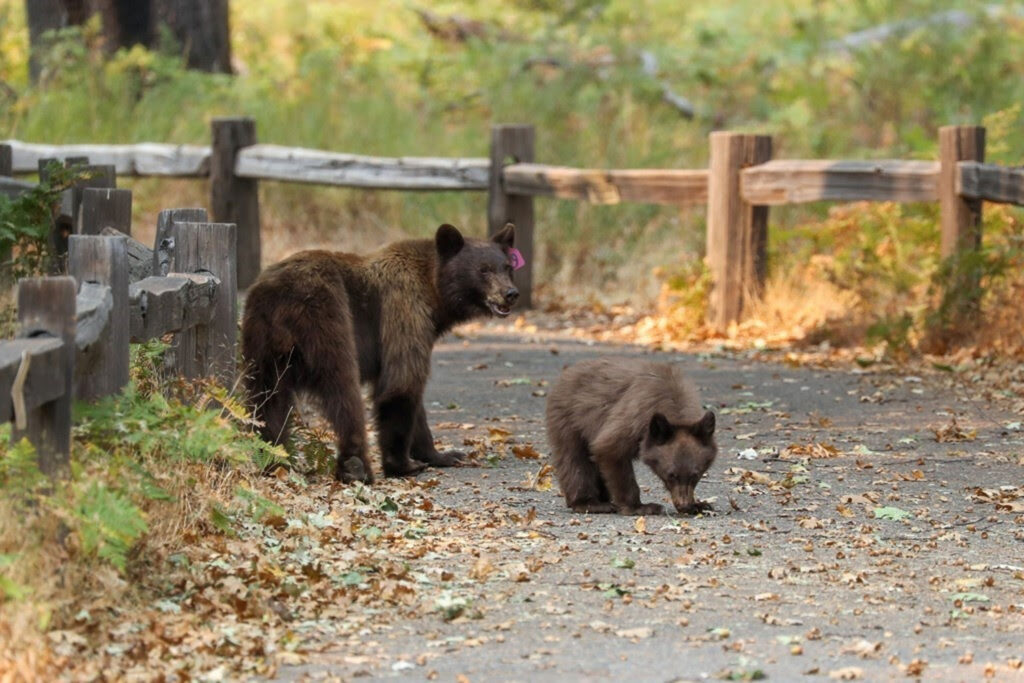
For most, the army cutworm moth is nothing more than a nondescript gray insect bouncing against your porch light. But this seemingly inconsequential moth migrates great distances to attend a feast in the Greater Yellowstone Ecosystem (GYE). The moth’s dietary needs are humble, focused on the nectar of mountain flowers. Little do they know, they are the main course for brown bears (Ursus arctos), providing an annual energy-dense meal. Recent research reveals that bears have their preferred eateries, returning year after year to the same moth sites.
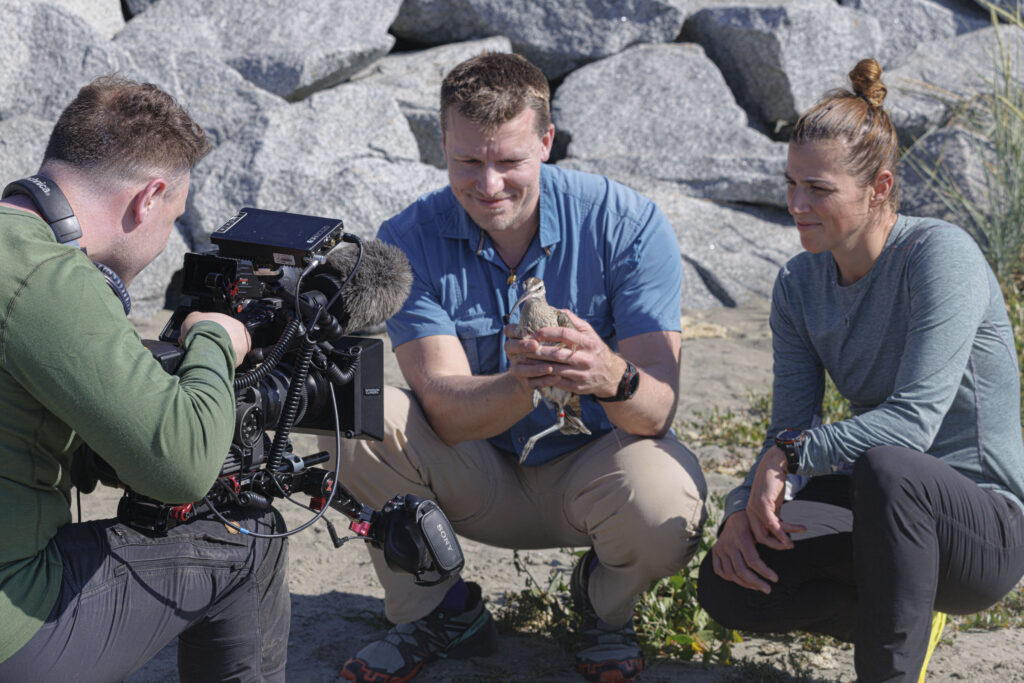
“It’s the coolest thing,” said TWS member Justin Clapp, a large carnivore biologist with the Wyoming Game and Fish Department who works as part of the Interagency Grizzly Bear Study Team. “These two different species couldn’t be further apart on the spectrum from each other, but they actually interact in the ecosystem and influence each other.”
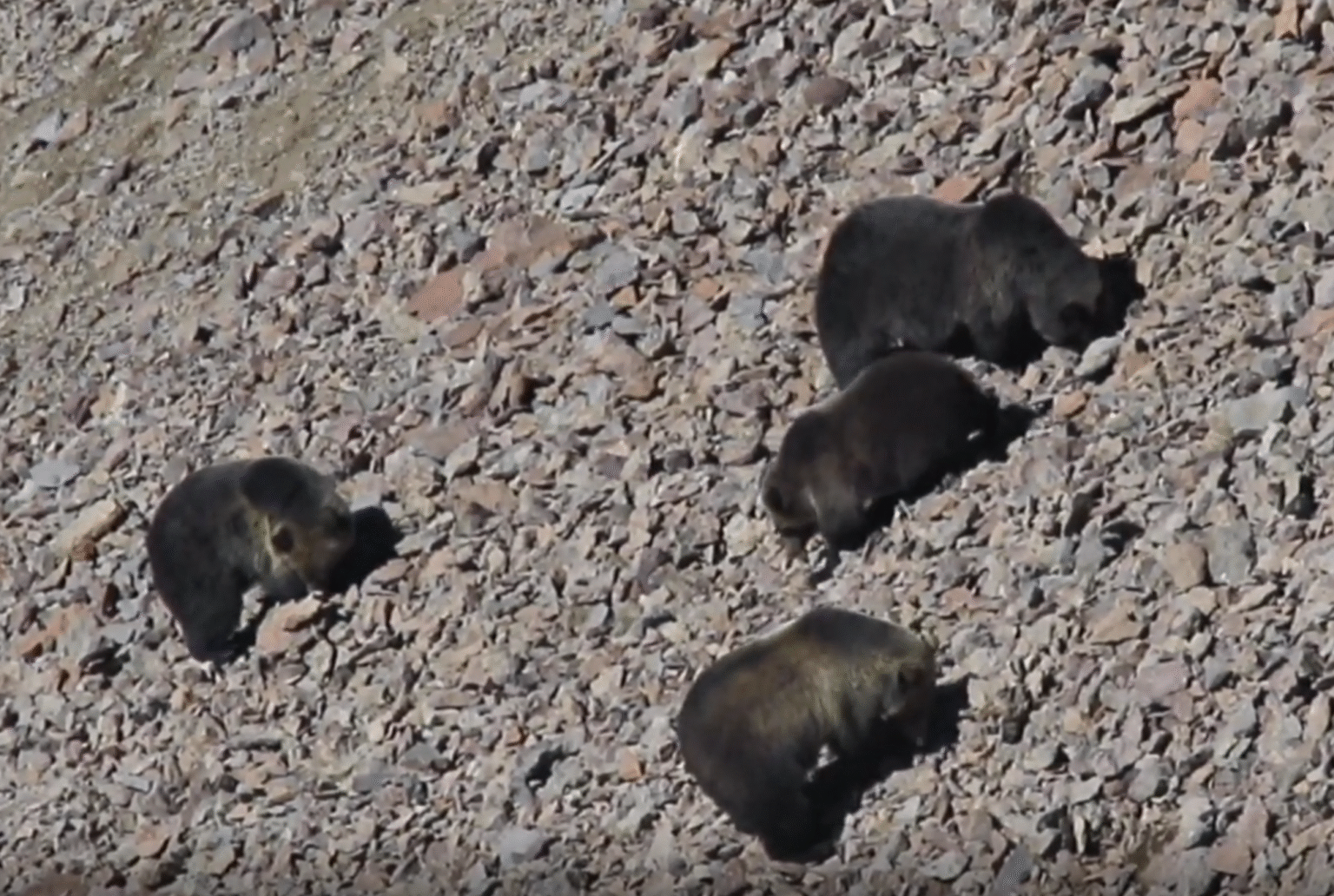
Researchers observed bears eating moths in other locations since the 1950s and first observed it in the GYE in the 1980s. Researchers have tracked radio-collared brown bears using aerial telemetry flights during peak moth use in late July and early August for 42 years. Bears spent hours each day moving talus rocks on the mountainside. Underneath the talus awaited hundreds of moths—the bears would extend their tongues, using them like sticky traps to catch as many moths as they could.
Foraging leaves visible signs on bears’ claw lengths. If their front claws are less than two inches, for example, it’s usually a good indication that they spent a lot of time at the moth buffet. “If you capture a bear in late fall, you can tell immediately this bear has been on a moth site,” Clapp said. According to Clapp, a quarter of the population of brown bears can be found on less than 1% of the GYE during one of these moth seasons tracking flights. Despite the seemingly obvious connection, there was little formal analysis of the moth-bear connection until now.
In new research published in The Journal of Wildlife Management, Clapp and his colleagues analyzed this 42-year dataset of observations and radio collar tracking data to map army cutworm moth (Euxoa auxiliaris) aggregations and learn more about bear use patterns.
The researchers used GPS collar data collected from multiple collar types to monitor daily movements. For researchers to confirm a moth site, multiple observations of bears feeding in the talus must have occurred within a year, and single observations of bears feeding at a site in multiple years were required. Through this analysis, the team identified 36 army cutworm moth aggregations in the GYE. The researchers then used confirmed moth sites to generate a map of moth-brown bear interactions across the ecosystem and understand bear use of the sites.
In total, the team documented 4,754 observations of feeding or digging behavior in the talus, with female brown bears using the sites more often and remaining on them longer. The movement data from the radio collars revealed that brown bears repeatedly returned to forage at specific moth sites year after year. “When [the bears] get a food windfall, they’re typically keyed in on that resource and looking for it in the future,” Clapp said.
In the summer, there are many users in this space besides bears and moths. Recreationalists like mountaineers, climbers, hikers and hunters may all be in proximity to one of these cutworm sites. Although observations had revealed brown bears digging through the talus to eat moths, the precise timing of moth season remained unknown. But the researchers hope to use their findings to help keep people away from these sites during peak moth season to avoid disturbing the feasting bears.
Clapp said future studies will examine the links between moth abundance, moth consumption, body condition, survival and reproduction. But one thing is clear. These small gray moths play an outsized role in the lives of some Yellowstone brown bears.
Article by Kaylyn Zipp