Welcome to the TWS Native Peoples’ Wildlife Management Working Group
The Native Peoples’ Wildlife Management Working Group (NPWMWG) serves as a forum and resource for members of The Wildlife Society to share ideas and information on relevant issues and topics impacting Native American wildlife management.
Our working group facilitates communication, develops opportunities, educates others and encourages future native wildlife professionals to promote a more inclusive, informed and indigenous future for wildlife management.

Goals:
- Enhance cooperation among native, state, provincial and federal government agencies related to wildlife management issues.
- Facilitate communication and exchange of information among members of TWS interested in wildlife management issues facing native people.
- Enhance knowledge and technical capabilities of wildlife professionals in natural resource issues that affect native people.
- Promote projects and programs that benefit wildlife resources and enhance wildlife management opportunities for native people.
- Encourage native students to pursue careers in wildlife professions.
- Increase public awareness and appreciation of traditional native knowledge regarding wildlife and wildlife management.
- Educate people on the cultural, spiritual, and subsistence values of wildlife to native people.
- Enhance awareness of Federal Trust responsibilities of Federal agencies to native people.
- Assist TWS in preparing position statements and policies related to issues that affect native people.
- Maintain a cooperative relationship with the Native American Fish and Wildlife Society
Announcements
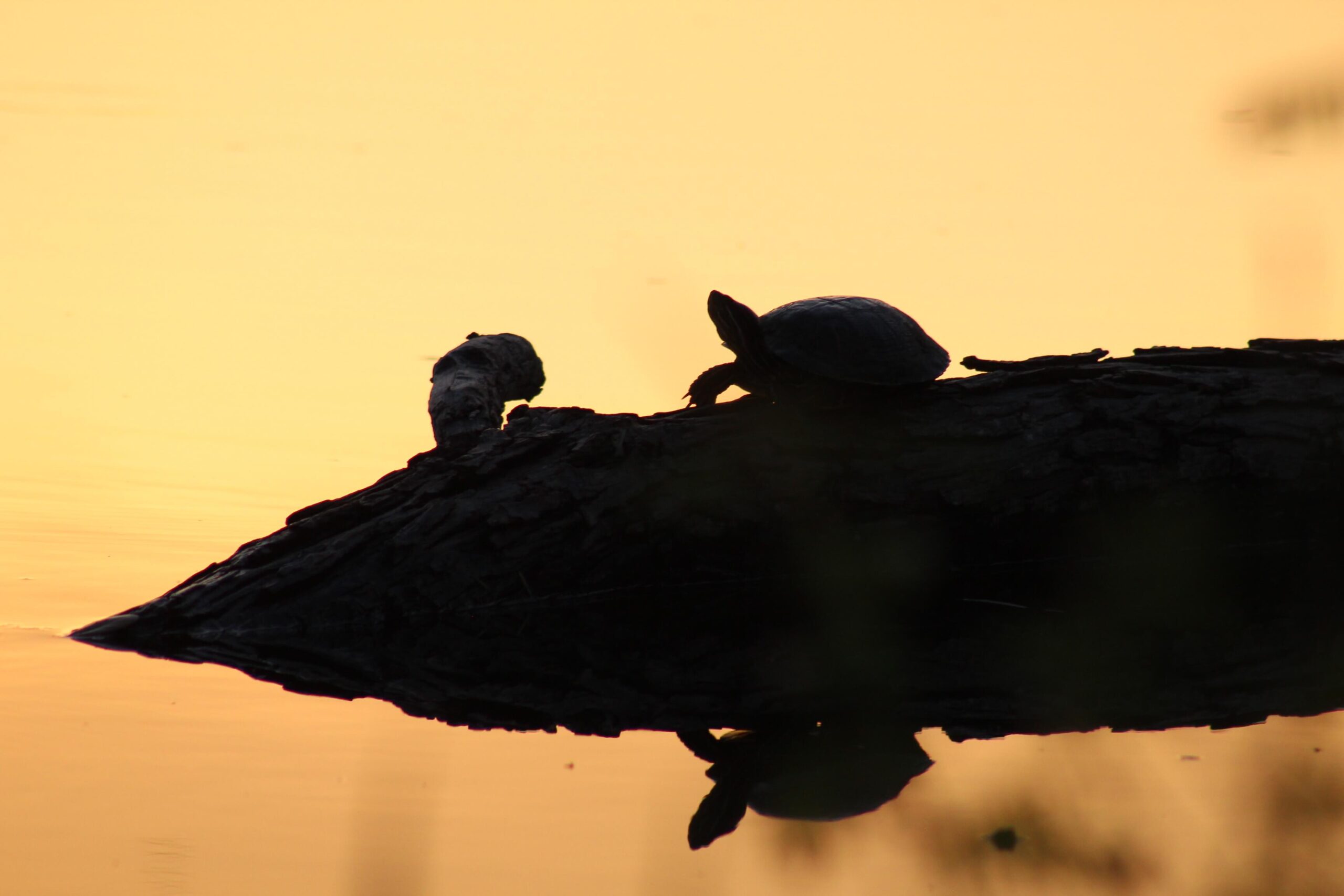
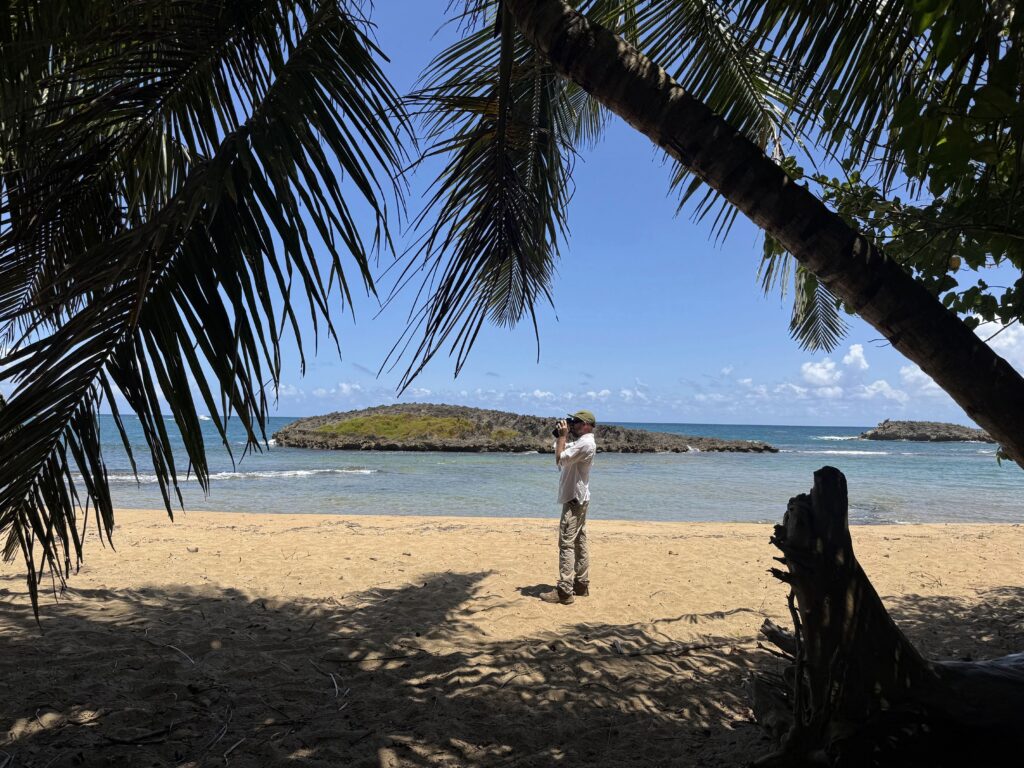
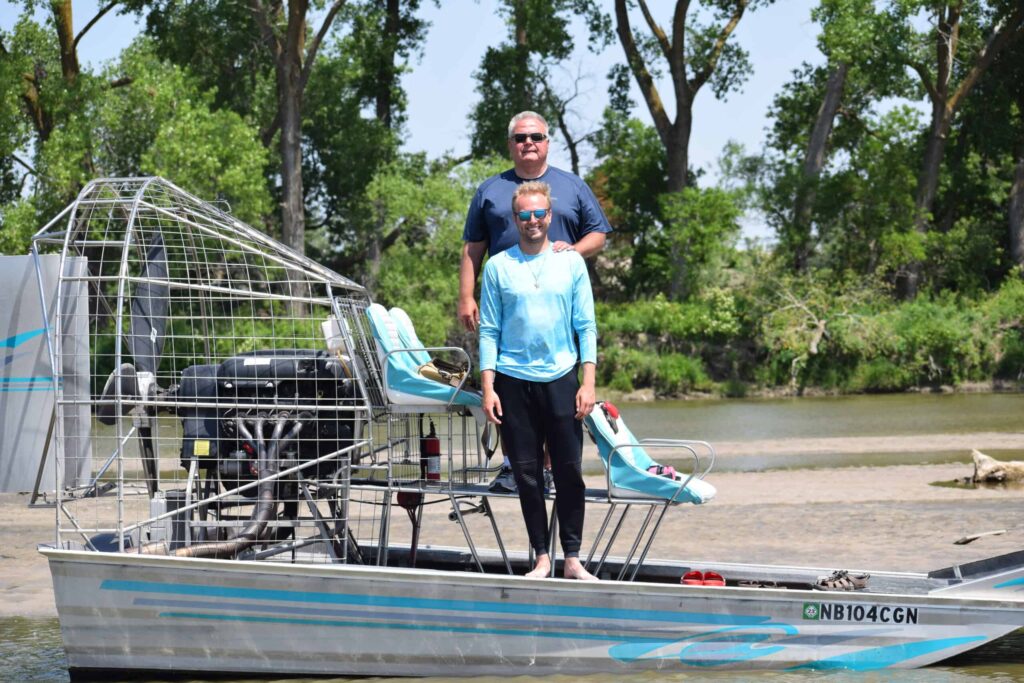
Credit: Grace Soechting
Become a member
Membership is available to all current TWS members. You may join our working group by logging in to your TWS account.
Officers
Officers
Meetings
The NPWMWG holds its annual business meeting during The Wildlife Society’s Annual Conference.
Native Student Professional Development Program
Are you an Indigenous student enrolled in a wildlife program? Check out our Native Student Professional Development Program! Applications typically open in the summer.
The 2025 Native Student Professional Development Program is completed. Check back here in Spring 2026 for information and deadlines regarding the 2026 program.
Participants travel to TWS’ Annual Conference, which includes:
- Complimentary registration
- Travel grants
- Mentorship at the conference
- One-year memberships in TWS & the Native Peoples’ Wildlife Management Working Group (NPWMWG)
- Exclusive educational sessions for program participants
- A scholarship to Global Wildlife Resource’s online course, The Foundations of Wildlife Chemical Capture
- Access to all conference networking events and more
Eligibility
Applicants must meet the following eligibility standards:
- Currently enrolled (or be a graduating senior) in an undergraduate or graduate program from an accredited institution of higher education in the United States
- Identify as a member of a Native American, First Nations, Métis, Inuit, Alaska Native, Native Hawaiian or Pacific Islander tribe or community, and provide proof of tribal affiliation or descendancy from a tribally enrolled parent or grandparent
- Demonstrate an interest and commitment to conserving natural resources, working with Native communities, and elevating ITEK in federal scientific and policy processes.
- Have a cumulative GPA of 2.5 or higher on a 4.0 scale. Preference will be given to students with a GPA of 3.0 or higher
- Be fluent in English and have excellent communication and interpersonal skills. Knowledge of a Native language or culture is an asset, but not required
- Uphold and conduct their activities in accordance with the Code of Ethics and Standards for Professional Conduct as prescribed by The Wildlife Society
- Students within six months of graduation are eligible. Qualified applicants will be evaluated by a panel consisting of the Chair of the NPWMWG, two other NPWMWG members, a TWS staff member and representatives from other program partners
Please contact lruotolo@wildlife.org to discuss how you can support this program now and into the future.
See More
See LESS