





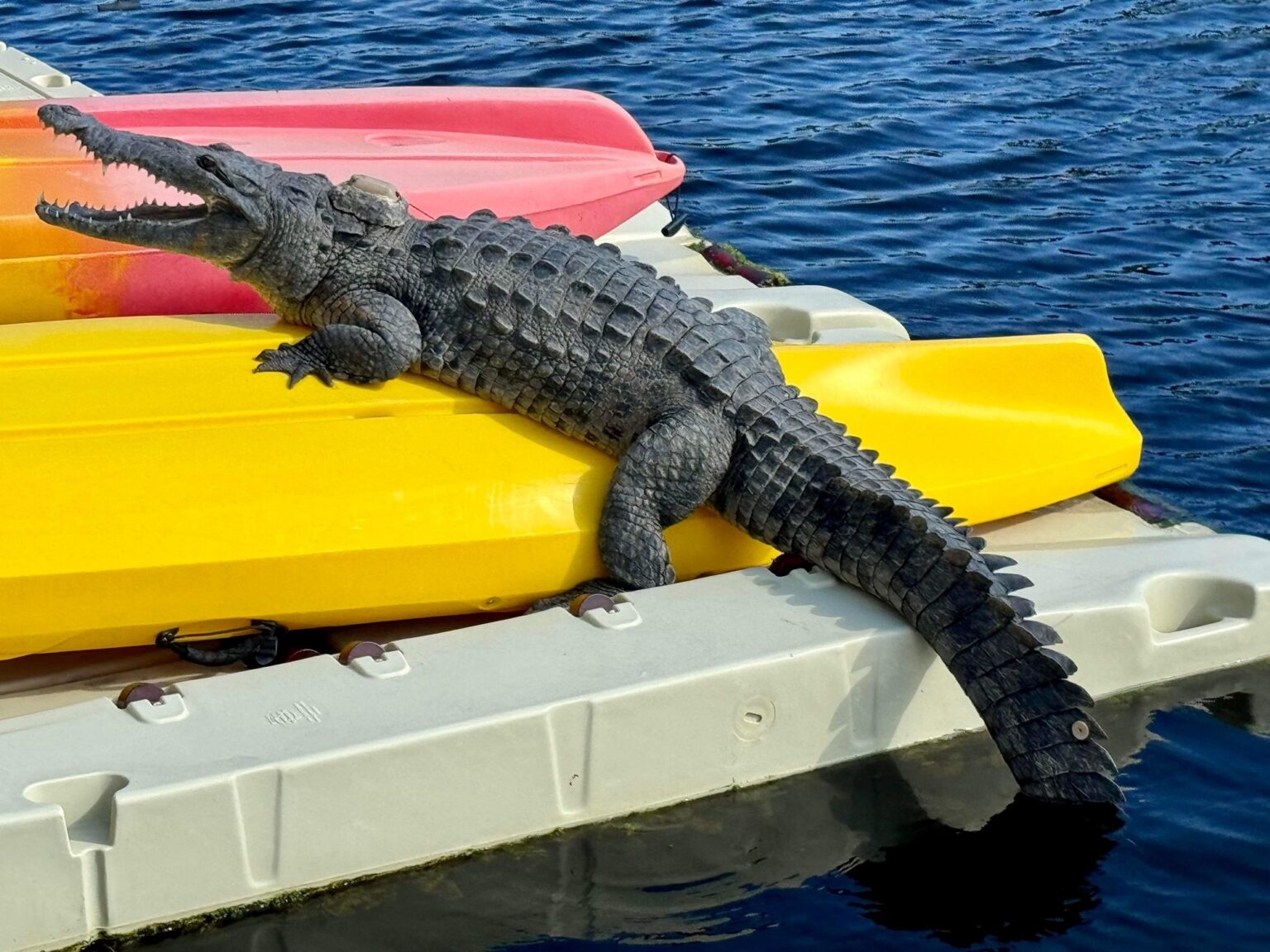
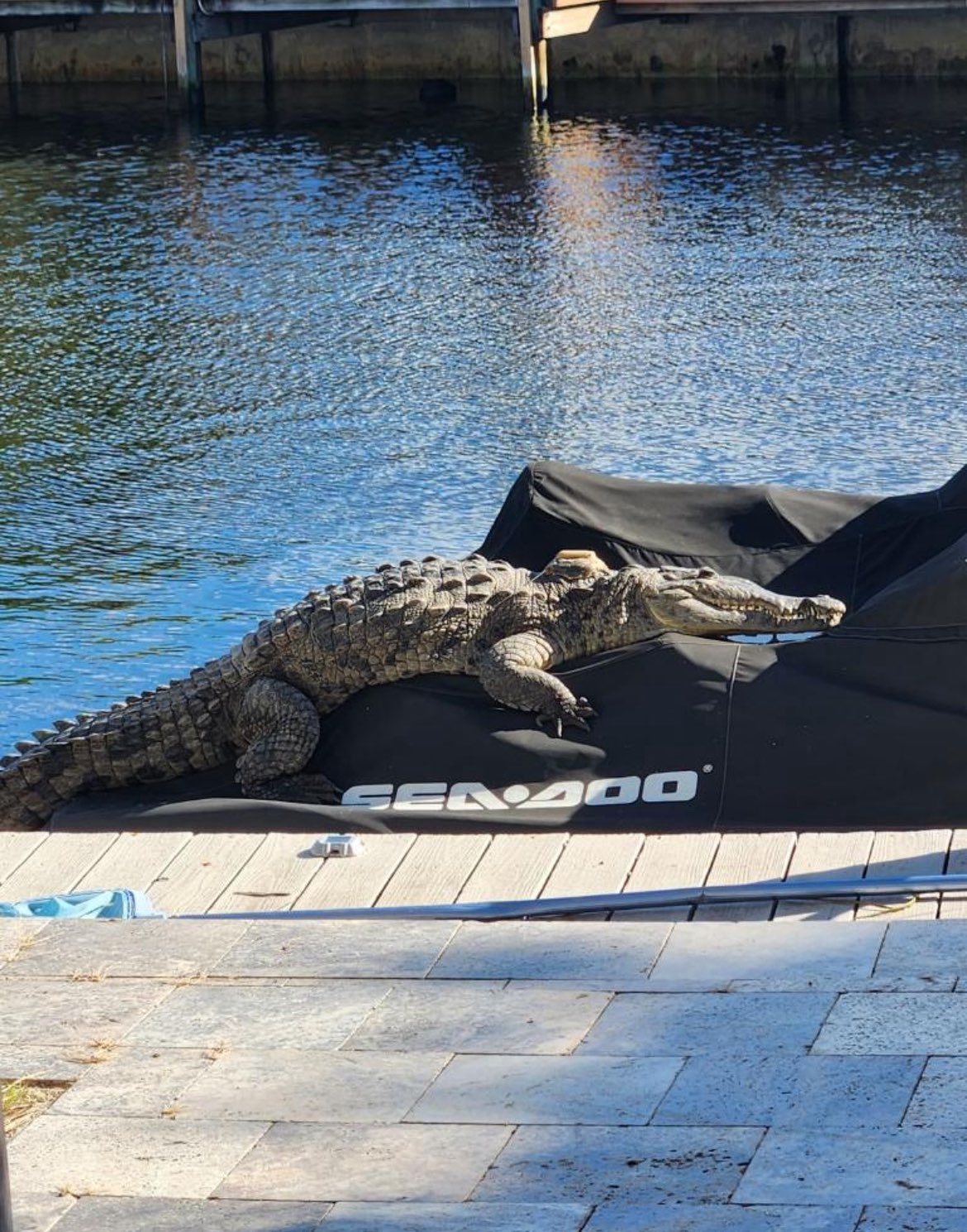
From Sir Francis Drake’s 16th-century torching of St. Augustine to 1930s rum bootlegging, Florida has seen its fair share of piracy over the centuries. But massive development growth in South Florida has led to a novel ecosystem in which scaled buccaneers are commandeering private sea vessels. American crocodiles (Crocodylus acutus) are appropriating unattended Jet Skis along the canals of Miami, and wildlife managers have taken notice.
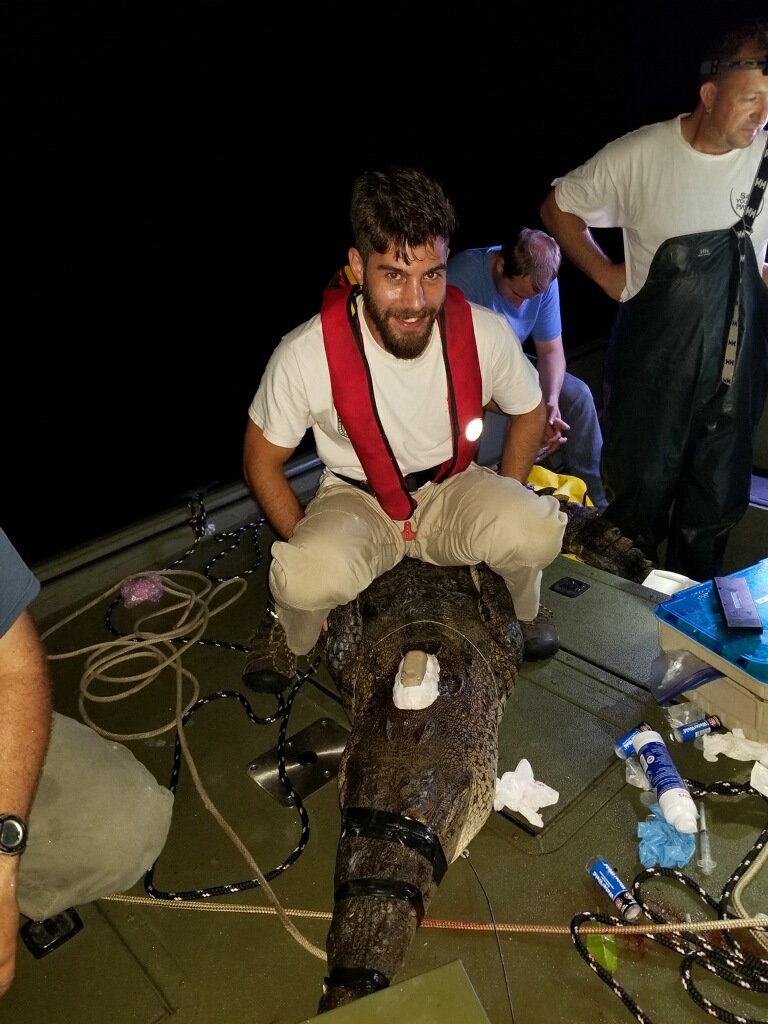
While it may not seem like much of an issue, this problem reveals one of the ways that native wildlife is adapting to urbanization. Crocodile numbers have also been recovering in recent years—the species’ Florida population was downlisted to threatened on the U.S. Endangered Species Act in 2007. As they recover, they are coming more into contact with people. In recent research published in the Wildlife Society Bulletin, David Steen and Vincent Deem of the Florida Fish and Wildlife Conservation Commission discuss some of the ecological implications of this behavior. In The Wildlife Society’s latest Q&A, we connected with Deem to speak about this emerging Florida problem. His responses are edited for style and brevity.
Why are crocs ending up more on personal watercraft?
As ectotherms, crocodiles need to bask to regulate their body temperatures. Now, crocodiles in Florida are utilizing urbanized landscapes where natural basking habitat has been all but eliminated. To persist in these areas, they have no choice but to bask on artificial structures and objects, such as personal watercraft, paddleboards and floating docks. As crocodile numbers continue to recover from historical declines, more crocodiles are showing up in these human-dominated areas.
Why is it a problem that crocodiles end up on personal watercraft?
Crocodiles are still a rare species in Florida. Though they were federally downlisted from endangered to threatened in 2007, they are still not commonly seen or noticed by people, especially in urban areas. When one is spotted in a residential area, especially if it is seen basking on someone’s personal recreational equipment, it can create conflict. This is likely caused by fear and surprise that these large predators can exist so close to home.
Where do crocs usually bask?
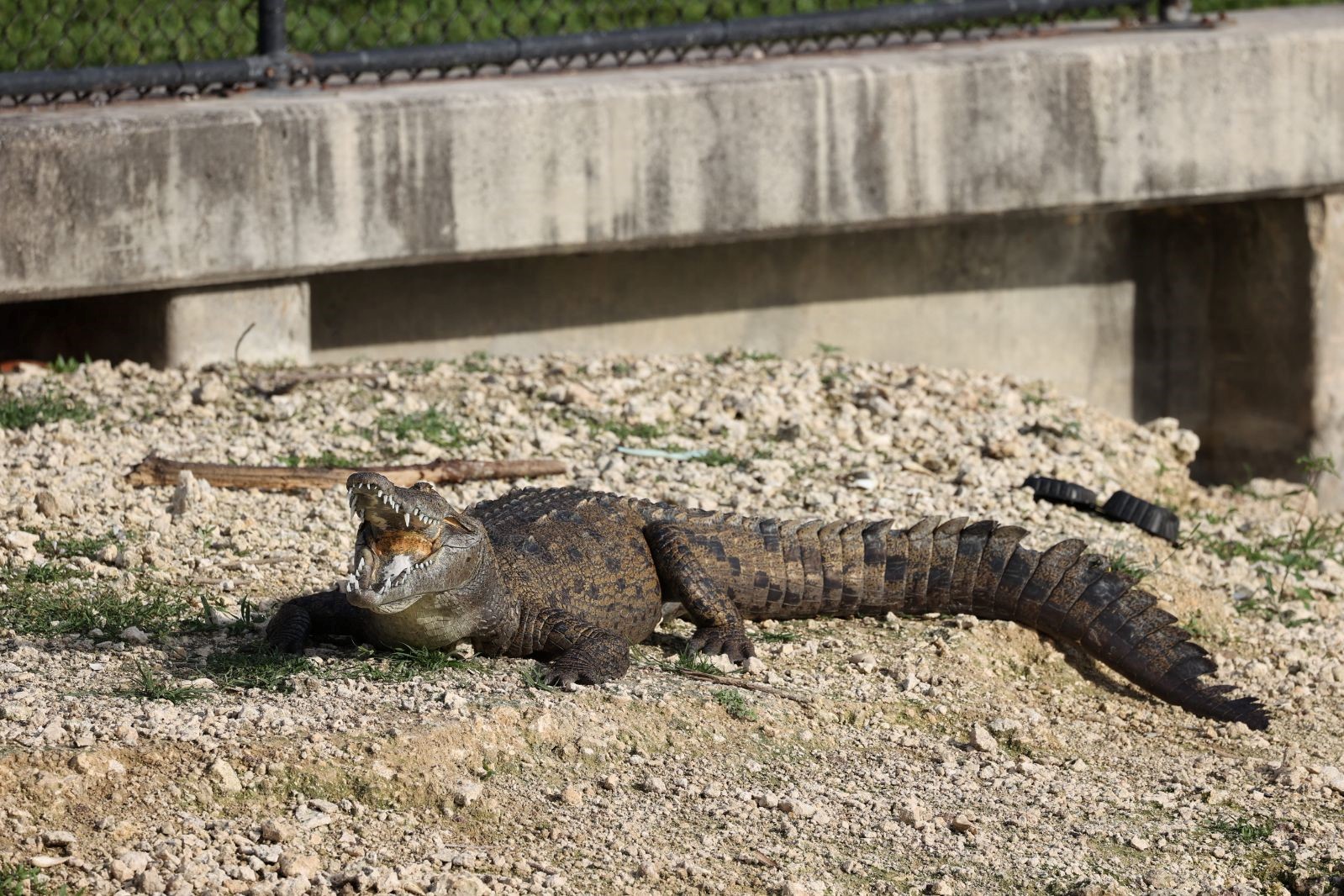
In their natural habitat, crocodiles will bask on beaches, mudflats, logs and along the gently sloping shores of the waterways they inhabit. These types of habitats are rare in developed areas of South Florida. Most of the waterways have been hardened and channelized with steep artificial banks, forcing crocodiles to look for alternative basking sites on man-made objects.
Does this happen with alligators, too? How is the problem different with crocodiles?
This type of behavior likely also occurs with alligators (Alligator mississippiensis). However, the extensive system of sheer bank canals, which has created this situation, is primarily concentrated in coastal South Florida, which more corresponds with the range of American crocodiles. Alligators are present in these areas but are far less common.
Another contributing factor to the reaction and reporting of these occurrences with crocodiles versus alligators is the novelty of crocodiles in Florida. As mentioned previously, they are still an uncommon sight, so when they are seen, they tend to get people’s attention. Our recent research revealed that almost 1 in 4 people living within the range of American crocodiles in Florida are not aware of their existence.
Article by Joshua Rapp Learn