


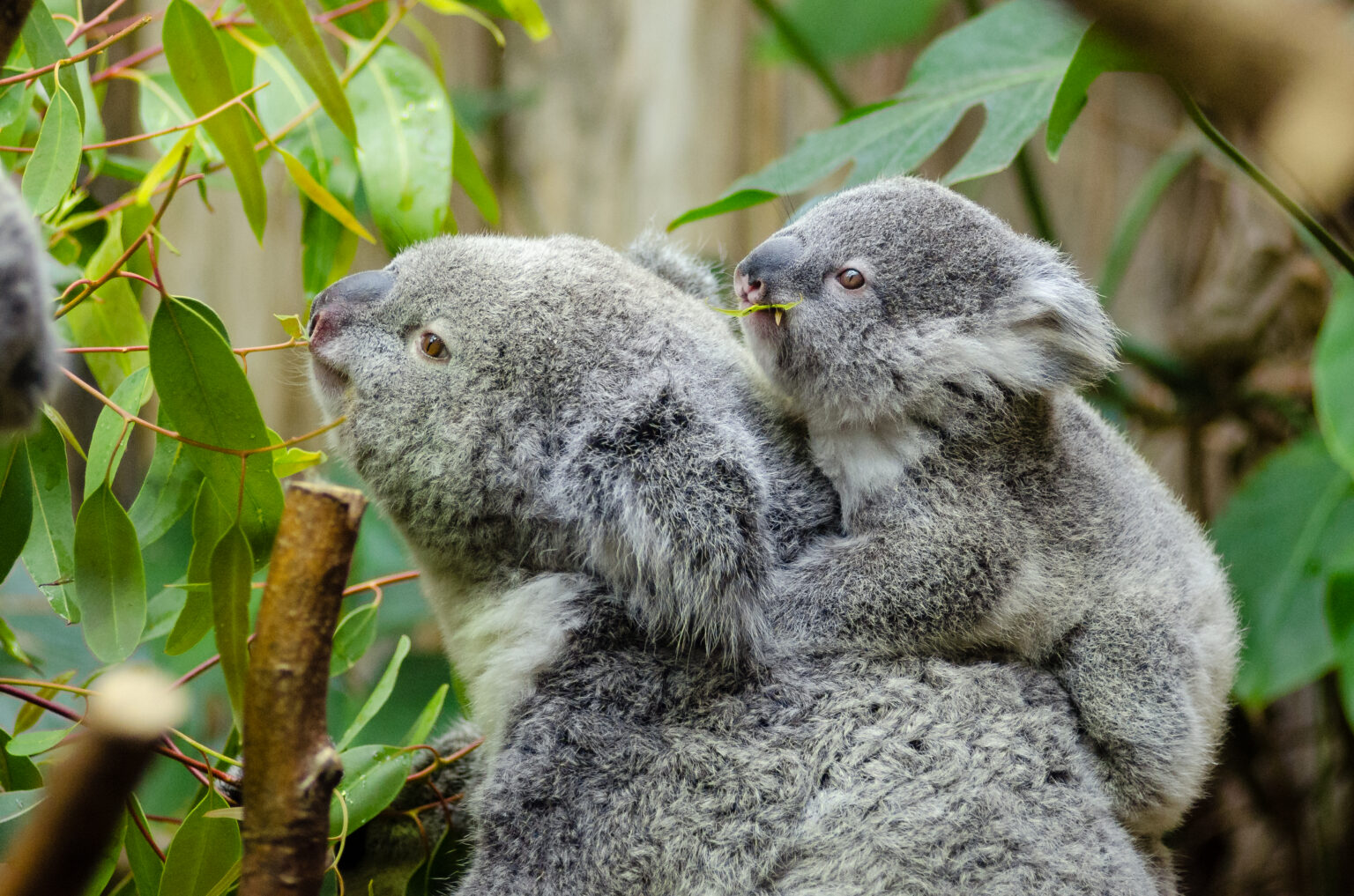
Koalas, which have been in trouble for hundreds of years, have made a surprising recovery. Once highly sought after for their fur, in the 1800s, the species experienced a population bottleneck, or a sharp, sudden decline in numbers and genetic diversity. These conditions can lead to an extinction vortex: a compounding negative cycle where inbreeding begets more inbreeding, causing a population to weaken as it hurtles toward extinction. But in the Australian state of Victoria, where koalas (Phascolarctos cinereus) are known to have high instances of inbreeding and genetic deformities, the marsupials are charting a new path. In a new study published in Science, researchers looked at the entire genomes of 418 animals and estimated the amount of genetic diversity spread throughout the population. They found that the genetic diversity of koalas in Victoria has been increasing over the last 40 generations. However, the genetic diversity of koalas in the states of Queensland and New South Whales, which scientists have considered genetically healthier, is on the decline. “It still looks like they’re in bad shape, but if you dig further, we’re actually finding that there’s recovery from the bottleneck,” said study co-author Collin Ahrens, an evolutionary biologist at the independent research company Cesar Australia, in an interview with Scientific American. The authors wrote that their findings give hope that other populations experiencing genetic bottlenecks can recover under the right conditions, too.