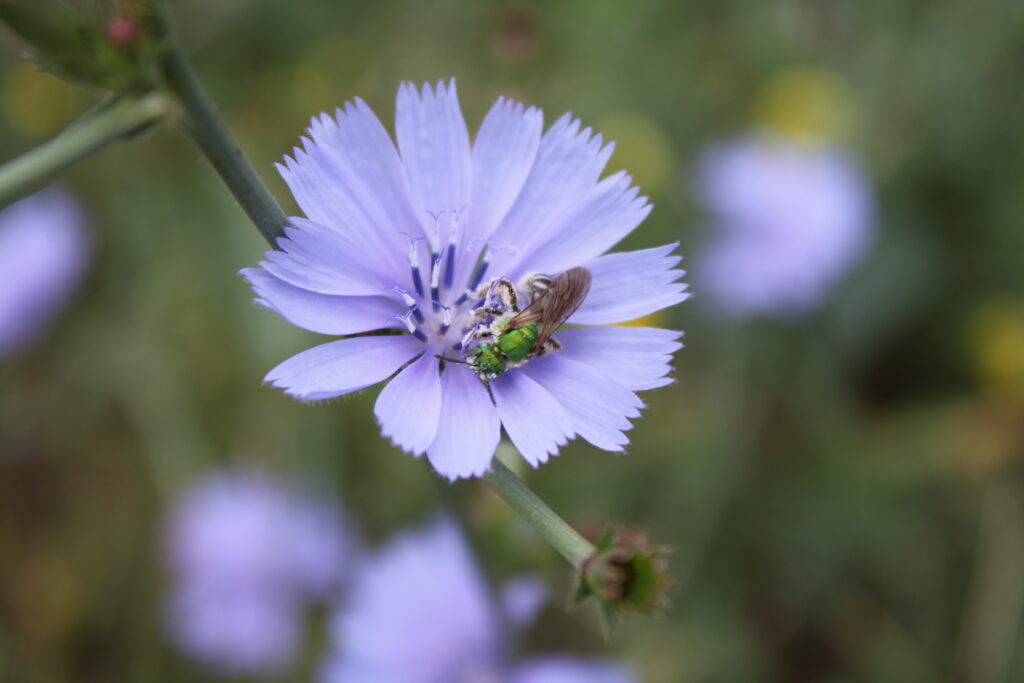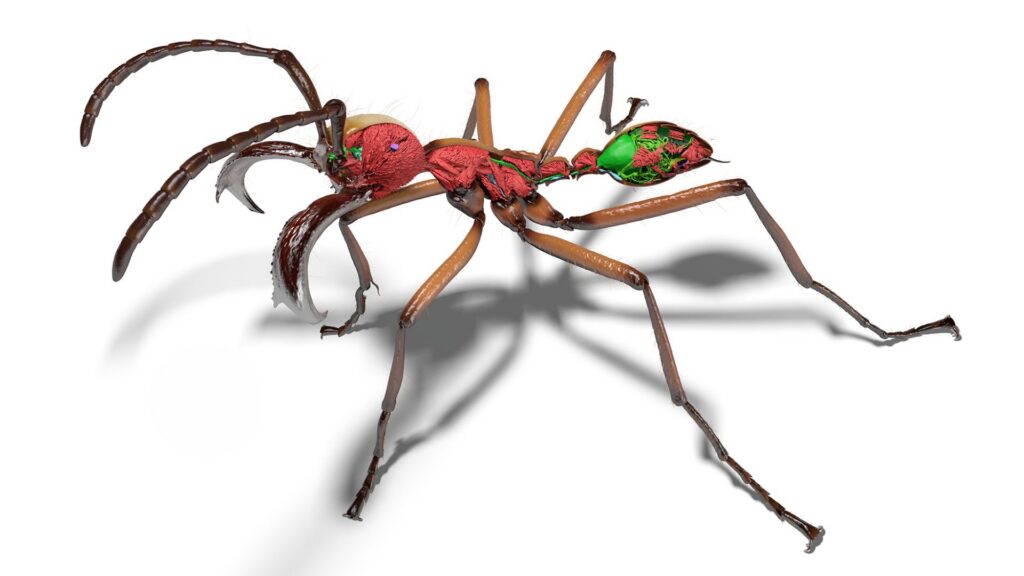


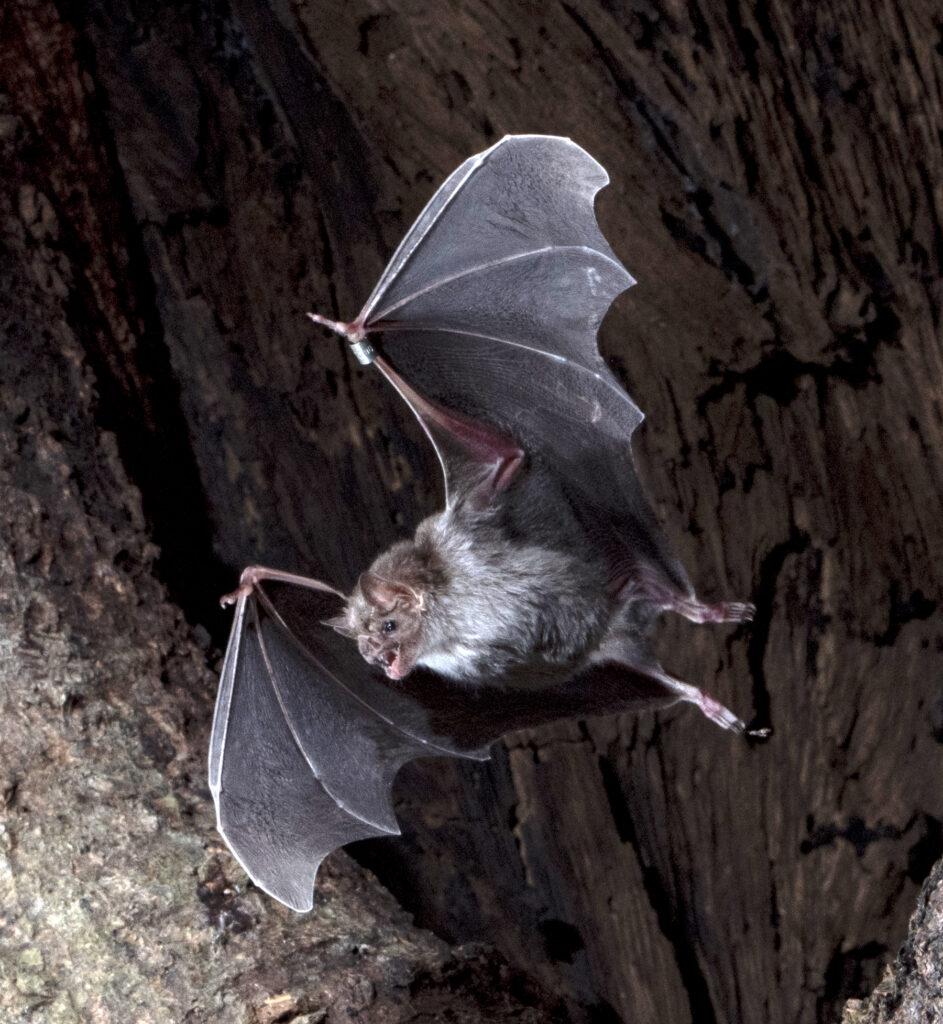

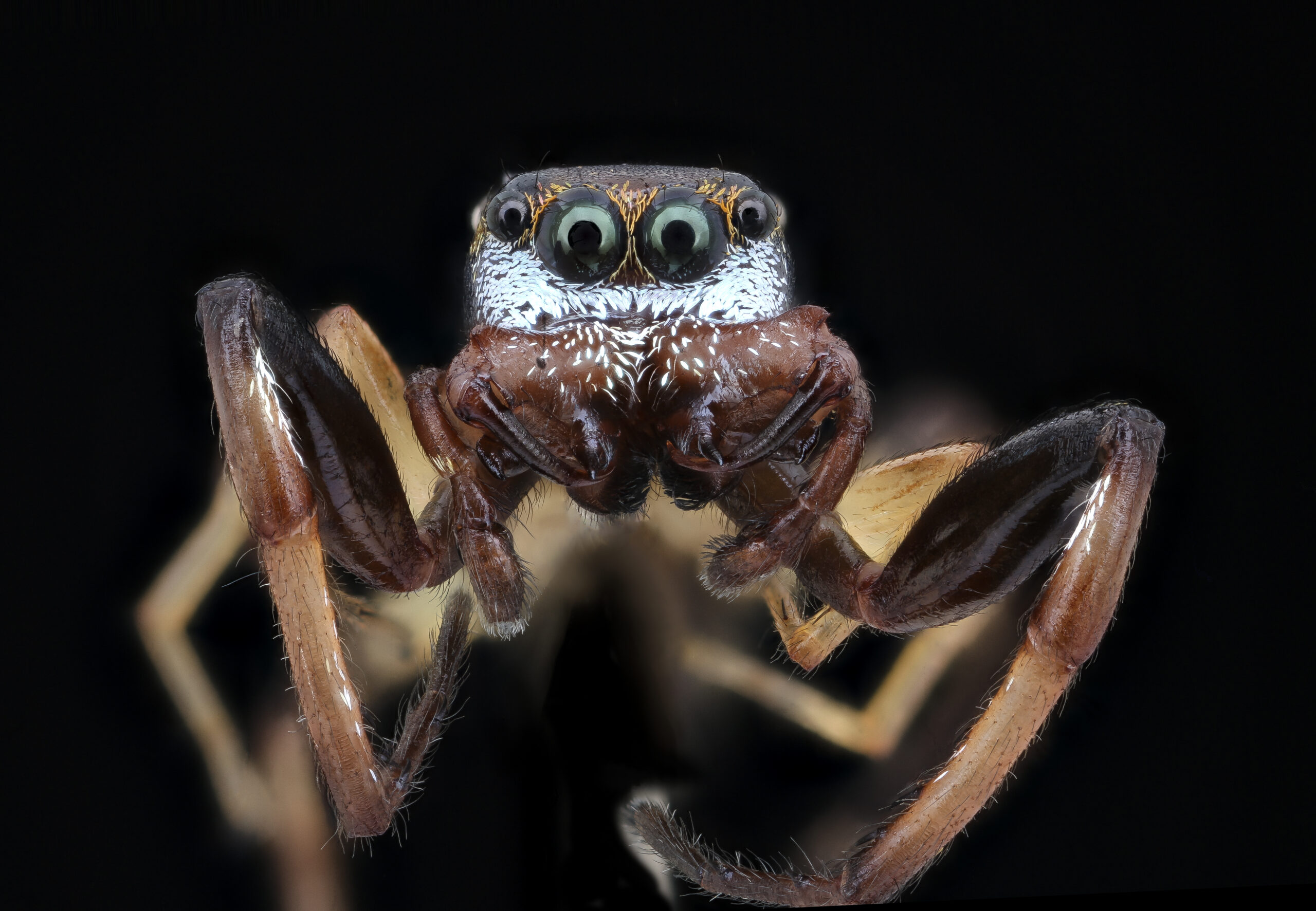
Within the vast animal kingdom, insects are often an afterthought. Insects and arachnids, which keep pests in check and are a food source for other animals, aren’t often included in legal protections or conservation funding. A new study published in the Proceedings of the National Academy of Science adds more evidence to some entomologists’ claims that this bias extends to research, too. Scientists combed through conservation assessments from more than 99,000 insect and arachnid species in the United States and Canada. They found that nearly 90% of the species they looked at don’t have conservation status, meaning there’s not enough information on the species to know if it’s doing fine or plummeting toward extinction. “Arachnids, in particular, are really missing from conservation; most states don’t even protect a single species,” said Wes Walsh, a graduate student at the University of Massachusetts Amherst and lead author on the study. There are some species within the umbrella of insects and arachnids that receive more research attention, including charismatic species like butterflies and aquatic insects used to assess water quality.
The spring issue of The Wildlife Professional is out and in TWS’ members’ mailboxes. This edition’s cover story focuses on arthropods, which are often not considered wildlife, and how that’s led to neglect in research and conservation efforts.