How birds react to fire depends on where they live

In a new study harnessing the power of tens of millions of citizen science observations, researchers found that fire repels some birds while others are drawn by the flames.

The birds’ responses also varied throughout their range. “Fire conditions can lead to high bird abundance in one region, but low bird abundance in another region for the exact same species,” said Andrew Stillman, an applied quantitative ecologist at the Cornell Lab of Ornithology and a coauthor on the study published in Frontiers in Ecology and the Environment.  

Some species, like the red-cockaded woodpecker (Leuconotopicus borealis), always increased after a fire, albeit to different amounts throughout their range. But the researchers were surprised to see that for other species, like the American goshawk (Astur atricapillus), fires in one region led to an increase in abundance where in another area it led to a decrease.

Models all the way down

Alongside the eBird team at Cornell, Stillman creates analytical tools that help organizations like the U.S. Forest Service use eBird data to understand how birds and their habitats are changing through time. The agency was interested in broader scale information about the impacts of fire on wildlife, a task which would require massive amounts of data and the technical know-how to work with it.

The U.S. Forest Service partnered with the eBird Status and Trends team, a group of computer scientists, statisticians and bird scientists who have used eBird data to create maps for nearly 3,000 bird species around the world.
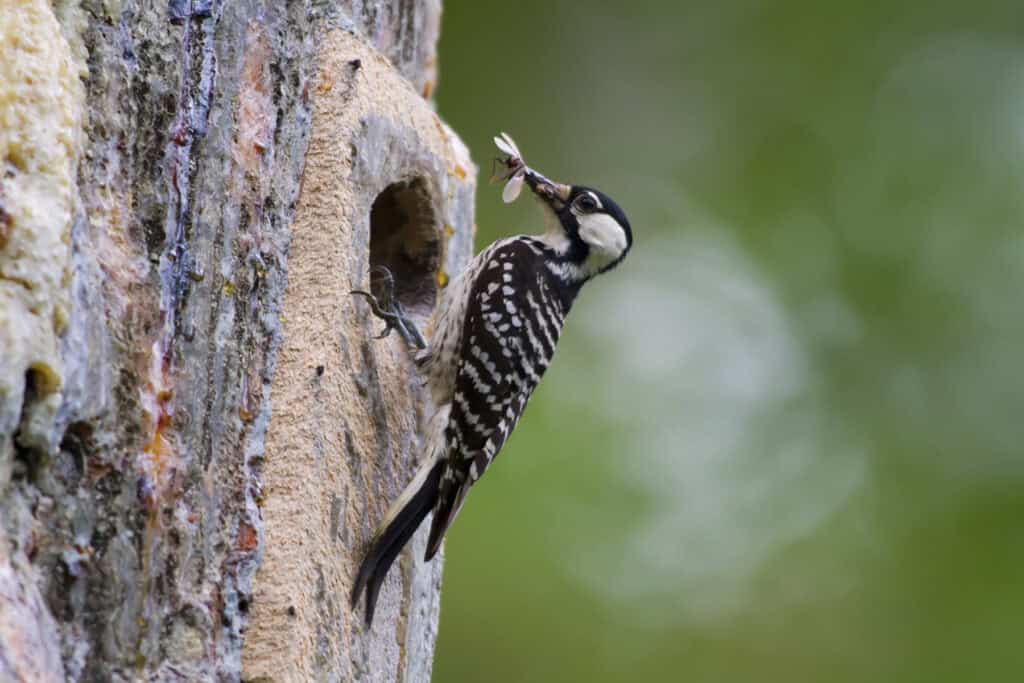
Red-cockaded woodpeckers are found in population patches across the Southeast. Credit: USFWS

The team looked at six bird species of conservation concern. Along with the red-cockaded woodpecker and American goshawk, they tracked the Bachman’s sparrow (Peucaea aestivalis), greater sage-grouse (Centrocercus urophasianus), pinyon jay (Gymnorhinus cyanocephalus), and olive-sided flycatcher (Contopus cooperi).

They started with around 31 million eBird checklists from the contiguous U.S. during the breeding season from 2011 to 2021, with data quality filters established by the eBird team. “We only include the highest quality checklists that have both detection and non-detection information,” Stillman said. The authors then combined the eBird data with dozens of other variables describing land use, habitat type and fire history to run hundreds of machine learning models.

The models were so complex and numerous the team used servers hosted by the National Science Foundation’s Advanced Cyberinfrastructure Coordination Ecosystem: Services & Support (ACCESS) to complete the work.

Shedding light on forest management

The results showed birds didn’t respond uniformly to fire across their range. This is evidence against a “one size fits all” approach for managing fire to promote biodiversity.
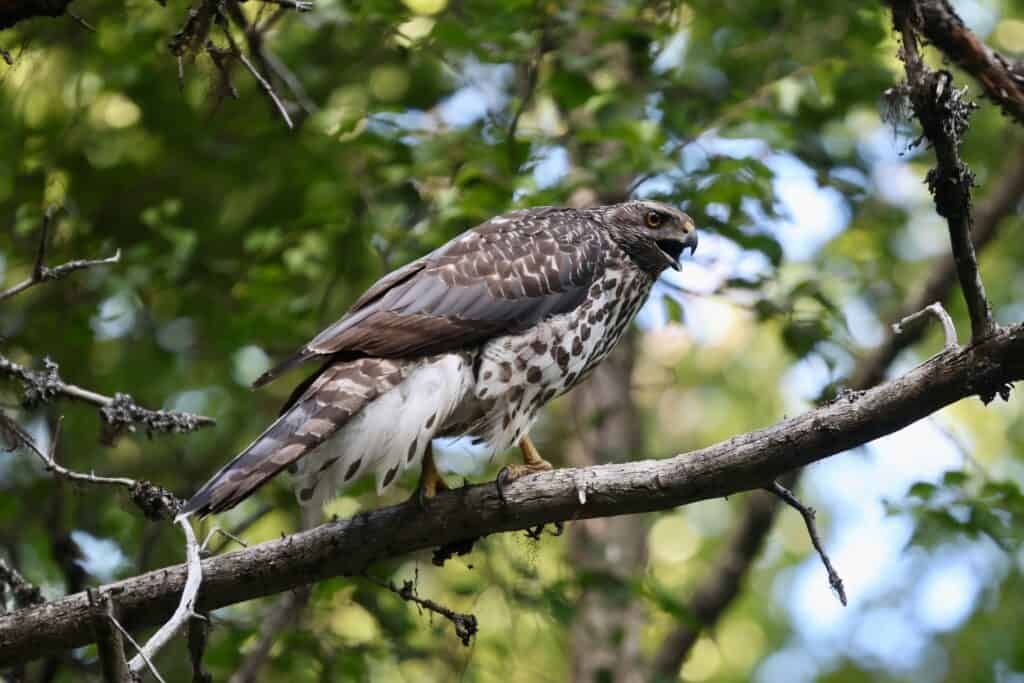
In Oregon and Idaho, the American goshawk responded negatively to fire, whereas in other parts of its range it responded positively. Credit: Cole Wolf

“Managing forests and fire and biodiversity can be like driving at night,” Stillman said. Streetlights—analogous to local field studies—offer pinpoints of light in the darkness, but they usually can’t illuminate the overall landscape.

The study’s results can help inform fire management strategies by showing broad-scale patterns beyond just pinpoints of light. “If managers have information about biodiversity responses to fire at their fingertips, it will be easier for them to incorporate wildlife science into decision making,” Stillman said.

Participatory science data can also help cash-strapped agencies balance slim budgets. “It takes time—and a whole big team—but projects like this can represent huge costs savings for agencies,” Stillman said.

This first paper was a proof-of-concept. Now Stillman’s team and U.S. Forest Service biologists are looking at fire responses for more than 100 additional species.

“How cool is it that the key that finally unlocked this new information source is data collected by passionate wildlifers and birders from around the world,” he said.
Mapping nature’s power lines

Animals play a critical role in shaping ecosystem function. Despite knowing this, scientists have struggled to precisely quantify how biodiversity changes impact ecosystem function at continental scales. A new approach using bioenergetics, a measurement of energy, offers a breakthrough. In a new study from sub-Saharan Africa, scientists used the food consumption and bioenergetics of birds and mammals to discover that the region’s food webs are now operating on less than two-thirds of the energy they once used. Across biomes, declines in ecosystem function translate into lost energy. For example, the loss of bird and primate diversity has decreased the energy in forested regions. The authors found that the roles of megafauna have collapsed outside protected areas. Unlike traditional biodiversity measures, an energetics approach also highlights the importance of smaller species and other keystone animals in maintaining ecosystem function. Using bioenergetics, managers can now quantify the amount of energy species consume and pass on, revealing which species are most crucial to protect or restore to maintain ecosystem functionality.

Read more in Nature.

Conservation is ‘neither optional nor ideological’

The U.S. Bureau of Land Management’s proposal to rescind its Conservation and Landscape Health Rule has sparked concern among conservationists and wildlife professionals who see it as a step backward for responsible land stewardship.

At stake is whether conservation will continue to be recognized as a legitimate use on par and intertwined with other uses of public land, including grazing, energy development, and recreation.

The administration’s rescission proposal incorrectly states that conservation is “no-use at the expense of multiple-use access.” TWS’ comments affirm that “This narrative has no grounding in law or science.” Conservation professionals who, among other things, restore degraded lands, control invasive species, and maintain the ecological functions that allow activities like grazing, recreation, and energy production on our public lands to continue. To categorize this work as “non-use” misrepresents our profession and the contributions of our members and is contrary to the BLM’s responsibility as the nation’s largest land manager.

TWS’s comments note a troubling rhetorical shift in the proposed rescission, portraying conservation professionals not as stewards of public trust resources, but as obstacles to access and use. In our comments, TWS argues that the proposal misrepresents conservation as a departure from the Bureau of Land Management’s (BLM) multiple-use mandate rather than a statutory duty under the Federal Land Policy and Management Act. It also warns that the rollback may diminish BLM’s ability to meet its legal obligation to prevent unnecessary degradation of public lands and their resources, including wildlife. TWS recommends that BLM:

1.  Withdraw the proposed recission

2.  Affirm conservation as a statutory obligation

3.  Reinforce science-based decision making

4.  Engage the community of conservation professionals

By removing the recession, reinforcing science-based decision making and engaging conservation professionals, BLM can strengthen its multiple-use mission and steward public trust resources sustainably for present and future generations.

Join fellow TWS members in supporting this year’s Giving Tuesday campaign. The funds from this year’s campaign will go to support securing a future where wildlife and the people who protect it can thrive through policy engagement.

Scientists now recognize close to 6,800 mammal species

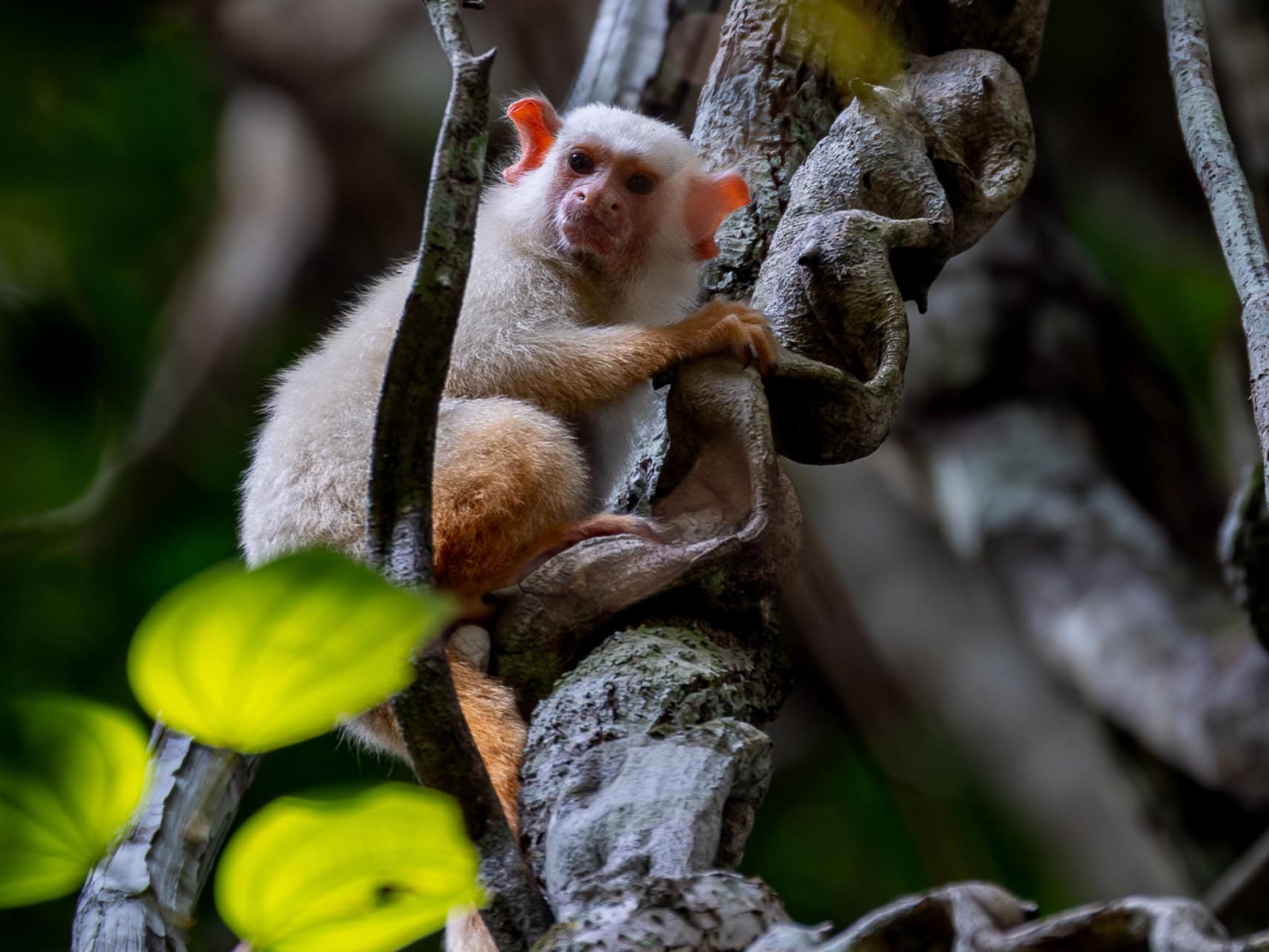
Scientists now recognize nearly 6,800 distinct mammal species worldwide. New species were added to nearly every major group of mammals from rodents to whales. Some 595 species of rodents, 410 species of bats, 161 species of primates and 166 species of shrews and moles were added to the American Society of Mammologists’ Mammal Diversity Database. Nathan Upham, a researcher at Arizona State University and lead author on the study, said in an interview with the university that knowledge of the world’s mammals is constantly changing. “Every week, new papers come out that change what we know about mammal diversity. Sometimes it is a brand-new species to science, and sometimes it is realizing that what we thought was one species is actually two or five,” Upham said. The researchers warned that around a quarter of known mammal species are considered “Data Deficient” or “Not Evaluated” by the International Union for Conservation of Nature, making it challenging to track or improve their conservation status. The researchers called for more resources and global collaboration towards the protection of newly identified species.

Read more at ASU News.  

Listen: Conservation trouble in paradise

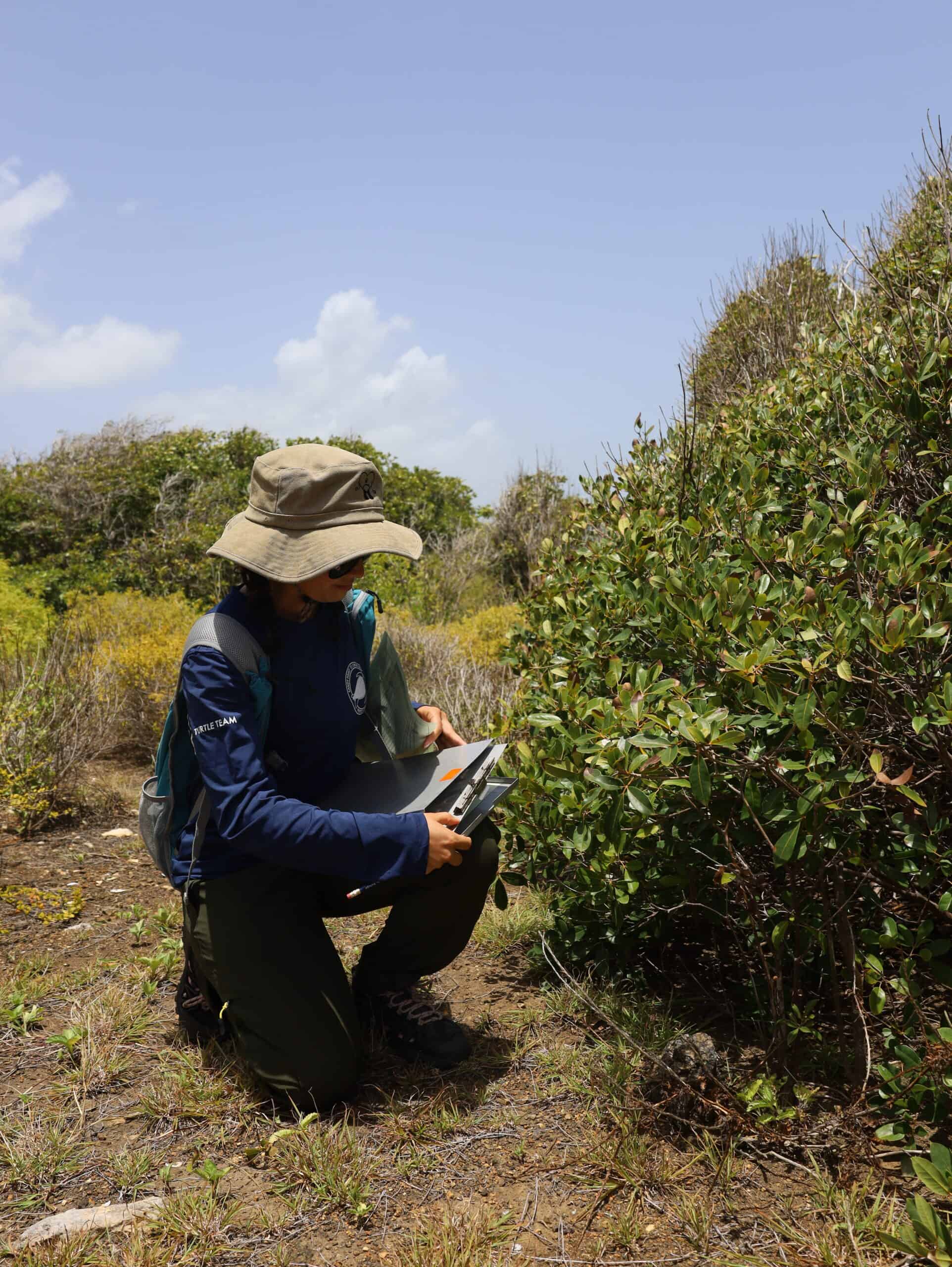
With pristine beaches, rolling hills and turquoise waters, the U.S. Virgin Islands is a picture of paradise. But their name and the beautiful landscape disguise the fact that some of the islands that make up the U.S. territory, like St. Croix, have experienced massive ecological change over the past few centuries. Invasive species like feral cats (Felis catus), small Indian mongoose (Urva auropunctata) and a number of introduced plants have driven many of St. Croix’s endemic species to extinction while others are barely hanging on. But some wildlife managers are working hard to turn back the destructive tide born from a legacy of colonialism.

The latest episode of “Our Wild Lives” opens a special new subseries called “Wild Work” that features on-the-ground reporting from The Wildlife Society’s news team. In this episode, associate editor Joshua Rapp Learn takes host Katie Perkins to St. Croix where he tracked an endangered lizard and explored habitat restoration programs.

Learn speaks with Nicole Angeli, director of the USVI Division of Fish and Wildlife; Jennifer Valiulis, executive director of the St. Croix Environmental Association; Olasee Davis, an assistant professor in the School of Agriculture at the University of the Virgin Islands; and Yaira Ortiz, an undergraduate student finishing her degree at the University of Miami who volunteers to survey endangered wildlife.

This episode features some of the field reporting Learn conducted to produce the feature article “Isolated and Imperiled: The Challenges of Conservation in an Offshore U.S. Territory,” in the November/December issue of The Wildlife Professional.

“Our Wild Lives” is The Wildlife Society’s weekly podcast, sharing compelling stories from wildlife professionals doing critical work around the world. Your hosts, Katie Perkins and Ed Arnett of The Wildlife Society, bring you thought-provoking conversations with leading experts and emerging voices.

New episodes are released weekly wherever you get your podcasts. Please email comms@wildlife.org with feedback or future episode suggestions.

Zoos may need to start fresh on giraffe programs

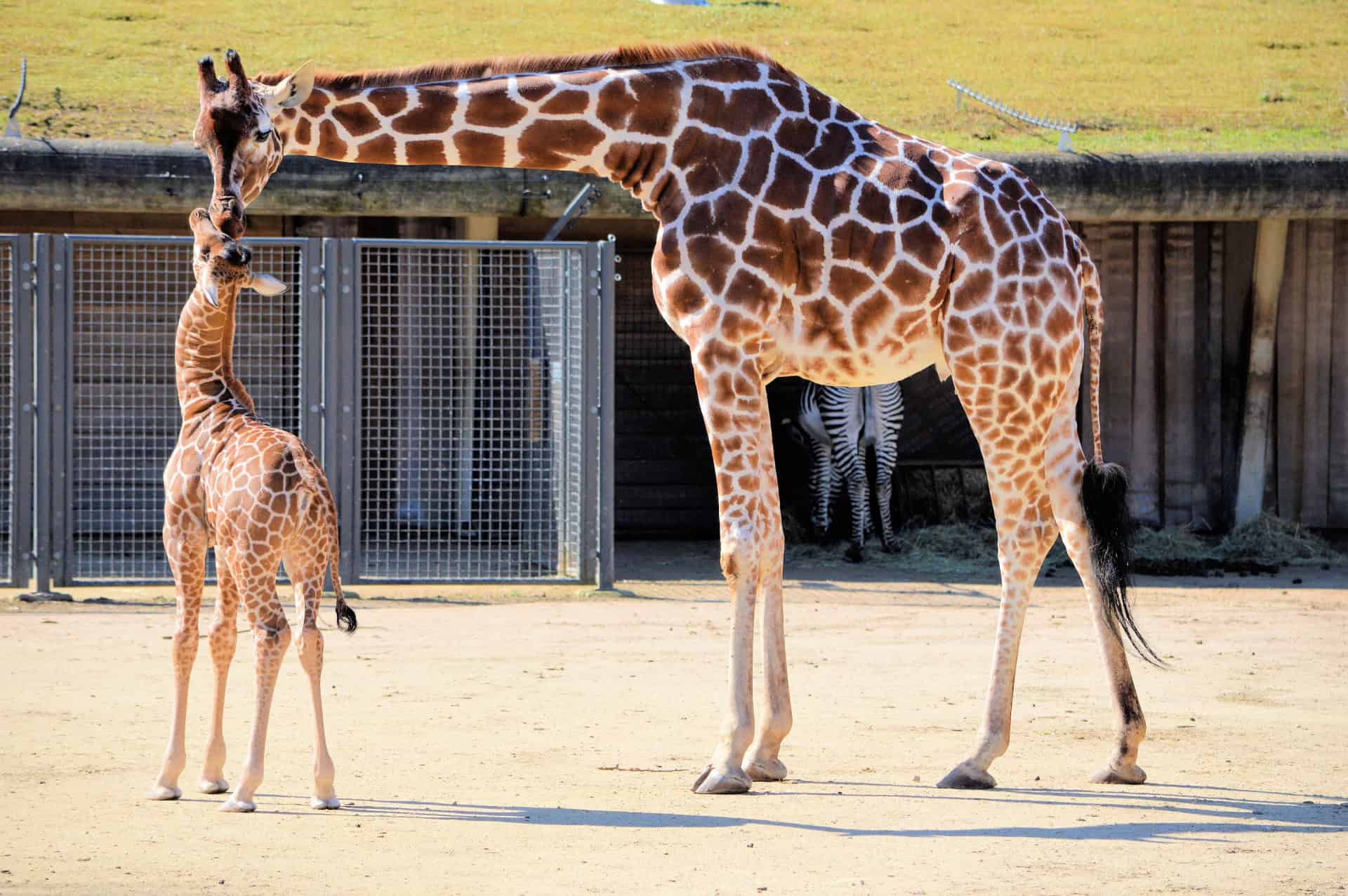
Giraffes in North American zoos are genetic hybrids—giving them little conservation value to wild populations. While giraffes used to be classified as a single species with multiple subspecies, new research shows that there are actually four distinct species of giraffes that rarely interact—though they can interbreed. With less than 100,000 individuals between the four species, all four were listed as vulnerable by the IUCN last year, with some populations classified as critically endangered. A recent study analyzing the genetics of 52 giraffes in North American zoos showed that only eight giraffes were about 90% genetically similar to a given giraffe species. The remaining zoo giraffes were genetic mixes of two or even three species. “Captive breeding programs in zoos would be better off restarting with fresh stocks from the wild, if they want to maintain assurance stocks for the purposes of conservation,” said senior study author Alfred Roca, researcher at the University of Illinois Urbana-Champaign, in an interview with the university. The study’s authors recommended phasing out hybridized giraffes in captive breeding programs and including genetics in conservation decisions to benefit giraffe populations in Africa.

Read more at ACES News at the University of Illinois Urbana-Champaign.

Help us build momentum on the Hill

Many of us have worked for decades to protect wildlife, restore habitats, and ensure that science remains central to decision-making. Through our dedication, we have made significant strides in wildlife conservation.

Since January 1, 2025, our profession has faced an onslaught of changes that make our dedicated work even harder.

Across the United States, our profession has watched programs lose critical funding. Colleagues are rethinking the trajectories of their careers and agencies struggle to do more with less. Federal pressures have weakened the programs that safeguard the natural resources we manage in the public trust.

The Wildlife Society stands firm in our belief that science-based, transparent wildlife management must be supported and sustained, not sidelined. We’ve heard from our community, who are feeling the strain and uncertainty. We know that the future of our field depends on our ability to make our voices heard where it matters most: on Capitol Hill. That’s what we intend to do.

This Giving Tuesday, TWS is launching a new public campaign to build momentum on the Hill and elevate the voices of wildlife professionals to ensure the value of wildlife conservation is fully understood.

With your support, we will

  • Meet with members of Congress to advocate for strong, well-funded, science-based management
  • Amplify the voices of our members through public engagement and storytelling
  • Reinforce that effective wildlife management requires stable investment, collaboration, and transparency

Wildlife professionals know better than anyone that conservation takes persistence, teamwork and long-term commitment. Policy work is no different. Every contribution, no matter the size, helps us take one more step toward restoring the resources and respect our profession deserves.

Join us

Dozens of sunken WWI ships are homes for wildlife

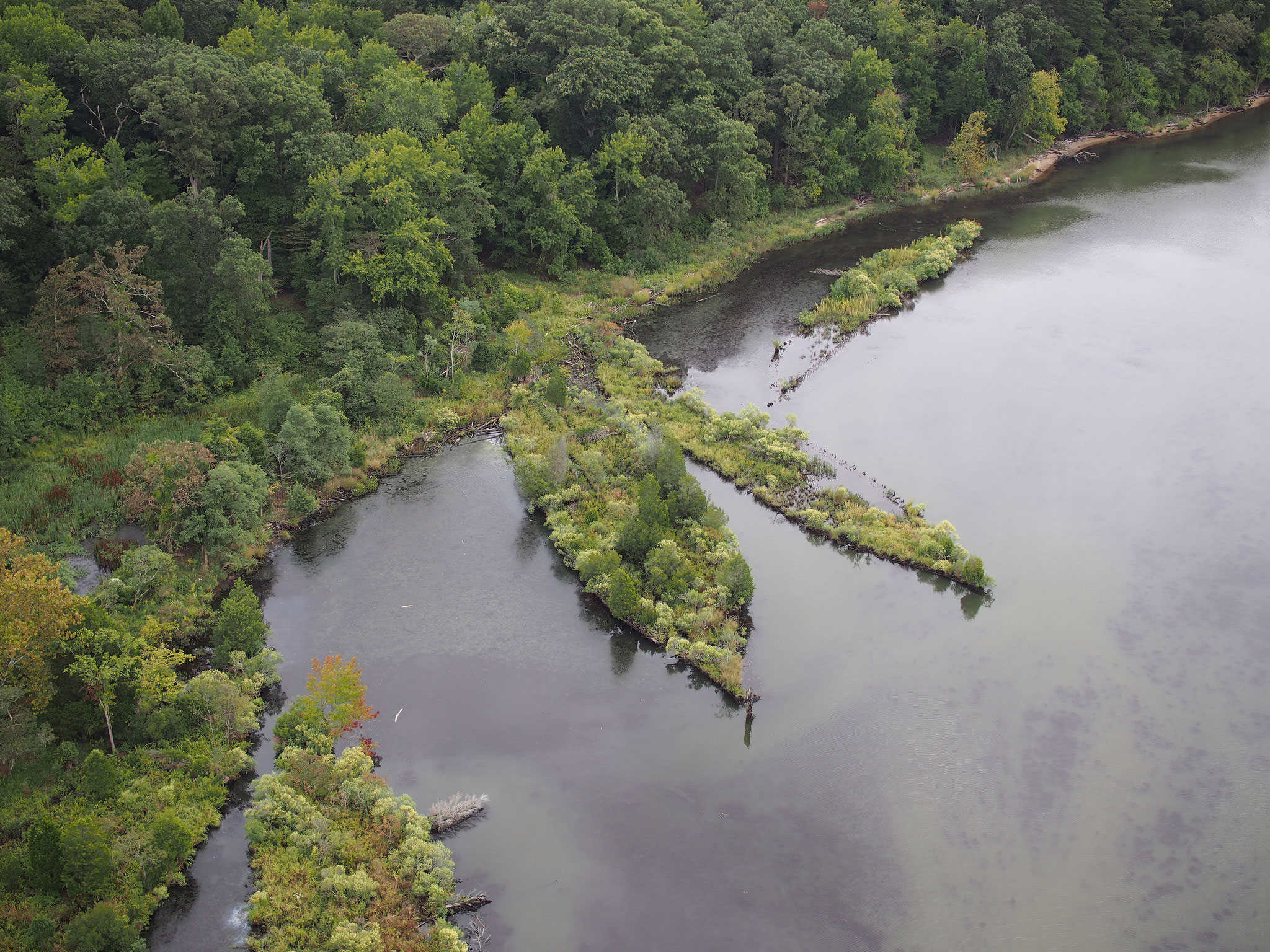
After World War I, dozens of wooden steamships were brought to Mallows Bay in the Potomac River so a local company could burn them and scavenge the remains for scrap metal. Over the next century, the skeletons of many of these ships have been partly swallowed by the local environment. A new paper mapping the Ghost Fleet was published in Scientific Data, showing that the ships have become a haven for local wildlife, including birds like osprey (Pandion haliaetus) as well as several marine species. “I’m sure that this was, in many ways, environmentally catastrophic when it first happened,” study coauthor and Duke University marine biologist David Johnston told Scientific American. “But life is so strong that it just takes that and makes it its own.” The ships are a part of the Mallows Bay-Potomac River National Marine Sanctuary, a protected ecological and historic site established in 2019 using data collected via drones by Jonston’s Marine Robotics and Remote Sensing Lab. As factors like sea level rise continue to threaten marine and coastal environments, Johnston said the new maps will help them understand how the biodiversity and ecosystem function of each ship occurs “in a rapidly changing world.”

Read more at Scientific American.

Follow the food to find the right whale

For years, conservation scientists have struggled to predict the locations of critically endangered North Atlantic right whales, often relying on models of environmental signals to estimate their movements.

But understanding where and why these whales travel is critically essential as interest groups and researchers work to reduce deadly entanglements with lobster gear and collisions with vessels —two of the leading causes of right whale deaths on the east coast of the United States.

Now, after years of uncertainty, scientists may have found a breakthrough by mapping the distribution of key zooplankton prey.

“This makes sense ecologically,” said Camille Ross, an associate research scientist at the New England Aquarium’s Anderson Cabot Center for Ocean Life. “Right whale distributions are likely prey-driven, so increased abundance of [certain zooplankton] in a region should theoretically lead to higher right whale density, assuming whales can detect those high-density prey patches.” 

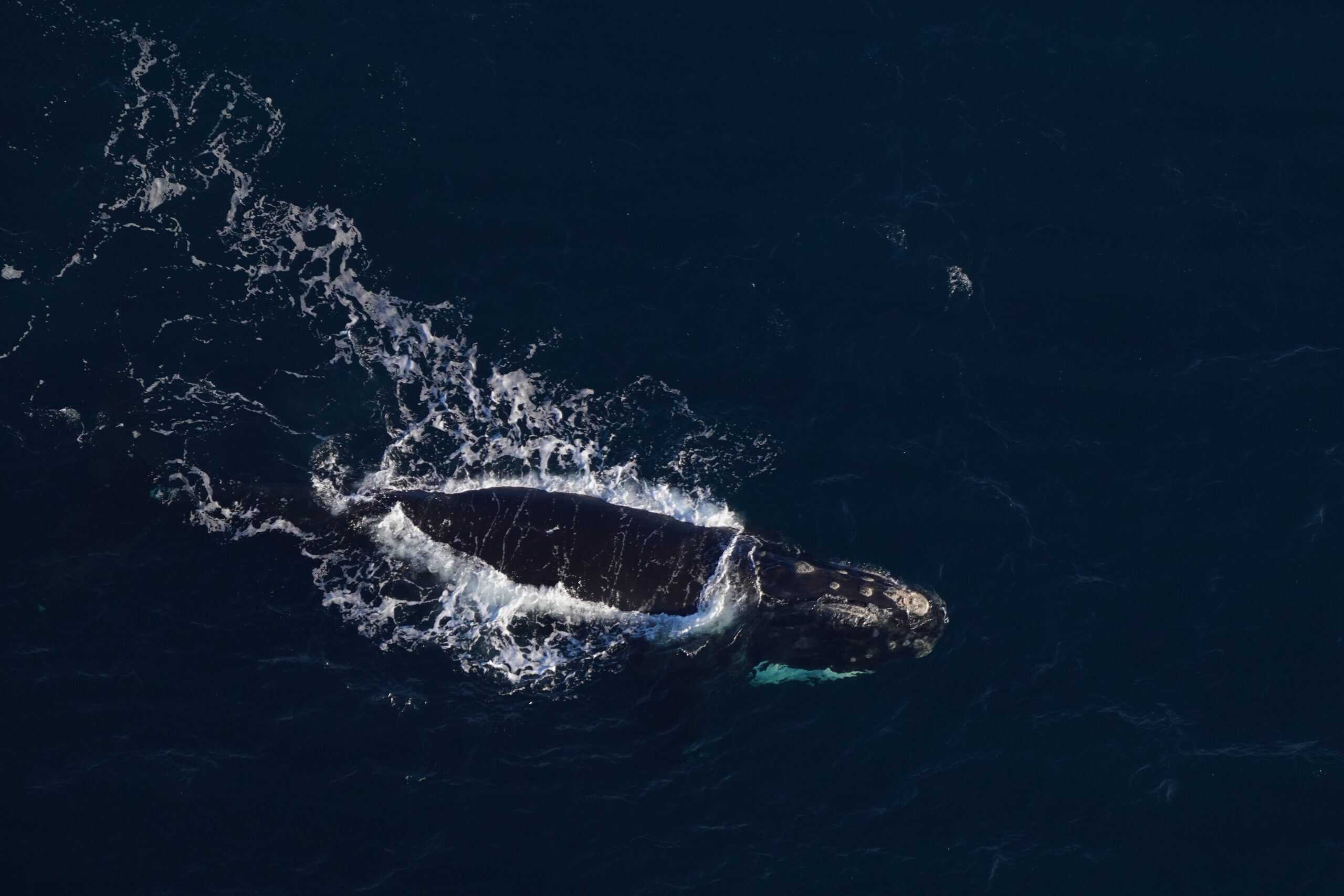
Historically, Cape Cod Bay and the Great South Channel have been crucial feeding grounds for whales, particularly in late winter and spring. In this image North Atlantic right whale a mother and her calf are foraging in the Gulf of Maine. Credit: New England Aquarium, taken under NMFS permit # 25739

Researchers are gaining a clearer picture of the whales’ movements, renewing hope in managing one of the United States’ most imperiled species.

ID by land and by sea

North Atlantic right whales (Eubalaena glacialis) were hunted to the brink of extinction in the 20th century by the whaling industry. Even though that ended decades ago, late maturity has delayed recovery. Contemporary recovery is also hampered by ship strikes and entanglement in fishing gear—prominent causes of whale death.  

To help facilitate recovery and mitigate human-caused death, researchers have monitored the species extensively from birth for decades. Pilots fly systematic track lines over known whale habitats, photographing and recording individuals from above, while research vessels collect additional sightings and environmental data from the water’s surface. Despite this work, gaps remain as researchers can’t be everywhere at once. Surveys cover limited areas and times of year. Spotting whales can be dependent on weather, equipment, and whale behavior.

In the past, researchers have relied on chlorophyll-a as a proxy for whale food to help predict where the species was likely to be. Chlorophyll-a is a green pigment used by tiny plant-like organisms called phytoplankton for photosynthesis. Researchers used the amount of the pigment detected by satellites to measure the amount of phytoplankton. Zooplankton, small oceanic organisms, eat phytoplankton. Previous models assumed that more phytoplankton would mean more zooplankton, which would then attract the whales.

A new perspective

After years of relying on broad environmental indicators like chlorophyll-a to estimate where endangered North Atlantic right whales might appear, researchers are now taking a more targeted approach that focuses on the ocean features that matter most to the whales themselves: the distribution of their prey.

Calanus finmarchicus is a species of copepod and a component of the zooplankton, small oceanic organisms, that the North Atlantic right whale feed upon. Credit: Cameron Thompson/ Northeastern Regional Association of Coastal Ocean Observing Systems

In a joint effort between the Anderson Cabot Center, the Bigelow Laboratory for Ocean Sciences and the University of Maine published in Endangered Species Research, Ross and her collaborators used statistical models to combine whale sightings with environmental variables and data on three zooplankton prey species: Calanus finmarchicus, Centropages typicus and species of the genus Pseudocalanus.

By incorporating these three species that the right whales eat, the models better predicted right whale movements than those that included chlorophyll-a more generally. In other words, by linking whale sightings directly to their prey, scientists can more accurately predict where the animals are likely to appear, in hopes of mitigating conflicts and understanding their movement in a changing ocean.

Looking to the future

Historically, Cape Cod Bay and the Great South Channel have been crucial feeding grounds for whales, particularly in late winter and spring. However, the timing and intensity of prey availability are shifting in response to climate change. “The timing of habitat use is just becoming less predictable than it was in the early 2000s,” said Ross. “That’s why models like this are so valuable; they help managers adjust as conditions change.”

While this study focuses on past and current patterns, researchers could expand future models to forecast whale distributions under climate change scenarios, thereby aiding in the management of North Atlantic right whales.

The invasive reach of social media

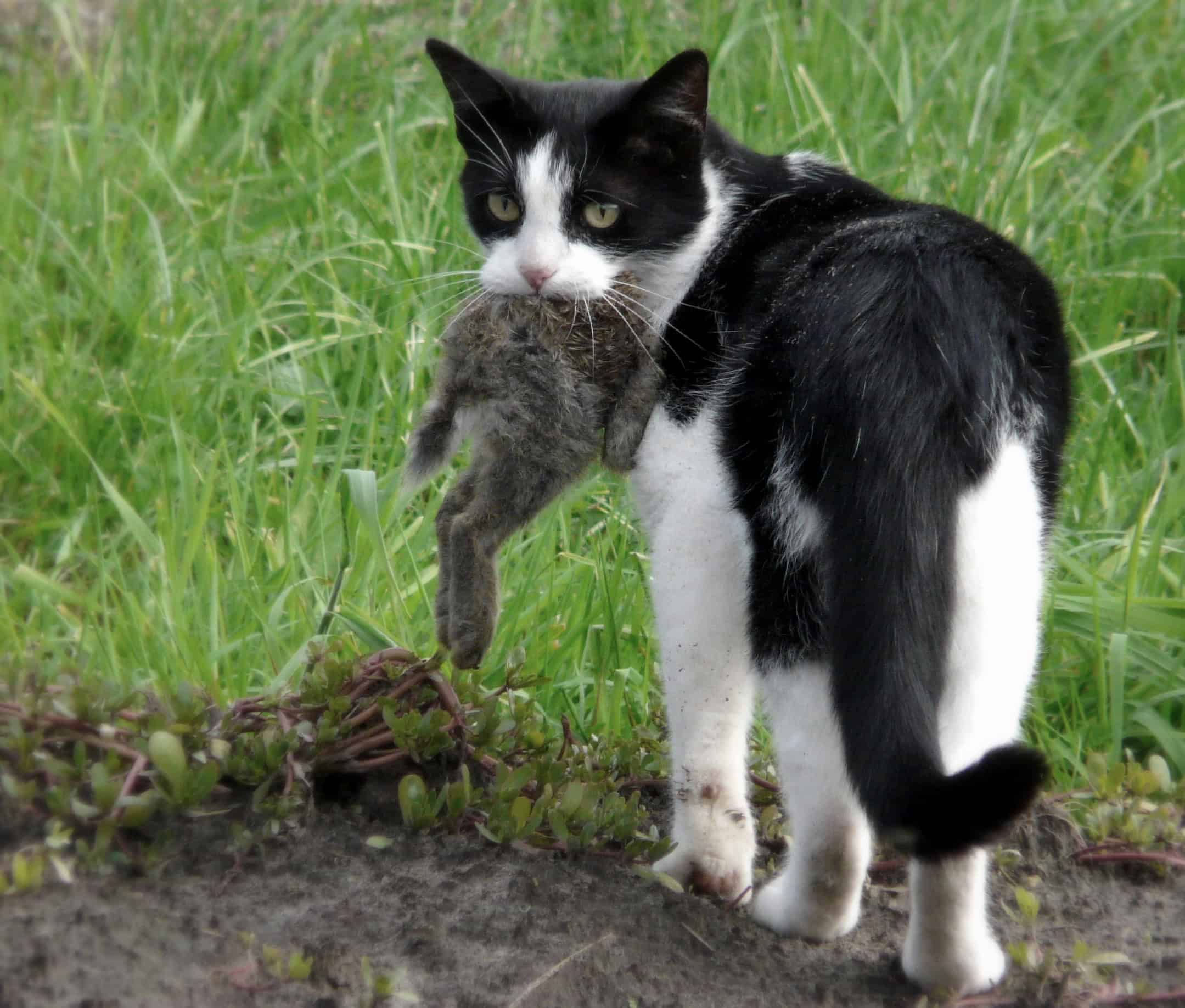
YouTube influencer Logan Paul’s viral Tweet on invasive lionfish removal turned the species into a global talking point on social media, demonstrating how celebrity influencers can direct public attention to ecological issues. Such virality is not a one-off event. Social media has become a powerful driver in shaping the public understanding of invasive species, but who is the driver, and what’s powering the engine? New research examining invasive species on social media revealed that just 1% of users created 60% of all retweeted invasive species content. Domestic cats (Felis catus) emerged as one of the most mentioned and highly contentious invasive species mentioned. Additionally, engagement spiked around particular locations. The Great Lakes and Florida were specifically trendy, highlighting how public concern can be geographically focused. Understanding user-generated content and engagement provides a continuous stream of information that can serve as “human sensors” for public understanding of wildlife management more broadly. Prominent contributors’ attention can be directed to specific species or events raising awareness, sparking debate and even influencing conservation priorities, underscoring the growing intersection of ecology, media and public perception.

Read more in Ecology and Society.