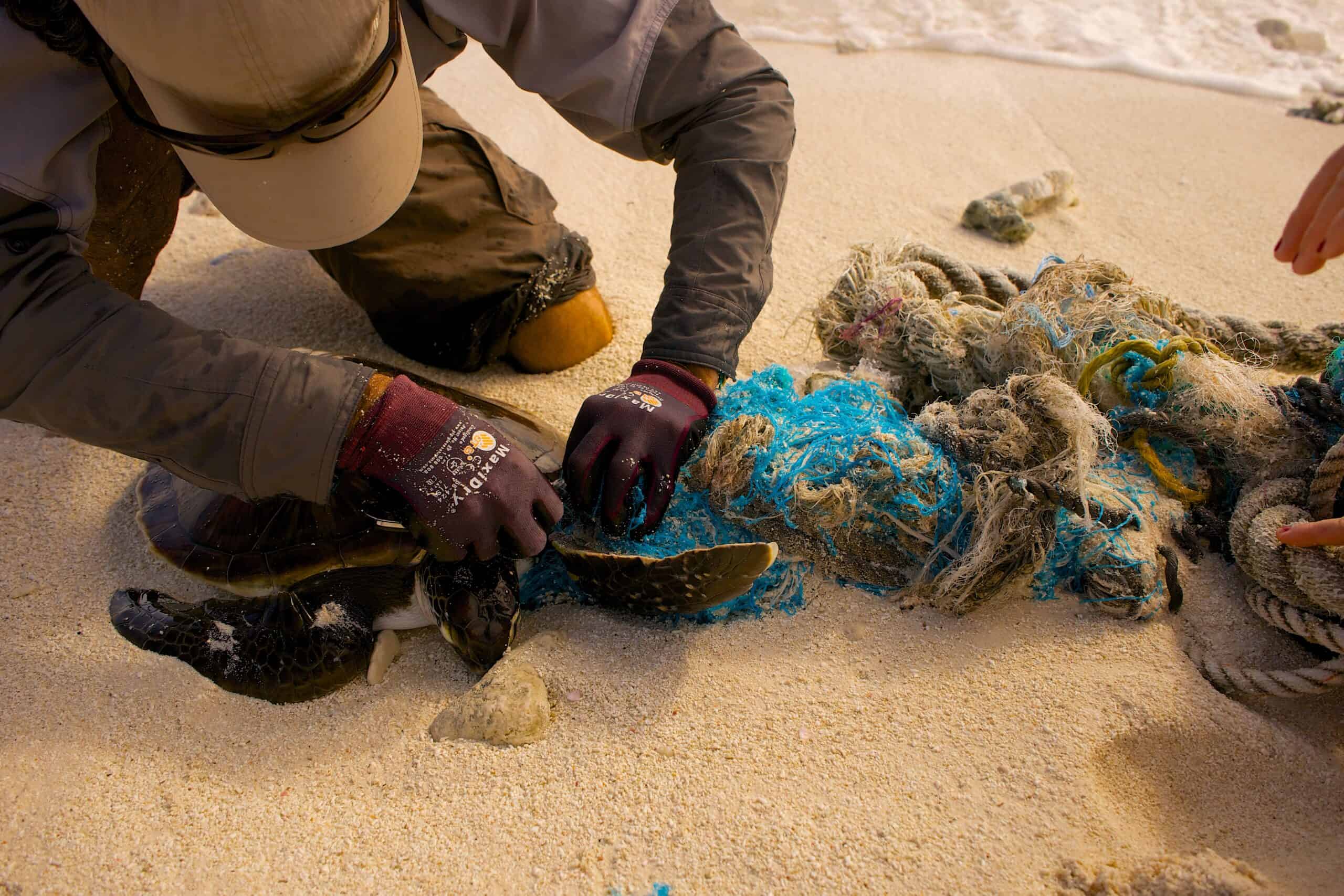
Each night, a constellation of glowing nets drifts through the dark seas, illuminated by glow sticks and LED lights in a growing effort to prevent sea turtles from being caught in coastal driftnet fisheries. However, the effort comes with waste. LED lights require replaceable batteries, and glow sticks only last 24 hours. Conservationists have raised concerns over the sustainability of the practice as well as the rising costs fishers face with this single-use method, as dead batteries and burned-out plastic glow sticks pile up with every trip to sea. Responding to the concerns, a team of researchers designed a solar-powered buoy light that integrates directly into standard fishing gear, harnessing sunlight during the day and then flashing through the night. When tested at sea, the solar-powered flashing nets cut sea turtle bycatch by 63% without significantly impacting the fishers’ haul. The flashing solar lights performed the same as, and sometimes better than, the other light-based methods tested over the past decade. This innovation offers a potential win-win, reducing the impact on sea turtles while providing fishers with a practical, low-waste alternative.
The Journal of Wildlife Management is a benefit of membership in The Wildlife Society. Published eight times annually, it is one of the world’s leading scientific journals covering wildlife science, management and conservation, focusing on aspects of wildlife that can assist management and conservation.
Join today for access to The Journal of Wildlife Management and all the other great benefits of TWS membership.
In the featured article for this issue, researchers addressed how to better integrate the population and behavior of hunters with the population and behavior of waterfowl with a new modeling framework.
A special section of the issue features studies adopted from the now Journal of Fish and Wildlife Management, published until recently by the U.S. Fish and Wildlife Service. The Journal of Wildlife Management is publishing “orphaned” articles that were somewhere in the process of publication at the Journal of Fish and Wildlife Management. The latter journal ceased publication due to budget cuts by the U.S. Department of the Interior.
Articles in this issue include piscicide use in fish, lead exposure in waterfowl, long-term monitoring of Indiana bats in Kentucky and the conservation genetics of imperiled map turtle species.
Heli-skiing in the backcountry of south-central British Columbia may be driving down numbers of southern mountain caribou already facing a growing litany of existential threats from their last remote sanctuaries.
“More than half of the herds have been extirpated in recent years,” and mostly in the southern end of the range, said TWS member Michael Noonan, an assistant professor at the University of British Columbia Okanagan.
But new research reveals that much of prime heli-skiing territory doesn’t overlap with the winter habitat of southern mountain caribou (Rangifer tarandus caribou), pointing to a potential pathway to reduce pressure that skiers inadvertently cause.
Southern mountain caribou have declined precipitously in recent decades throughout their range, which includes much of the southern two-thirds of British Columbia and the Alberta Rocky Mountains. There are various reasons for this drop, but the main problem relates to forestry practices that have opened up territory for white-tailed deer (Odocoileus virginianus) and moose (Alces alces). An influx of these ungulates in areas that were formerly old-growth forest has led to an increase in predators like gray wolves (Canis lupus), which also incidentally prey on caribou. The loss of old-growth forest has also led to a decline in lichen forage. Southern mountain caribou have been listed as endangered under Canada’s federal Species at Risk Act since 2002.
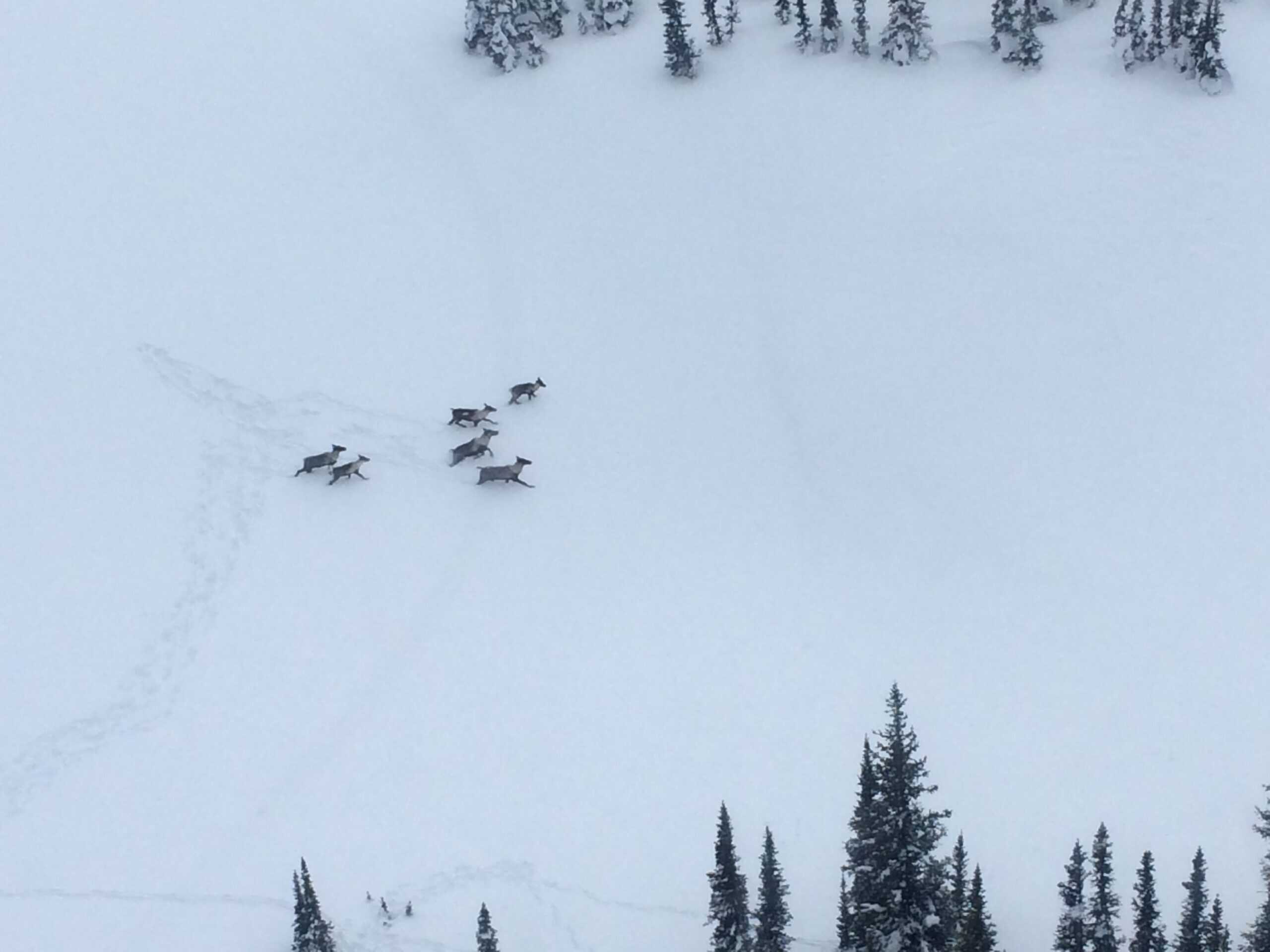
Southern mountain caribou are considered endangered in Canada. Credit: Cory Legebokow
Backcountry problems
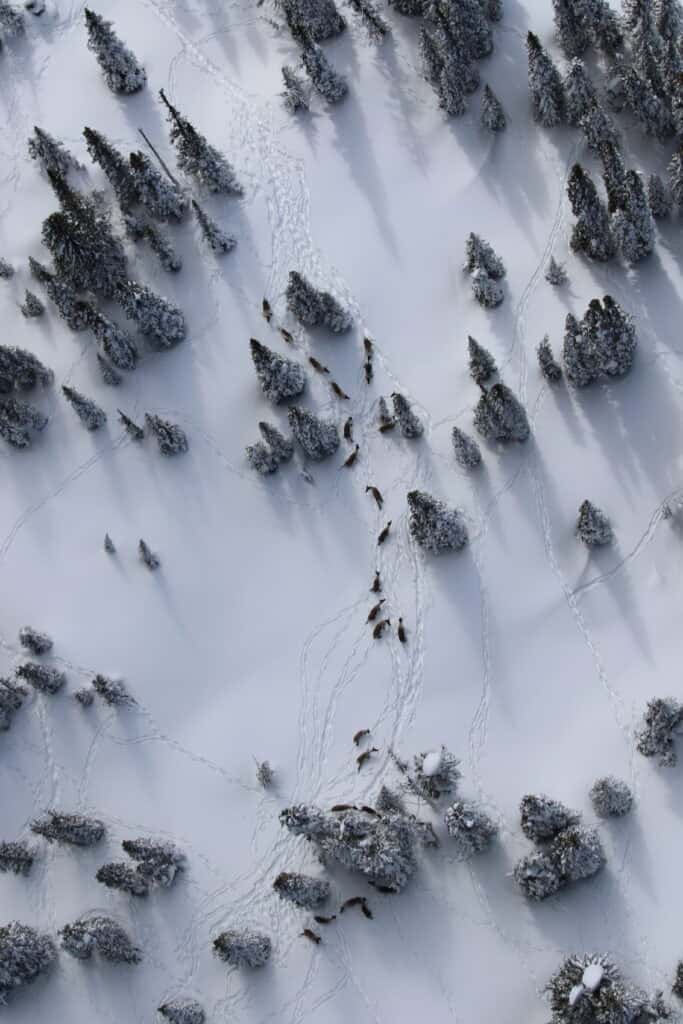
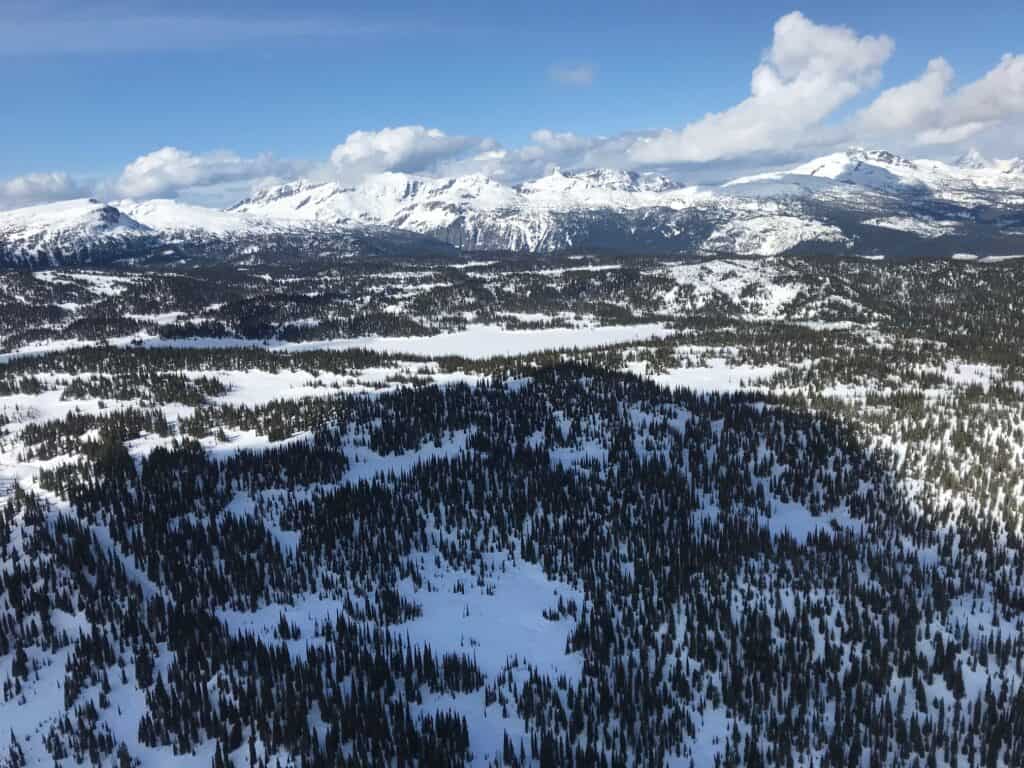
Meanwhile, in interior British Columbia, heli-skiing operations occur within a vast area of public land, about 40,000 square kilometers of which overlaps closely with caribou habitat. Caribou in the Monashee and Selkirk mountain ranges have declined at a faster rate than populations farther north. But caribou migrate to higher elevation areas, which have deeper snow, during the winter to get away from the competition from other ungulates and the predators they attract. “Those are just the type of habitats that make for great skiing,” Noonan said.
Noonan and his colleague Ryan Gill, an independent wildlife consultant, wanted to see what effect backcountry heli-skiing was having on caribou. A master’s student had conducted unpublished thesis work in 2007 showing that caribou living in areas with more heli-skiing and snowmobiling had higher stress levels than those in areas without. But little research had been done since then, and the heli-skiing industry often argued that their activities had little effect on caribou, despite concern from the provincial government. “They’ve been at loggerheads on this issue for decades,” Gill said.
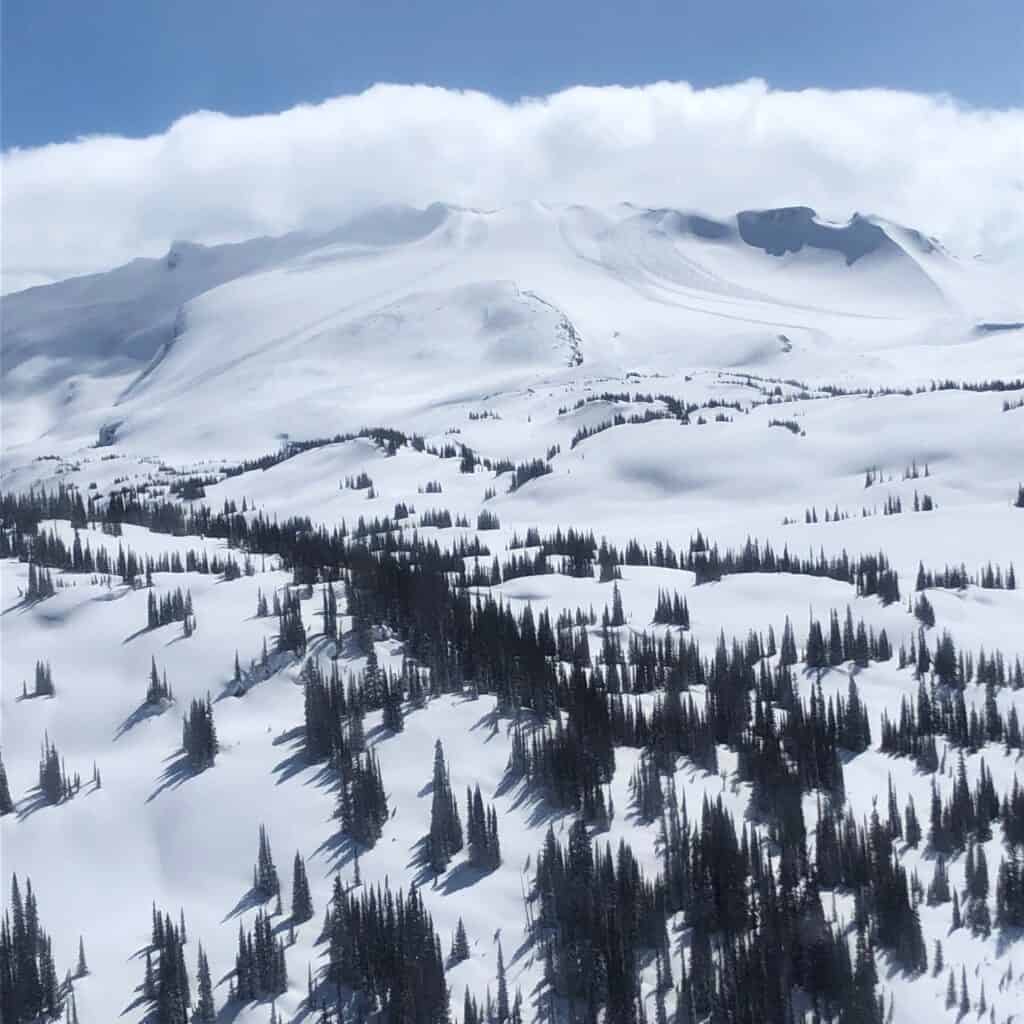
High elevation, late winter habitat in the Kirbyville Creek area in British Columbia is highly suitable for southern mountain caribou in the late winter and late summer. Heli-skiing tracks are visible on the peak in the background. Credit: Aaron Reid
Researchers had been monitoring GPS-collared southern mountain caribou for years throughout the Columbia and Rocky mountains. Then, in the winter of 2020-2021, quarantine restrictions during the COVID-19 pandemic suddenly stopped skiing in the area.
Caribou and the anthropause
In a study published in 2023 in Animal Conservation, Noonan, Gill and their colleagues looked at four winters starting in 2018-2019 and finishing in 2021-2022, encompassing the time before, during and after the quarantine. “COVID provided us an opportunity to see what was happening when humans were removed from the landscape while everything else was held constant,” Gill said.
They found that southern mountain caribou responded to the lack of recreationists in the interior of British Columbia. “We saw caribou home ranges were much bigger—almost twice as big during the period where skiers were absent,” Gill said. But when the helicopters and skiers returned in the winter of 2021-2022, the caribou range contracted to pre-pandemic levels once again.
But the researchers still couldn’t tell directly where those effects were occurring. In a study published recently in the Journal of Wildlife Management, Gill, Noonan and their colleagues overlaid GPS tracking collar data of caribou with information they pulled from Strava, a phone- or watch-based fitness tracking application. Strava uploads the location data taken from publicly available accounts onto an anonymous heat map that shows user activity. Heli-skiing involves helicopter drop-offs to remote mountain peaks in the backcountry for skiers who pay top dollar in search of “champagne powder” and fresh tracks. “These [areas] are so remote that there’s no way that it was someone going for a jog in the winter—we’re pretty confident these were skiers,” Gill said.
The team modeled the presence of skiers and compared it to caribou presence. They identified about 400 square kilometers of conflict area often used by both caribou and skiers. This was out of 3,116 square kilometers of area they identified as suitable for heli-skiing.
“Only a small percentage of the total area is a high-conflict area,” Gill said.
Flatter areas that are high elevation like this is suitable for caribou and also sought after by snowmobilers but less suitable for skiers. Credit: Ryan Gill
This is good news, as it presents plenty of opportunity for skiers to use the backcountry area with less effect on caribou. However, it’s difficult to know how amenable the industry will be to taking these findings into consideration—Noonan said he and his team know nothing about the logistics of the industry in terms of optimal ski areas, helicopter staging locations or backcountry lodging. But there are more than 20 operators in the area, each of which has different practices.
But these two studies have opened more dialogue about possible measures to prevent unnecessary interactions between skiers and caribou. “It’s started to move the needle, I think, on this issue,” Noonan said.
While recreation like skiing definitely has a much lesser effect than logging and predator infusion, Gill said that the only southern mountain caribou herds that are stable are due to wildlife managers taking as many measures as they can to boost numbers. This includes habitat restoration, maternity pens, supplemental feeding, predator control and moose suppression.
In order for the population to improve in the heli-skiing areas, Gill said it’s important to consider all activities affecting caribou, including recreation.
This article features research that was published in a TWS peer-reviewed journal. Individual online access to all TWS journal articles is a benefit of membership. Join TWS now to read the latest in wildlife research.
Whether biologist or park ranger, ecologist or conservationists, most wildlife professionals are driven by passion for their work and the natural world. While this passion is most often expressed in sweaty field clothing or late nights in the laboratory, a love for conservation can also inspire music.
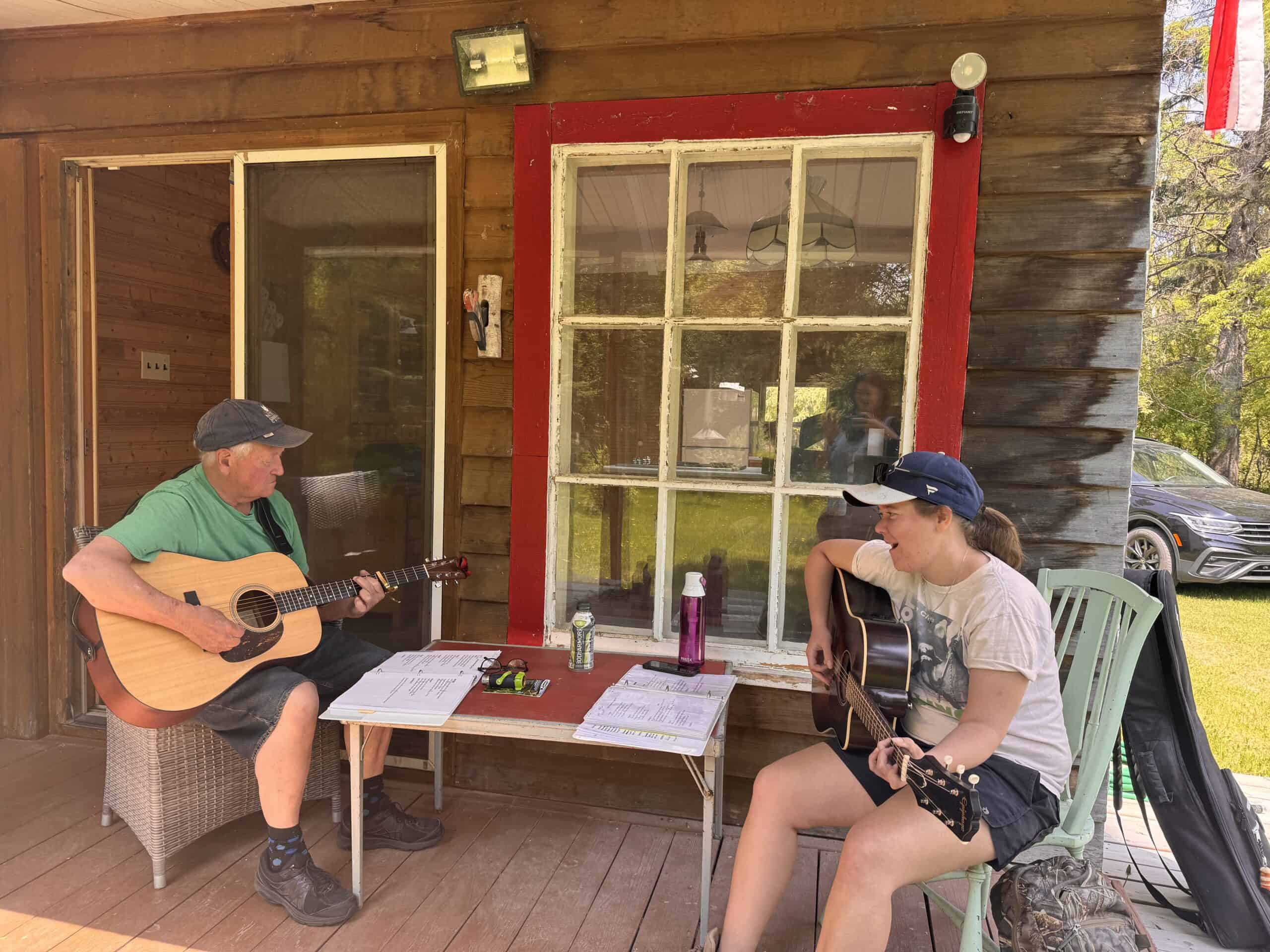
This episode brings together members of The Wildlife Society, Emily Thoroski, and Merlin Shoesmith, to show how science and art can collide.
Emily shares how she works with children in her school workshops to co-write songs about nature. Merlin brings a lifetime of wildlife experience, including an incredible story about facing over a dozen grizzlies in Yellowstone. Together, they explore the balance between the scientist’s need to explain everything and the songwriter’s goal to say just enough.
Their song “The Eyes of the Wolf,” reimagines Aldo Leopold’s famous insight about predators and ecological balance, turning a key conservation lesson into music.
“Our Wild Lives” is The Wildlife Society’s weekly podcast, sharing compelling stories from wildlife professionals doing critical work around the world. Your hosts, Katie Perkins and Ed Arnett, of The Wildlife Society, bring you thought-provoking conversations with leading experts and emerging voices.
New episodes are released weekly wherever you get your podcasts. Please email comms@wildlife.org with feedback or future episode suggestions.
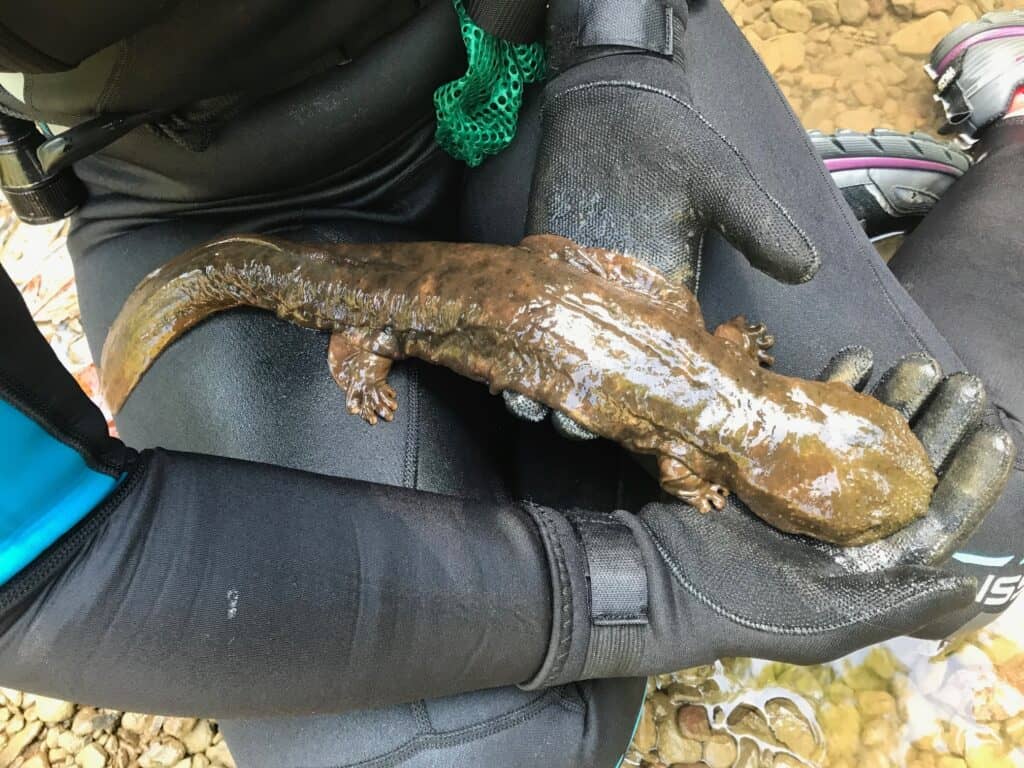
Hellbenders in Kentucky have likely disappeared from more than half of the streams they previously lived in.
A new environmental DNA (eDNA) study tested new and historic sites for Eastern hellbenders (Cryptobranchus alleganiensis). Researchers found only 44% of streams with past records of hellbenders currently have hellbender eDNA.
“It’s loss of habitat, through and through,” said TWS member Sarah Tomke, a postdoctoral researcher in disease ecology at the University of Pennsylvania School of Veterinary Medicine and lead author on the study. “The rivers have changed, and the quality isn’t what it used to be.”
Out of the 90 sites sampled, the team only detected hellbender eDNA at 22 of them. “I was really hoping for more,” Tomke said.
Searching for the snot otter
Historically, the hellbender range covered most of Kentucky. But waterways have changed a lot in the past several decades, with silt covering the bottom of many streams. Runoff and sedimentation from mining, development and agriculture fill up the nooks and crannies in the rocks that the salamanders rely on to hide and lay their eggs. “It touches every single life stage,” Tomke said.
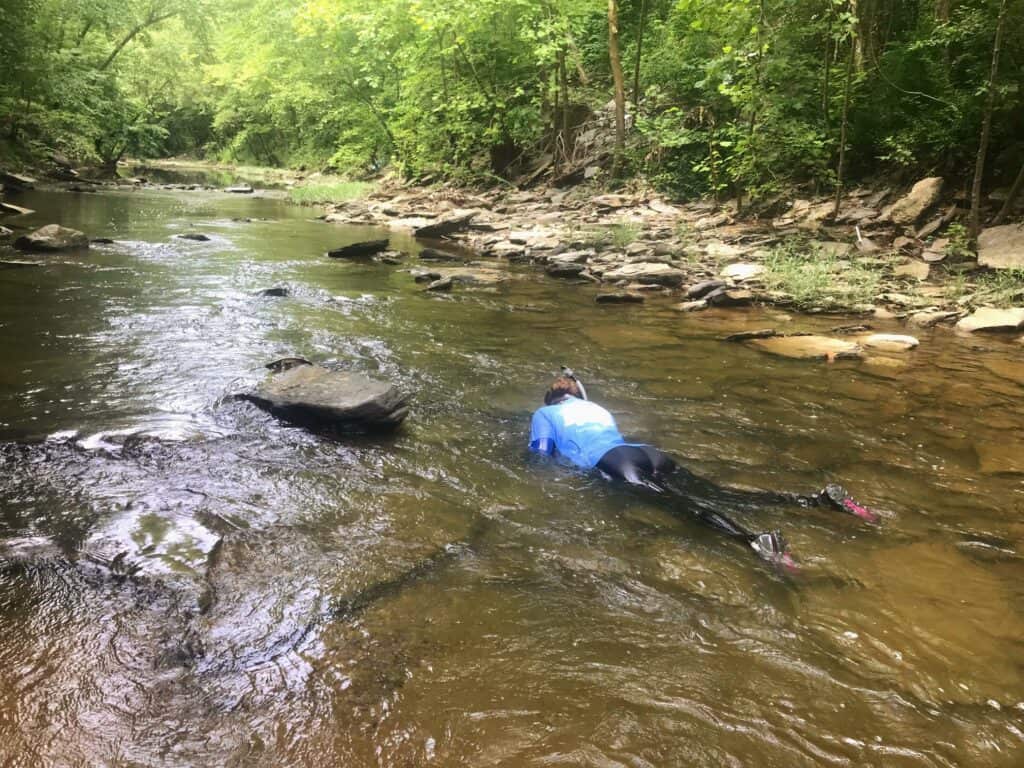
Hellbender snorkel surveys are labor intensive and slow going. Credit: Sarah Tomke
Courtney Hayes, a wildlife biologist at KDFWR, said the lack of knowledge is due in part to their cryptic nature. “Sightings are so rare that the species requires a lot of time and effort to study,” she said. Traditional surveys include snorkeling in shallow montane streams, peering under rocks for the animals. Sometimes crews of five or six people must lift up huge boulders in their search, which can be disruptive to the streambed.
But eDNA is much easier, and faster. For a study published recently in Freshwater Biology, Tomke and her advisor Steven Price with the University of Kentucky Department of Forestry and Natural Resources sampled 90 sites, including 27 with historical sightings. They found only 22 sites with hellbender eDNA.
Tomke then used occupancy modeling to analyze what factors influenced hellbender presence. She found that stream substrate was most important, and that hellbenders were more likely to be in streambeds made of gravel or cobble with big, chunky rocks or bedrock. “You’ll find then under enormous rock slabs the size of the hood of a car,” she said. The females find a mate who has a large den under a rock. They lay their eggs and take off. The male—known as a denmaster—will guard them until hatching. They can live up to 25 years in the wild and even more in captivity. “They can spend their entire life under that one rock.”
Tomke sampled three times throughout the year to determine which environmental factors affected detection. She found the fall was the worst time to sample for eDNA as an excess of organic matter interfered with the molecular analysis of the water samples, making the eDNA more difficult to detect. But salamanders are a lot more active during the breeding season in late August and early September, which leads to more genetic material in the water. Tomke found that was the best time for eDNA detection.
Hellbenders, which can grow up to 29 inches long, are the largest salamanders in the Americas. Credit: Sarah Tomke
Making sense of declines
Because most of the sites were in good-looking streams in the Appalachians, Tomke expected to see more positive results. But it was clear that the declining quality of Kentucky’s streams is having an effect on hellbenders.
Tomke said that stream habitat restoration is our best attempt to preserve hellbenders in the state. “Our stream quality has drastically declined across the country—this isn’t just a Kentucky problem,” Tomke said. Indeed, research in Virginia has shown that upstream tree cover was the major factor in determining whether male denmasters cannibalized their eggs before hatching downstream—possibly because tree cover improved the water chemistry and decreased silt levels.
Eastern hellbenders are currently up for listing under the Endangered Species Act in all of the 15 states where they’re found. The Ozark subspecies (C. a. bishopi) was listed as federally endangered in 2011.
While Hayes said KDFWR still doesn’t have a great grasp on the current range of hellbenders in Kentucky, she said that the results of the study made the team more hopeful that hellbenders still persist across the state, despite declines. After the study, KDFWR successfully captured hellbenders at one stream where Tomke had detected eDNA, just at a different location along the stream. They also trapped hellbenders at another eDNA positive site that had historical records of the species.
While they haven’t found any new populations using eDNA so far, Hayes said this is partly due to the fact that they use eDNA in combination with historical records to create sampling strategies that prioritize areas where the likelihood of finding hellbenders is high. “For example, streams with a historical record and positive eDNA results will be higher priority for further surveys than a stream with a historical record and negative eDNA results,” Hayes said.
Sarah Tomke takes a photograph of an Eastern hellbender in a Kentucky stream. Credit: Steven Price
Hays said that KDFWR doesn’t currently consider positive eDNA results as confirmation of hellbender presence, but rather a tool for creating more targeted, cost-effective snorkeling and live trapping sampling strategies. “We are hoping to continue following Sarah’s methodology of eDNA collection and analysis as we locate areas that appear to have good habitat for hellbenders but we have not been able to confirm their presence or absence yet,” Hayes said.
While still present in many streams, hellbenders are long living. But there is only one known actively reproducing population of hellbenders in the state, which is “really scary,” Tomke says. Besides of the environmental implications of losing any species, Tomke doesn’t want to see the hellbenders completely disappear for another reason: “Hellbenders have been essentially unchanged for millions of years,” she said. “To me, they are these ancient creatures that I don’t want to go away.”
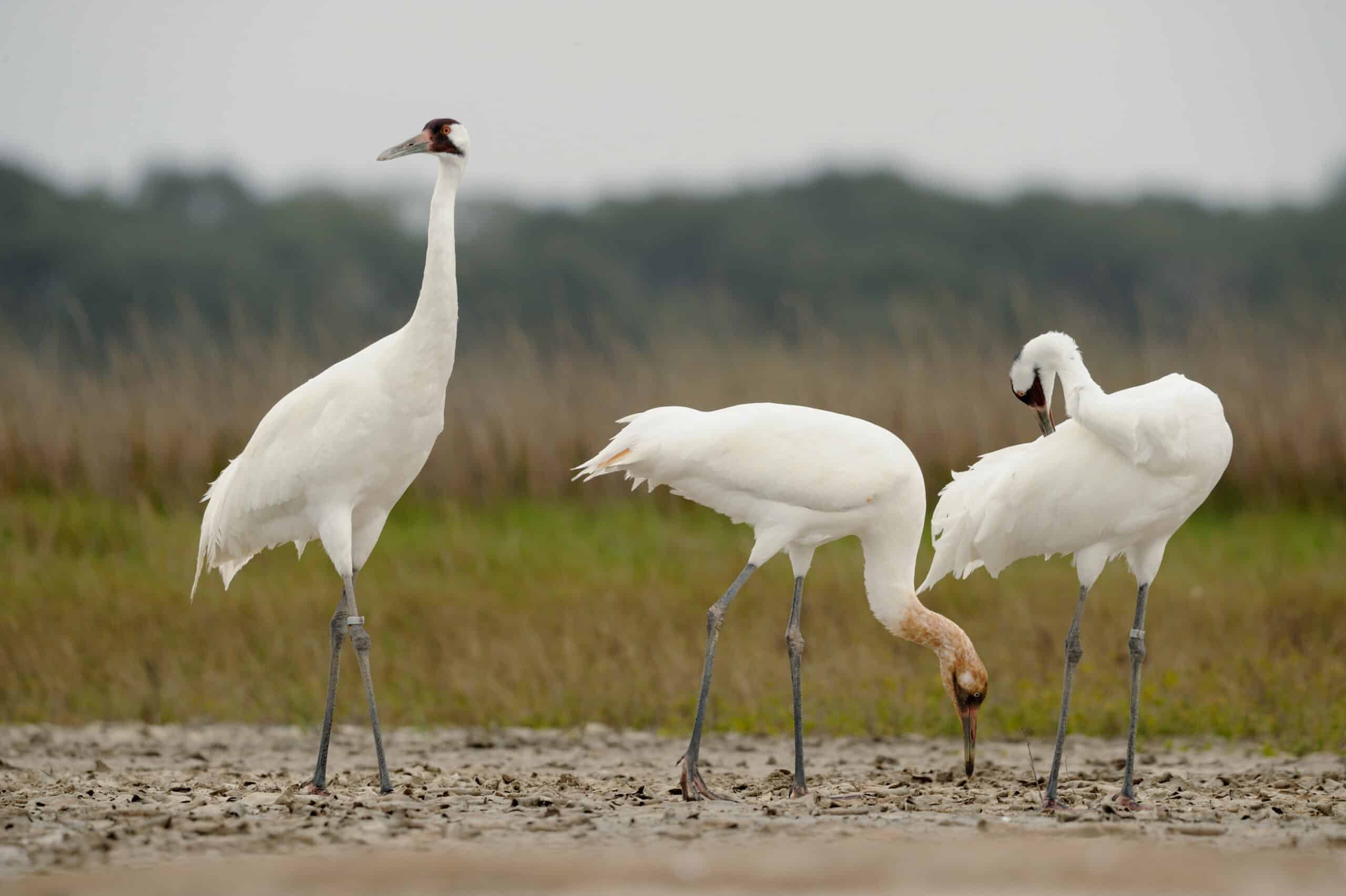
A whooping crane has died of avian influenza. The International Crane Foundation announced that the female crane, which was slated to be released this fall in Wisconsin, died after becoming infected with highly pathogenic avian influenza (HPAI). After being nearly driven to extinction from overhunting, the wildlife professionals brought the species back through captive breeding and reintroduction. “Each whooping crane is invaluable—not only to our organization, but to the survival of the entire species,” said Kim Boardman, the curator of the International Crane Foundation. The now-deceased crane originally hatched this spring and was one of eight cranes slated for release in the Horicon National Wildlife Refuge in Wisconsin. While the avian flu killed several thousand sandhill cranes (Grus canadensis) in Indiana earlier this year, this is the first known case of whooping crane (Grus americana) mortality from avian flu. Many wild birds carry the HPAI virus in their feces without showing symptoms, which is how the bird was likely exposed to the virus.
The Wildlife Professional is an exclusive benefit of membership in The Wildlife Society. Published six times annually, the magazine presents timely research news and analysis of trends in the wildlife profession.
Don’t miss another issue! Join today to start receiving The Wildlife Professional in your mailbox and all the other great benefits of TWS membership.
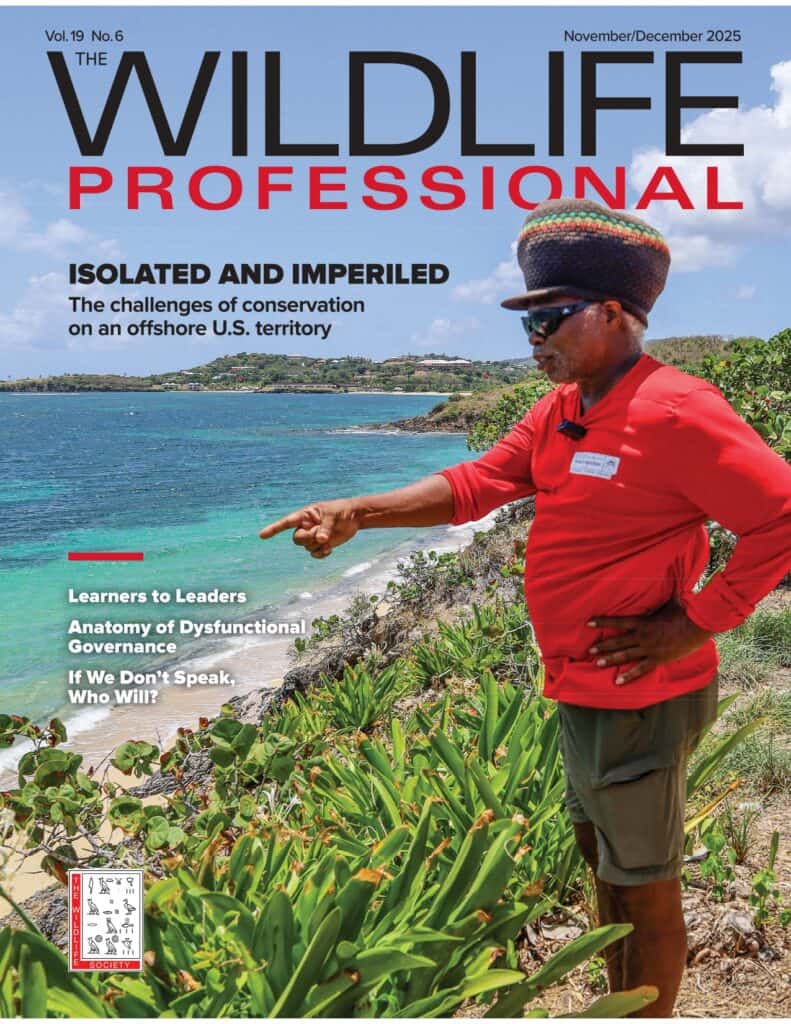
Fourteen U.S. island territories each have their own unique makeup of wildlife species as well as challenges that are heightened on islands like invasive species, vulnerability to natural disasters and funding. In the November/December issue of The Wildlife Professional, our cover story takes us to the U.S. Virgin Islands, which are about 40 miles from Puerto Rico. TWS Associate Editor Joshua Rapp Learn traveled there for his story, and he takes us through instances where conservation seems impossible to places where conservationists are making a difference.
Also in this issue are articles on The Wildlife Society’s Leadership Institute, the need for a cultural and political shift for a field safer from sexual harassment, university waterfowl programs and much more.
Watch for the issue in your mailbox, or log in and check it out online.
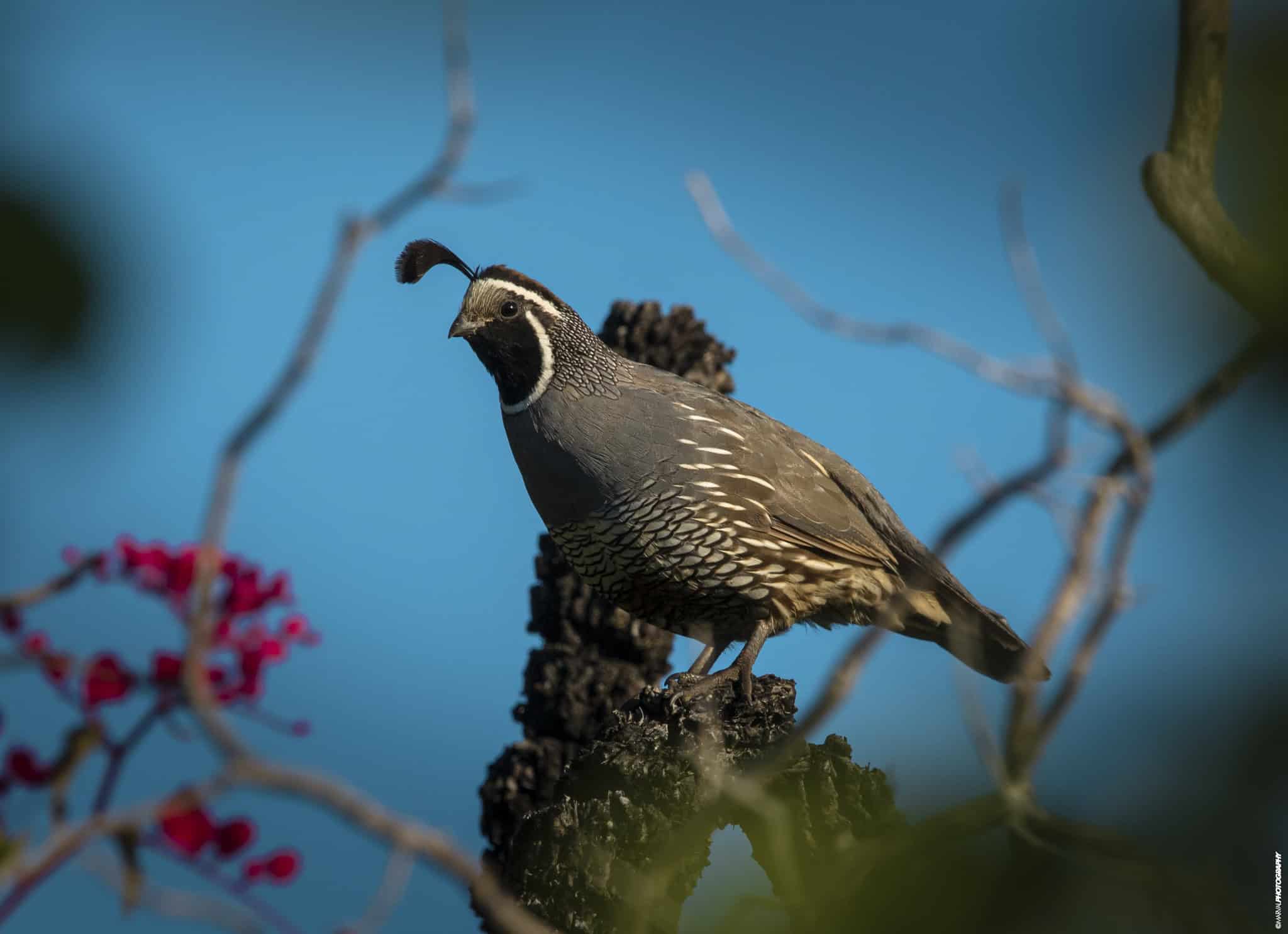
The National Quail Symposium is now accepting manuscripts for its 2027 meeting. The accepted papers will be published in Wildlife Society Bulletin, The Wildlife Society’s open-access peer-reviewed journal.
This comes months after a similar move incorporating past and future proceedings of the National Wild Turkey Federation Symposium into WSB.
James Martin, a professor of wildlife at the University of Georgia, is hopeful that the open-access structure will give more researchers access to the proceedings, which they can use in their work. “Cost is a major barrier for many practitioners,” he said.
The National Quail Symposium is the premier gathering for quail researchers, managers and conservationists across North America. Every five years, this event brings together leaders in science and management to share discoveries, discuss challenges, and shape the future of quail conservation.
The 10th national quail symposium will take place October 4-8, 2027, at Utah State University in Logan.
“We want to encourage early career scientists and all those working on quail species in North America, South America, and Central America to submit their papers,” Martin said.
Major themes of next year’s symposium include large-scale decision-making, reconnecting with upland bird hunters, and working lands approaches to quail conservation. Workshops, student poster sessions and three-minute thesis competitions will highlight student contributions.
The proceedings will be peer-reviewed and published in the Wildlife Society Bulletin. As it is an open access journal, author page charges apply.
Additional information can be found in the call for papers. Authors must submit manuscripts by July 31, 2026, via the Wildlife Society BulletinResearch Exchange portal.
William Kay, Chris Sutherland and Tiago Marques have won The Wildlife Professional’s best contributed article of 2024 for their story on the crucial role of statistics training for wildlife students.
The authors published the article, “Training Statistics-Savvy Ecologists: A Call to Action for Improved Statistical Education in Ecology,” in the November/December 2024 issue.
The award highlights the value contributing authors bring to the magazine and TWS members each year.
William Kay is a lecturer in statistics at the School of Biosciences at Cardiff University in the U.K. Coauthors Chris Sutherland and Tiago Marques are researchers at the University of St. Andrews in the U.K. Marques is also an invited professor at the Universidade de Lisboa, Portugal.
Kay said that the inspiration for the article grew out of many informal conversations among coauthors and colleagues reflecting on their own experiences both as learners and as educators. “Our goal was to reenergize the international conversation around statistical training in ecology,” Kay said, “and ultimately translate that dialogue into tangible improvements in how statistical skills are taught and supported.”
The Wildlife Professional’s editorial advisory board selected the article for its clear, concise look at the complexities of teaching statistical methods and the anxieties students experience while using them. “By employing an accessible and engaging writing style, the authors were able to both describe the challenges many in our field face while offering solutions and opportunities for collaboration within the profession,” said Samara Trusso, the chair of magazine’s editorial advisory board.
Kay and his collaborators are “absolutely thrilled” to win the award. “It reinforces that this is a conversation worth continuing and that the community values efforts to strengthen statistical training in ecology,” Kay said. “The award inspires us to keep championing this cause and to work toward ensuring that all wildlife and ecology practitioners feel confident and capable in using statistics effectively.”
Polar bears have a voracious appetite—but they still leave so many scraps that they provide food to nearly a dozen other species in the harsh Arctic ecosystem.
“They kill a lot, feed once and leave a lot out for others,” said TWS member Holly Gamblin, a doctoral candidate at the University of Manitoba.
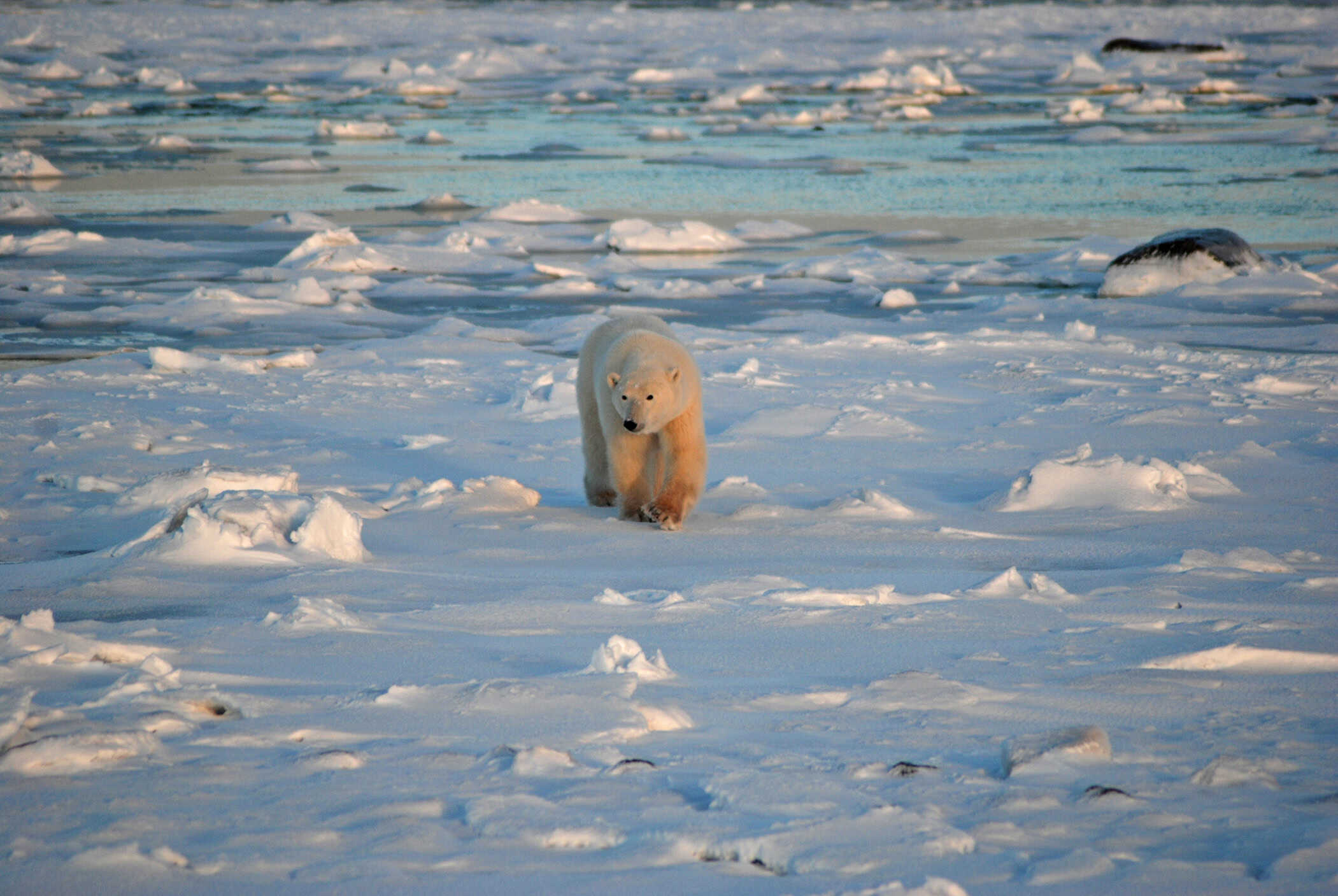
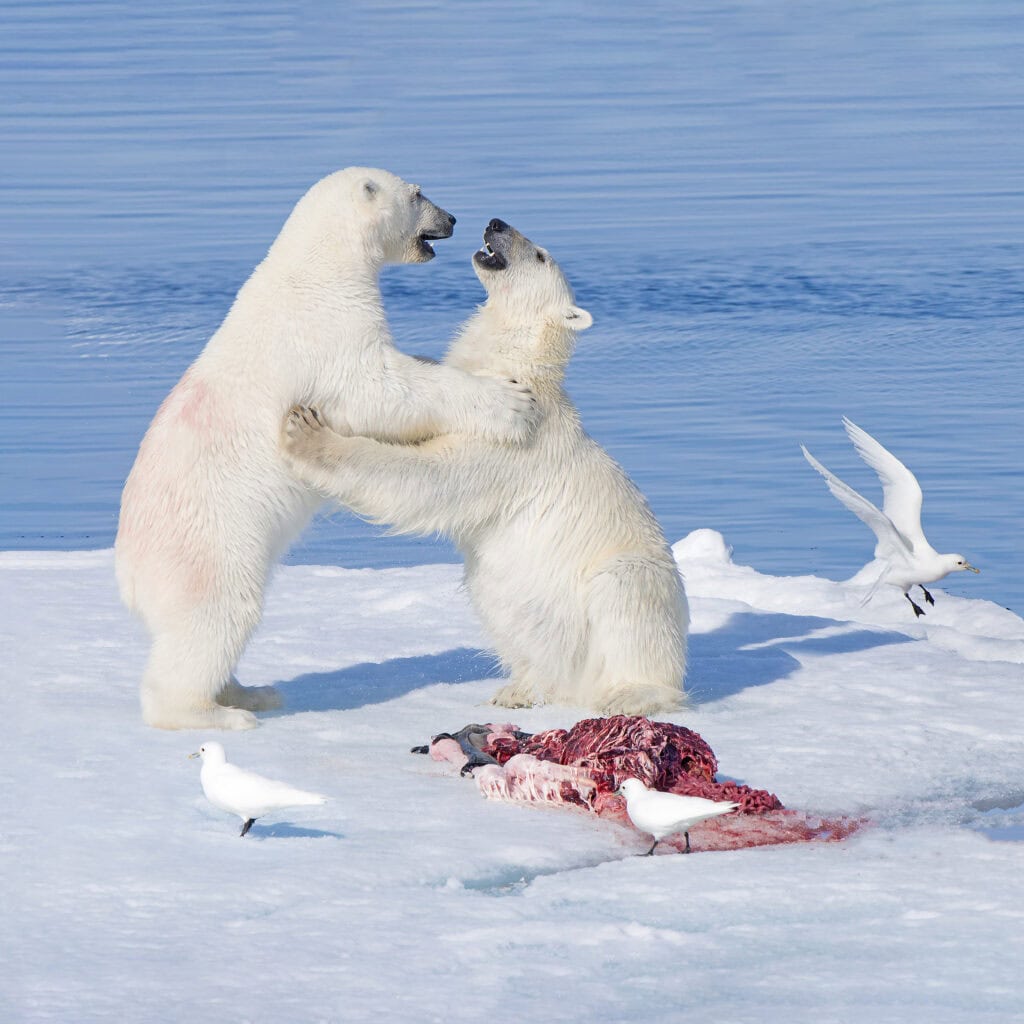
Polar bears (Ursus maritimus) hunt along the Arctic sea ice for energy-dense meals like ringed seals (Pusa hispida). They want the most bang for their buck, so they typically strip off layers of fat and blubber and leave the rest behind. Even though they don’t cache it for later, the leftover carrion doesn’t go to waste. At least 11 species of animals, including arctic foxes (Vulpes lagopus), gulls and even juvenile polar bears, will scavenge the remains.
In warmer climates, bacteria, microbes and other decomposers make quick work of carcasses. But ambient Arctic temperatures are nature’s meat cooler, which keeps the remains from degrading for weeks or even months. Once the sea ice melts, anything left over gets returned to the ocean. “There are multiple phases where the carcasses from polar bears provide resources to other animals,” Gamblin said.
Gamblin presented some new and ongoing research at the 2025 Annual TWS Conference in Edmonton, Alberta, highlighting the important yet understudied role of polar bears as marine carrion providers.
Counting the scraps
In a review recently published in the journal Oikos, Gamblin and her coauthors estimated exactly how much carrion polar bears are leaving behind.
They started by multiplying the average size of a ringed seal—the representative animal they chose for the study—by the average number of polar bear kills per year. They subtracted what would be typically consumed by the polar bear and the weight of the animal’s skeleton, leaving just what energy resources would be available to the scavenger. They then estimated that 30% of the seal’s biomass would be left over. Based on these calculations, the team estimated that polar bears around the world leave at least seven million kilograms of carrion resources for other animals. This amounts to about 39 million megajoules of energy available for scavengers.
Polar bears tussle near a carcass while ivory gulls (Pagophila eburnea) wait their turn. Credit: Wayne Lynch
While this number is large, Gamblin said it’s a conservative estimate. Because they’re the primary prey of polar bears, the model only took into account ringed seals. But in reality, polar bears kill much larger animals like bearded seals (Erignathus barbatus) and beluga whales (Delphinapterus leucas).
There’s not much else they know about which species rely on the carrion, or when. There have been no systematic studies of scavenging on the sea ice—only opportunistic observations during other Arctic expeditions.
Gamblin has launched a new phase of the project to understand what factors influence carcass use. She has two experimental sites: one in the low Arctic in Churchill, Manitoba, and one in the high Arctic in Pond Inlet, Nunavut.
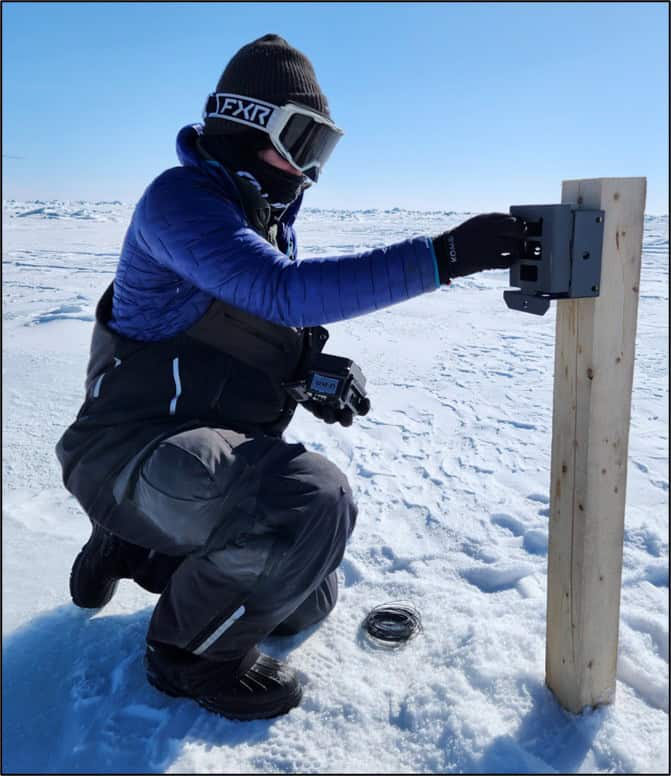
In those areas, Gamblin works closely with a local Churchill hunter who harvests ringed seals. She takes these carcasses to stage simulated kill sites. She then monitors the carcasses with camera traps to determine which animals scavenge and when.
At the conference, Gamblin presented a preliminary analysis of the first two years of experiments. So far, she’s seen plenty of arctic foxes, gulls and ravens. She’s also seen grizzly bears and “plenty of mom and cub activity” scavenging on the seal carcasses.
Holly Gamblin sets a camera trap on the sea ice. Courtesy of Holly Gamblin
Gamblin is also interested in several variables that she thinks might affect the use of carcass sites, including distance to shore, year and season. So far, she’s found eight species at each study area, with more species diversity closer to the shoreline. She thinks that terrestrial species are less likely to venture far onto the sea ice.
There are also several complicating factors, including time of year. Polar bear hunting strategies are seasonal—in the spring, they bulk up while the sea ice is strong and suitable for hunting. They eat constantly in this time to rebuild fat reserves, leaving more carcasses out on the ice. Some of their prey are migratory and only sometimes in the area, like beluga whales. Carcass scavengers, like gulls, can also be seasonal.
In this ecosystem, stable, landfast sea ice—or ice that is anchored to the shore—is an important platform for terrestrial scavengers. And now, the Arctic is warming at four times greater than other areas, causing sea ice loss in a way that will impact not just polar bears but also the species who rely on their kills for food. “When we lose sea ice, we’re going to be losing not just polar bears, but essential scavenging resources and marine subsidies,” Gamblin said.