Newcomers Day introduces diverse students to wildlife field

Lauren Reeves knew she loved the fish tank in her parents’ house, but attending the TWS Annual Conference in Albuquerque, New Mexico made her think about fish in a different way. Maybe, she realized, she could turn her love for fish — and other animals — into a career as a wildlife biologist.

“It definitely made me consider a career in wildlife more,” said Reeves, a freshman biology major at the University of New Mexico. “Before I didn’t know what I was going to do. I just knew that I wanted to work with animals.”

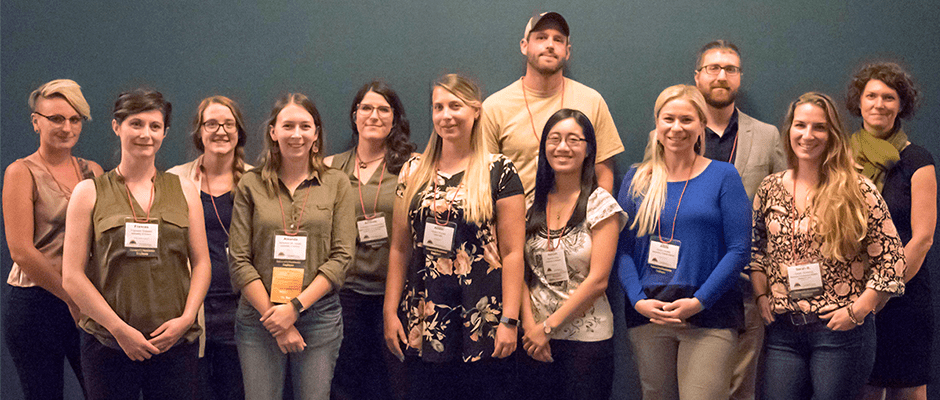
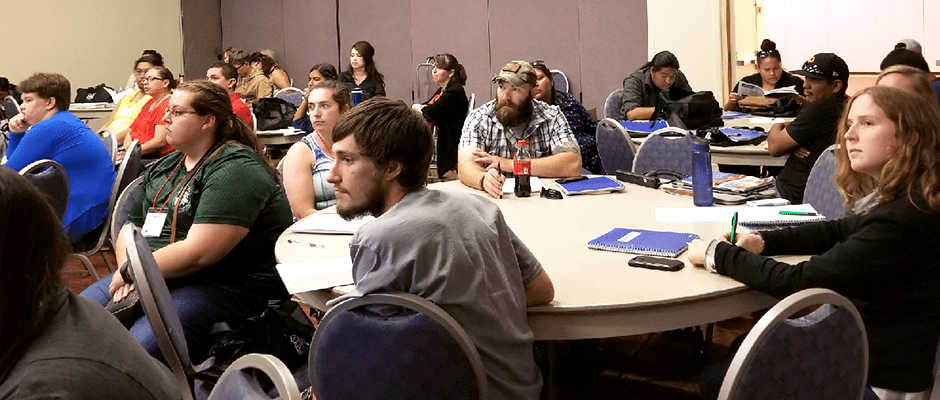
Reeves was one of 33 students who attended the conference as part of Newcomers Day, a program intended to bring students from minority-serving institutions to help get them interested in wildlife careers.

“These smaller schools were completely getting left out of the picture,” said Doan-Crider, an adjunct professor at Texas A&M University’s department of ecosystem science and management and the recipient of the 2015 TWS Diversity Award.

Doan-Crider is director of Animo Partnership in Natural Resources, a nonprofit that focuses on increasing diversity in natural resources fields. When she first proposed the idea of Newcomers Day, she was also thinking about fish — or about fish ladders.

To get fish up a river, they need to follow the steps along the way. When she looked at how to get more minorities into wildlife and other natural resources careers, she found a long list of “disconnects” from the university level on up that stood in the way.

There was no lack of interest, she found. In the Southwest, many of the schools that serve large numbers of minorities — particularly tribal colleges and schools with large Hispanic student bodies — are located in areas with easy access to natural resources. Ever since the Standing Rock pipeline controversy, she said, interest in these issues on tribal lands has been especially strong.

“There’s just been an upsurge of interest from young people who want to be able to manage their own resources,” she said. “They want to have an impact in their own communities.”

But many of these minority-serving institutions are smaller, with smaller budgets, Doan-Crider said. Their biology departments aren’t geared toward natural resource careers and they lack the sort of activities that could introduce students to wildlife, range, forestry and fisheries jobs.

In a collaborative effort with St. Edward’s University in Austin, Texas and the U.S. Forest Service, Doan-Crider and her team came up with the idea of a Newcomers Day — one day at the national conferences of natural resources professional organizations, when students from nearby minority-serving institutions could attend for a reduced rate and be introduced to the profession.

The Wildlife Society’s Annual Conference in Albuquerque, New Mexico last month hosted the first Newcomers Day, welcoming students from nearby colleges with a one-day pass for $100. Funding to help offset the costs for students was provided by the Forest Service. Students came from about a dozen colleges, universities and organizations, including Southwest Indian Polytechnic Institute, Navajo Technical University and Northern New Mexico College.

The pass allowed them to attend the Ready Set Go! Federal Employment Workshop organized by the Animo Partnership, sit in on other sessions and network with conference participants.

“Most of the students felt it was super-beneficial for them,” Doan-Crider said.

For some, it came with the bad news that their programs lack the coursework government agencies require, she said, but that’s information they need so they can consider getting that experience, either at other institutions or at the graduate level, to be able to land a job in a wildlife profession.

And it’s not just, wildlife, Doan-Crider said. Her organization is hoping to pursue similar Newcomers Day programs with other professional organizations, such as the Society for Range Management and the Society of American Foresters, where students face similar obstacles.

“We could help solve our workforce diversity issues if we could increase minority participation at the lower levels of the fish ladder and help students understand and meet the employment requirements,” she said. “How do we do this?  We get them to our conferences.”
DOI reopens sage-grouse plans

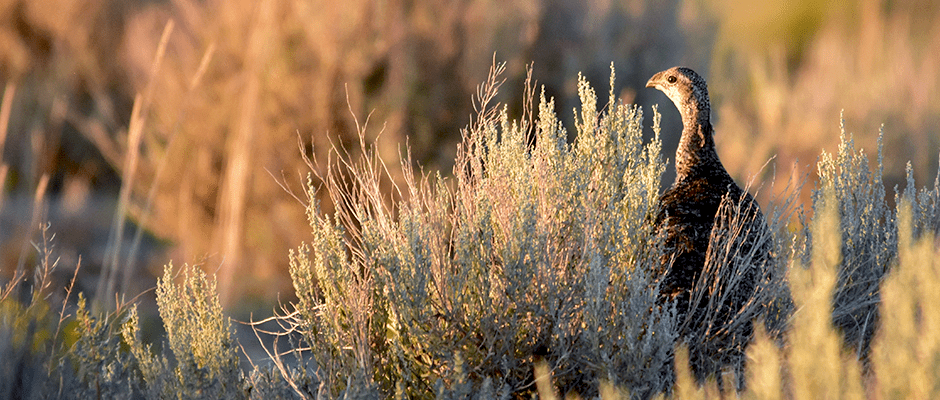
On Oct. 11, 2017 the Bureau of Land Management (BLM) published a notice announcing its intent to amend 2015 BLM and U.S. Forest Service land use plans put in place to conserve greater sage-grouse (Centrocercus urophasianus) habitat on western rangelands. These 98 federal land use plans under review form the backbone of the sage-grouse conservation plan, which relies upon collaboration between the BLM, U.S. Forest Service, state agencies, private landowners, and other partners to conserve sage grouse habitat and prevent fragmentation.

Populations of this species are estimated to have once numbered in the millions, but populations have since plummeted. The birds migrate seasonally between different parts of their range, covering distances of up to 100 miles. Energy development, mining, cattle grazing,feral horse populations, and invasive plant species all compete for space and resources in sage grouse habitat and have contributed to fragmentation, one of the largest threats to the birds.

These land use plans, finalized in Sep. 2015, lead to the U.S. Fish and Wildlife Service determination that the grouse did not warrant listing under the Endangered Species Act. The plan worked with a variety of stakeholders with the goal of ensuring both the protection of the species and continued development in the region. The plan included habitat conservation actions such as the lowering of noise disturbances from areas of development during lekking times, putting a three-mile buffer around leks, and working to rid habitat of invasive species such as cheatgrass (Bromus tectorum).

This notice comes in response to an Aug. 2017 Department of the Interior report, which provided an assessment of the 2015 federal sage grouse plans and makes recommendations for changes to policies and regulations. The report was produced in response to a Jun. 2017 Secretarial Order, which called for a review of sage-grouse conservation plans. Among the recommendations included in the Aug. report are investigating the removal of certain sagebrush focal areas, removing hard triggers in the management plans that call for actions to be taken when there are certain conditions that demonstrate population or habitat losses, and working with states to improve techniques and methods to set appropriate population objectives.

Comments can be submitted to blm_sagegrouseplanning@blm.gov until Nov.  27, 2017.

Hollywood’s spotlight can have real-life conservation impact

Did “Bambi” do in hunting? Did “Jaws” demonize sharks? Did “Finding Nemo” put clownfish in serious danger?

In a paper published in Conservation Biology, researchers from Great Britain’s University of Exeter and Lancaster University found the “Hollywood effect” can have a real impact on wildlife featured on the big screen, and it’s one that conservation scientists should pay attention to.

“We weren’t suggesting that Hollywood movies become message films about conservation,” said co-author Matthew Silk, of the Environment and Sustainability Institute at the University of Exeter’s Penryn Campus in Cornwall, “but there are ways in which there could be productive working relationships between conservationists and filmmakers.”

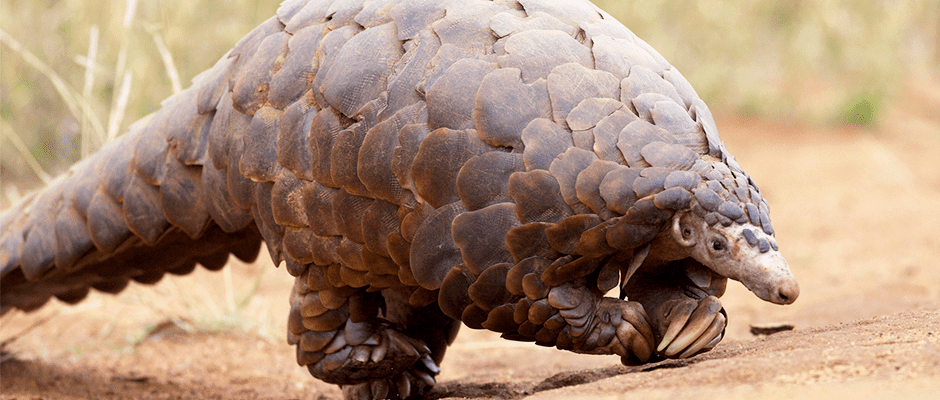
Silk said he and his colleagues decided to investigate the effects of movies on conservation after taking in Disney’s live-action remake of Rudyard Kipling’s “The Jungle Book.” The film featured a cameo appearance by a pangolin (Pholidota spp.), an order of scaly ant-eating mammals in Africa and Asia threatened by hunting, deforestation and animal trafficking. It’s endangered in real life, and in the film, Baloo the Bear threatens his pangolin companion, “You have never been a more endangered species than you are at this moment.”

“We sat there laughing longer than we should have and far longer than anyone else in the cinema,” Silk said. Later, they realized, they might have tuned in to something more serious about the role of movies and conservation. Cinema, they realized, could have a powerful effect on biodiversity conservation, either positively or negatively.

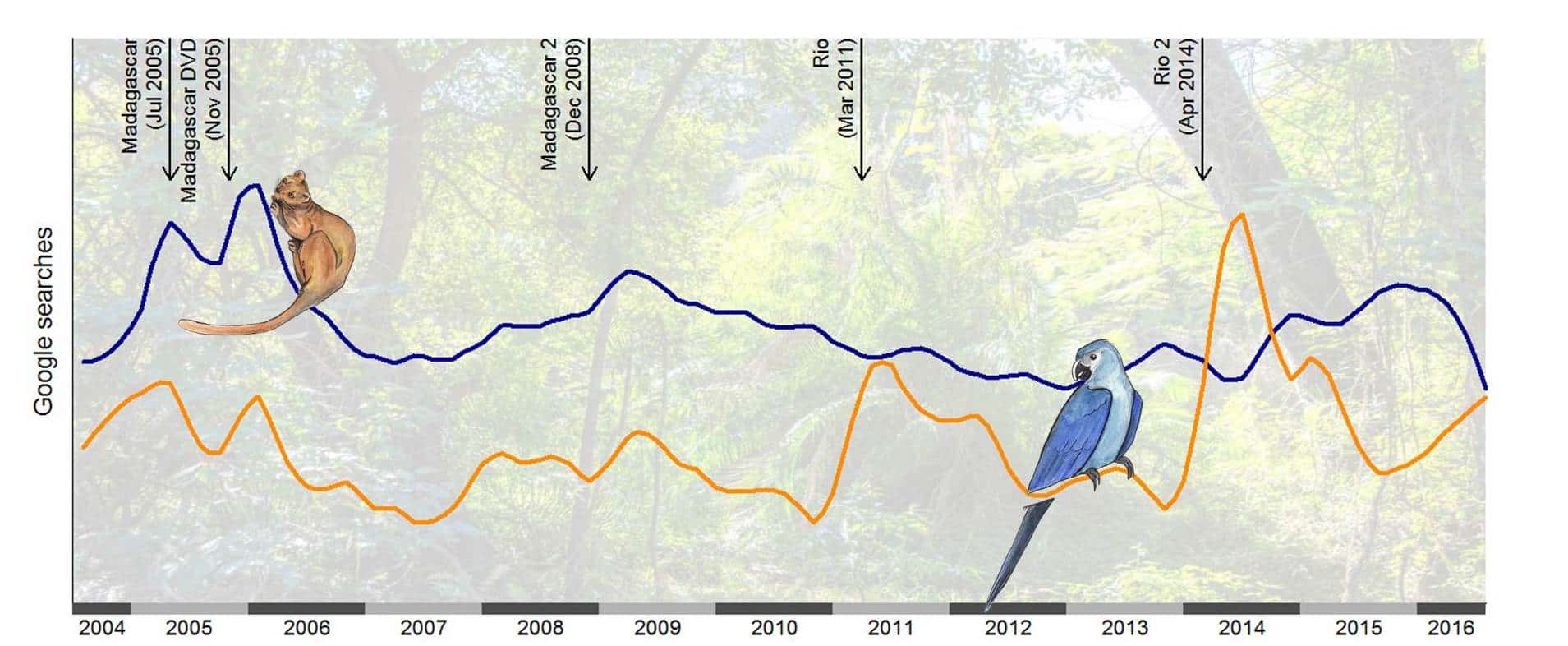
“One of the main things we found was, nobody really studies this stuff,” said co-author Sarah Crowley, but they were able to tap into new resources, like Google Trends, to get an idea of what people are searching for after the movies come out.

Google Trends data showed an increase in web research on fossas after the animal was featured in the movie “Madagascar,” and Spix’s macaw after it appeared in the film “Rio.”

The cartoon “Madagscar,” for instance, led to a surge in searches for the catlike fossa (Cryptoprocta ferox). After seeing “Rio,” people Googled the featured Spix’s macaw (Cyanopsitta spixii). The movie “Finding Dory” prompted searches for blue tangs (Paracanthurus hepatus) like the main character.

“The ‘Bambi effect’ is kind of the early example of this,” Crowley said. While it’s not clear if the 1942 film actually turned people off hunting or if it reflected changing attitudes toward it, she said, several films that followed did seem to have conservation impacts.

The movie “Jaws” seems to have promoted a fear of sharks that led to “likely consequences for shark conservation,” researchers found.

“Finding Nemo” is widely believed to have led to an increased demand for clownfish (Amphiprion ocellaris) ownership that increased pressure on wild populations, they said, although documented evidence is “virtually non-existent.”

Using Google Trends data, researchers found a surge in internet interest in blue tangs after the release of the film “Finding Dory.”

Other films intentionally set out to make a point about conservation. “Happy Feet” carried a strong message about overfishing and plastic pollution. In making “Finding Dory,” Disney Pixar worked with the Association of Zoos and Aquariums to avoid the impacts attributed to “Finding Nemo” by promoting responsible fish buying, researcher said. And that pangolin appearance in “The Jungle Book” was no accident. Director Jon Favreau reportedly took the suggestion of Los Angeles Zoo staff to include the creature as a way to raise awareness.

“We’re trying to promote the positivity of it,” Crowley said. “Obviously there is some concerning potential for impacts, but we found there’s a lot of opportunity for research and lots of opportunity for collaboration.”

That could include filmmakers using conservation advisors they way many already use science advisors, they said. For scientists, researchers said, it may simply mean doing baseline research and being prepared for the impacts the “Hollywood effect” may bring on wildlife — positive or negative.

JWM study: Grazing shows little effect on grouse nesting

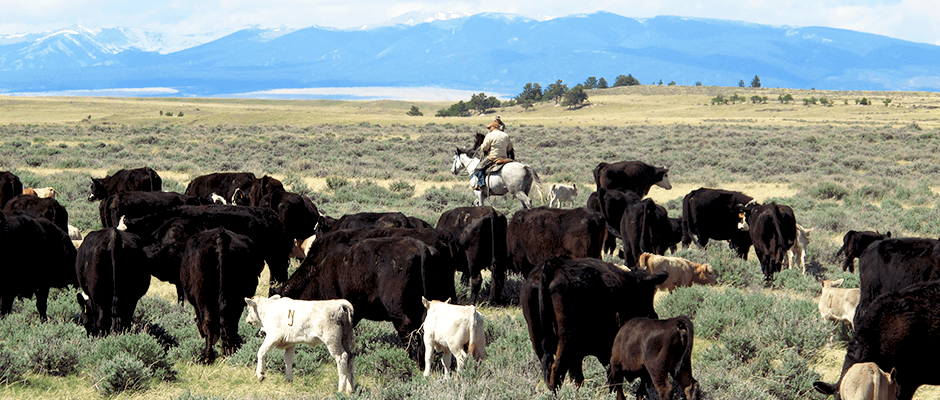
As habitat loss and fragmentation continue to threaten the greater sage grouse (Centrocercus urophasianus), a study in Montana found livestock grazing seems to have little impact on the bird’s nest success, and rotational grazing, meant to improve habitat for the grouse, offers little benefit.

“We were surprised,” said Joe Smith, lead author of the study on early view in the Journal of Wildlife Management and a post-doctoral researcher at the University of Montana’s wildlife biology program. “We thought nest success was going to be the mechanism where these grazing systems were going to have a big effect.”

Previous studies had shown a strong link between grass height near the nests and nest survival, Smith said, suggesting that taller grasses provide important cover to protect the birds from nest predators. But his team found no such link.

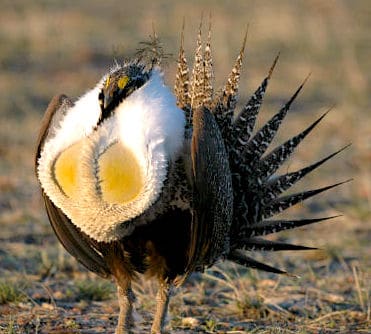
A greater sage grouse displays in Montana, where researchers found grazing had little impact on the birds’ nest survival.
©USFWS

Instead, Smith said, other changes in land use, including conversion to cropland, oil and gas operations and infrastructure development, may have far greater impacts on greater sage grouse than ranching.

“We may have focused disproportionately on grazing, given how little information we really have about how it affects the population,” he said. “I think it’s important to stay focused on these broad-scale drivers of ongoing habitat loss first and foremost. In the counties where our study took place, I can identify at least four different parcels that have been converted from native grassland to cropland in the last 10 years, and each one is several thousand acres. Those are big habitat losses that are happening overnight.”

The study found nesting success was similar among different grazing management systems, and rotational grazing, which keeps livestock off of designated areas to allow vegetation to recover, didn’t increase nest survival.

However, Smith noted, the study did not look at other factors, such as adult female and chick survival rates, which may show benefits from rotational grazing. And he cautioned that the results he found in Montana may not carry through elsewhere in grouse habitat, including the Great Basin, where the vegetation survives on less summer rainfall and didn’t coevolve with heavy bison (Bison bison) grazing.

The study was released six years into a 10-year study looking at a broad range of possible impacts of grazing on greater sage grouse.

“We don’t want people to interpret our findings as ‘grazing management doesn’t matter,’” Smith said. “We know the importance of good grazing management to the long-term resilience of these ecosystems for a lot of other reasons. I guess the takeaway is that grazing management doesn’t have quite as strong a link with nest success as we previously thought.”

TWS members can log into Your Membership to read this paper on early view in the Journal of Wildlife Management. Go to Publications and then Wildlife Society Bulletin.

Nevada bans commercial reptile collection

On Sep. 23, the Nevada Board of Wildlife Commissioners voted 6-1 to ban the commercial collection of reptiles in Nevada. After Jan. 1, 2018, the state will no longer allow the unrestricted take of reptiles for private profit.

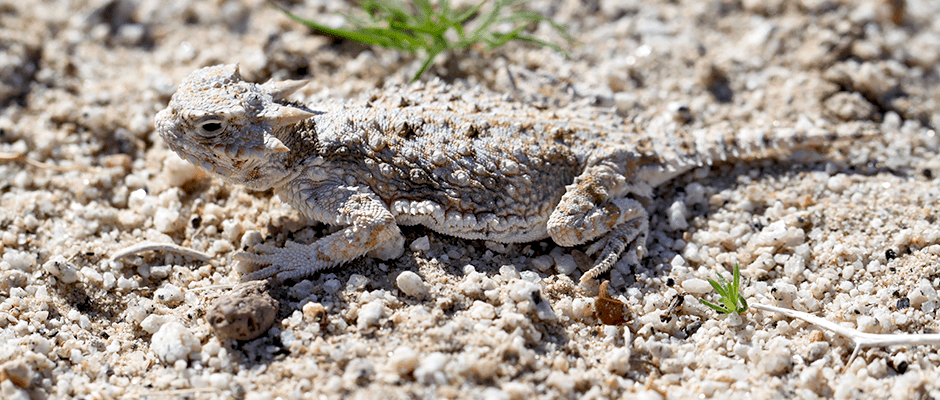
As noted in a presentation to the board by Jason Jones, the herpetologist for the Wildlife Diversity Division of the Nevada Department of Wildlife, there have been population declines in the top eight species of reptiles collected, including the chuckwalla (Sauromalus ater) and desert-horned lizard (Phrynosoma platyrhinos). These eight species make up 98% of the reptiles collected by commercial collectors. Over the last 30 years, commercial collectors have reported removing more than 420,000 reptiles from Nevada. Nevada Department of Wildlife data suggest that reptile density may be decreasing in places that have been heavily collected from, and the impacts of collecting are spreading to previously unexploited areas.

On Sep. 21 a group of nearly 50 scientists sent a letter to the Board of Wildlife Commissioners encouraging the ban. The letter highlighted the essential role reptiles play in the desert ecosystem. “These snakes and lizards are an important part of the desert food web, consuming insects and other invertebrates while acting as prey for mid- to upper-level predators.” Globally, climate change, overexploitation, and habitat loss are leading to localized extinctions and then broader declines in reptiles populations. According to a memo from Jennifer Newmark, the Wildlife Diversity Division Administrator at the Nevada Department of Wildlife, the unlimited commercial collection of reptiles is particularly concerning for a variety of reasons including: the low dispersal ability of reptiles due to habitat and temperature constraints; the collection of reptiles year round includes reproductive time periods, which reduces reproductive output; and the collection itself is an added source of mortality to individual reptiles.

Until this ban goes into effect, Nevada will continue to be the only state in the region that allows for unrestricted take for commercial collection. Utah, Arizona, Idaho (with one exception on private land), and California all prohibit the commercial collection of reptiles in their states. New Mexico and Texas, both allow some commercial collection, but it is regulated. Nevada will continue to allow the regulated take of reptiles for hobby collecting.

Before the new regulation is permanently adopted the Nevada Board of Wildlife Commissioners will host a public workshop and second hearing. In the meantime wildlife officials have stopped issuing new permits and will not renew annual permits.

Read TWS’ Standing Positions on The North American Model of Wildlife Conservation and Conserving Biological Diversity.

WSB study: Grassland passerine nest survival goes up in flames

For decades, wildlife managers have used prescribed fires to limit woody vegetation on North America’s grasslands, maintaining them much as natural fires once did. Recent research conducted on the North Dakota prairie suggests that these managed burns may promote songbird nest survival by allowing flames to keep in check trees and tall shrubs that host predators.

“Fire is one of the main formative ecological processes in the prairies,” said Todd Grant, co-author on the study published in Wildlife Society Bulletin.

In parts of northwestern North Dakota, prescribed burns are conducted every five or six years to mimic the frequency of natural fire and preserve space for herbaceous vegetation. Without these fires, Grant said, grasslands would eventually transform into woodlands, as they have in parts of the region that have undergone long-term fire suppression. In those areas, he said, past research showed that the spread of woody vegetation has lowered the density of prairie passerine nests and taken a toll on the birds’ survival by increased rates of predation and parasitism by brown-headed cowbirds (Molothrus ater).

A U.S. Fish and Wildlife Service biologist in North Dakota, Grant wanted to further investigate the impacts of woody vegetation and prescribed fire on songbird nest survival there. During breeding seasons from 2001 to 2003, he and his colleagues located and monitored 575 nests built by Savannah sparrows (Passerculus sandwichensis) and clay-colored sparrows (Spizella pallida) in the mixed-grass prairie at Des Lacs National Wildlife Refuge, near the Canadian border.

“For Savannah sparrows, we didn’t find any effect of woody vegetation on nest survival, mainly because they avoid nesting near woody plants,” Grant said, but “as patches of trees and tall shrubs increased on the landscape, clay-colored sparrow nest survival decreased.”

Based on the evidence he saw, Grant ruled out cowbirds as the culprits. Instead, he linked their drop in survival to predation by mice (Peromyscus spp.), thirteen-lined ground squirrels (Ictidomys tridecemlineatus), raccoons (Procyon lotor) and skunks, which are prevalent in the edges created by woody vegetation.

“Using fire to reduce tall woody vegetation in the grassland landscape, we can expect clay-colored sparrow nest survival to increase,” he said.

These results support previous findings that controlled fire does little harm to prairie songbirds in the long run, Grant said, since they easily recover from any short-term fire effects.

“Frequent prescribed fire appears not to be detrimental for grassland passerines because they’re adapted to historically reoccurring fires,” he said. “We can use fire as a management tool without long-term negative consequences on nest survival.”

TWS members can log into Your Membership to read this paper in the September issue of Wildlife Society Bulletin. Go to Publications and then Wildlife Society Bulletin.

TWS grants bring 23 students to annual conference

Twenty-three budding wildlifers attended the Annual Conference in Albuquerque, New Mexico, last month through the TWS Student Travel Grants program, which offers each awardee up to $500.

Since 2008, TWS grants have helped members who are current or recent undergraduate, graduate or PhD students registered to attend the Annual Conference travel there to present their research. To be eligible, applicants must already have had their poster or paper accepted by the Program Committee, a symposium organizer or a poster session and must not have won the award the previous year.

“It’s an excellent opportunity for them to get experience presenting in front of a larger crowd,” said Mariah Simmons, unit services coordinator at TWS.

In the past, TWS funded grants with its conference budget, but in recent years, it’s received more donations from local sections and chapters in addition to The 1,000. In 2017, two TWS sections, 14 chapters and Microwave Telemetry, a Maryland-based company, sponsored student travel grants. The program gets about 100 applicants every year and funds an average of 20 based on the amount of money these organizations contribute.

A committee composed of 30 to 40 TWS professional members ranks applicants according to various criteria. These include the relevance of their project as demonstrated in their abstract and draft of their poster or presentation, their acquisition of other funding and the extent of their need for support.

Stacy Lischka, a Ph.D. candidate at Colorado State University studying what motivates people to use bear-proof garbage containers, was ranked high enough to receive a travel grant this year to attend her second annual conference.

“It was energizing, as a social scientist, to see how many people are doing interesting, cutting-edge applied work in the context of wildlife management and human behavior,” Lischka said. “It was excellent to share what I learned, but also to learn from other people who are thinking similar things or have had similar experiences. It got me fired up again about where I can contribute to the field and gave me future directions to think about human-wildlife conflict.”

She appreciated that the grant program encompassed all kinds of research.

“It gives folks doing things that are novel or unexpected an opportunity to receive support to attend meetings,” said Lischka, who would have been unable to get to Albuquerque without the assistance.

Although applying for the grant seems laborious, she said, “it was well worth the investment.”

The hard work paid off for Alexandra Lewis, too, and enabled her to participate in her first annual conference. She’s working on her master’s thesis at Auburn University and presented her research in progress on the ecology and management of Alabama’s wild pigs.

“It was a financial relief to go to a professional conference to get feedback on my project and not take bread, peanut butter and jelly so I could eat peanut butter and jelly sandwiches the whole time, which I’ve done,” said Lewis, who wouldn’t have made the trip if it weren’t for the aid. “I feel my presence is wanted at this conference. I feel valued.”

Her experience there was “amazing,” Lewis said.

“I went to more talks than I could wrap my brain around,” she said. “I took a spatial capture-recapture workshop that allowed me to think about my project from a different angle. And all the networking events were helpful in improving my ability to talk to strangers.”

Lewis’ advice to students interested in applying to the grant program to get to the annual conference?

“Think like Nike, and just do it,” she said, “even if you feel like you might not be qualified.”

Northwest Oklahoma public land expanded

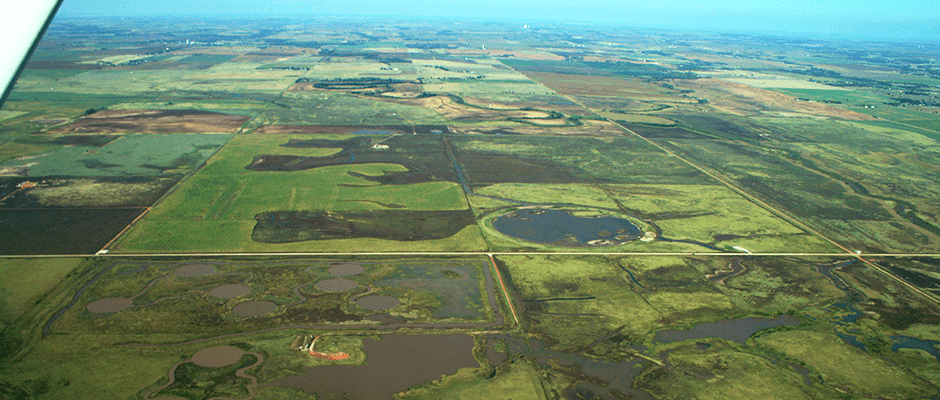
A multi-year effort to expand Drummond Flats Wildlife Management Area is paying off for hunters this fall. The Oklahoma Department of Wildlife Conservation (ODWC) opened the area to public access Sept. 1, for the start of dove season and it will remain open for waterfowl hunting.

“Ducks Unlimited works closely with ODWC to improve wetland habitat across Oklahoma,” said DU Regional Director Nathan Johnson, who also worked as a wetland engineer for DU. “After several years of focusing on Drummond Flats, it feels good to secure the final pieces to make this historic wetland area whole.”

Ducks Unlimited acquired 125 acres at Drummond Flats from willing sellers last year. This acreage represents the final two parcels within the footprint of the historic wetland basin, but ODWC hopes to expand the WMA further to buffer the wetlands.

“This is another great example of the terrific working relationship over the years between the ODWC and DU,” said Alan Peoples, chief of wildlife for the ODWC. “It’s a real win-win-win for the ducks, the habitat and for hunters.”

In addition to Ducks Unlimited major sponsors who supported the Southern Prairies & Playas Initiative in Oklahoma, funding for the acquisition came from the Treeman Family Foundation and the Playa Lakes Joint Venture through a grant provided by ConocoPhillips.

The area will be leased to the ODWC and managed as part of the Drummond Flats WMA until budgets allow the state to purchase the properties. Future plans for habitat restoration and enhancement work are under consideration. Ducks Unlimited and ODWC are committed to making Drummond Flats WMA a premier waterfowl area in the Central Flyway.

Ducks Unlimited Inc. is the world’s largest nonprofit organization dedicated to conserving North America’s continually disappearing waterfowl habitats. Established in 1937, Ducks Unlimited has conserved more than 14 million acres thanks to contributions from more than a million supporters across the continent. Guided by science and dedicated to program efficiency, DU works toward the vision of wetlands sufficient to fill the skies with waterfowl today, tomorrow and forever. For more information on our work, visit www.ducks.org.

Ducks Unlimited is a Leading Sponsor of TWS

For woodpeckers, the right tree can be hard to find

Woodpeckers and other cavity-excavating birds worldwide are keystone species.

These birds excavate their nests out of solid wood, and because their nests are often well protected against predators and the environment, other species use and compete for their old, vacant nests.

The presence of cavity-excavating birds in forests has far-reaching effects on species richness and ecosystem health.

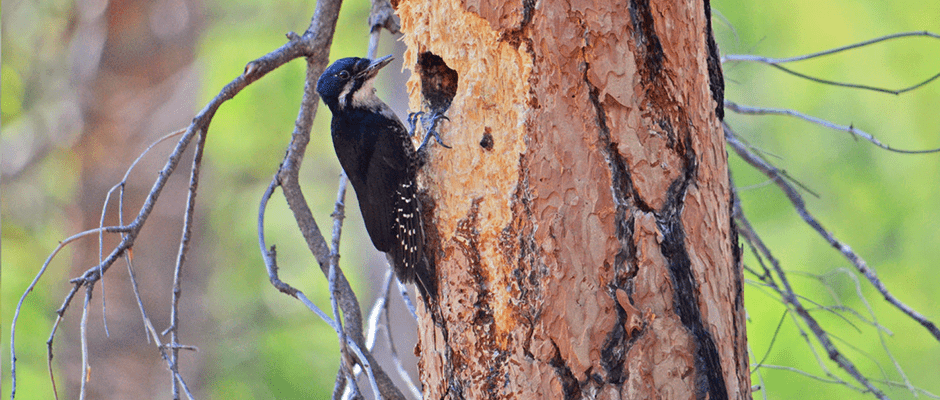
Given the species’ importance, Teresa Lorenz, a research wildlife biologist with the U.S. Forest Service Pacific Northwest Research Station, wanted to find out why cavity-excavating birds do not use many trees seemingly suitable for nesting. This puzzle has eluded researchers for decades. Lorenz and her colleagues also wanted to know what role wood hardness plays in the birds’ nest site selection.

The researchers found that across 818 snags in Yakima, Kittitas and Chelan Counties in Washington’s eastern Cascade Range, trees not used by birds had wood five times harder than trees that were. Such trees could not be used by birds simply because their wood was too hard for the birds to excavate. Within burns used by at-risk woodpeckers, 86 to 96 percent of seemingly suitable trees contained unsuitably hard wood. Wood hardness limits nest site availability for these declining species

Researchers found no reliable visual cues to distinguish between suitable and unsuitable trees. Currently, the most effective management solution is to provide large numbers of snags, which can be difficult without the aid of fire. In dry forests, a mixed-severity fire that kills trees is an important but underappreciated strategy for providing enough snags for cavity-dependent species. Low-severity prescribed fires may not provide enough snags for these species.

Suitable snags are limited, such that snag availability drives landscape-level habitat-selection by some species. For example, white-headed woodpeckers selected severely burned patches for nesting, which was initially puzzling because this species does not characteristically forage in burn.

Providing snags that woodpeckers can excavate is important for forest ecosystem health in the Pacific Northwest, where More than 50 species use woodpecker-excavated cavities for nesting or roosting. Mixed-severity prescribed-fire may be useful in creating breeding habitat for the white-headed woodpecker, a species traditionally associated with old-growth forests.

This article was excerpted from a longer article from the U.S. Forest Service, which is available here.

The U.S Forest Service is a Premier Partner of TWS.

Robert Bateman earns Jay N. “Ding” Darling Memorial Award for paintings

Nominations for the Jay N. “Ding” Darling Award for Wildlife Stewardship Through Art are open until May 1, 2018. Nominations and supporting materials can be sent via email to awards@wildlife.org.

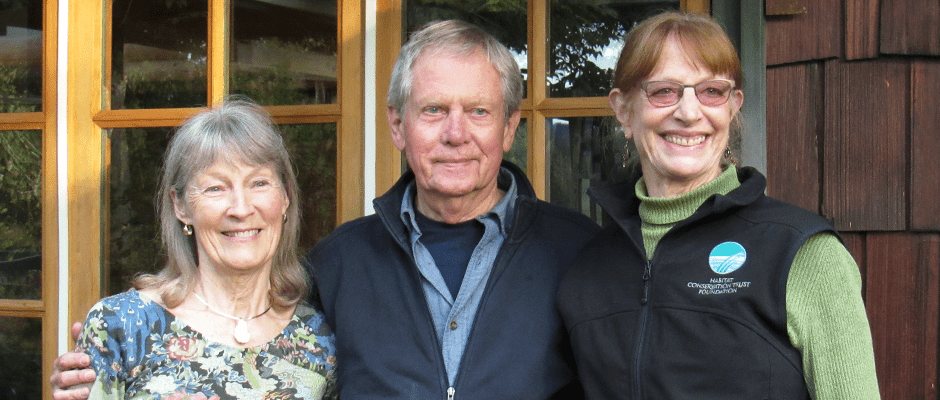
The 2017 Aldo Leopold Winner Wini Kessler and Northwest Representative of TWS council Harriet Allen presented wildlife artist Robert Bateman with the Jay N. “Ding” Darling Memorial Award for Wildlife Stewardship Through Art at his home on Salt Spring Island, British Columbia.

“It was a magical meeting!” said Kessler, who spent the day with Bateman and his wife Birgit.

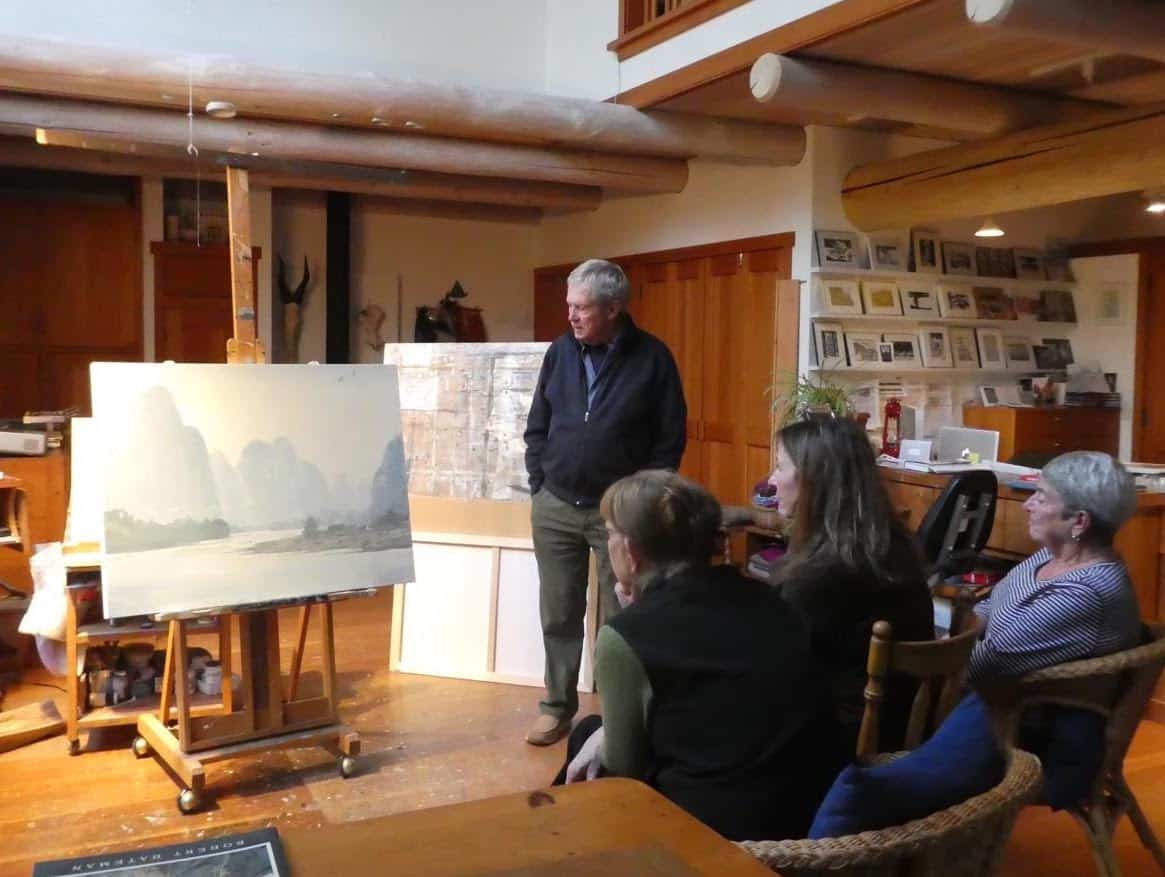
Jay N. “Ding” Darling Memorial Award for Wildlife Stewardship Through Art recipient Robert Bateman shows Kessler and Allen one of his paintings. Image courtesy of Wini Kessler.

Bateman received the award for his nature and wildlife-themed paintings. His painting style started off as abstract, but in the 1960s, he changed his style to realism. Around the same time, he began traveling around the world — to Africa, India, Southeast Asia and Australia — where he painted and sketched the wildlife and natural elements he saw.

Bateman’s art soon gained him the recognition of the Smithsonian Institution as well as the recognition of the Audubon Society of Canada when they declared him one of the top 100 environmental proponents of the 20th century in 1999. The use of his art to promote wildlife conservation earned him this award from The Wildlife Society.

TheJay N. “Ding” Darling Memorial Award for Wildlife Stewardship Through Art, created in 2015, recognizes artists who, like Darling, promote wildlife and habitat conservation through art. Darling did this through creation of the Federal Duck Stamp Program, his broadly recognized cartoons advocating for wildlife conservation and other recognized work.

Bateman uses much of his artwork to fund conservation efforts, and he serves as the honorary chairman of the Bateman Foundation, a conservation group founded in honor of his life and work.