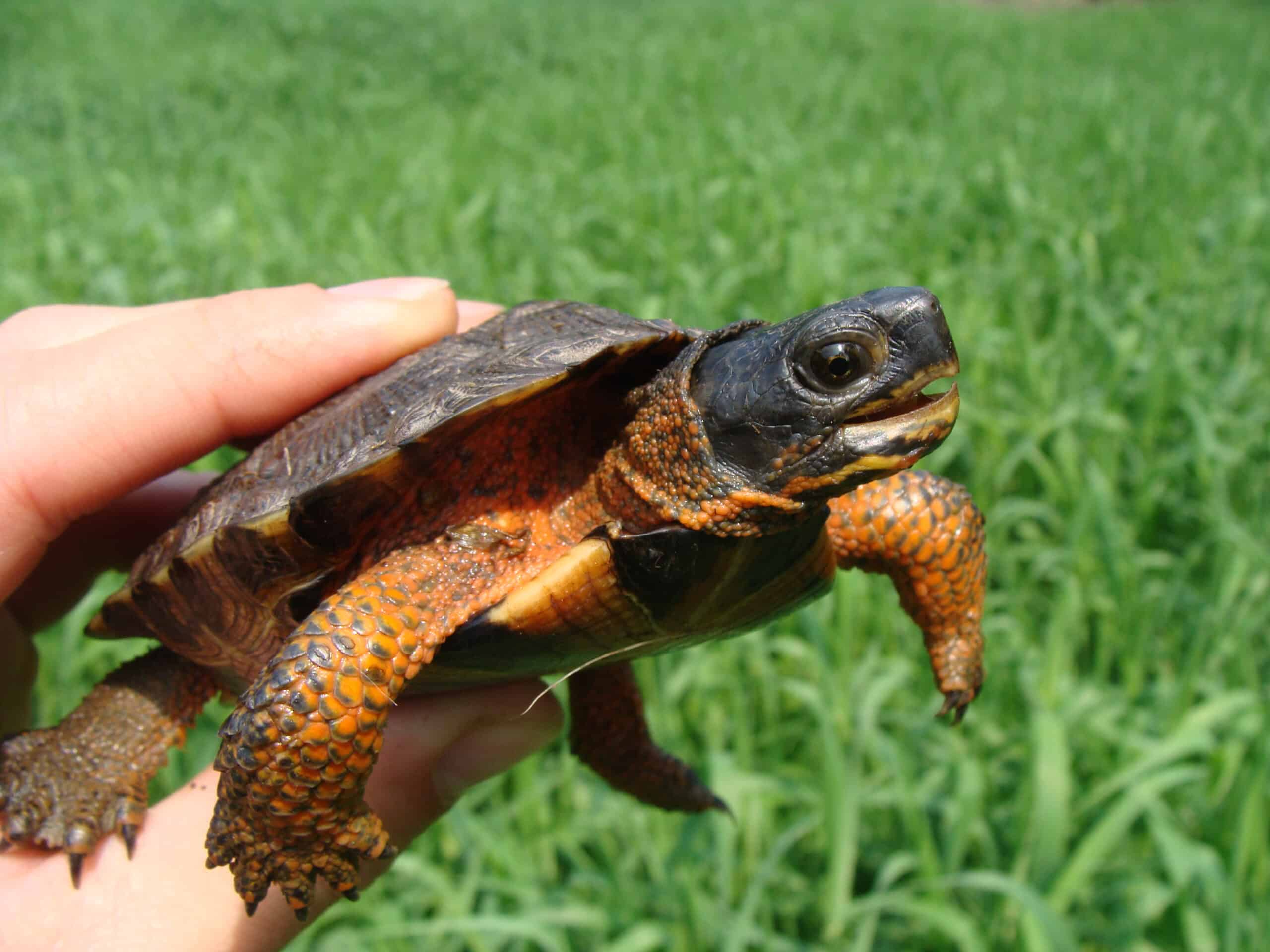
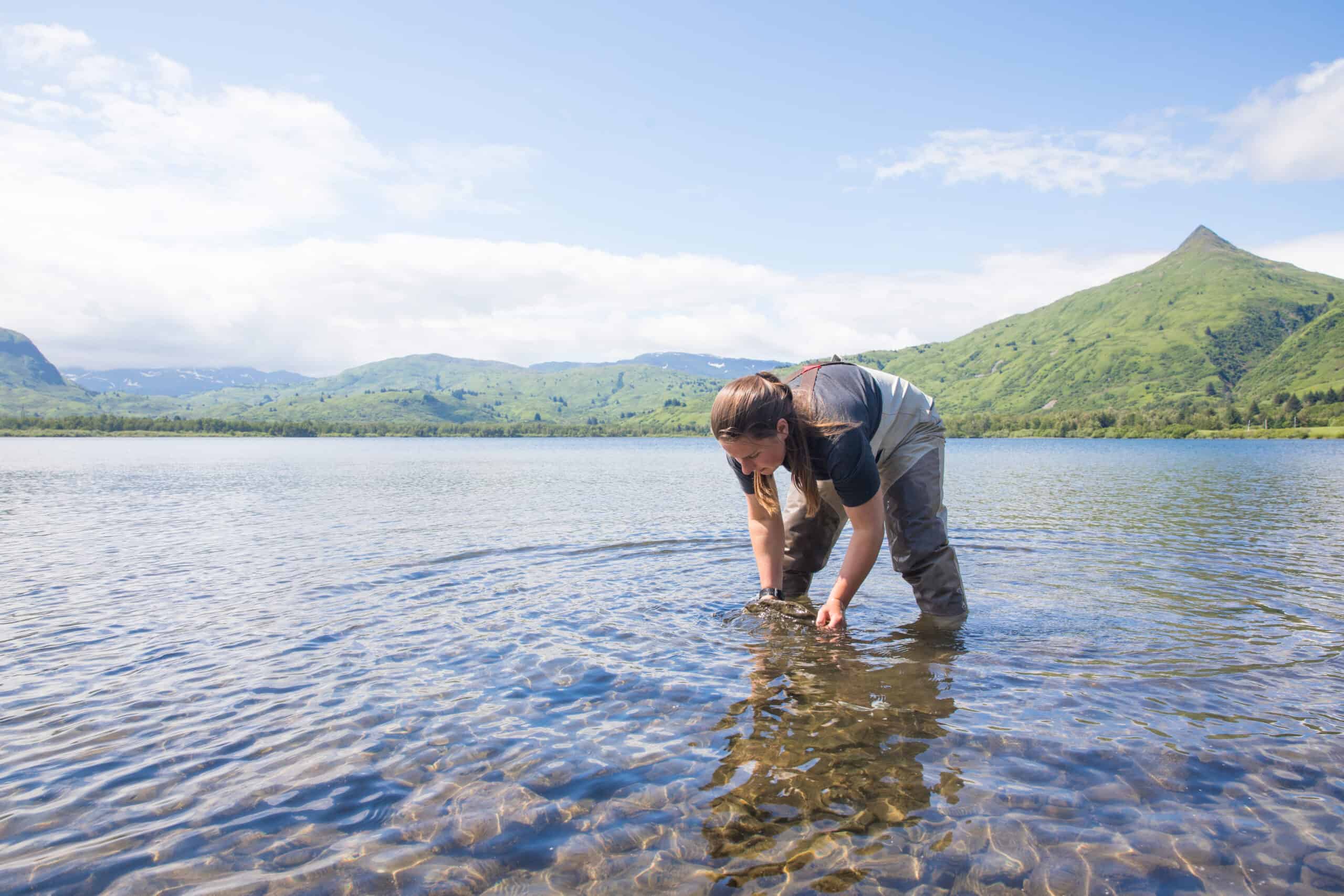
Surveys are expanding the known distribution of wood turtles in the Outaouais region in western Quebec. Researchers are surveying wood turtles (Glyptemys insculpta) and three other species: the western chorus frog (Pseudacris triseriata), Blanding’s turtle (Emydoidea blandingii) and four-toed salamander (Hemidactylium scutatum) on a two-year project. A team found only three turtles in areas not usually covered by wildlife surveys, but nests and other traces led them to believe there were more along the Coulonge River north of Ottawa. These efforts will help the province plan conservation and designate protected areas for the turtles, considered vulnerable in Quebec.
The Wildlife Society is announcing the official list of recipients of the 2023 awards! Honors will be presented at the 2023 Annual Conference in Louisville. Watch the news at wildlife.org to learn more about award-winners in the coming weeks. Visit our conference website to keep up to date on the latest developments.
Aldo Leopold Memorial Award: Carol Chambers
TWS Fellows: Jessica Homyack, Serra Hoagland, Glynnis Hood, Dee Patriquin, Mindy Rice, Sarah Rinkevich, Kevin Monteith, Ray Iglay, Paul Johansen, Quentin Hays
PROFESSIONAL ACHIEVEMENT AWARDS
Caesar Kleberg Award for Excellence in Applied Wildlife Research: Lisette Waits
Group Achievement Award: Doris Duke Conservation Scholars Program Collaborative
Special Recognition Service Award: Jeannine Fleegle, Seth Magle
Jim McDonough Award: Don Barnes
Jay N. “Ding” Darling Memorial Award for Wildlife Stewardship through Art: Erika Coover and Melissa Groo
SERVICE AWARDS
Distinguished Service Award: Rick Warhurst
Chapter of the Year: Texas Chapter
Student Chapter of the Year: University of Wisconsin—Stevens Point
Student Chapter Advisor of the Year: Robert Brewer
W.L. McAtee and G.V. Burger Award for Outstanding Service as an Associate Editor: Quresh Latif, Journal of Wildlife Management; Antoinette (Toni) Piaggio, Wildlife Society Bulletin
Wildlife Restoration Award—Wildlife Management: Kentucky Department of Fish and Wildlife Resources
Diversity Award: Jennifer Merems; Vanguarding an Inclusive Ecological Workforce (VIEW) Fellowship, Oregon State University Department of Fisheries, Wildlife and Conservation Sciences
EDUCATION AWARDS
Ronald F. Labisky Graduate Fellowship in Wildlife Policy: Hannah Henry
Donald H. Rusch Memorial Game Bird Research Scholarship: Cailey Isaacson
Excellence in Wildlife Education Award: Steve Johnson
PUBLICATION AWARDS
Authored Book: Michael R. Conover and Denise O. Conover. Human-Wildlife Interactions: From Conflict to Coexistence. 2nd Edition
Edited Book: Christine L. Madliger, Craig E. Franklin, Oliver P. Love, and Steven J. Cooke. Conservation Physiology: Applications for Wildlife Conservation and Management.
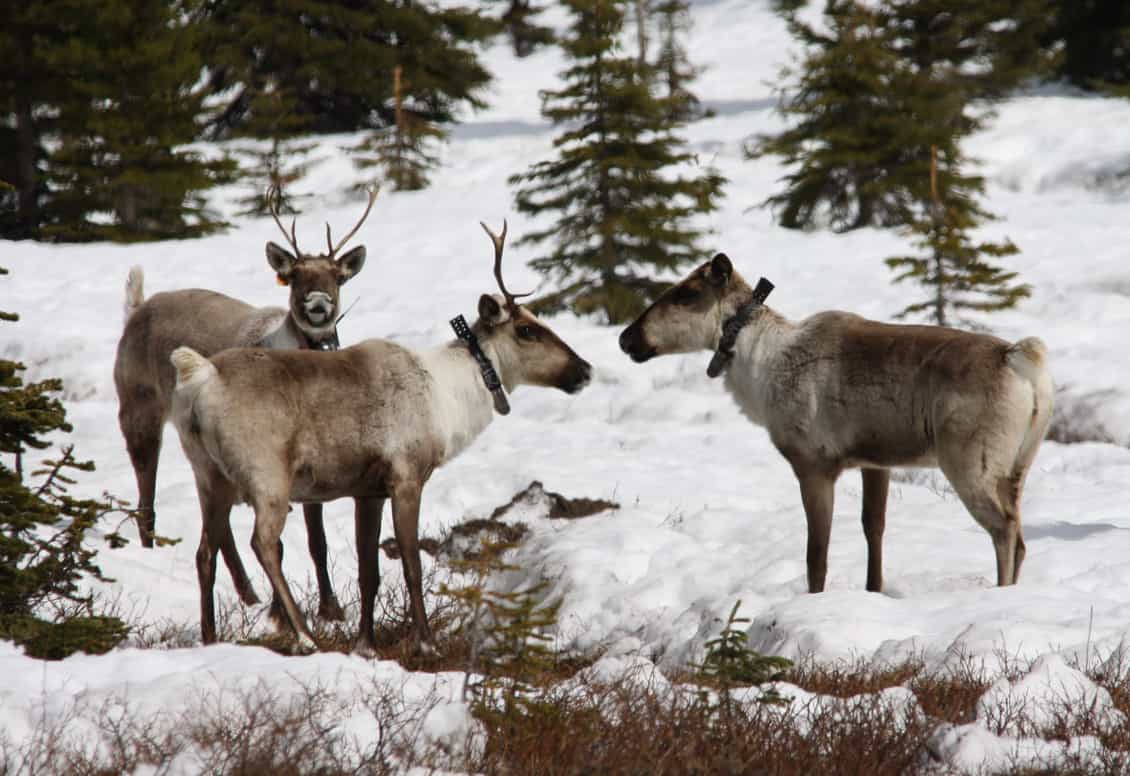
Article/Journal Paper: Clayton T. Lamb, Roland Willson, Carmen Richter, Naomi Owens-Beek, Julian Napoleon, Bruce Muir, R. Scott McNay, Estelle Lavis, Mark Hebblewhite, Line Giguere, Tamara Dokkie, Stan Boutin, and Adam T. Ford. 2022. Indigenous-led conservation: Pathways to recovery for the nearly extirpated Klinse-Za mountain caribou. Ecological Applications.
Monograph: Gregory H. Golet, Kristen E. Dybala, Matthew E. Reiter, Kristin A. Sesser, Mark Reynolds, and Rodd Kelsey. 2022. Shorebird food energy shortfalls and the effectiveness of habitat incentive programs in record wet, dry, and warm years. Ecological Monographs.
Student Paper: Ana Miller-ter Kuile, Devyn Orr, An Bui, Rodolfo Dirzo, Maggie Klope, Douglas McCauley, Carina Motta, and Hillary Young. 2020. Impacts of rodent eradication on seed predation and plant community biomass on a tropical atoll. Biotropica.
The Wildlife Professional Best Contributed Article: Mary M. Rowland, Michael J. Wisdom, Darren A. Clark, Bruce K. Johnson. 2022. A Legacy of Science and Partnerships: For over 25 years, the Starkey Project has conducted policy-shaping research on deer and elk.
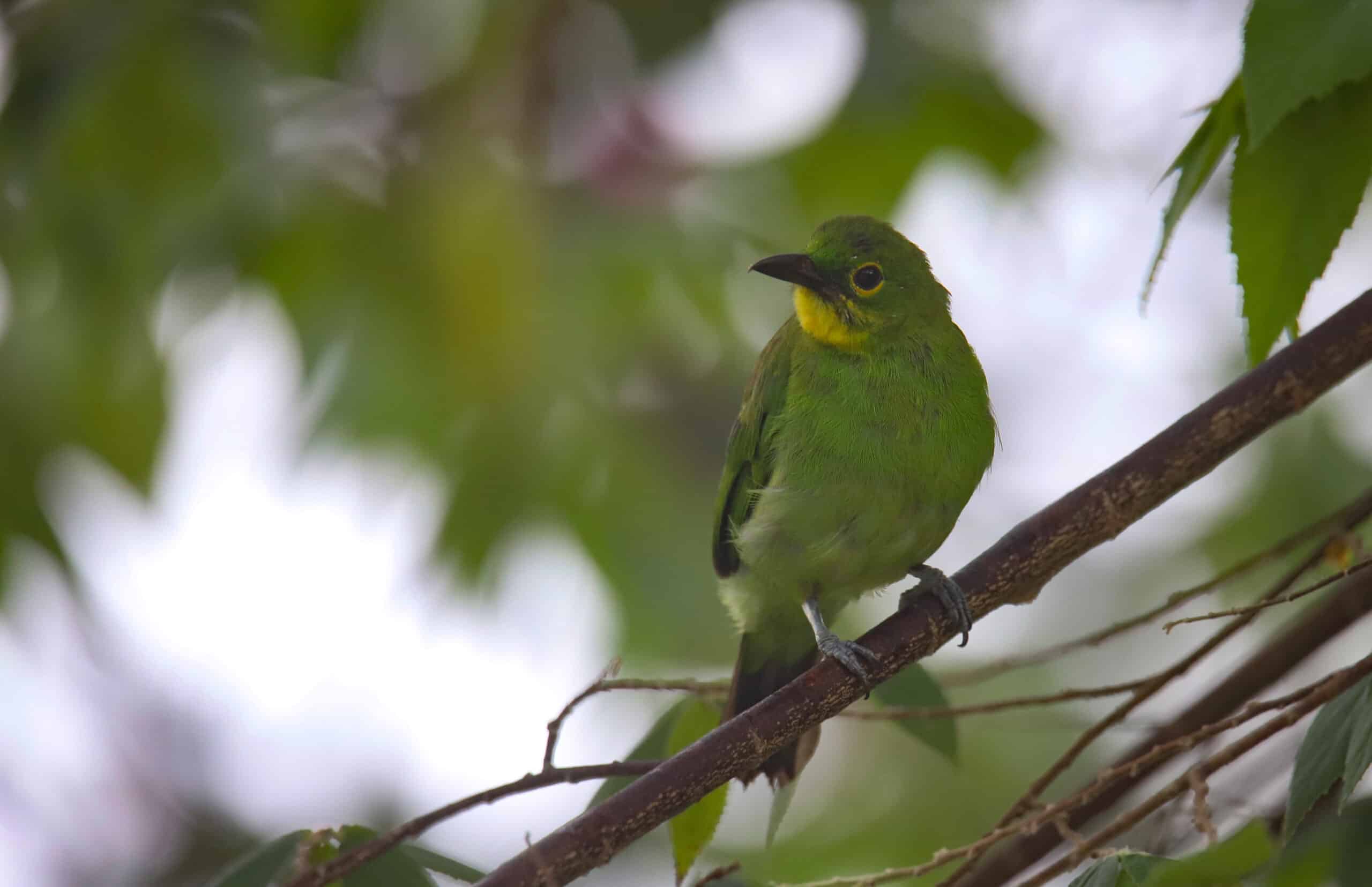
More than 900 species that suffer from the global trade in wildlife parts may lack key international protection. The Convention on International Trade in Endangered Species of Wild Fauna and Flora (CITES) is an agreement between signing countries that limits or bans the international trade of species once listed there. But researchers combed through vulnerable species listed on the International Union for Conservation of Nature’s Red List, searching for those affected by illegal wildlife trade. They found that 904 organisms on the Red List lacked CITES protection, including some 370 species listed by the IUCN as endangered or critically endangered. Unprotected but trafficked species included species like Owston’s palm civet (Chrotogale owstoni) and the greater green leafbird (Chloropsis sonnerati), as well as many species of fish and plants.
The results of The Wildlife Society’s 2023 Council elections are in.
Members elected Fidel Hernández as the new vice president of TWS. Angela Fullerwas elected Northeast Representative. Andrea Orabona will represent the Central Mountains and Plains voting district.
Newly elected council members are scheduled to be installed during the 30th Annual Conference in Louisville, Kentucky, Nov. 5-9.
The Wildlife Society extends its thanks to all of the candidates who ran for office, including Paul R. Johansen and Valorie Titus.
Read more about our incoming Council members below.
Fidel Hernández
For many wildlife professionals, The Wildlife Society is the social fabric through which our professional life unfolds. It represents the organization where we likely delivered our first scientific presentation, attended our first national conference, or met our first colleagues beyond our local social network. It often also represents the venue where we may have obtained an internship, recruited a graduate student, or discovered a career opportunity. For many of us, therefore, The Wildlife Society is the professional home through which our careers develop, and it symbolizes that constant companion accompanying us throughout our professional trajectory. For an organization that gives so much, one cannot help but desire to contribute in our own small way toward the provisioning of similar experiences for others.
One of the most rewarding experiences that TWS has afforded me has been the opportunity to serve. I have been fortunate to have served as a committee member, committee chair and officer at the various levels of TWS (state, section, and international). These learning experiences have allowed me to meet members from all walks of life and better understand the Society’s varied and diverse membership. These experiences also have provided me with a better understanding of the administrative and financial complexities of TWS and the process through which difficult decisions often are made for an organization that spans from local to international reaches. More importantly, they also have allowed me to meet and learn from the dedicated, skilled staff who commit long hours toward the continued excellence of the Society.
These formative experiences have shaped not only my career and professional outlook, but also my vision for TWS. I envision TWS to be the premier professional organization that provides excellence in natural resource science, management, education and policy for North America and beyond, while providing a professional home for a diverse and geographically broad membership where they learn, develop, network and serve. Excelling as such an organization entails many aspects including recruitment of new members, development of existing ones, nurturing of organizational subunits, fiscal growth and responsibility, engagement with conservation affairs, and many others. The sustained success of TWS therefore hinges on 3 main pillars: 1) continued and improved effort in the provisioning of services, benefits and opportunities for all members, including those affiliated to the Society only through chapters or sections, with the goal of better serving the broader membership and unifying all members; 2) enhancing the financial security of the Society through donor relations, an engaged and functioning TWS Foundation Board, and private endowments for the purposes of promoting financial sustainability of the Society and its capacity to support existing—as well as implement new, strategic—programs, benefits and initiatives; and 3) continued improvement of the role of TWS as an effective participant in policy and international arenas with the goal of augmenting the relevance of TWS, its science, and its impact to society at large.
My motivation to serve is formed by my desire to give back to TWS, which has been a significant contributor to my professional development. I have benefited from my engagement with TWS for 21 years, serving at the university, chapter, section and national levels. As a TWS Fellow, I seek to actively promote the wildlife profession and TWS through scientific research, conservation and management, and education. I am encouraged by the growing diversity in the wildlife field, and I would like to contribute to move the profession forward toward greater representation in all aspects of diversity to help meet the current and future challenges in wildlife conservation. Engaging with and supporting the development of the next generation of wildlife professionals is important to me.
It is important that TWS and the wildlife profession adapt and change along with our rapidly changing ecological, social and political environment. This complex and uncertain environment forces us as scientists and managers to make challenging decisions. Whether the decisions are related to science-based wildlife conservation and management or decisions regarding the future of TWS, my approach to thinking about problems is influenced by my research in decision science—it is important to understand and define the problem and articulate objectives. I will bring this same thinking if I am elected, seeking to understand the needs of members and that of the Society, and then working to devise creative solutions or strategies that will best meet objectives. I will be a voice to TWS leadership.
My involvement with The Wildlife Society began as an undergraduate at Colorado State University, thanks to several mentors who introduced me to our professional organization. That positive TWS experience at the Student Chapter level led to a decades-long and continuing involvement with the Wyoming State Chapter. From there, I learned the value of serving and remaining engaged through the Central Mountains and Plains Section and on The Wildlife Society Council as a CMP Section voting district representative. Although the first half of my term on Council was virtual, I have learned so much about how TWS operates, and I am pleased to see that science, education and members continually remain at the forefront. It has been an honor getting to know and sharing ideas with TWS staff and other Council members. Please know that I am committed to TWS and sincerely wish to use the knowledge gained from my first term to continue to be a steadfast voice for wildlife conservation by serving our CMPS members for a second term on TWS Council. Meanwhile, as I complete the current term, please remember that I am here for you, I am open to conversations, and I hope to see many of you in-person at upcoming conferences!
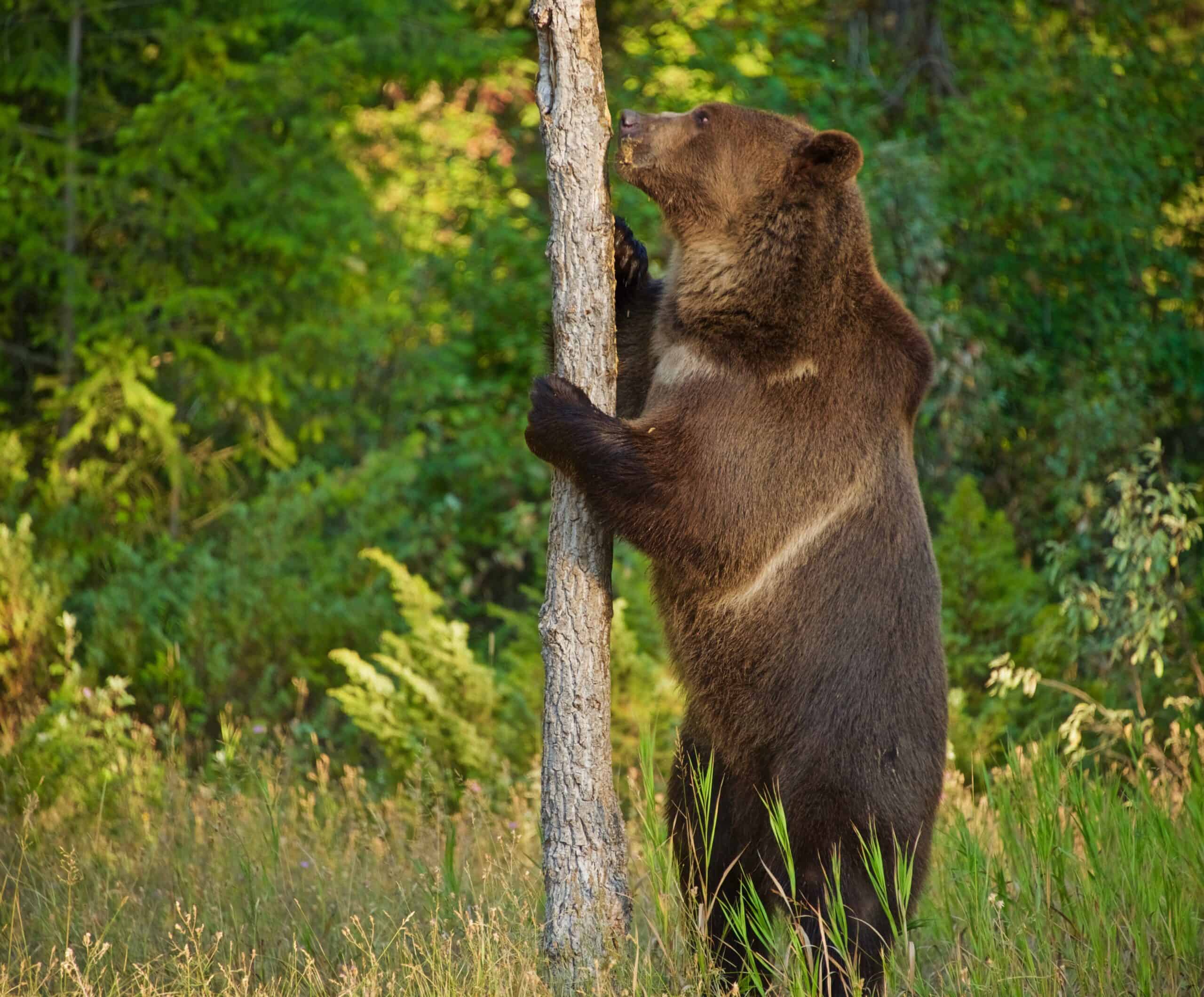
A camera has revealed the first confirmed footage of a grizzly bear in the Pryor Mountains of south-central Montana in more than a century. Grizzly bears (Ursus arctos horribilis) were found historically in the area, but they haven’t been seen in the Pryor Mountains since the late 19th century, according to the Montana Fish, Wildlife and Parks. The state agency urged the public to take caution while in the area—especially at dusk, dawn and night when the bears are more active.
Endangered species laws can help protect wildlife from becoming extinct, but for Indigenous communities, they may not go far enough to restore the abundance of culturally important species.
In a recent paper published in Science, a team of authors, including Indigenous leaders and researchers from Canada and the U.S., address what they see as a gulf between these two goals and the importance of “braiding Indigenous rights and endangered species law.”
Clayton Lamb
Using three North American keystone species—caribou, bison, and salmon—they argue for the need to establish recovery targets that restore wildlife abundance beyond minimal viable populations.
In an email exchange, TWS member Clayton Lamb, the co-lead author of the paper and a professor at the University of British Columbia Okanagan, and his colleagues Ally Menzies, a TWS member at the University of Guelph in Ontario, and Mateen Hessami, at the University of British Columbia, talk about what braiding endangered species law and Indigenous rights could look like. Their answers were edited for brevity and clarity.
This is a pretty unique collaboration. How did this paper come about?
The central issue—the abundance of culturally-significant species is too low and current legislation won’t adequately protect them—is a common concern we hear from communities we work with. Most of the authors also directly experience this diminished abundance while out hunting, gathering or just spending time on the land. However, despite the issue frequently coming up within our respective circles, we had never formally come together and recognized how this issue was common across North America and spanned from sea to land.
The spark for the work actually came from Chief Roland Willson, while working on a draft of a co-developed paper highlighting the Indigenous-led recovery of an endangered mountain caribou herd. Chief Willson pointed out that although they had been successful at averting the extirpation of caribou and tripling their abundance in less than a decade—an unprecedented feat—there would need to be many more caribou to provide more than a single meal for each community member in his community (West Moberly First Nations) and the neighboring community also involved in the work (Saulteau First Nations).
What do you see as the tie between Indigenous rights and endangered species laws?
The foundation of many Indigenous cultures is strong, healthy relationships to the environment; knowledge, teachings, values, language and customs stem from Creation and Natural Law. So, Indigenous Peoples’ right to practice their culture, learn their language and acquire their knowledge are linked to any law or policy that affects the health of the environment and the capacity to maintain strong relationships to it.
The United Nations Declaration on the Rights of Indigenous Peoples states that Indigenous Peoples have a right to maintain distinct spiritual relationships with their traditional lands, now and for future generations. This requires access to abundant and healthy species, which is where endangered species law could play a role.
There are many synergies between Indigenous Rights and Endangered Species laws. For example, both are concerned with species abundance. The tension we highlight in the paper lies in the degree to which each intends to restore abundance to historic levels and to rekindle relationships. We envision that if brought together, they could be vehicles to reconciliation—balancing inequities between Indigenous and non-Indigenous people will improve relationships and government-to-government collaboration.
You looked at three species in particular—caribou, bison and salmon. Why those species?
These species define the culture, customs and identities of many Indigenous nations in both Canada and the U.S. As these iconic species have declined, so too has peoples’ relationship to them, especially through hunting and all the knowledge that goes into hunting the animals, stewarding their habitat and time-honored methods to process and use different parts of the animal.
The abundance of culturally-important species is tightly linked to culture. Indigenous Peoples are finding creative ways to keep these traditions alive while abundance is low, but recovery of these species needs to be a top priority to sustain the knowledge, culture and relationships that surround them.
You suggest that endangered species laws may be inadequate for culturally meaningful abundance. What do you mean by that?
Occurrence is different than abundance. Meaningful abundance means different things for different communities, but current laws do not do enough to consider Indigenous peoples’ definitions of “recovered,” which means enough for sustainable harvest for food and culture.
Traditional relationships to species require more than just a certain number of animals. They need to be accessible, so people can interact with, harvest and learn from them. They need to healthy, so that people who rely on them for food can continue to eat them. It is not enough that an animal simply exists on the landscape; there needs to be a relationship to it for it to be meaningfully recovered.
How would caribou abundance, for instance, look different from an endangered species law perspective than from an Indigenous rights perspective?
It is our view that current endangered species laws target minimal viable population sizes, which is just enough animals to keep the species around but likely too few to provide meaningful harvest. For southern mountain caribou, the recovery goal is summarized by the population and distribution objectives, all of which need to be satisfied to be considered recovered. We focused on the lower population objective. There are goals that allude to more animals and commitments to harvest that would be consistent with Indigenous rights.
We are encouraged to see the increasing role Indigenous Rights are playing in recovery plans and we suspect there will likely be more of this in the future, which is great. The true test will be whether recovery plans can produce the abundance to allow for a harvest that is consistent with Indigenous rights. To date this has not been achieved for southern mountain caribou. Since the creation of Canada’s Species at Risk Act in 2002, southern mountain caribou have declined by approximately half, and about 20% of the subpopulations have become functionally extinct. In recent years, due in part to the Species at Risk Act, there has been a modest increase in the population, which provides some hope and perhaps allows for cautious optimism.
What is the solution? What might braiding Indigenous rights and endangered species laws look like?
The solution varies at a fine scale between each ecological system and governance scenario. At a large scale, the solution is being played out by West Moberly and Saulteau First Nations, and the many Indigenous governments committed to the Buffalo Treaty, salmon re-wildling, the Great Bear Rainforest and other emerging initiatives.
What kind of response have you received?
We’ve received an overwhelmingly positive response, and it’s been amazing to hear and learn from the many folks who have reached out to us. It seems like the gap we’ve highlighted is widespread and increasingly recognized in many parts of the world and for many other species. We hope this is an indicator of a shift in the mindset of society at large and, moving forward, the laws and policies that govern wild species.
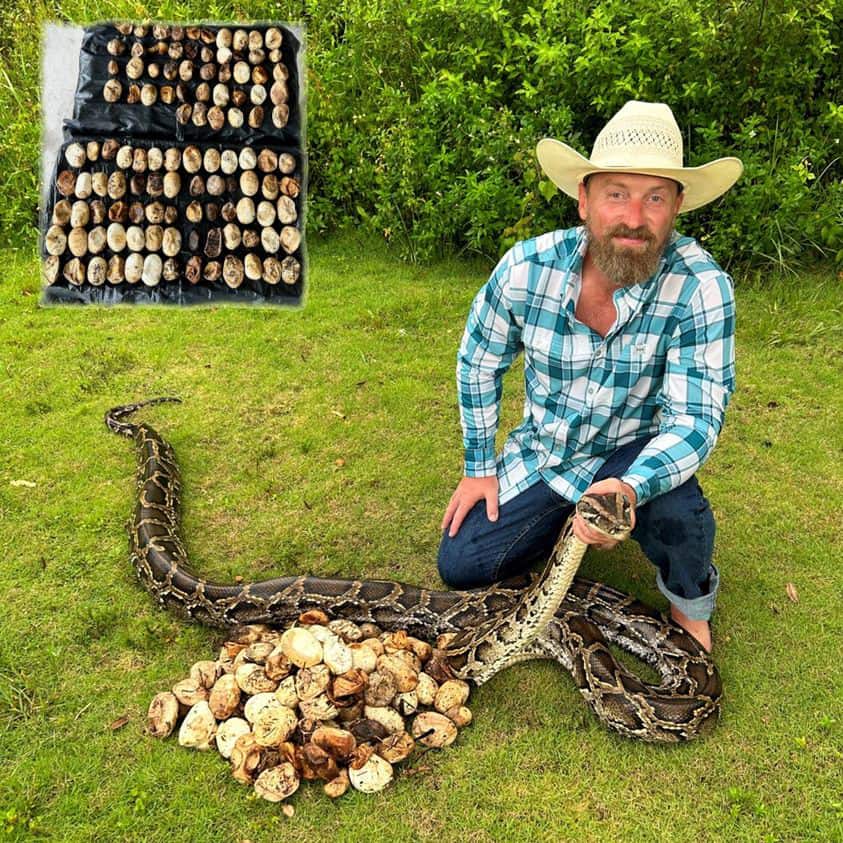
The Florida Fish and Wildlife Conservation Commission has discovered and removed a record-breaking nest of 111 Burmese python eggs in the Everglades. The state agency announced the discovery of the adult female and her nest via Facebook last week—just weeks in advance of the 2023 Florida Python Challenge event aimed at helping remove the invasive reptiles. A contractor with the Python Action Team Removing Invasive Constrictors (PATRIC) found the female Burmese python (Python bivittatus) and its nest.
Despite the legendary aridness of the Sahara Desert and the ecosystems that surround it, gazelles manage to eke out an existence, surviving on plants that, like them, subsist on the region’s minimal rainfall. But long-term drought and escalated human activities have further parched the region, where only a few imperiled gazelle populations hang on in Tunisia’s arid habitats.
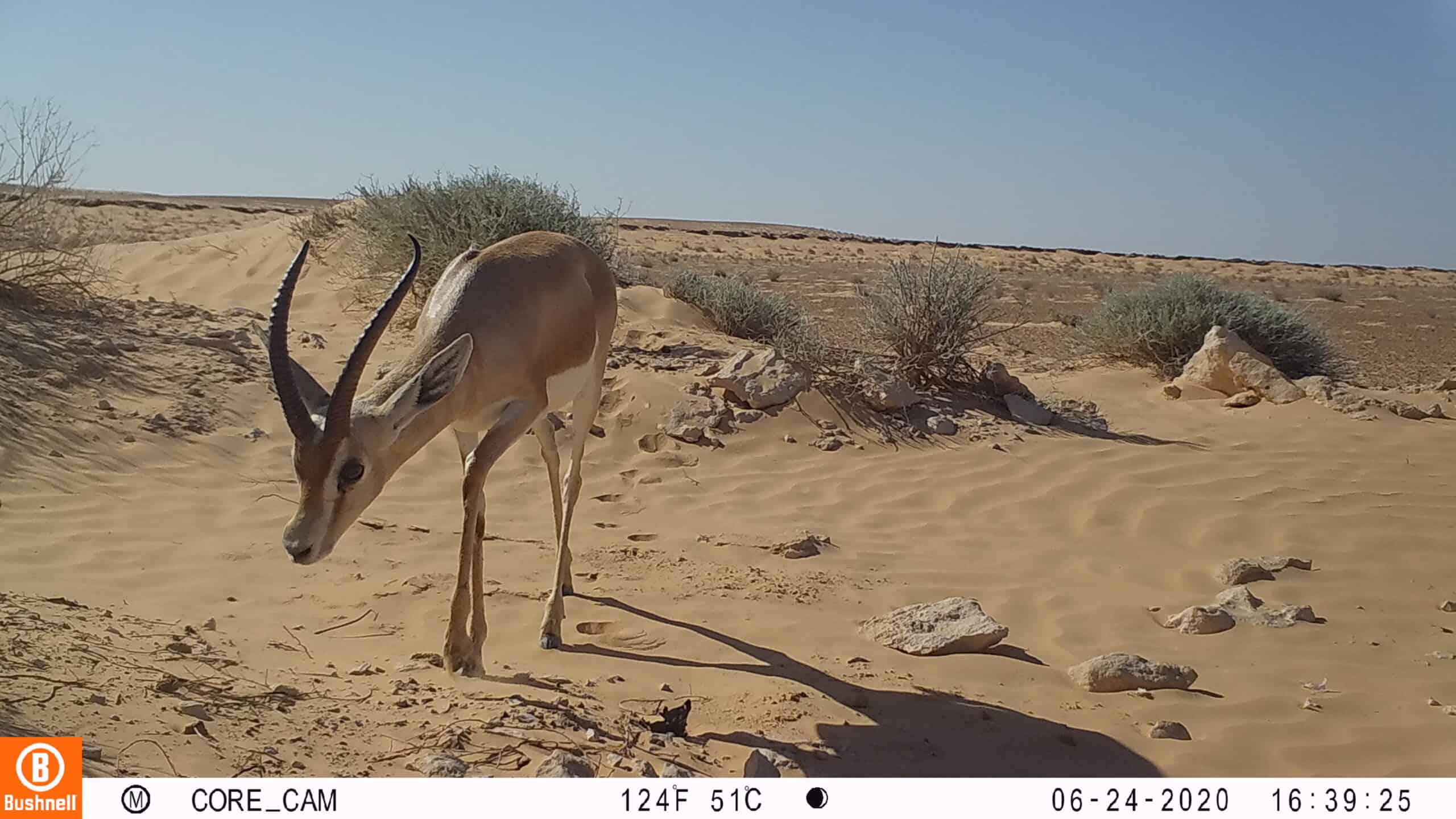
New research now shows that the dorcas gazelle (Gazella dorcas) and slender-horned gazelle (G. leptoceros) likely need larger swaths of protected land to survive in these areas—especially in times of drought.
“Our work in Tunisia is part of our broader direction aiming at restoring a functional Saharan ecosystem where wildlife and people can coexist harmoniously,” said Mohamed Khalil Meliane, a wildlife biologist with Marwell Wildlife, a U.K.-based charity that also works in Africa and Asia. “The gazelles serve as a flagship species, drawing attention to the importance of protecting and conserving the entire ecosystem.”
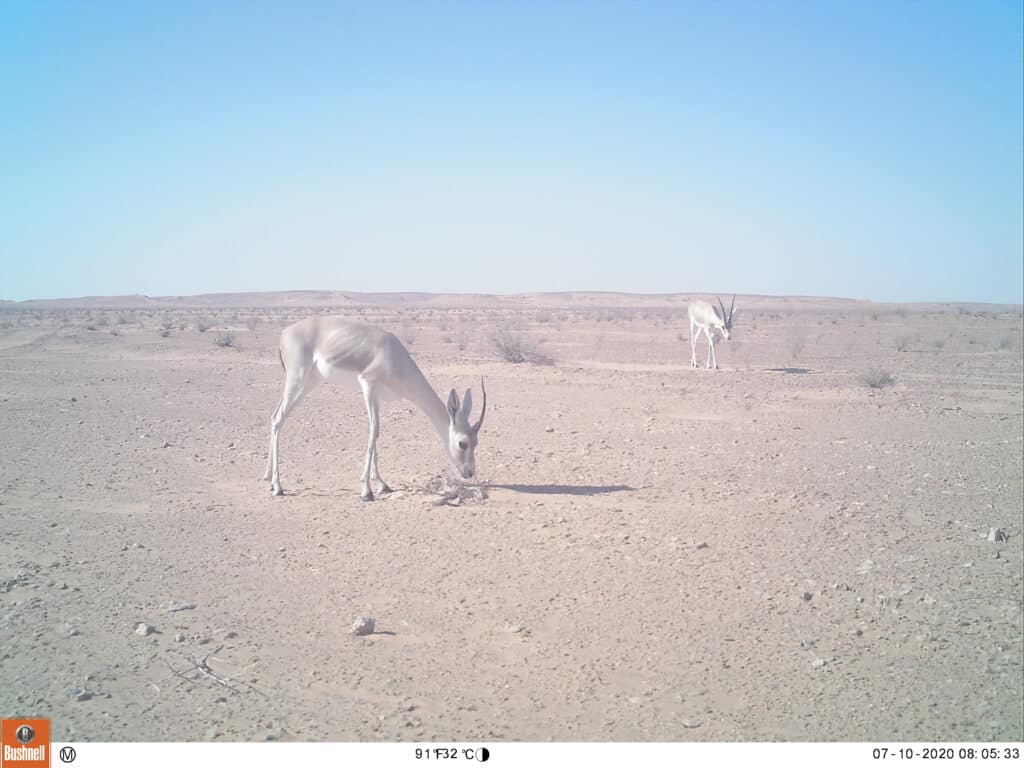
Slender-horned gazelles are categorized as endangered by the International Union for Conservation of Nature while the dorcas gazelles are classified as vulnerable. Both species are adapted to do well in arid landscapes. Dorcas gazelles are more generalist in their habitat selection and expand further north into arid land, while slender-horned gazelles specialize in sandy dune ecosystems.
A pair of slender-horned gazelles, considered endangered by the International Union for Conservation of Nature. Credit: Mohamed Khalil Meliane and Amira Saidi/Marwell Wildlife
In a study published recently in the Journal of Wildlife Management, Meliane and his colleagues used trail cameras to survey the gazelles found in a fenced section of Jbil National Park in southern Tunisia from April 2019 to October 2021. They carefully analyzed the photos, identifying individual gazelles by the unique shape of their horns.
“We were pleased that we found individuals from both species cohabiting in the park,” Meliane said.
But there weren’t many. They only identified one pair of slender-horned gazelles and eight dorcas gazelles inside the fenced area, indicating “that the population was quite small,” Meliane said.
Pairs of both gazelle species used roughly 2,000 hectares of habitat in the fenced area. This suggests the fenced area may not be large enough to protect many of either species, he said—especially given the drought, which can leave the gazelles traveling farther in search of resources.
While Jbil National Park is around 150,000 hectares, only about 7,700 hectares are fenced in an effort to keep poachers out and the animals in. Gazelles are poached for sport in parts of the Sahara, “It’s a social phenomenon,” Meliane said.
The gazelles serve as a flagship species, drawing attention to the importance of protecting and conserving the entire ecosystem.”
Mohamed Khalil Meliane
Fences in the area offer wildlife managers advantages in terms of understanding the ecology and requirements of these species. It also provides a managed source population. Wild gazelles can get in and out of the protected area when dunes swallow parts of the fence. These fenced areas provide protection from poachers for a more genetically diverse source population that currently only exist outside the fence. But the desert’s shifting dunes can destroy any kind of infrastructure, he said making it hard to provide the gazelle with both protection and resources. Expanding the fenced area would only be a temporary solution.
In the future, Meliane said that wildlife managers are hoping to create a safe corridor connecting Jbil with another protected area of the Sahara in southern Tunisia. Ideally, this would be safeguarded by the local communities and other partners.
“Gazelles are certainly fascinating animals, capable of dealing with rough Saharan conditions and managing to survive under human pressure. Their uniqueness further highlights the importance of protecting them.,” Meliane said.
This article features research that was published in a TWS peer-reviewed journal. Individual online access to all TWS journal articles is a benefit of membership. Join TWS now to read the latest in wildlife research.
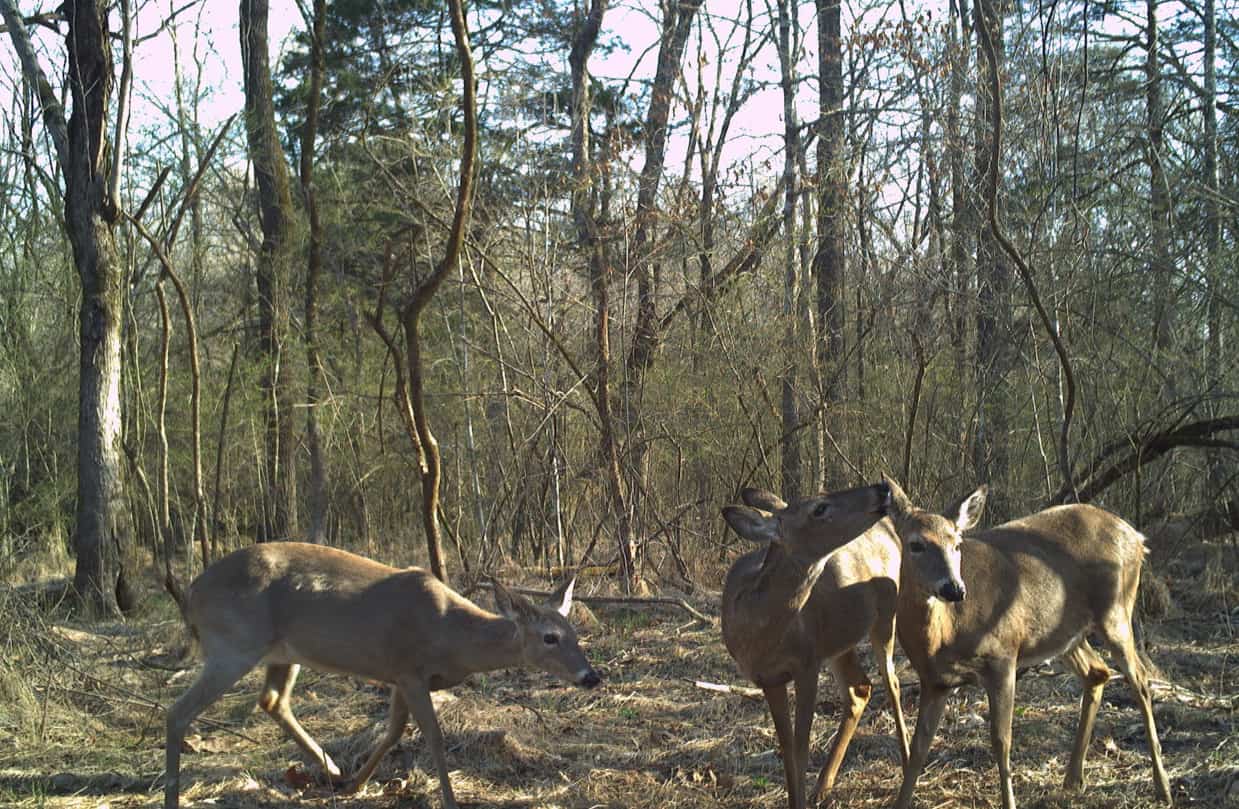
Ticks may be responsible for spreading the deadly chronic wasting disease between deer. Research in Wisconsin has shown that the prions that cause chronic wasting disease can pass through the bodies of black-legged ticks (Ixodes scapularis) after they ingest blood from white-tailed deer (Odocoileus virginianus). The research, published recently in Scientific Reports, also determined that the ticks can carry transmissible levels prions in their blood meal. They could pass this to other deer via certain social behavior, like grooming.
“Deer will groom one another to get places that they can’t reach on their own through self-grooming,” Heather Inzalaco, a researcher with the Wisconsin Cooperative Wildlife Research Unit, said. In this grooming process, they may eat ticks full of CWD prions.
National Science Foundation funding primarily comes through grants, cooperative agreements, contracts and other arrangements awarded to institutions, nonprofits, Tribal nations, for-profit organizations and state and local governments.
In April, the NSF requested public comment on its guide revisions, which include changes in the use of the terms “tribal government” and “tribal nation,” requirements around data sharing and permissions, and criteria for obtaining permissions from Tribes to conduct NSF-funded research.
“I’ve never heard of this kind of genuine action and interest in the public renegotiation of funding mechanisms, like NSF awards,” said Celina Gray, chair-elect for the NPWMWG and a member of the Native American Fish & Wildlife Society. Gray was a contributor to the comments.
“NSF officials were also recognizing the need for input directly from Native wildlife professionals,” Gray said. “Participation in this process effectively swings the pendulum towards a system that could potentially make sweeping strides in addressing inequities for the conservation of wildlife by Native people, on Tribal lands and for collaborative projects.”
In its comments, TWS urged NSF to consider how processes outlined in its guide align with resources currently available for Tribes to engage with and review research proposals and funding opportunities.
“Funding is power when it comes to wildlife, no matter where you work,” Gray said. “We have a long way to go, but man, we collectively, are ready to try hard in our pursuit—’iikahkiimaat,’ as my Amskapi Pikuni relatives say.”
“Funding is power when it comes to wildlife.”
Celina Gray
TWS also noted that, while beneficial, the revised guide could be burdensome for some Tribal governments, for example, in regard to funding proposals that require prior approval from a Tribal nation but lack NSF enforcement procedures. TWS suggested that funding proposals be given a “tentatively awarded” period while required documentation is gathered.
TWS also recommended that “tribes engaging with the NSF funding process should be provided with a clear avenue for communicating concerns about proposals with identified impacts on tribes” and stressed the continued engagement with Tribal nations throughout the revision and implementation process, including engagement with Tribes recognized by states but unrecognized by the federal government.
Last year, TWS provided comments to the administration in support of greater inclusion of Indigenous knowledge in federal policy, an effort that is well-aligned with support for tribal engagement in the NSF funding process.
Those comments were also developed in conjunction with TWS’ Native Peoples’ Wildlife Management Working Group. Members of The Wildlife Society’s Native Peoples’ Wildlife Management Working Group contribute to the wildlife profession as subject matter experts on issues and topics impacting Native Americans of the U.S., Canadian First Nations and Indigenous People globally on the diverse systems of wildlife management.