TWS Supports Wildfire Disaster Funding Act

The Wildlife Society recently signed-on to a letter in support of the Wildfire Disaster Funding Act (WDFA) (S. 235, H.R. 167), a bipartisan bill aimed at dealing with the difficult question of how to allocate funds to fight wildfires. The current process inadequately addresses the growing costs of fighting wildfires, impacting other federal natural resource programs through “fire borrowing” – the practice of siphoning funds from non-fire suppression accounts to make up for a lack of funds in wildfire accounts. The WDFA would change this process to allow for wildfires to receive funding in a similar manner as other natural disasters.

This letter, signed-on to by a diverse coalition of sportsmen’s, conservation, and timber groups, urged the passage of WDFA provisions through a 2016 appropriations package or through another legislative vehicle in order “to ensure this critical budgetary issue is addressed this year.”

This letter was sent a day after the Nebraska Chapter of TWS (NETWS) sent a letter to Nebraska Congressmen Jeff Fortenberry, Adrian Smith, and Brad Ashford also in support of the measure.

Attempts to solve the continuing practice of fire borrowing by adequately funding U.S. Forest Service (USFS) and Department of the Interior (DOI) fire-suppression accounts have been tried previously without success. TWS supported an unsuccessful attempt to pass WDFA last year, and had also done so previously this year.

This letter comes after a Continuing Resolution at the end of September included $700 million in emergency funding to USFS and DOI to help relieve the impacts of fire borrowing. Fire borrowing causes financial uncertainty and work backlogs to wildlife and other non-fire suppression programs.

There is general consensus among elected officials that fire-suppression funding must be addressed. Disagreement over how to go about addressing this issue has resulted in no resolution to date.

The major question lies in whether or not to couple funding fixes with changes to forest management. At a Senate Agriculture, Nutrition, and Forestry Committee Hearing on November 5, this was a common theme of both lawmaker and witness statements. All of the witnesses, including representatives of the Ruffed Grouse Society, National Federation of Federal Employees, American Forest Foundation, Colorado River Water Conservation District, and Trout Unlimited, made it clear that legislative priorities should be in resolving funding issues first by passing WDFA.

Some witnesses spoke of changes to management techniques that would be beneficial, but only if funding issues are dealt with first. Changes discussed included an expansion of the use of categorical exclusions in wildfire prone areas, which would streamline the National Environmental Policy Act review process to allow for quicker wildfire mitigation measures in certain areas. The use of categorical exclusions exists in the Resilient Federal Forests Act (RFFA) (H.R. 2647), a more fiscally conservative take on how to deal with wildfire funding woes.

The WDFA and RFFA have emerged as the two dominant bills in this Congress as to how to adequately fund wildfire suppression. While wildfire funding reform is popular, the ability to pass it in this Congress remains unclear. WDFA has bipartisan support, but many Republicans also want to see management fixes coupled with funding fixes. In contrast, the Administration is against many of the specific management fixes of RFFA as well as the more conservative approach to funding.

TWS Student Chapter Chats with Council Members

A group of 23 enthusiastic students from the University of North Dakota’s TWS student chapter met with TWS council members including Past President Rick Baydack, current President Gary Potts and Central Mountains and Plains Representative to Council Bob Lanka at The Wildlife Society’s 2015 conference in Winnipeg this past October.

“The students got to do very important networking with professionals in the field,” said student chapter adviser Susan Ellis-Felege. “They also had an opportunity to see a variety of applied research occurring across the globe and find possible graduate opportunities.”

After a successful conference this year in which nine UND undergraduates presented posters, the group is looking forward to next year’s conference in Raleigh, N.C., and they’re already working on funding a big group to attend, Ellis-Felege said.

Bannock, Bison and how to Throw a Spear the Manitoba Way

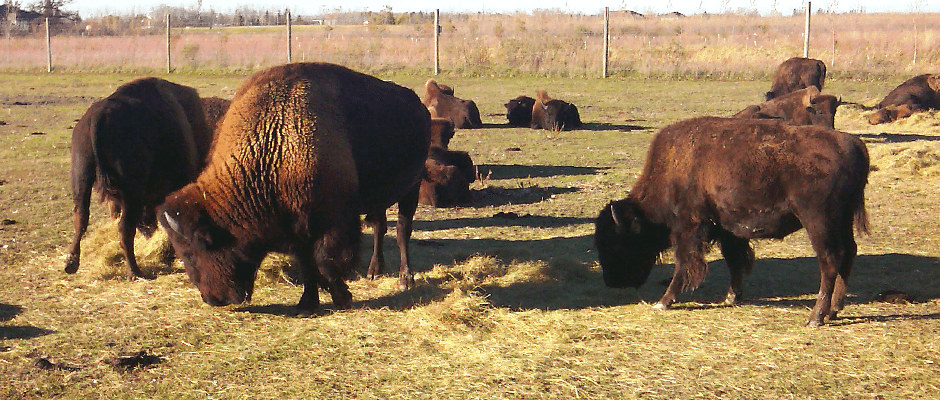
Despite the apathetic look of the animals surrounding our small tour bus, we walked slowly to the open front door, one at a time, to take a few photos of the massive bison.

The bus was stopping at intervals after driving slowly through the herd so as not to disturb the animals, and it seemed to work — several of the calves didn’t even bother to stop milking as we passed. Others spared us a disinterested glance while chewing grass.

IMG_20151021_140107

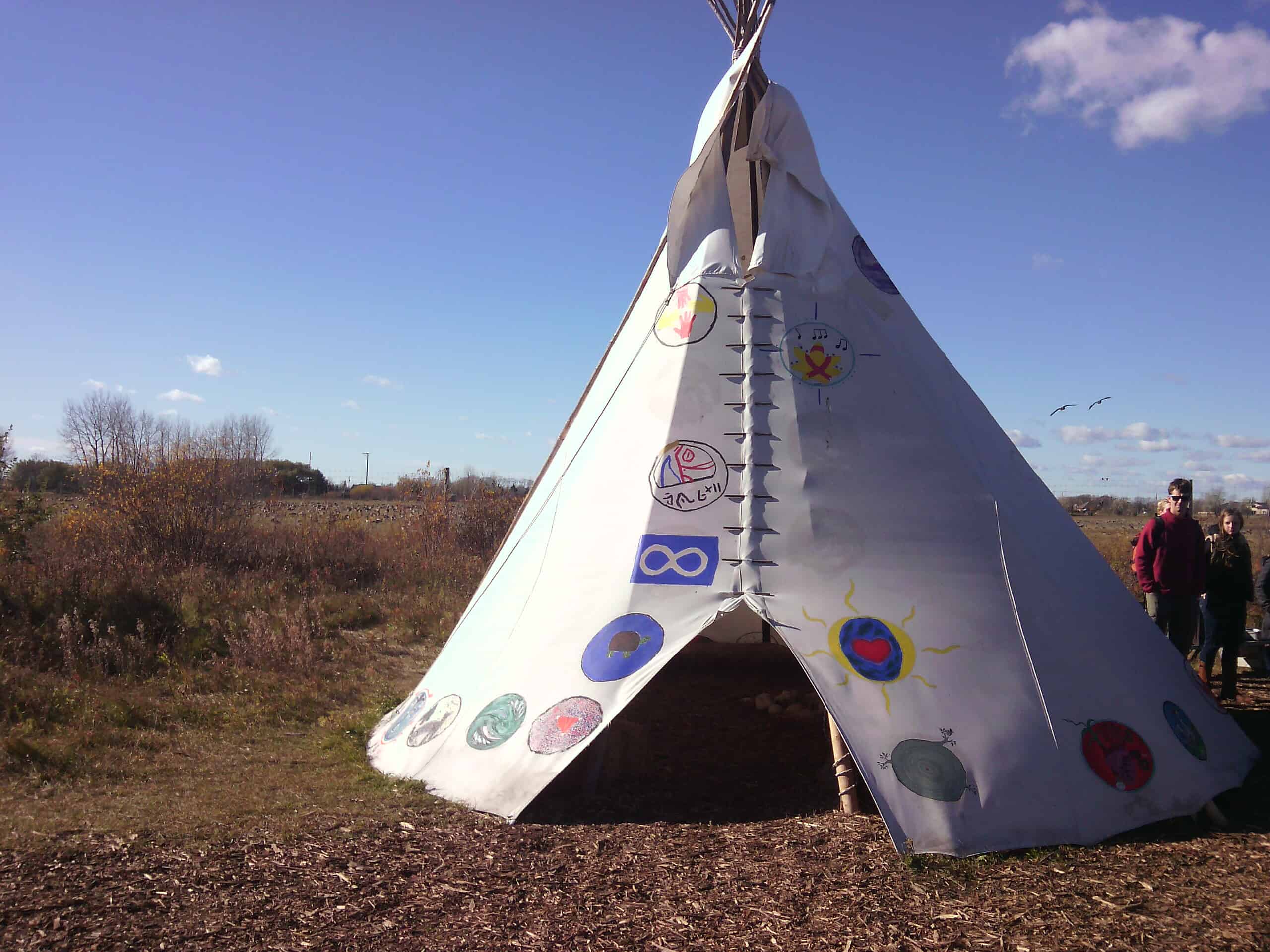
Attendees were able to explore a Plains Cree Tipi and marvel at the design and functionality.

The bison herd at FortWhyte Alive, an environmental, education and recreation center outside Winnipeg, has an alpha male and a self-sustaining population of around 30 animals. Several are harvested every year, some of the meat ending up on plates at FortWhyte’s restaurant. Unlike many animals that turn away from the wind in the winter, bison are shielded by thick fur that they were in the process of growing during our field trip as part of The Wildlife Society’s 2015 conference in Winnipeg.

Earlier that day, we’d walked through a forested part of the area, hot on the acrid scent of wild cranberry in the air. The site where FortWhyte sits hosted an early 20th century clay and gravel mine for cement materials, but the Wildlife Foundation of Manitoba reclaimed the land as potential wildlife habitat after the mid-1900s. In the 1980s, the focus eventually shifted from conservation to the environmental education that continues today.

IMG_20151021_142606

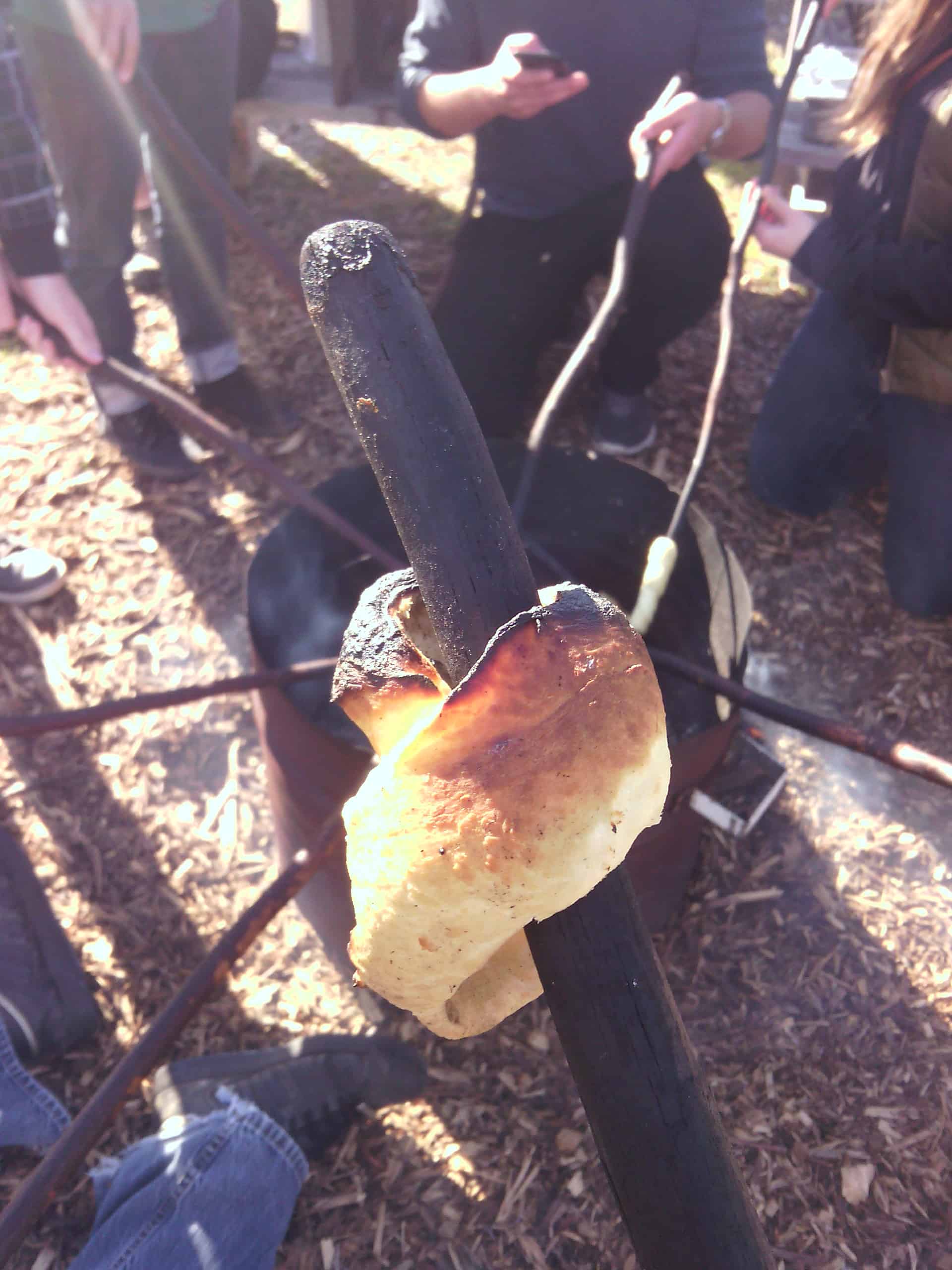
Traditional bannock, made the old fashioned way – cooked over an open fire.

A volunteer guide then showed us how to throw atlatls — a kind of javelin — that hunting ancestors of most humans used at some point. After the physical stress of living up to our prehistoric ancestors, we needed food, and bannock was on the plate, er, stick.

Bannock, at least in the FortWhyte sense, is a kind of flour dough wrapped around a stick and cooked directly over the fire. Succulent and buttery, it was the perfect snack to enjoy inside a Plains Cree tipi, as the October wind blew outside.

FortWhyte is alive with birds. During the bison safari, hundreds of Canada geese lift off the bison plain in a massive curtain before the bus. But dozens of species of chickadees, ducks and woodpeckers are found in the restored marsh and wetland areas of the reserve.

“We are in the Mississippi flyway here,” said A.L. Mickey, a volunteer tour guide for the field trip. The flyway is about 50 miles wide, and birds such as Canada geese sometimes use it to fly as far south as Nebraska.

IMG_20151021_150452

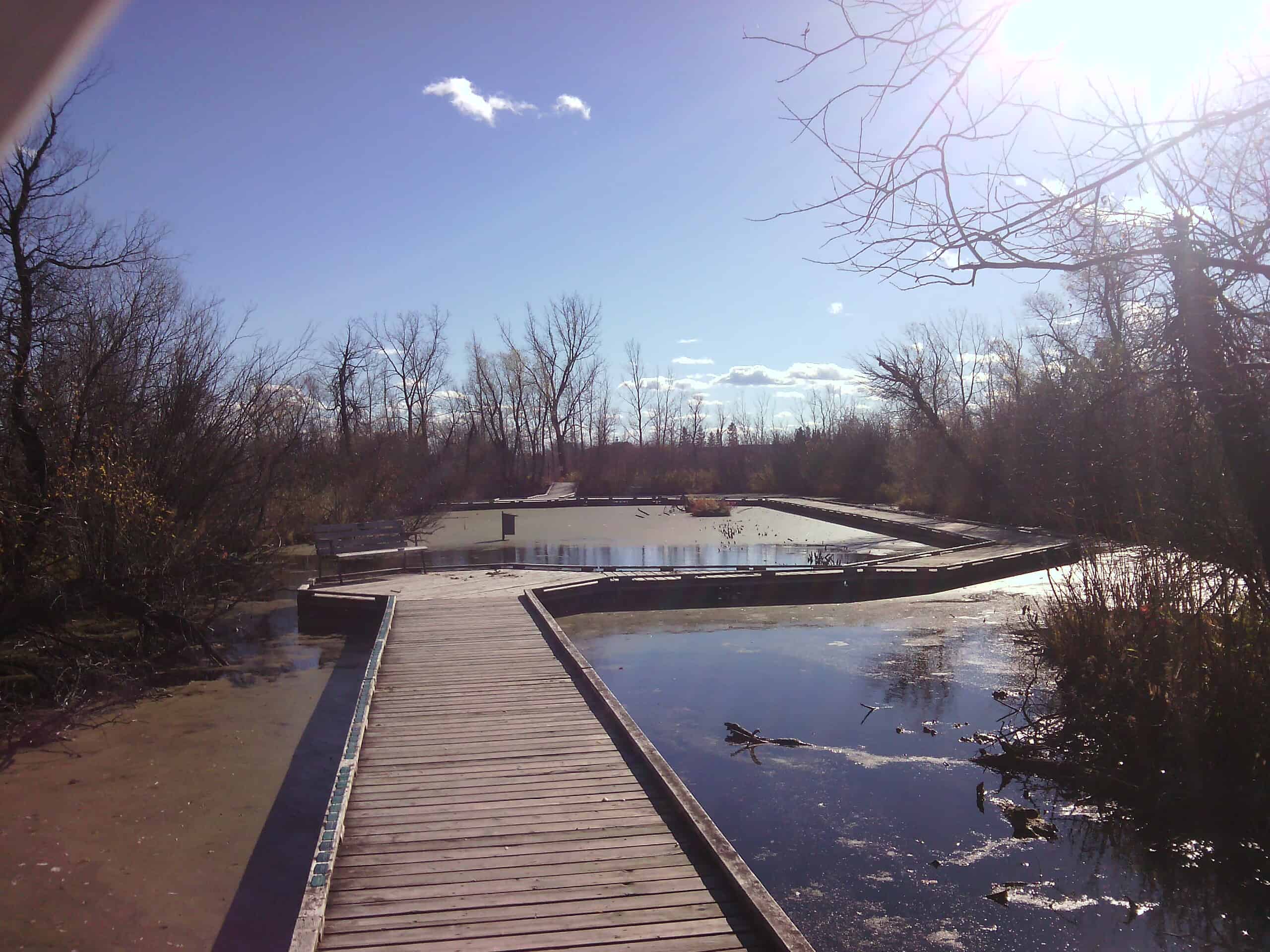
Hundreds of species nest or simply pass through the 640 acres of forests, wetlands and lakes.

The pond had mallards (Anas platyrhynchos) and other ducks while we saw a downy woodpecker (Dryobates pubescens), a black-billed cuckoo (Coccyzus erythropthalmus), black-capped chickadees (Poecile atricapillus) and other species at the birdwatching stations in marsh and forest nearby. Two white-tailed (Odocoileus virginianus) deer led us along the trail for a moment before flitting into the forest, perhaps realizing that we’d recently been trained on the finer points of atlatl use.

We then went into the education center to learn about the relationship between burrowing owls (Athene cunicularia) and black-tailed prairie dogs (Cynomys ludovicianus). The owls use old prairie dog burrows as nests, and sometimes eat young prairie dogs.

Fresh from the experience, we made our way back to the tour bus, but not before I had an angry encounter with a Canada goose. I believe I just passed too closely for the bird’s comfort, but perhaps it too was wary about my atlatl training.

Climate Change May Hurt Survival of Common Lizards

A couple of degrees of difference can make a huge difference when it comes to the survival of lizards in a changing climate, according to new research.

“While a two-degrees warmer climate might seem beneficial at first, as it leads to faster growth of juvenile lizards and earlier access to reproduction, it also leads to lower survival in adult individuals, which should endanger population survival,” said coauthor Elvire Bestion of Exeter University in a release. The study was recently published in PLOS Biology.

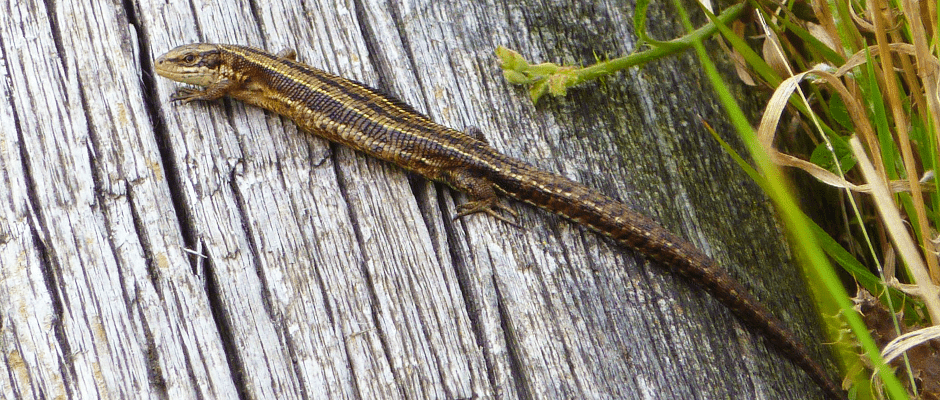
The researchers used a system of semi-natural enclosures with populations of common lizards (Zootoca vivipara) in which they could manipulate the temperatures to create two different climates. One was similar to climates today and another 2 degrees Celsius warmer — the change predicted to occur by 2100.

In the 18 populations they put into the warmed climate enclosures, they found that adult lizards had lower survival rates, and that this could lead to decreased populations and even population extinctions within 20 years.

Coauthor Julien Cote, a biologist at the Laboratoire Evolution et Diversité Biologique in France, said that while the results “might seem dramatic,” they wouldn’t necessarily predict extinction of all common lizards in Eurasia, but rather that populations along the south of their range could suffer a lot as the weather heats up.

In a study covered by TWS earlier this year, researchers found that lizards can be extremely finicky over weather changes, whether warmer or colder. Crested anoles (Anolis cristatellus) in Puerto Rico showed less activity outside a certain narrow temperature range, which has implications for reproduction and survival.

Bestion also said that they witnessed female lizards laying eggs twice during the summer in warmer conditions whereas it usually only happened once. All of these results may show a shift in demographic strategy in which lizards live shorter lives but have higher reproduction rates.

We can wonder whether this strategy shift may help adaptation of populations to warmer climates over time,” Bestion said.

Global Anti-Poaching Act Passed by House

On 2 November the U.S. House of Representatives passed H.R. 2494, the “Global Anti-Poaching Act”. The bill passed by voice vote after 23 minutes of speeches in favor of the act.

Describing the importance of the bill, House Foreign Affairs Chairman Ed Royce (R-CA) said, “The very disturbing reality is that some of the world’s most majestic animals have become ‘blood currency’ for rebel groups and terrorist organizations in Africa,” adding, “Time isn’t on our side. Each day of inaction means more animals poached and more cash for terrorists.”

The legislation seeks action against wildlife trafficking through three main avenues: strengthening and expanding wildlife enforcement networks; punishing countries failing to make efforts to combat wildlife trafficking; and increasing the penalties of wildlife trafficking.

Wildlife Enforcement Networks

Wildlife enforcement networks are government-led, regionally focused programs designed to increase capacity and coordination between law enforcement, environmental agencies, and other organizations focused on countering wildlife trafficking. Networks exist in Southeast Asia, South Asia, and Central America and efforts are underway to establish new networks in Central Africa, the Horn of Africa, South America, and Central and West Asia. In 2014 wildlife enforcement networks played key roles in Operation Cobra II which resulted in over 400 arrests and more than 350 seizures of trafficked wildlife.

The bill offers support and technical assistance to countries engaging in wildlife enforcement. It supports professional ranger training, instituting legal reforms to give rangers the authority needed to combat wildlife trafficking, creating reward and promotion systems for rangers, and institutionalizing national systems to provide insurance to rangers and their families.

Designate Trafficking Countries

The bill instructs the Secretary of State, through consultation with the Secretary of the Interior and the Secretary of Commerce, to create a list of countries that have been determined as major sources, transit points, or consumers of wildlife trafficking products. The listed countries would be notified of their status and given 12 months to make substantial efforts to adhere to international agreements regarding threatened and endangered species. If no progress is made, the Secretary of State may withhold US assistance to offending countries.

Increasing Wildlife Trafficking Penalties

The U.S. Fish and Wildlife Service found that a large portion of wildlife criminals did not receive jail time due to limits on the punishment for wildlife crimes. The act seeks to change that by categorizing wildlife trafficking as equal with weapons and drug trafficking, making it a predicate offense for money laundering and racketeering. In addition the act requires fines, forfeitures, and restitutions from wildlife trafficking charges to be used in federal conservation and anti-poaching efforts.

The Global Anti-Poaching Act has been referred to the Senate and is waiting floor consideration.

Wildlife Field Course Opportunity for Students

The Northeast Section of the The Wildlife Society, in cooperation with Castleton State College and the Vermont Department of Fish and Wildlife, will be hosting our 8th annual 2-week Wildlife Field Course in Castleton, Vermont, May 15-28, 2016.

Please visit the course website for details and application materials.

The course fee is $950 and includes 3 undergraduate or graduate credits through Castleton State College and room and board for the 2 weeks.  The course is housed at the Vermont Fish and Wildlife Department’s Edward Kehoe Conservation Camp near Castleton with much field work on the nearby Bird Mountain Wildlife Management Area.  The course emphasizes hands-on experience with basic field techniques and small group work organized around the theme of conducting a biological inventory.  The course is led by practicing wildlife biologists and ecologists who volunteer their time to serve as instructors providing great networking opportunities and career perspectives during evening discussion sessions.  We usually have 20+ guest instructors from various state and federal agencies, consulting firms, and universities.

Enrollment is capped at 20 students; don’t get stuck on the waiting list, sign up soon.

Read reflections from previous course instructors and students on the USFWS Northeast Region’s blog.

Sources: John McDonald, Northeast Section of TWS

Spruce Beetle Infestations Not to Blame for Fire

The tiny spruce beetle (Dendroctonus rufipennis) has been blamed for an increase in forest fires in Colorado, but new research shows the critters aren’t necessarily at fault.

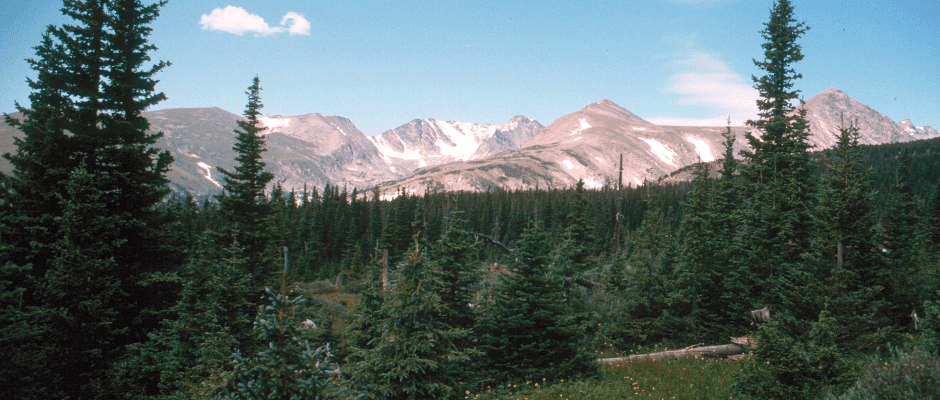
As part of a study, recently published in the journal Ecological Applications, researchers examined the barks of dead trees in subalpine forests of southwestern Colorado for signs of beetle presence in order to determine which trees were killed by high-severity forest fires and which fell victim to bark beetle infestations — and whether the two were connected.

“Our key findings were that an increase in spruce beetle infestation didn’t lead to higher fire severity,” said Robert Andrus, a PhD student at the University of Colorado, Boulder and lead author of the study. “High fire severity is more likely caused by topography and weather patterns.” According to Andrus, for a subalpine forest to burn, there needs to be dry, windy conditions because high subalpine forests are cool and wet.

Coincidentally, bark beetle outbreaks are also driven by warm and dry conditions. “It’s infrequent for these two events to overlap, but it’s likely that they will overlap more frequently with climate change,” Andrus said.

At a time when policymakers and land managers are pouring money into the problem — the 2014 Farm Bill authorized $200 million to help reduce the risk of insect outbreak, disease and wildfires across National Forest lands — according to Andrus, understanding the nature of the interaction between these two disturbances would also help. “From an ecological perspective, it’s helpful for managers to know bark beetle outbreaks aren’t the driver of fire severity in subalpine zones,” he said.

Humboldt State University Continues Quiz Bowl Winning Streak

It took three months of endless studying and practice competitions for the Humboldt State University team to ace the 2015 Quiz Bowl at The Wildlife Society’s 22nd annual conference in Winnipeg for the second time in a row and the 11th time overall.

“Winning the Quiz Bowl was exciting,” said Abby Rutrough, a wildlife biology undergraduate student at Humboldt. “There were so many smart and well-rounded teams, playing them was fun and challenging.”

Humboldt made it to the final round of the Quiz Bowl, a friendly tournament between over 20 universities where students are tested on their knowledge about all things wildlife, from taxonomy to wildlife management. The team from California was up against five wildlife biology students from Ontario’s Lakehead University in the final round. “I was personally very surprised that we won that night because of how impressive the other schools were,” said Humboldt’s Alexander Robinson. “At no point did I feel confident that we were going to win until the time ran out for the last match.”

TWS Council members on the president’s and the past president’s team compete to see who knows the most about wildlife, which ended up in lots of laughter.

TWS Council members on the president’s and the past president’s team compete to see who knows the most about wildlife, which ended up in lots of laughter.

Quiz Bowl participants answered questions that ranged from “What is the highest honor you can receive as a wildlife biologist?” to “Can you identify four different species of warblers by their photograph?” Participants were also shown samples of wildlife specimens to identify as part of some questions. Humboldt’s team emerged with a total score of 210-35 against Lakehead after nearly six hours of battling it out with other schools. Other teams competing included schools such as the University of Tennessee, the University of Georgia, Virginia Tech and the University of Winnipeg.

The winners thanked their student chapters for helping them achieve the big win. “My proudest moment was coming back to our group after the first game,” Rutrough said. “Our fellow students vote for who will be on the Quiz Bowl team and they put a lot of faith in us, so it was amazing to see how happy and proud that first win made everyone.” The students prepared for the competition by taking a three unit course at their university in which they competed in mock tournaments.

While nerves may have been high for some students, being able to share their knowledge and passion for wildlife made the Quiz Bowl worthwhile. The Geezer Bowl — an event where TWS council members on either the president’s or past-president’s team compete for who knows the most about wildlife that took place during a break in the middle of the Quiz Bowl — was another highlight of the night that ended in plenty of laughs.

The winners received two plaques — one to put up at their school and one that’s displayed at The Wildlife Society headquarters in Bethesda, Md. “My proudest moment was seeing the happiness and relief of my teammates on stage when the timer buzzed and ended the final match against Lakehead University,” said Jane Wong, an alternate on the Humboldt team. “I knew they were stressed and nervous but they kept the legacy and made our school proud.”

Eavesdropping on Tiger Roars Can Improve Conservation

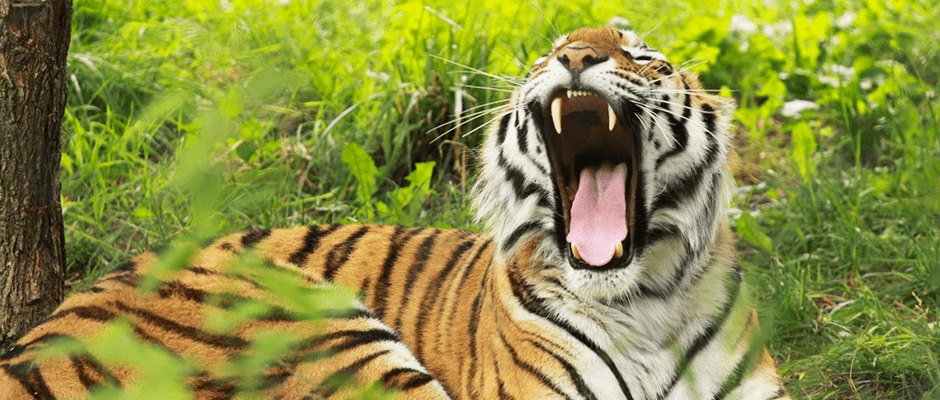
Researchers have long been able to recognize a tiger by its stripes, but new techniques in sound recording may mean the stripes are no longer necessary — it could be all in the roar.

“We’re trying to find a more efficient way to survey tigers in their natural habitat,” said Emily Ferlemann, director of communications for the Prusten Project and president of the Kansas State University student chapter of The Wildlife Society. “The hope with this is that with one recorder you could cover an entire forest.”

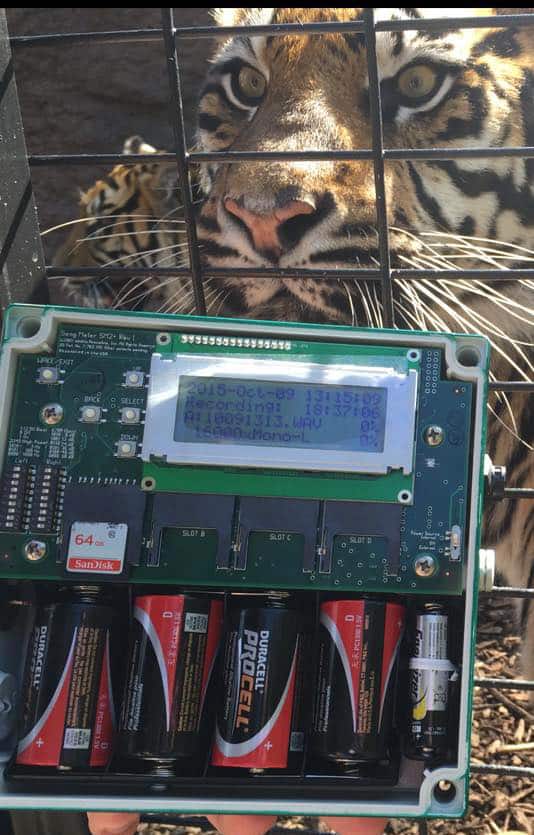
A tiger at Topeka Zoo with a recorder. Image Credit: Emily Ferlemann

A tiger at Topeka Zoo with a recorder. Image Credit: Emily Ferlemann

Bengal tigers (Panthera tigris tigris) are enormous but spread thinly across the landscape even when populations are doing well. Plus, the animals specialize in stealth and secrecy — making population tracking difficult for biologists.

“The current methods of monitoring just by walking through the forests or using camera traps are not as efficient as one would hope,” Ferlemann said. “With dense forests it’s hard to get an accurate picture with a camera trap.”

But tiger roars are unique to each individual. The Prusten Project was set up to determine whether conservationists could use these sounds for remote monitoring, and eventually to help in the overall conservation of the species.

Ferlemann said that the researchers have been using recorders to capture tiger roars and other vocalizations in a number of zoos. They then take these sounds and analyze them in Raven Pro — an acoustic sound program created by the Cornell Lab of Ornithology for acoustic analysis.

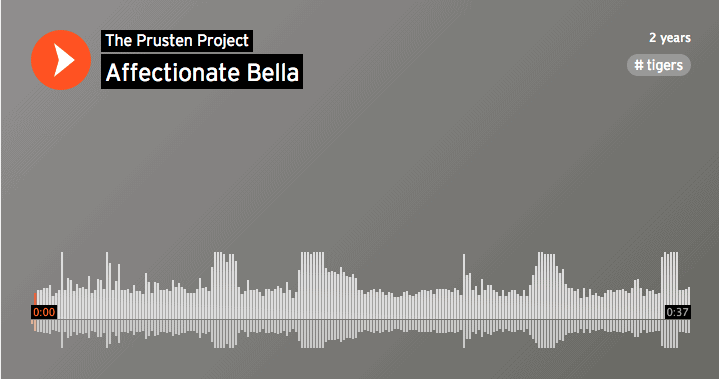
“Basically it lets you see the whole spectrogram,” Ferlemann said, adding that this spectrogram leaves an acoustic fingerprint distinct for each individual. “They look kind of like tiger stripes.”

A spectrogram from Raven Pro showing a full sound make by a female tiger. Image Credit: The Prusten Project

A spectrogram from Raven Pro showing a full sound make by a female tiger. Image Credit: The Prusten Project

But that isn’t all — researchers can also recognize patterns between different tiger sounds that indicate whether a given animal is male or female, or even how old the animal may be.

“The hope is to have a more accurate way to sense this. It would give us a more accurate idea of what their range is.”

Their initial study only tracked captive Bengals in zoos in U.S. and Canada — eight females and nine males in total — but they continue to record tiger vocalizations in zoos. But Ferlemann said they are onto their next step, working with the Bukitbarisan Sumatran Tiger Rangers in Indonesia to put out recorders as well.

“Until we have it in an actual forest and try recording it we’re not going to have an answer for how good it actually works,” she said of the recording device and technique.

But she’s optimistic about what it could mean for determining tiger ranges in the future, and how this could lead to better conservation of the species. She also says it could eventually be expanded to species beyond tigers or other big cats.

“This has kind of all taken off quickly,” she said. “We hope to branch out to other species.”

Screen Shot 2015-11-04 at 2.13.47 PM
Tiger roars can be unique to an individual, as exemplified by this “barking” tiger from the Tulsa Zoo in Oklahoma. Credit: The Prusten Project

Screen Shot 2015-11-04 at 2.10.47 PM
In contrast, here’s the sound of a female Bengal at Big Cat Rescue near Tampa Bay, Fla.

White-Nose Syndrome Discovered in China

For the first time, researchers have found that white-nose syndrome — a deadly disease that’s wiped out numerous bat populations — isn’t confined to Europe and North America; it’s also in China.

“Up until this point, there has been a European-centric view about white-nose syndrome,” said Joseph Hoyt, a graduate student at the University of California, Santa Cruz and lead author of a recent study published in the journal Emerging Infectious Diseases. A lot of management solutions and understanding of the disease come from Europe, he added.

In collaboration with Northeast Normal University in northeast China, Hoyt tested bats in the region’s caves to determine if they are infected with P. destructans, the fungus that causes white-nose syndrome. “We didn’t know much beyond how widespread this pathogen is and that it’s causing mortality in other areas,” he said.

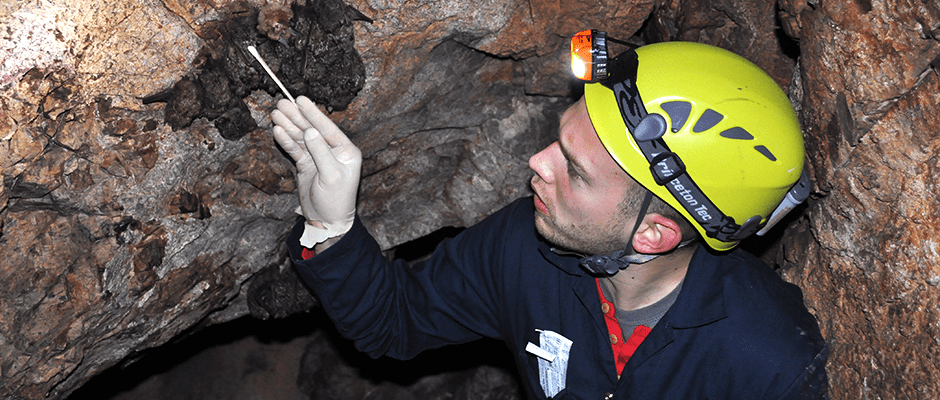
Hoyt and his team visited three provinces in northeast China in the summer of 2014 and collected samples from different species of bats. The sites they chose resembled climate conditions to Europe and North America where the fungus has been detected. The researchers found that three different bat species tested positive for the fungus including the eastern long-fingered bat (Myotis macrodactylus), the large myotis (Myotis chinensis) and the Ussuri tube-nosed bat (Murina ussuriensis).

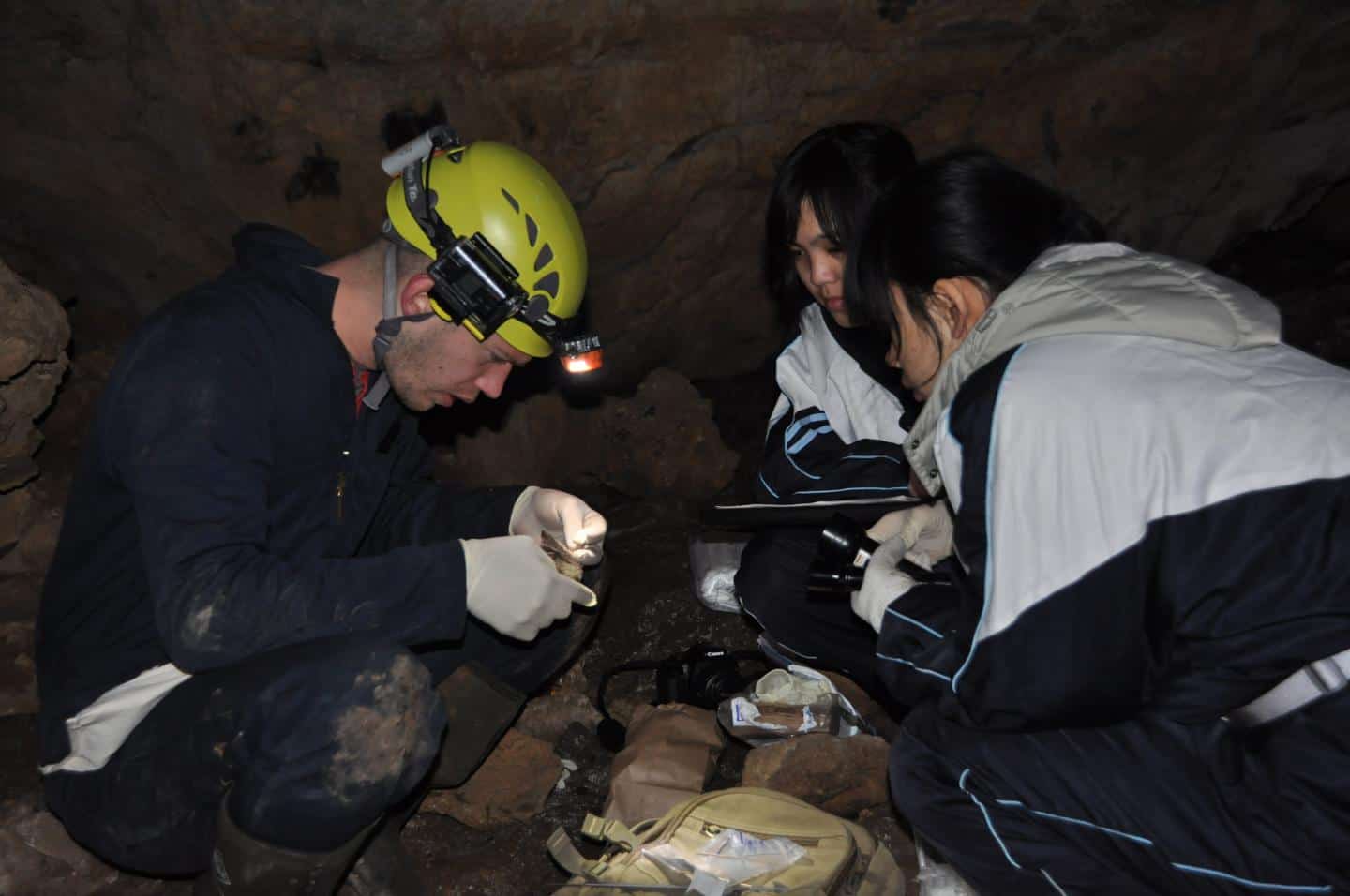
Lead author and graduate student Joseph Hoyt swabs a bat in a cave in northeast China with two graduate students from Northeast Normal University to. Image Credit: Guanjun Lu

Lead author and graduate student Joseph Hoyt swabs a bat in a cave in northeast China with two graduate students from Northeast Normal University to. Image Credit: Guanjun Lu

As a follow up, the team sampled bats in March of this year to retest them for the fungus, and detected P. destructans in three additional species including eastern water bats (Myotis petax), the greater horseshoe bat (Rhinolophus ferrumequinum) and the greater tube-nosed bat (Murina leucogaster). Hoyt and his team collected tissue samples from bats and also completed culture swabs to grow the fungus and to compare the samples to P. destructans. The team also detected lesions on Eastern water bats that were confirmed to be a result of the deadly fungus.

Still, bat mortalities as a result of the disease don’t appear to be as high in northeast China compared to the U.S. “It’s likely the fungus has been present in Europe and China for tens of thousands of years,” he said.

Hoyt urges people — especially cavers and researchers — to think cautiously when traveling to different regions of the world. “It’s risky not to know where pathogens are present when going into North America. It’s possible that people could be moving it around to new locations,” he said. “We need to be really careful cleaning our gears and moving between sites.” While it’s rare that the fungus will be spread by humans, all it takes is one event to cause devastating effects, Hoyt said. “Anything we can do to reduce the risk, we should,” he said.

Hoyt hopes to continue research on white-nose syndrome in China. He plans to study winter survival of bats in areas where the fungus has been established for a long time and to further examine the mechanisms that could be allowing bats to persist with the fungus.