Sneak preview: 2016 conference workshops

The Wildlife Society’s 23rd Annual Conference in Raleigh, North Carolina, promises to be one of our organization’s biggest and best events ever! Early projections indicate that the October 15-19 event will draw at least 1,800 professionals and students.

Over the next two weeks, we’ll be unveiling our full lineup of workshops, plenary/keynote, symposia and panel discussions that will be a portion of the more than 500 educational opportunities available to you as a conference attendee. Our education and training program will continue the theme of our jointly-hosted workshop at the recent North American Wildlife and Natural Resources Conferences—reconnecting wildlife science and management—while spotlighting how effective partnerships are making a big impact on wildlife management and conservation.

Workshops will be conducted on Saturday, October 15. Six of the 12 workshops are highlighted below with abbreviated general descriptions. We’ll preview the rest of our amazing lineup of workshops on Tuesday, April 12.

Complete abstracts will soon be available at our conference website. A limited number of slots are available for each workshop to improve the experience and value for attendees, so mark your calendar and register early to secure your spot!

Wild Pig Management and Research Techniques
Organizers: David Keiter, University of Georgia, Savannah River Ecology Laboratory, Aiken, SC; Michael Cherry, University of Georgia, Jones Ecological Research Center, Newton, GA; James Beasley, University of Georgia, Savannah River Ecology Laboratory, Aiken, SC; Michael Conner, University of Georgia, Jones Ecological Research Center, Newton, GA

Supported by: TWS Wildlife Damage Management Working Group; the Berryman Institute

This workshop will include hands-on demonstrations of novel and established methods in management and research of wild pigs, demonstrations of different live-trap styles, thermal imaging and night vision technology, techniques for processing captured animals, and more. Attendees will also engage in group discussions of wild pig management, pig spatial ecology, disease surveillance research and management, use of unmanned aerial vehicles (UAVs) in wild pig damage management, eradication efforts, and wild pig population ecology. This workshop is designed to help you prepare for working with wild pigs in areas where they are not yet established, and provide additional information and knowledge resources to those who are already involved in the management and research of these animals.

Modeling & Visualizing Wildlife Spatial Behaviors in 3D
Organizers: Jeff A. Tracey, U.S. Geological Survey, San Diego Field Station, Western Ecological Research Center, San Diego, CA; James K. Sheppard, San Diego Zoo Institute for Conservation Research, Escondido, CA

Supported by: Spatial Ecology & Telemetry Working Group

Advances in biotelemetry biologgers are enabling the collection of bigger and more accurate data on the movements of free-ranging wildlife in space and time. However, current estimators fail to capitalize on the 3D profiles offered by modern GPS biotelemetry datasets. This workshop will teach important concepts and skills to facilitate the analysis, modeling and visualization of wildlife space use in 3D, alternating between lecture content and hands-on exercises using case studies. The skills-based component of the workshop will focus on use of the mkde package for R, taking users through typical workflows including importing x,y,z biotelemetry location data and bounding layers, visualization and animation of 3D home range volumes, interpretation of results, and exporting into various formats for further analyses.

Sustaining Green Infrastructure in the City of Oaks
Organizers: Chris Moorman, North Carolina State University; George Hess, North Carolina State University; Nils Peterson, North Carolina State University

Supported by: Urban Wildlife Working Group

Raleigh, the capital of North Carolina, is known as the “City of Oaks” for its many oak trees which line the streets in the heart of the city. It is one of the fastest-growing cities in the country with a municipal population just under a half million people within a county of more than one million. The combination of a rapidly expanding urban matrix and the desire to maintain the green character of the city make Raleigh a perfect case study of the opportunities and challenges associated with urban wildlife conservation. This workshop will be entirely in the field and will include stops featuring:

  • Local greenways to discuss research-based design strategies to conserve wildlife habitat
  • A local natural area to learn about the WakeNatures Preserve Partnership to conserve high quality greenspace
  • A conversation with Robin Moore about the Natural Learning Initiative to connect kids to the natural world at a park Robin designed for that purpose
  • A demonstration of management practices to promote American woodcock and chimney swift conservation in the city
  • A tour of a 300-acre forest where prescribed fire and timber harvests are used adjacent to highly developed areas that include the home of Carolina Hurricanes professional hockey team
  • Hands-on activities using camera traps to explore urban wildlife ecology

Forestry 101 for Wildlife Biologists and Managers
Organizers: Andrew Crosby, Michigan State University, East Lansing, MI; Blake Murden, Port Blakely Companies, Tumwater, WA; Fill Witt, University of Michigan-Flint, Flint, MI

Supported by: TWS Forestry and Wildlife Working Group

Timber management has a big impact on wildlife habitat, and offers one of our most powerful tools for manipulating habitat to meet specific wildlife management objectives. Though this workshop, we will provide wildlife biologists with the basic tools they need to understand forest management decision-making and help them communicate with foresters to ensure that both wildlife habitat and timber production goals are met.

The objectives of this workshop, which will be taught as a series of classroom lectures in the morning and hands-on practice at the Duke Forest during the afternoon, include providing you with:

  • An understanding of forestry principles and common silvicultural practices
  • A basic working knowledge of how foresters measure and describe forests
  • Familiarity with standard forestry objectives and terminology
  • Knowledge of the use of silviculture as applied forest ecology in wildlife management

Development of a Student/Professional Mentoring Program
Organizers: Susan P. Rupp, Enviroscapes Ecological Consulting, LLC, Springdale, AR; Kristi Confortin, Ball State University, Department of Biology, Muncie, IN; Paige Schmidt, U.S. Fish and Wildlife Service, Tulsa, OK; Diana Doan-Crider, Animo Partnership in Natural Resources, Texas A&M University, Medina, TX; Maggi Sliwinski, University of Nebraska, Lincoln, NE; Larkin Powell, University of Nebraska, Lincoln, NE; Misty Sumner, Texas Parks and Wildlife Dept., Van Horn, TX

There is concern within the wildlife profession about the potential disconnect between what students are learning in academia versus what skills are needed by professionals within the workforce (Scalet 2007, Parker et al. 2008, Rupp 2012). Formalized mentoring can provide career development and psychosocial skills, recruitment opportunities, and information transfer while providing personal satisfaction for both the mentor and mentee (Wells et al. 2005).

In this workshop, we will use a case study from South Dakota and results from an online TWS membership survey to generate discussion about how a larger student-professional mentoring program across TWS may be developed nationwide. With engagement from participants, the workshop will:

  • Provide a background on student-professional mentoring through presentations and discussion of survey results
  • Provide a forum for discussion about how to best engage students and professionals
  • Compare and contrast potential logistical obstacles at state versus national scales
  • Identify potential solutions
  • Produce a model for possible implementation by TWS in 2017

An Introduction to Spatial Capture-Recapture
Organizers: J. Andrew Royle, USGS Patuxent Wildlife Research Center, Laurel, MD; Chris Sutherland, Department of Environmental Conservation, UMASS-Amherst, Amherst, MA; Richard B. Chandler, Warnell School of Forestry and Natural Resources, University of Georgia

Supported by: Biometrics Working Group

This workshop will be based around the book by Royle, Chandler, Sollmann and Gardner (2014) “Spatial Capture-Recapture” which participants will receive. Topics that will be covered include fitting spatially equivalent versions of standard capture-recapture models (M0, Mb, Mt), fitting models of landscape connectivity and spatial variation in density, multi-session and sex-structured models, and models that use samples with partial or no identity (mark-resight models, integrated models, and related).
Improving wildlife damage management one sense at a time

What do disease detection, repellents, and aircraft-bird collisions have in common? All require a knowledge of how animals perceive their surroundings. Scientists at the National Wildlife Research Center (NWRC), the research arm of the USDA Wildlife Services program, have a tradition of studying sensory systems—how animals see, smell, hear, taste and touch. By understanding these mechanisms, researchers can design effective and selective damage management tools. Three examples illustrate NWRC research on sensory ecology and damage management.

Aircraft Detection and Avoidance

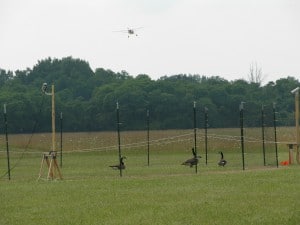
NWRC researchers are studying the visual systems of Canada geese to learn how they perceive approaching objects, such as airplanes. Photo by USDA Wildlife Services

NWRC researchers are studying the visual systems of Canada geese to learn how they perceive approaching objects, such as airplanes. ©USDA Wildlife Services

“Escaping from threats is critical for animal survival,” states NWRC research wildlife biologist Travis DeVault. “Unfortunately, animals do not always perceive man-made objects, such as cars and airplanes, as a threat until it is too late.”

Lighting systems that exploit avian visual sensory capabilities and antipredator behavior can allow birds to react more quickly to avoid approaching objects. NWRC, Purdue University and Indiana State University scientists have confirmed that certain light wavelengths and pulse frequencies can evoke an earlier escape response in birds. Studying the flight initiation distances of several bird species when approached by vehicles of varying size and speed is helping to better understand how birds perceive and react to approaching objects. This information is useful in designing tools that maximize the chances a bird will detect aircraft and other approaching objects and initiate an appropriate escape response.

Sniffing Out Disease

In the late 20th century, scientists noticed diseased cells create a unique scent, which some animals had the ability to detect. NWRC and Monell Chemical Senses Center researchers are using this knowledge to create new diagnostic tools to detect wildlife diseases.

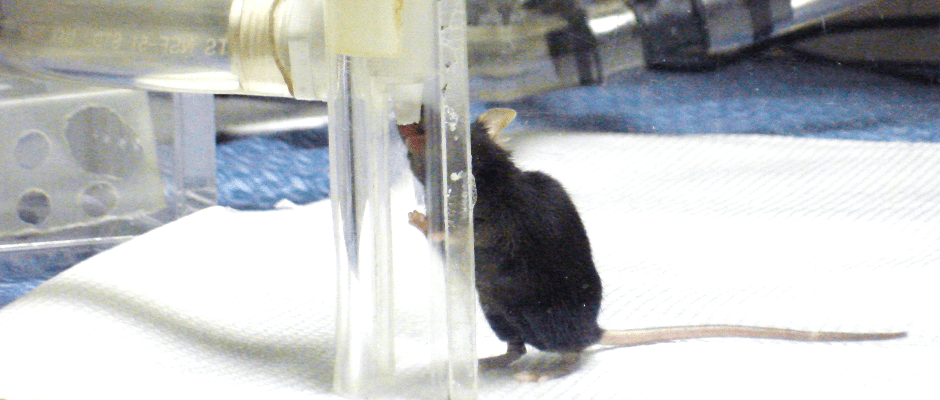
Over several months in 2012, mice were trained to sniff out feces from ducks infected with low pathogenic avian influenza. NWRC research chemist Bruce Kimball notes, “The mice successfully discerned between infected and uninfected feces more than 90 percent of the time.” Further experiments showed mice can distinguish whether other mice have been vaccinated.

Now, NWRC researchers are comparing odor changes caused by vaccination with those produced by inflammation to see if these changes have diagnostic potential. They are investigating the longevity of odor responses and whether odor changes can produce behavioral changes in natural systems. For instance, other studies have shown some animals avoid parasitized members of their species. Researchers will determine if vaccination also produces avoidance, which may impact wildlife vaccination programs.

Building a Better Repellent

NWRC researchers are studying the visual systems of Canada geese to learn how they perceive approaching objects, such as airplanes. Photo by USDA Wildlife Services

NWRC researchers are studying the visual systems of Canada geese to learn how they perceive approaching objects, such as airplanes. ©USDA Wildlife Services

Taste, smell, sight, and tactile cues help mammals and birds identify and discriminate among foods, but play somewhat different roles in food preferences and food selection. In studies with captive red-winged blackbirds, NWRC researchers have learned blackbirds use chemosensory and feeding experiences, as well as color or visual cues, to select or avoid certain foods.

“In experiments, we saw blackbirds associate the color of food with a particular feeding experience, and then apply their past experiences to avoid toxins,” states NWRC research wildlife biologist Scott Werner.

Using this information, NWRC researchers created a unique strategy to protect crops. First, a bird repellent is applied to target crops in sufficient quantities to repel birds. Subsequent treatments include the repellent and a visual cue that exhibits an ultraviolet absorbance spectrum or color similar to the repellent. Thus future repellent treatments can be applied at significantly lower amounts. The effort has led to the patent “Ultraviolet Strategy for Avian Repellency” (US 9,131,678 B1) and a subsequent license with a private company.

Wildlife Services is a Strategic Partner of TWS.

Wildlife conservation from outer space

A cloudy day isn’t necessarily a bad day — at least when it comes to wildlife conservation.

A recent study published in PLOS Biology shows that clouds observed by NASA satellites can be used to help identify suitable species habitats.

Current information on species’ locations and range limits are based on scattered observations from field data and museum collections, said Adam Wilson, assistant professor in the University at Buffalo’s geography department lead author of the study. This information is then combined with environmental data such as temperature and precipitation to make inferences on where species are likely to occur.

In an effort to improve these distribution models, Wilson and other researchers at the University at Buffalo and Yale University decided to look to the clouds. “Cloud cover is an underappreciated environmental factor that affects many ecological processes,” Wilson said. For example, clouds influence incoming sunlight and available energy as a result. In addition, “some animals behave differently on cloudy versus sunny days,” he said.

Clouds are also easily detected from space. Using NASA’s Terra and Aqua satellites that orbit Earth, the team obtained two observations of cloud cover per day for almost every square kilometer of the planet from 2000 to 2014. These twice-daily images were then processed into long-term summaries capturing the spatial variability of cloud frequency — the proportion of days that are cloudy in each location — globally.

Researchers found that satellite observations of cloud cover can help predict the geographic range of the king protea plant in the Cape Floristic Region of South Africa. ©Adam Wilson

Researchers found that satellite observations of cloud cover can help predict the geographic range of the king protea plant in the Cape Floristic Region of South Africa.
©Adam Wilson

Cloud cover influences how much sunlight reaches habitats and therefore the vegetation that exists, allowing the researchers to make predictions regarding habitat for certain species. Wilson and his team used the data to determine ways to improve predictions of suitable habitat for the montane woodcreeper (Lepidocolaptes lacrymiger), a South American arboreal songbird and similarly for king protea (Protea cynaroides), a South African shrub. They also showed how the data could be used to map entire ecosystems such as the world’s cloud forests — tropical or subtropical forests with persistent low-level clouds.

Models for species distributions are often based on information from weather stations such as precipitation. However, some of the most biodiverse places on Earth, such the Amazon basin, don’t have many weather stations. These cloud data, supplemented with local observations, can help create a globally consistent picture of environmental suitability and allow scientists to track the data in near-real time. People can access and visualize the remote sensing images at http://www.earthenv.org/.

“Higher data quality in general leads to better predictions and decision making,” Wilson said. “We hope that these data will be useful to continue improving our knowledge, designing more efficient management plans, and developing effective policies to conserve biodiversity for future generations.”

Tracking deer by satellite

NASA satellites have been proven to also help with tracking mule deer (Odocoileus hemionus) populations and allow wildlife managers to predict when does will give birth to fawns, according to another study recently published in PLOS One.

“We had never tracked the deer population this way, and we had never been able to predict it with such precision,” said David Stoner, a postdoctoral fellow at Utah State University and lead author of the study in a press release. “We can estimate the start and peak of the season using satellite imagery, and then we can map and predict when the deer are giving birth in any region.”

Remote sensing scientists are able to track when vegetation gets green and how productive it is compared to drought and wet years through a tool called the Normalized Difference Vegetation Index (NDVI). Greenness in the landscape is measured by how plants absorb and reflect light, and if there is more infrared light reflected, that means the vegetation is healthier.

As part of their study, the researchers were able to measure the greenness — as calculated by the ratio of red to infra-red that correlates with plant photosynthesis activity — of the mule deer habitat to determine the beginning and peak of plant growing season and fawning season.

“This kind of applied research is very important for making remote sensing data relevant to wildlife management efforts,” said Jyotwshwar Nagol, a researcher at the University of Maryland in the release.

Changing climate is driving snowshoe hares northwards

Snowshoe hares’ traditional habitat in Wisconsin may not be white enough to provide the animals with cover as the climate changes.

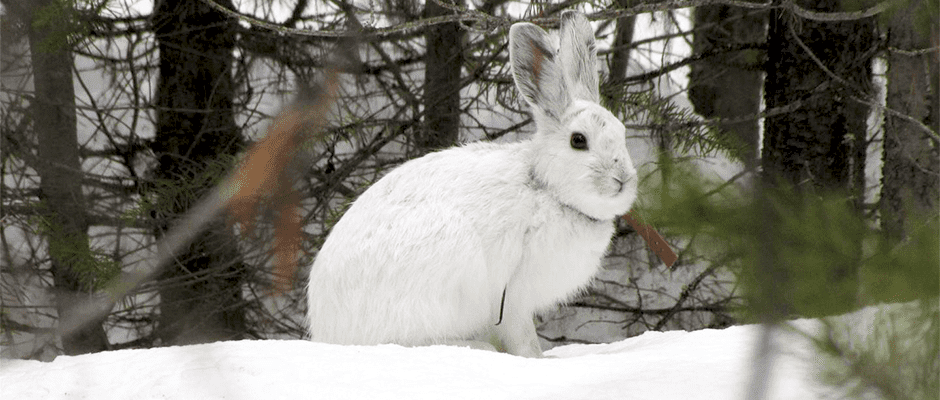
“The snowshoe hare is perfectly modeled for life on snow,” said Jonathan Pauli, a professor of forest and wildlife ecology at the University of Wisconsin-Madison and a coauthor of a study recently published in Proceedings of the Royal Society B, in a release. “They’re adapted to glide on top of the snow and to blend in with the historical colors of the landscape.”

The snow is vital for snowshoe hares (Lepus americanus), who rely on it for camouflage from predators. But snow is becoming less common in the southern range of their habitat in Wisconsin.

Research on the hares in Wisconsin dates back to at least 1945 when Aldo Leopold, past president and founding member of The Wildlife Society, published data on observations of the animal across half of the state, from the Mississippi River north of St. Paul to Green Bay.

Other researchers followed up on his work in following decades and the recent study shows that the range of the hares in Wisconsin is moving northwards by around five miles a decade.

“Our winter climate has changed significantly over time,” says coauthor and UW-Madison professor of forest and wildlife ecology Ben Zuckerberg.

In the present study, Pauli and his coauthors only detected hares at 28 sites of the 126 historic survey sites where snowshoe hares were observed, and only detected one hare at a historic site where they weren’t observed before.

Pauli said that having white fur on a brown background when snow melts will continue to cause problems for the rabbits. “For a snowshoe hare, being cryptic is a fundamental requirement for making a living,” he said. “It is a relatively fixed phenotype, so it is pretty clear that snow cover is one of the most important constraints in terms of where the animal can and can’t be.”

This push northward could be due to southerly hare predators like coyotes (Canis latrans) moving northwards. It could also cause cascading effects on other predators that rely in part on snowshoe hares.

Meanwhile, another recent study published in the Wildlife Society Bulletin examined ways to improve snowshoe hare detection during population counts in Michigan.

TWS chapter opposes feral cat amendment

The Illinois Chapter of The Wildlife Society submitted a letter to the state’s General Assembly, opposing language in a bill that would enable and facilitate the release of feral cats back into the ecosystem.

H.B. 4671, an amendment to the Illinois Animal Welfare Act, legitimizes the trap-neuter-release (TNR) program – an effort to reduce feral cat populations through sterilization – by allocating funds from pet owner registration fees to TNR programs.

TNR is considered a humane solution for the reduction of free-roaming feral cat populations; however, TWS believes that returning sterilized cats back into the ecosystem does not negate the harm that they impose upon native wildlife. Feral cats can serve as a source of zoonotic diseases, and their independent instinct to hunt regardless of hunger has contributed to the decline and even extinction of numerous small mammal, reptile and bird species.

“As wildlife professionals, many of us have seen firsthand the adverse impact that feral cats have on wildlife populations,” said Illinois Chapter President Scott Meister. “We do not support programs that facilitate destruction of a natural resource that we hold so dear.”

TWS’ parent society released a position statement on feral and free-ranging domestic cats in 2011 that supports the position taken in the Illinois Chapter’s letter.

Meister says that “we feel a responsibility to all TWS members to take local action on an issue that our parent society has a position against.” He further describes that “it is important to relay to local legislators that the issue of feral cats’ interaction with wildlife is a serious issue and the views expressed by us — the local chapter — is reflected by wildlife professionals internationally.”

For more information about the impacts of feral and free-ranging domestic cats, see TWS’ factsheet.

Game bird researcher bags Rusch Memorial scholarship

Nominations for the 2016 Donald H. Rusch Memorial Game Bird Research Scholarship will be accepted through May 1. The annual scholarship is open to any graduate student studying upland birds or waterfowl biology or management. Click on the link above to visit the Rusch Memorial Scholarship webpage, or visit wildlife.org/awards to learn more about all TWS awards.

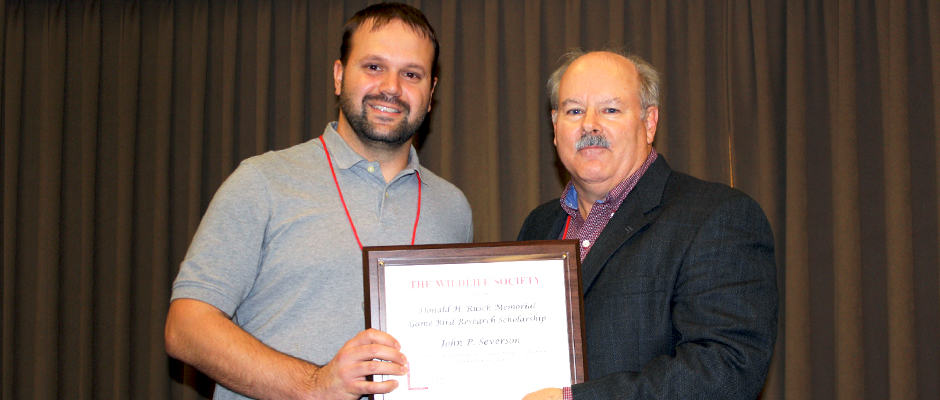
John P. Severson was awarded the 2015 Donald H. Rusch Memorial Game Bird Research Scholarship for increasing the knowledge of greater sage-grouse conservation in Idaho.

The award was instituted in 2000 after its namesake, Don Rusch, died unexpectedly the year before. An avid hunter and angler, Rusch had a keen interest in game bird biology and conservation, and his research as a wildlife professional contributed greatly to our understanding of ruffed grouse and Canada goose population ecology in particular. The scholarship award is a salute to those who carry on his legacy as an enthusiastic and encouraging teacher, a passionate scientist and researcher, and an open-minded yet emphatic manager.

“[Severson] is an outstanding student and a person who exemplifies the qualities that the Rusch Scholarship seeks to reward,” wrote Kerry Paul Reese, a professor at the University of Idaho, in a letter supporting Severson’s application. “John’s Ph.D. research is the first to empirically address one aspect of the ecology of greater sage-grouse.”

Severson’s work included one of the first large-scale studies on how juniper trees affect grouse habitat and population dynamics.

“My experienced is varied by a continuing theme has been my interest in management and restoration of threatened habitats such as grasslands, wetlands and sagebrush steppe,” Severson wrote in his application for the scholarship. “Game birds offer a unique vehicle for habitat conservation because they are widely appreciated by both consumptive and non-consumptive users, and, in many cases, can serve as efficient indicators and umbrella species.”

What genetics say about California Island foxes

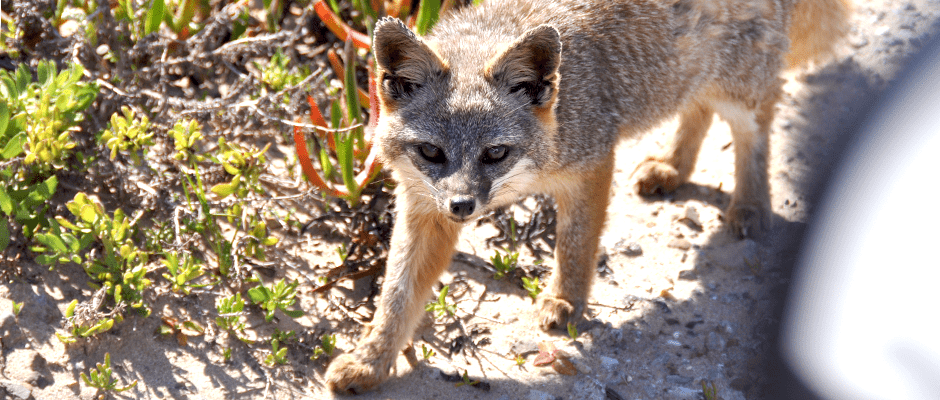
While they may look alike, foxes on six different islands in California’s Channel Islands are actually very genetically different.

The reason for these differences? According to a recent study, it’s genetic drift — or the random fluctuation in the frequency of alleles or different versions of a gene — in an isolated population. “Because there’s such strong genetic drift, some subspecies have low genetic variation,” said associate professor at Colorado State University and lead author Chris Funk. This low genetic variation can cause some issues for the foxes such as inbreeding depression or the reduction in survival, reproductive rates and fitness.

In the study published in the journal Molecular Ecology, the researchers looked at the island foxes (Urocyon littoralis) on all six of the eight Channel Islands where they occur and found that the population with the lowest genetic variation was on San Nicolas Island, one of the smaller islands further from the coast. They also determined that each island fox population is genetically distinct and should be designated as a subspecies.

Using blood samples of the foxes taken by field biologists, the researchers estimated the effective population size of each island, which can be thought of as the number of individuals in a population that contribute offspring to the next generation. Effective population size is an important genetic parameter, as it determines the rate at which genetic variation is lost due to genetic drift, Funk says. They also found evidence for genetic bottlenecks on each of the islands, which is a reduction in population that leads to lower genetic diversity.

In addition, low genetic variation makes it difficult for species to evolve and adapt to environmental changes such as warmer weather or drought, Funk says. Also, when diseases are introduced, it’s more difficult for species to adapt and develop a resistance to novel diseases. “Low genetic variation raises a red flag and is something we’re looking at and concerned about for the persistence of foxes,” he said.

The San Nicolas population has declined over the last several years and while low genetic variation may have contributed to this, Funk says that environmental changes could also contribute to declines. “It could just be a really bad drought,” he said, adding that it might also be due to a decline in food sources for the omnivorous species since native vegetation and other species the foxes eat may have decreased in abundance during the drought. Further, there could be interactions between the environment and genetic variation that may be occurring. “Previous research suggests that inbreeding depression is less likely to occur when times are good and food and the environment are benign,” he said. “If conditions are bad, hot and dry then inbreeding depression may kick in, reducing survival and reproductive rates further.”

Funk recommends collecting more data on the subspecies to see if inbreeding depression is a problem for the foxes. The islands are currently managed by the Navy and it is up to them to decide how to manage the foxes. “I’m happy to work with people out there to design research programs to help answer really important questions and inform management decisions,” he said.

A Conservation Success Story

In the late 1990s, four of the six populations of Channel Island foxes were declining rapidly and were listed as endangered under the U.S. Endangered Species Act. Land managers including Park Service, the Navy, The Nature Conservancy and the Catalina Island Conservancy created an island fox recovery team and successfully worked together to recover the foxes. Because of the success of these efforts, the USFWS has proposed to delist the subspecies on San Miguel, Santa Rosa and Santa Cruz Islands and downgrade the subspecies on Santa Catalina Island from endangered to threatened. This success story was ultimately the result of a coordinated effort toward a common goal by the agencies involved, according to Funk.

“Even though the San Nicolas species is declining, I’m confident that as long as agencies work together to identify the problem, they can solve this,” Funk said. “We have the tools to figure out what’s going on and manage it appropriately.”

Seven species, one action plan

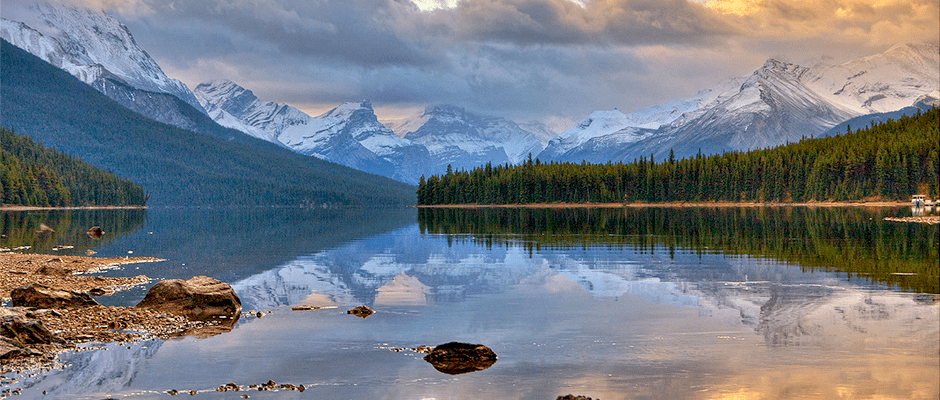
Parks Canada is building a single action plan to address seven resident species listed under the Species at Risk Act – including the woodland caribou – in Jasper National Park. Actions prescribed by the plan will vary, with some addressing a single species and others designed to address multiple species. While the draft plan has not yet been posted, the public consultation period has been opened. A 60-day comment period will commence once the plan is posted, after which the plan will be finalized.

For information and how to engage in the consultation period, see the Jasper Fitzhugh.

Gone in an orange flash

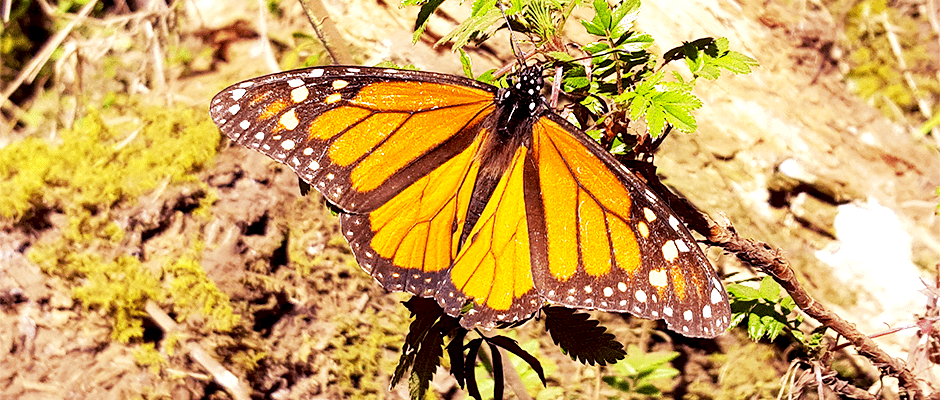
During migrations, eastern monarch butterflies used to swoosh by in an orange blur, but an 84 percent decline in over a decade has caused the colorful flashes to be a much rarer sighting.

In a new study published in the journal Scientific Reports, researchers found eastern monarch (Danaus plexippus) populations have a good chance of becoming quasi-extinct in the next two decades. “Quasi-extinction is when the population is so low it has no likelihood of recovery,” said Brice Semmens, an assistant professor at the Scripps Institution of Oceanography at UC San Diego and lead author of the study.

Semmens and his team looked at data from the last two decades on abundance of monarchs in overwintering forests in Mexico as well as total egg populations of eastern monarch butterflies. Estimations of population sizes were based on the geographic areas — measured in hectares — that the species covered while wintering in Mexico.

From this information, they built a population model in order to predict potential extinction risk in the future. “We were trying to determine at what point the population would go extinct and at what probability,” Semmens said, adding that they simulated when this would occur in 10- and 20-year time frames.

They found that there was about a 10 to 60 percent chance of quasi-extinction in the next two decades. For monarchs occupying a single tree in a forest in Mexico in the overwintering period, there would be a 10 percent chance of extinction.

As another part of the study, the researchers looked at what population targets would improve extinction risk. They found that by targeting 6 hectares of monarch coverage, there will be half the extinction risk over a long period of time. The U.S. Fish and Wildlife Service is using this as a goal when planting milkweed in the butterfly’s breeding habitat, which suffers because of herbicides.

Environmental conditions also cause a large amount of variability year to year making it harder for them to recover from low numbers. “This is not something we can manage for,” Semmens said. “We can’t control when a winter storm hits Mexico, but we can control their habitat to increase their population.” Management goals for the larger population can decrease the species’ risk for extinction.

Despite a likelihood of quasi-extinction demonstrated in the study, Semmens still remains optimistic. “We’ve identified a considerable threat facing the population, and now we need to do something about it,” he said. “I’m pretty hopeful that true management action could recover the population to a point where it persists into the future.”

New Alaskan Butterfly Persists

While some butterfly species such as monarchs are fighting to survive, new butterfly species are becoming established.

The Tanana Arctic (Oeneis tanana) butterfly is the first new butterfly species documented in Alaska in the last 28 years, according to new research published in the Journal of Research on the Lepidoptera. Researchers suggest this species of butterfly might be the result of hybridization between two species — the Chrysxus Arctic (O. chryxus) and the White-veined Arctic (O. bore) — that are both adapted to the harsh arctic climate.

“Hybrid species demonstrate that animals evolved in a way that people haven’t really thought about much before, although the phenomenon is fairly well studied in plants,” said Andrew Warren, senior collections manager at the McGuire Center for Lepidoptera and Biodiversity at the Florida Museum of Natural History on the University of Florida campus in a press release.

The butterfly has white specks on its underside and is larger and darker than the Chryxus Arctic butterfly. It also has a unique DNA sequence that’s close to the White-veined Arctics. “Once we sequence the genome, we’ll be able to say whether any special traits helped the butterfly survive in harsh environments,” Warren said. “This study is just the first of what will undoubtedly be many on this cool butterfly.”

The winter is more bitter for mangy wolves

Mangy wolves struggle more to cope with the cold and wind than healthy animals.

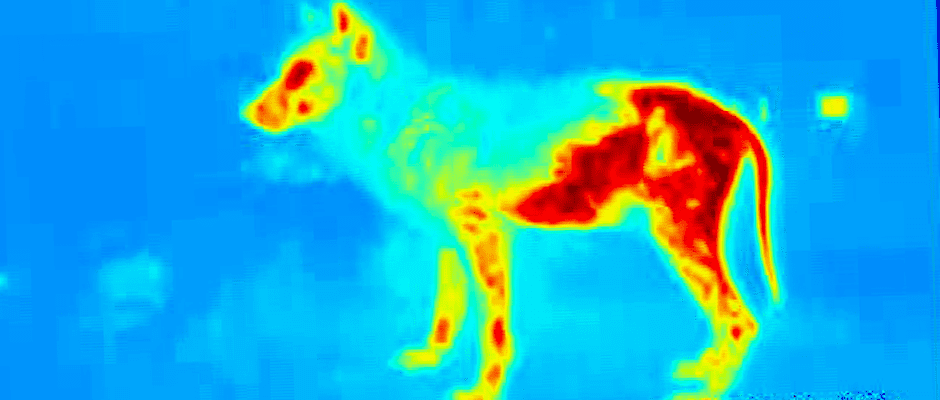
“They could either consume more to replace those lost calories through heat or they could move less,” said Paul Cross, a disease ecologist with the U.S. Geological Survey’s Northern Rocky Mountain Science Center in Bozeman, Montana and lead author in a recent study published in Ecology on the way gray wolves (Canis lupus) cope with the mange. “We don’t know whether they’re consuming more but it looks like they’re moving a little bit less.”

Sarcoptic mange is caused by mites that burrow into animals’ skin. It affects one in 10 known wolf packs in the Yellowstone National Park as of 2015.

The researchers used a combination of GPS collars and a combination of camera traps — both regular and using thermal imagery. To assess the mange status of wolves, they also supplemented this data by direct observation. (To read more about the technology, check out The Wildlife Professional’s Spring 2015 article in Field Notes).

They found that mange affected the amount of distance wolves traveled. Healthy animals travel around 10 miles a day on average while mange meant the wolves tended to travel a few miles less on average. Severely infected individuals only moved a few miles every day, and in the worst case, an individual barely moved.

The results also showed that severe infections could increase heat loss at night by around 1240 to 2850 calories per night — around 60-80 percent of an average wolf’s daily energy needs.

While mange can affect an individual wolf a lot when exposed to the elements, Cross said it doesn’t do much damage on a population level.

“When you do the calculations about how many pounds of elk meat [on top of their normal consumption] they would need to consume to mitigate the costs of mange it turns out to be not that many,” Cross said.

This would amount to around 12 additional elk needed for the population of around 40 wolves in the northern Yellowstone area. On average, an individual wolf would need to consume 2-4 pounds more elk meat to survive the winter.

Cross said that their findings show that mange probably doesn’t affect wolves enough to cause a conservation problem in the area, but it’s one of the factors that impact wolf population dynamics. He said that wolves don’t usually die from mange directly, but it’s a factor in deaths.

“It’s predictive of survival rates, but they die due to other causes.”

He also noted that smaller packs seemed to be more affected by individuals infected by mange than larger packs.

“There’s a possibility that there’s a social safety net for infected individuals,” Cross said.

Video credit: USGS