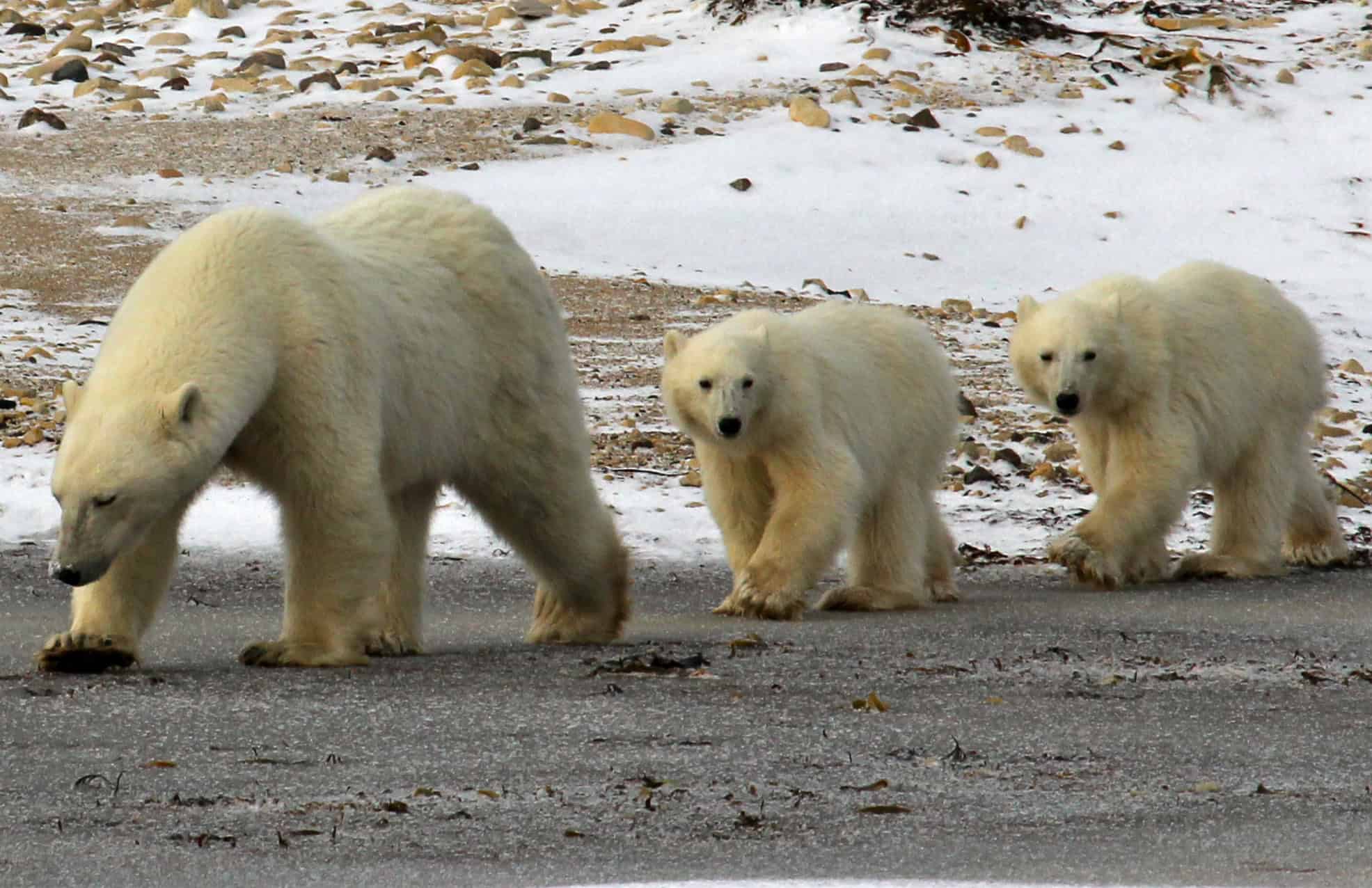
Davis Strait polar bear population decreases slightly  

A polar bear population that encompasses parts of Greenland and several Canadian provinces and territories is only slightly decreasing, despite an increase in harvest and decreasing ice.

“We found that there was a slight decline in abundance between 2006 and 2018,” said Kylee Dunham, an applied quantitative ecologist at the Cornell Lab of Ornithology. But “this population is doing fairly well, all things considered,” she said.

The Davis Strait polar bear (Ursus maritimus) population, which lives in parts of Greenland, Newfoundland and Labrador, Quebec and Nunavut, occupies the sea, land and islands in the northeastern part of North America.

From 2005 to 2007, scientists monitored the bears by capturing them and giving them lip tattoos for identification. They also took tissue samples for genetic analysis. They estimated there were about 2,190 polar bears in the population at the time.

Surveying a vast territory

In a study published recently in Marine Mammal Science, researchers repeated the survey in 2017-2018, only this time scientists didn’t capture bears. Marcus Dyck, who died in a helicopter crash during a survey conducted in Lancaster Sound on April 25, 2021, and others flew along the coastlines of the range from August to October, on the mainland and islands, looking for bears. When they found one, they darted the animal to gather DNA for analysis back in the lab.

“They fire a dart that goes into their hind end and pulls out a little tissue,” Dunham said.

Population models revealed that the Davis Strait population had dropped a little, to about 1,944 polar bears. This represents a decline of roughly 1% per year, Dunham said. But overall, the outlook isn’t that bad for this population, Dunham said.

“It was a great effort by all the staff,” said Jim Goudie, Deputy Minister of Land and Natural Resources in Nunatsiavut, who took part in some of the surveys. At the same time, Goudie said that the overall survey numbers don’t match the data in Nunatsiavut, where Inuit are seeing an increase in polar bears.

“There are more polar bears in Nunatsiavut than there’s ever been,” Goudie said. This may be due to the difficulty in surveying such a large area as Davis Strait, or it may be due to finer-scale regional differences in the subpopulation of polar bears.

Dunham said that overall bear numbers in the huge area might still be decreasing, even if they increase in some local areas. Shrinking sea ice might be pushing bears into areas where they are more likely to encounter humans, for example, which leads to an increase in human-bear conflict.

Since the researchers didn’t collect fine-scale data on adult recruitment, they don’t have a good idea of why the population is decreasing, Dunham said. But the surveys didn’t reveal any changes in the body conditions of bears since the previous study that occurred more than a decade earlier.

Climate change may play a role in the decrease—there is certainly less sea ice in the area than there used to be. An increase in legal harvest in places like Nunavut or Nunavik in northern Quebec may also have had an effect, though not as much as wildlife managers in those areas might have hoped based on population goals.

“Essentially, those management measures were incredibly unsuccessful,” Goudie said.
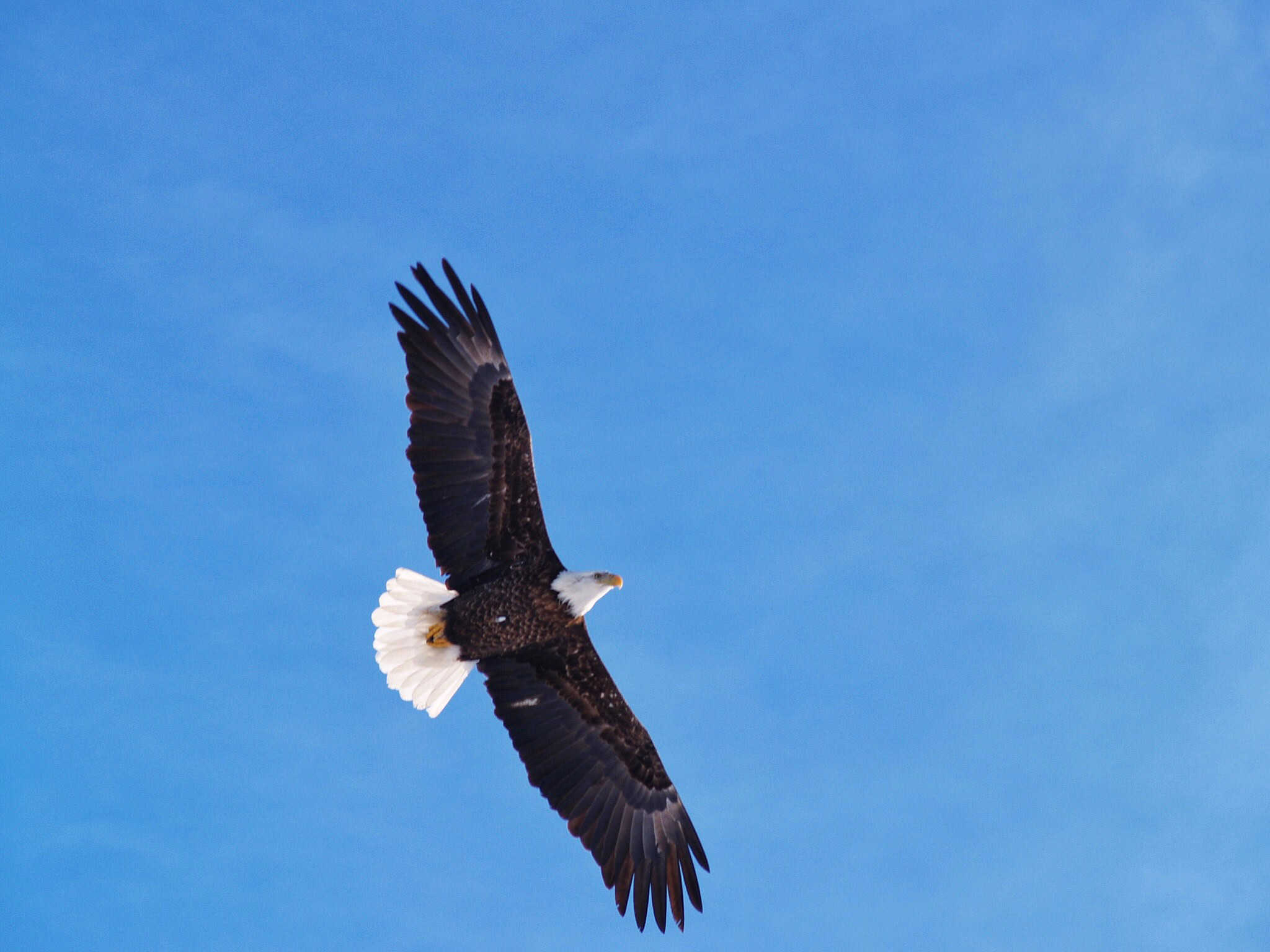
JWM: Lead poses biggest risk to eagles

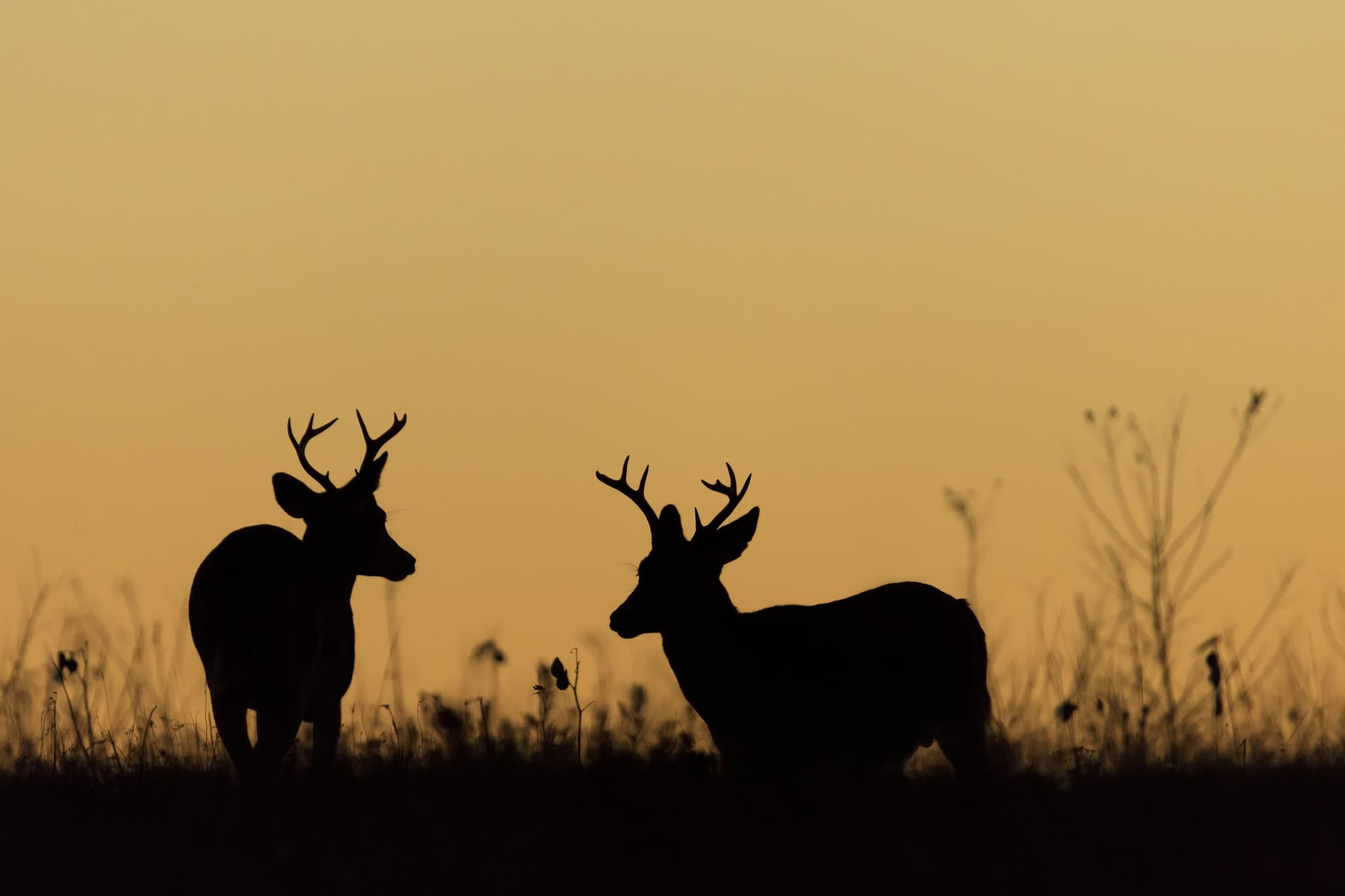
Compared to a number of species, bald eagles are most vulnerable to lead poisoning coming from bullets in New York. Fragments from bullets used to hunt species like white-tailed deer (Odocoileus virginianus) are sometimes left in the environment for scavengers like bald eagles (Haliaeetus leucocephalus) to consume. In a study published in The Journal of Wildlife Management, researchers studied the risk of lead exposure in 14 birds and 17 mammals, from American crows (Corvus brachyrhynchos) to Virginia opossums (Didelphis virginiana). They found that bald eagles were the most vulnerable, followed by golden eagles (Aquila chrysaetos), American goshawks (Astur atricapillus), American crows and common ravens (Corvus corax). “A surprising number of species are at risk, and we can use bald eagles to continue to monitor lead issues because they are quite vulnerable,” said TWS member Krysten Schuler, wildlife disease ecologist who directs the Cornell Wildlife Health Lab and co-authored the study, in a press release. “With this list, we’re expanding our lead testing to more species and will think more broadly about lead exposure in these animals over time.”

Read the study in The Journal of Wildlife Management.

Endemic Mexican amphibians face high pressure from humans

Amphibians endemic to Mexico face a high degree of pressure from human sources, according to new research.

A country-wide analysis revealed places where conservation dollars might work best for the amphibians.

“The efforts should be driven by the species we want to conserve,” said Leticia Ochoa Ochoa, a professor of biology at the Autonomous National University of Mexico (UNAM).

In a study published recently in Animal Conservation, Ochoa Ochoa and her colleagues conducted species assessments of 124 amphibians endemic to Mexico. Using sources like the International Union for Conservation of Nature (IUCN), they figured out the known and predicted distributions of these amphibians as well as threats they likely faced. The team also looked at the degree of connectivity between populations.

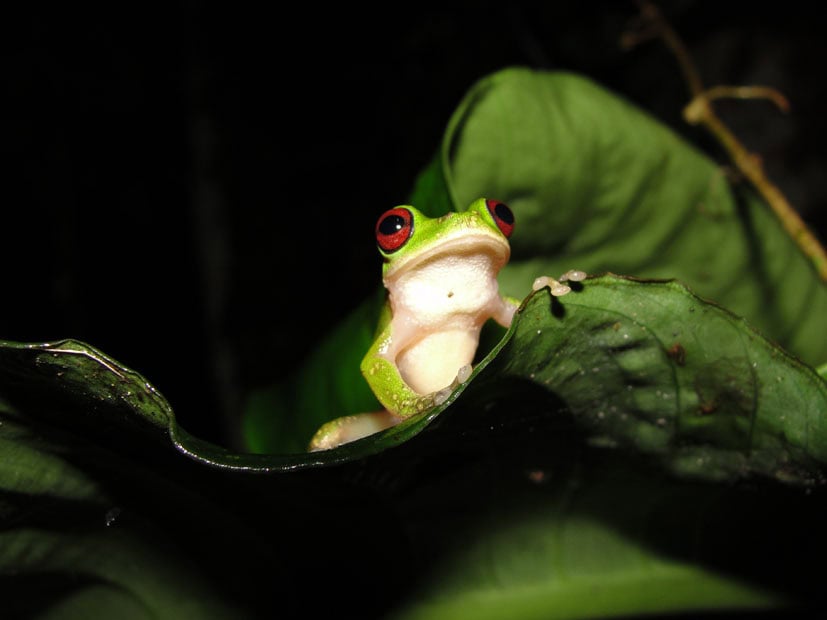
The dwarf Mexican tree frog (Tlalocohyla smithii) is endemic to the country. Credit: Leticia Ochoa Ochoa

They found a high level of anthropogenic effects, including conversion of land for livestock, agriculture, roads, mines, urban expansion and pollution. Endemic amphibians had an average habitat loss of 83% to anthropogenic effects. Ambystoma salamanders faced the largest distribution loss. “Large ambystomatids’ reproductive habits and presence in an area depend on a high level of conserved habitat; therefore, the presence of anthropic threats will have a greater impact on its suitability levels,” the authors wrote in the paper.

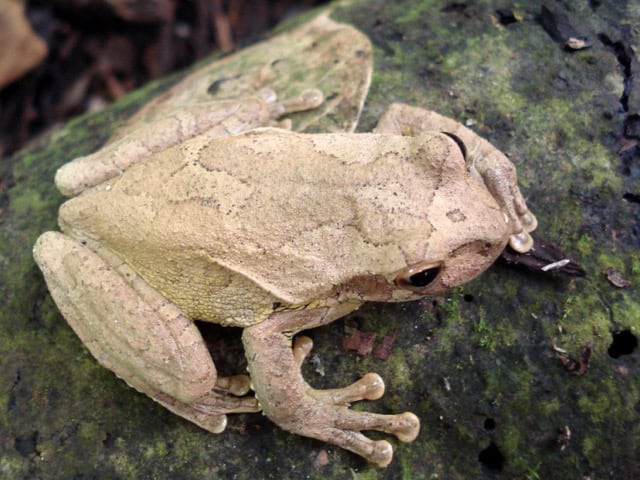
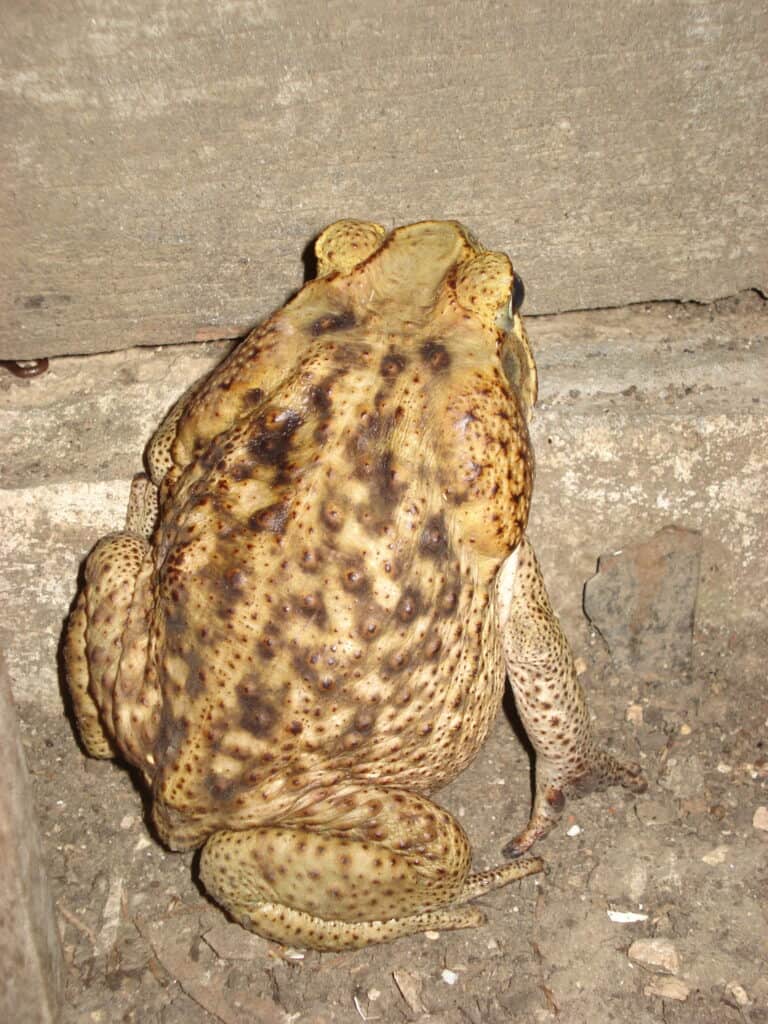
“There’s a strong belief that all anthropogenic activities are bad for amphibians,” Ochoa Ochoa said. And while this was often true in their research, not all impacts they found were equally bad. In reality, the level of impact from threats depended on species traits. Creatures such as cane toads (Rhinella horribilis), common Mexican treefrogs (Smilisca baudinii) or painted treefrogs (Tlalocohyla picta) survive well in agricultural or livestock settings, or even in small towns, for example.

Common Mexican tree frogs don’t always respond badly to anthropogenic pressure. Credit: Leticia Ochoa Ochoa

The analysis also revealed that conservation for some species, like the great peeping frog (Eleutherodactylus grandis), which lives around the UNAM campus and is considered endangered by the IUCN, could be extremely difficult.

“The chances for surviving in this species are very slim,” Ochoa Ochoa said. “There is no genetic exchange with other populations because they are very isolated.” Since the university is still growing, new buildings are sometimes built in the species’ habitat.

Meanwhile, the zoque treefrog (Quilticohyla zoque), which the IUCN also considers endangered, has a wider distribution, and their populations appeared to be doing fine in many areas, even if those areas were unprotected. Ochoa Ochoa said that it would be relatively easy to protect the species by conserving some of their range where they already live.

“We should choose our battles because we don’t have a lot of money,” she said.

Cane toads also did relatively well in human settings. Credit: Leticia Ochoa Ochoa

The results of the study weren’t all bad news, though. Ochoa Ochoa and her colleagues found that small frogs that live in trees and reproduce in water weren’t as affected by human threats. Small to medium-sized frogs that developed or laid eggs in water didn’t do too badly either.

What factors influence use of wildlife crossings?

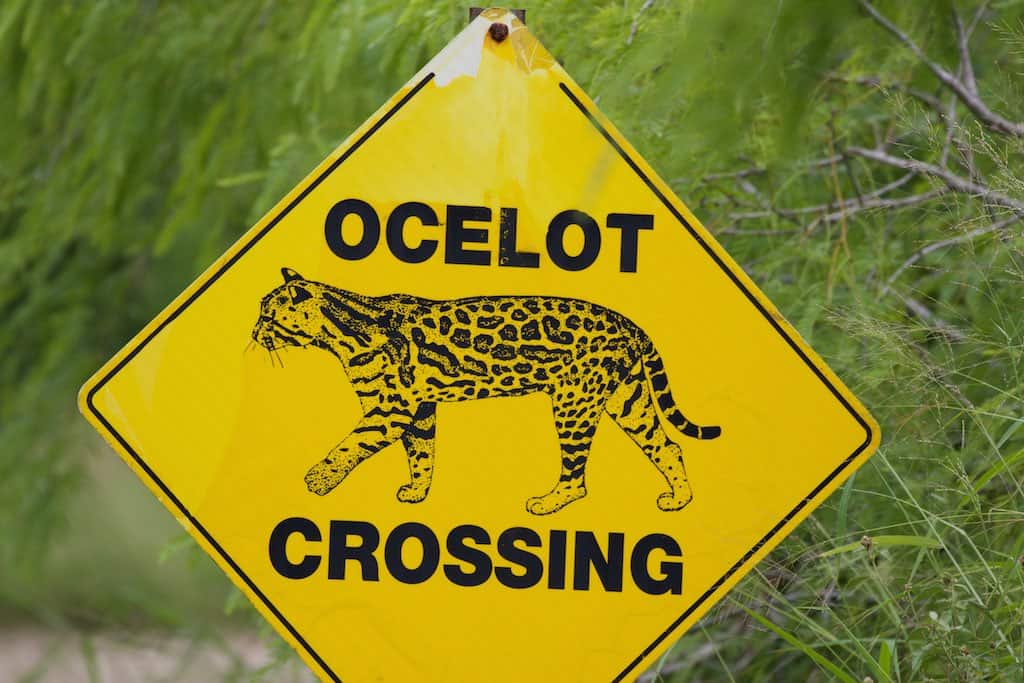
The presence of water, distance to vegetation and structural dimensions may mean the difference in whether or not wildlife use crossing structures. In a recent study published in PLOS One, researchers from the University of Texas Rio Grande Valley used camera traps to examine wildlife interactions with specific wildlife crossing structures and wildlife guards, as well as fencing, built to protect the endangered ocelot (Leopardus pardalis). They compared crossing rates at the various structures, what repelled animals from the structures, as well as the multitude of species that use them. They found that the success of crossing structures was based on a number of factors. Water presence, distance to vegetation and structural dimensions stood out as factors that influence the success of crossing structures. Researchers hope the study’s findings can influence the future construction of species-specific road mitigation structures.

Read more from PLOS ONE.

Wildlife Vocalizations: Ana Yoko Meiga

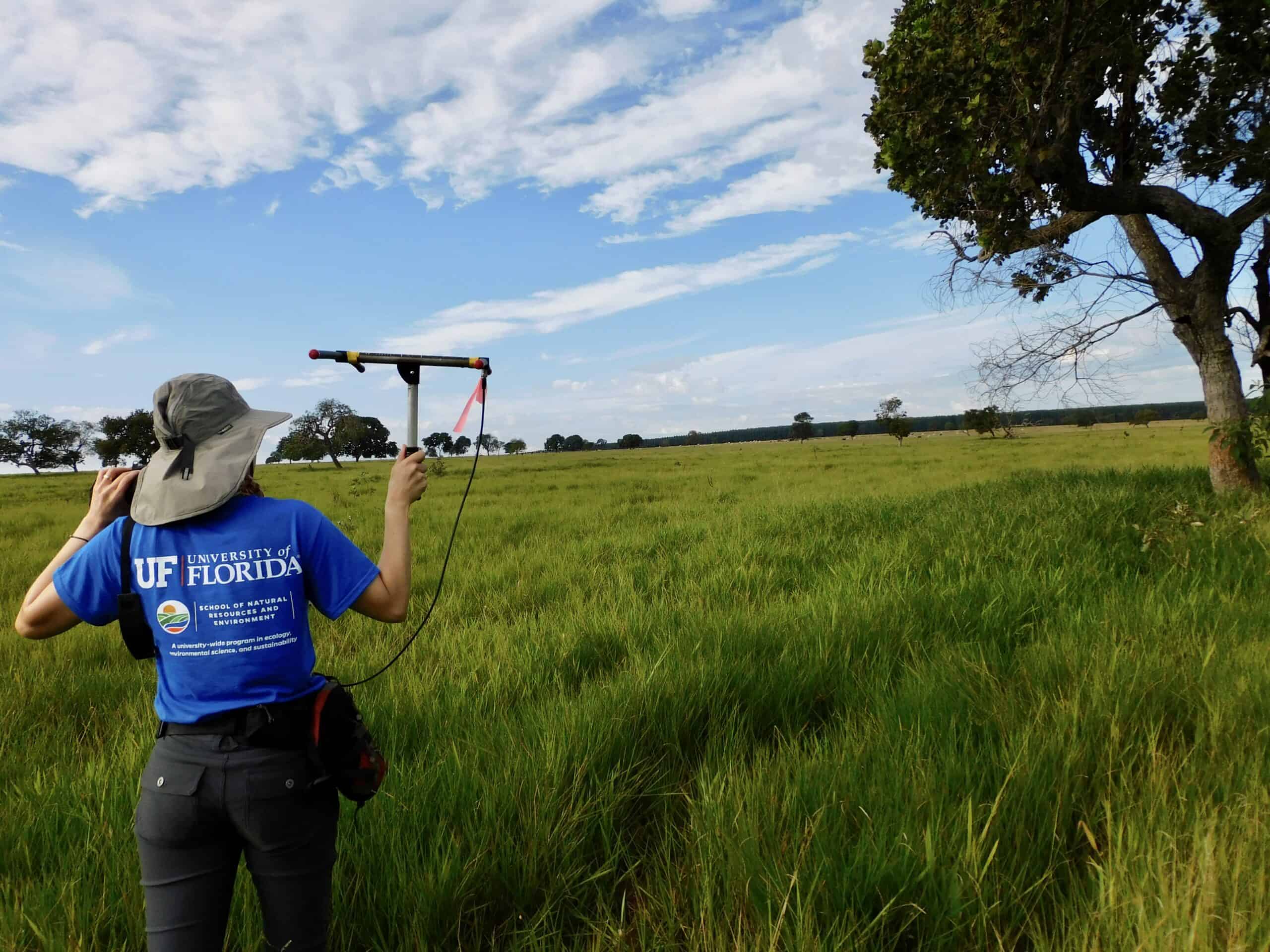
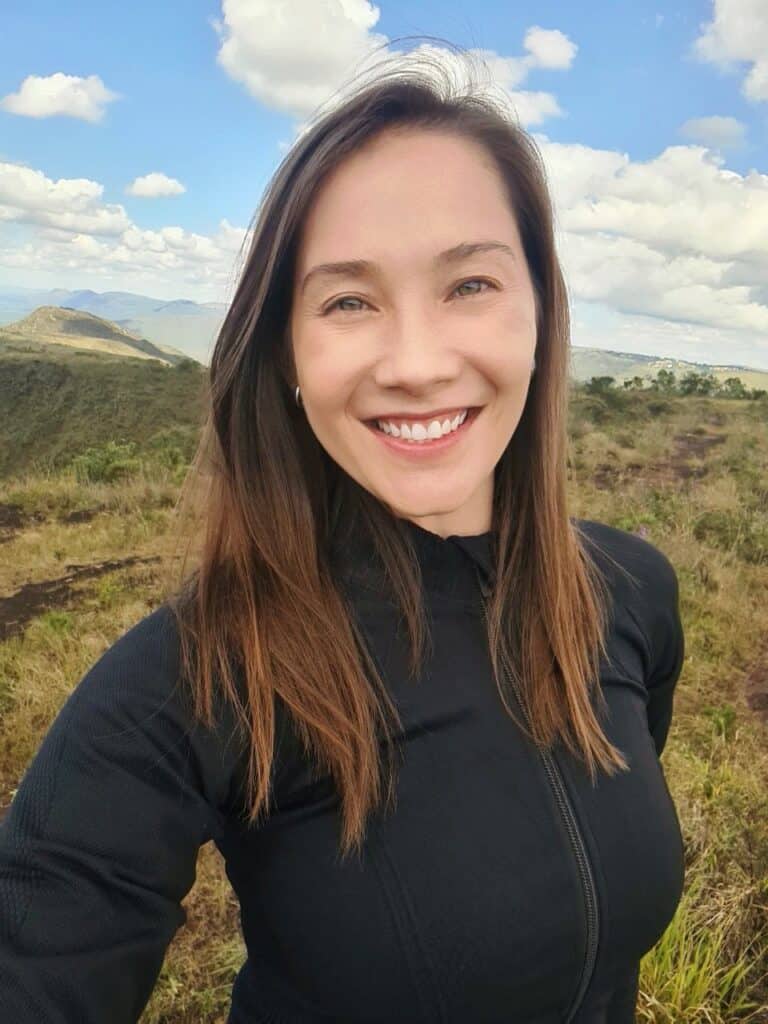
Throughout my journey in biological sciences in Brazil, I have been fortunate to have many incredible mentors who have guided me with their time, patience and belief in my potential— sometimes they believed in me even more than I believed in myself. One piece of advice from a mentor has significantly helped to shape my actions and career trajectory.

Credit: Rubem Dornas

After completing my undergraduate studies in biology, I was eager to pursue a master’s program focusing on mammal ecology. However, I faced a series of rejections from every program I applied to, leaving me disheartened. During this challenging period, I volunteered with a researcher studying jaguars (Panthera onca) using camera traps in Carlos Botelho State Park in the state of São Paulo in my hometown in Brazil. One afternoon, as we returned from the field, I told one of my mentors about my frustrations and disappointments.

She listened and then said: “It’s normal to be upset when you don’t achieve something important, but there’s a timeline for being upset. Be careful not to let yourself go beyond that limit.”

This advice motivated me to persist. Instead of feeling sorry for myself, I chose to intensify my dedication, sharpen my focus, and study more for the next round of applications. And it paid off.

This experience taught me the value of persistence. As a Brazilian biologist facing challenges in pursuing a scientific career, I have learned to embrace “good fear” and “good anxiety”—the kind that doesn’t paralyze but pushes you forward, driving you to achieve your goals.

I am currently a PhD candidate at the University of Florida and have had many opportunities to grow in my career. Learning the importance of persistence, even when not confident, has been the key to my success. The support and guidance from mentors, coupled with a persistent spirit, have been instrumental in my journey. The advice from my mentor to manage disappointment and persist has been invaluable.

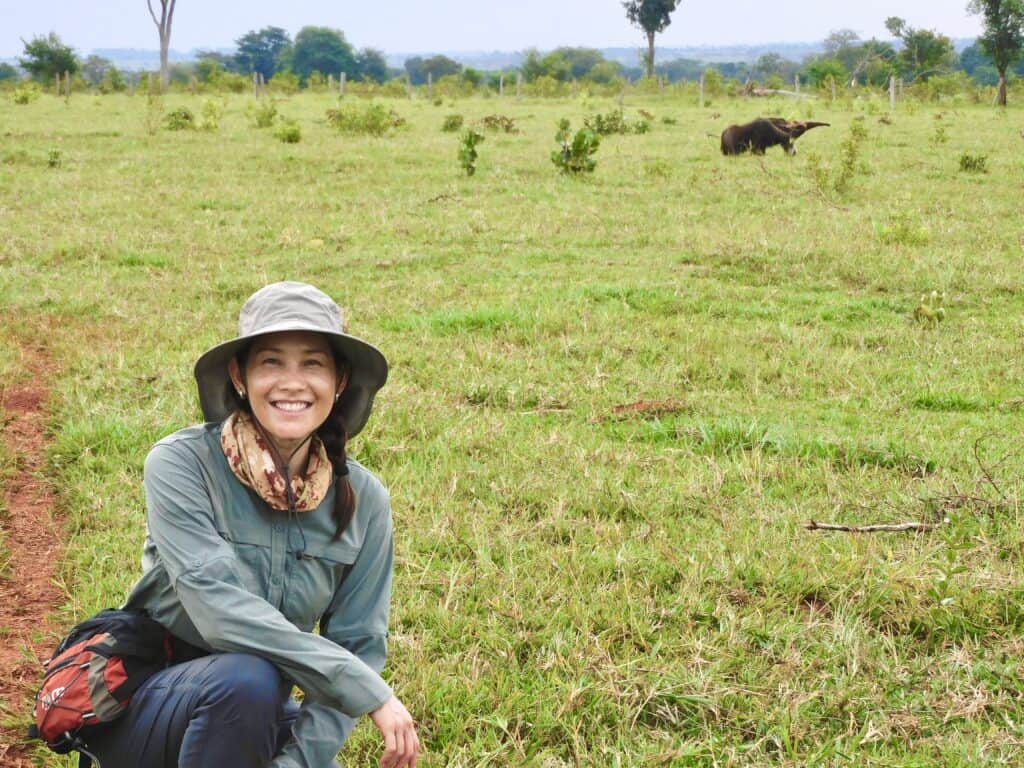
Ana Yoko Meiga with a giant anteater (Myrmecophaga tridactyla) in the Brazilian savanna in Mato Grosso do Sul. Credit: ICAS

Wildlife Vocalizations is a collection of short personal perspectives from people in the field of wildlife sciences

Learn more about Wildlife Vocalizations, and read other contributions.

Submit your story for Wildlife Vocalizations or nominate your peers and colleagues to encourage them to share their story. For questions, please contact tws@wildlife.org.

Raptor collisions increase around the world

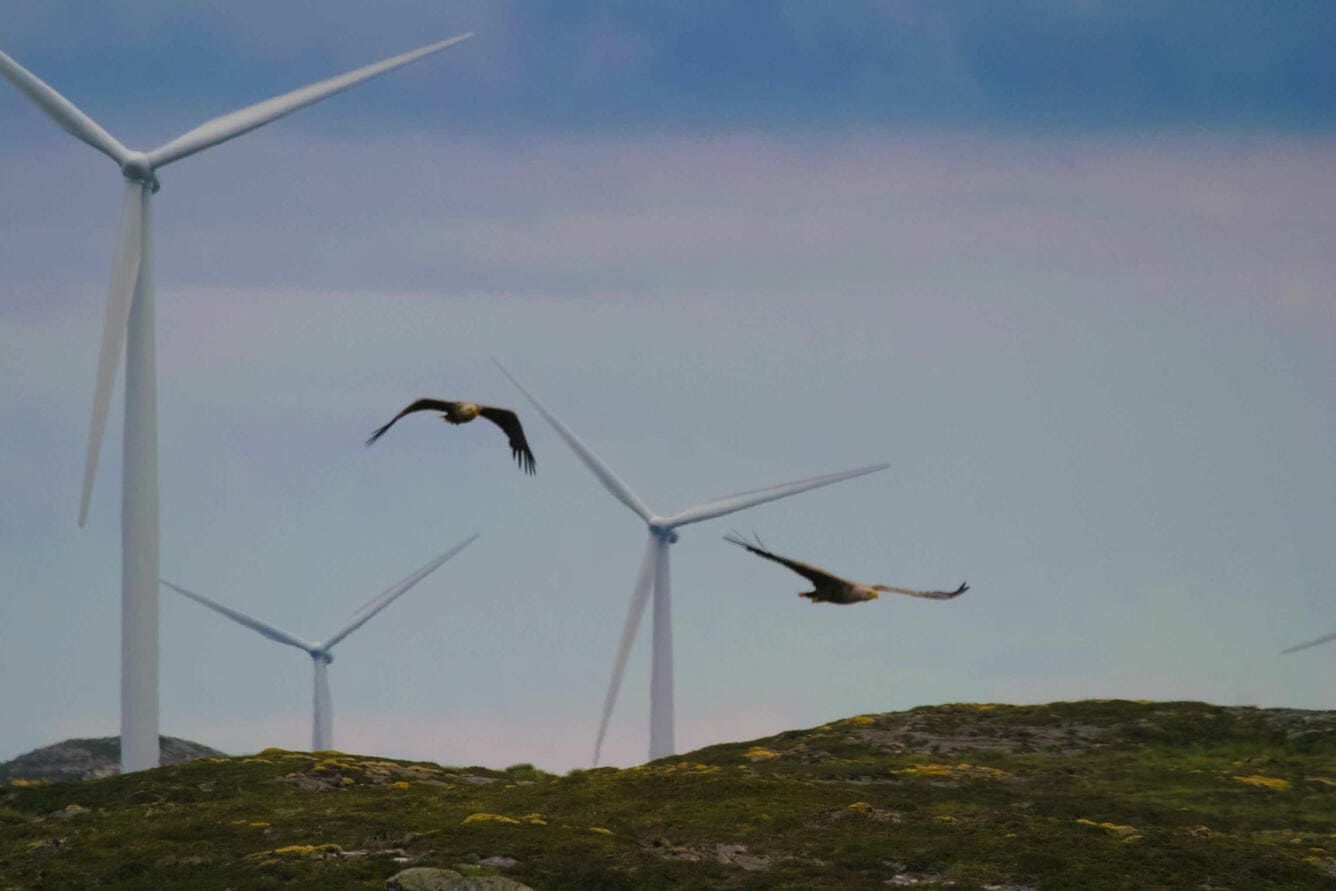
Throughout the world, raptors are colliding with obstacles like communication towers, wind turbines and power lines, among others. Researchers conducted a literature review published in the Journal of Raptor Research to find out how raptors are attracted to these structures for perches, nesting sites or hunting habitats. The scientists, who used lots of data from rehabilitation centers and veterinary clinics, found that collision incidents have increased since the 1900s with the increase of human development. Vehicles, wind turbines and windows appeared to be the most problematic, but these structures affected different raptor species in different ways. For example, owls blinded by headlights are more likely to collide with vehicles. Eagles and vultures are more likely to collide with wind turbines.

Read the Conservation Letter in the Journal of Raptor Research.

Black Mammalogists Week kicks off

Black Mammalogists Week features multiple days of virtual content meant to inspire current and future mammalogists while also highlighting historic and present-day Black contributions to the field of mammalogy. Through Saturday, Sept. 21, those of any age or background can tune in to online workshops, games and expert-led panels.

Black Mammalogists Week, sponsored this year by the National Geographic Society, takes place on multiple social media platforms, making it accessible to a broad audience. A full event schedule can be found online. Anyone hoping to learn more can join the conversation by searching the hashtag #BlackMammalogists on X and Instagram. Most panels and workshops will be recorded and shared later on the Black Mammalogists YouTube channel.

The following free events are part of Black Mammalogist Week this year:

The week also provides an opportunity for Black/African American, African, or Indigenous students and early-career professionals to apply for the Black & Indigenous Scholars in Mammalogy Award. The deadline to apply is Oct. 15, 2024.

Find a list of speakers and more on Black Mammalogists website.

Black Mammalogists Week 2024 runs from Sept. 15–21 and showcases educational content and virtual workshops each day. Credit: Black Mammologists

Tim Van Deelen receives Jim McDonough Award

Timothy Van Deelen, a long-serving TWS member and renowned researcher, has received the Jim McDonough Award for his many contributions to the wildlife profession.

For over 25 years, Van Deelen has led research on wildlife ecology, population dynamics, harvest management and survey methods for multiple species, including deer, wolves and bears. His research has primarily been focused in Wisconsin, Illinois and Michigan, but he has worked throughout the U.S., Africa, Asia and beyond.

During his research career, Van Deelen has connected with a variety of audiences, from hunters to policymakers, to wildlife advocates. His colleagues have compared his passion and convictions about wildlife to those of Aldo Leopold. A self-proclaimed “deer nerd,” Van Deelen worked as a wildlife scientist with the Illinois Natural History Survey, focusing primarily on deer ecology and management. He also worked at the Wisconsin Department of Natural Resources, where he became a leader in the state’s efforts to manage chronic wasting disease. 

He has authored and co-authored around 105 peer-reviewed journal publications, six book chapters, 25 other publications on wildlife ecology, and co-edited the book, “Recovery of Gray Wolves in the Great Lakes Region of the United States.”

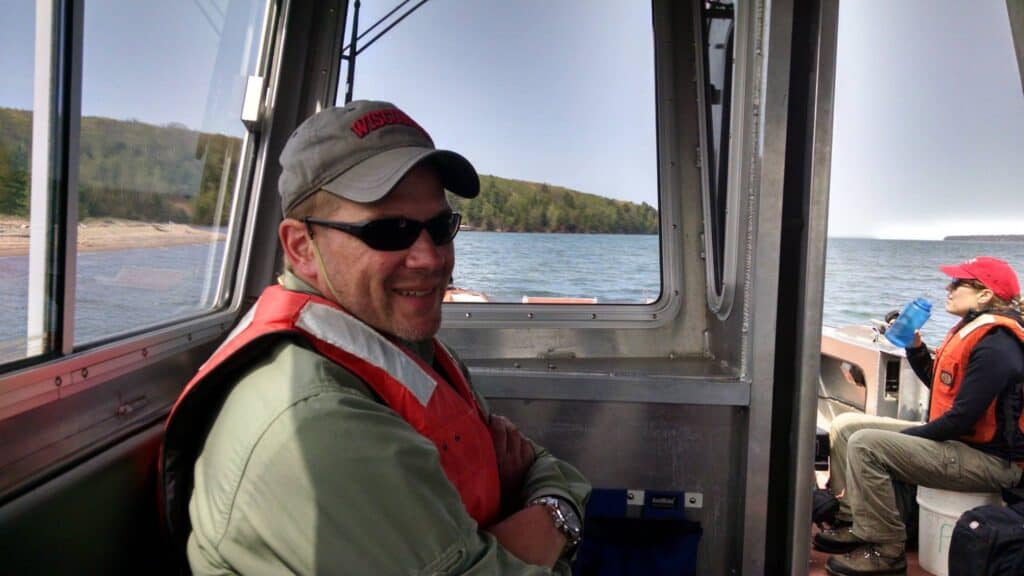
Van Deelen has been a TWS member since the early 1990s, serving on a number of committees and as past president of the Illinois and Wisconsin chapters. Courtesy of Timothy Van Deelen

Van Deelen has taught at the University of Wisconsin-Madison for 19 years. In 2016, he was promoted to full professor within the Department of Forest and Wildlife Ecology. Van Deelen has been a mentor to dozens of graduate students and postdoctoral researchers. Many of his students have since landed roles with state wildlife agencies, colleges and universities throughout the U.S. and Canada. In addition to his work with graduate students, Van Deelen continues his varied wildlife research at the university, including studies on bobcats (Lynx rufus), badgers (Taxidea taxus), sandhill cranes (Antigone canadensis), moose (Alces alces), flying squirrels (Pteromyini) and more.

A TWS member since the early 1990s, Van Deelen has been active in the Wisconsin and Illinois chapters, as well as the international organization. He was part of the Program Committee for the 12th annual TWS conference in 2005, and has been on the committee for Technical Review of Ungulate Management in Natural Parks, as well as a frequent reviewer for The Journal of Wildlife Management and Wildlife Society Bulletin. He served as the president for the Illinois Chapter in 1999-2000, the Wisconsin Chapter in 2004-2005, and acted as a faculty advisor for student chapters at both the University of Illinois and the University of Wisconsin. Van Deelen also served two three-year terms on TWS’ Certification Review Board (CRB) between 2012 and 2018.

Van Deelen will be presented with the Jim McDonough award at the 2024 Annual Conference in Baltimore, Maryland.

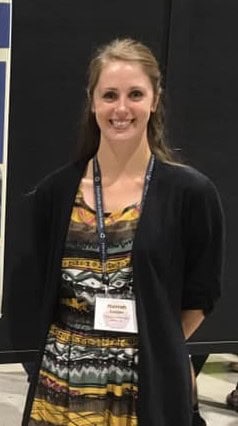
Wildlife Vocalizations: Hannah Leeper

Growing up in Minnesota, my family spent weekends camping, hunting and fishing. I always knew that I wanted to work with nature and wildlife, but I didn’t have a clear idea of how exactly I would get to do that. I knew I couldn’t make a living from just hunting and fishing, but I wanted those two activities incorporated into my career.

We were camping on one particularly nice fall weekend when we noticed beaver (Castor canadensis) damage along the shoreline of the lake and a huge beaver lodge not far from the fishing dock. My dad showed me how to set Conibear 330 beaver traps, and explained how destructive beavers can be to a lake, especially when they chew up the trees on the shoreline and contaminate the water.

Credit: Hannah Leeper

Early the next morning, I hauled a five-gallon bucket filled with rebar, Conibear setting tongs and beaver lure along the shoreline to check the traps we set the night before. To my amazement, there was a beaver inside! I was shocked that our efforts paid off, and we were able to catch the culprit destroying the shoreline.

As I was dragging the heavy beavers out to show off our catch, it clicked that I don’t only have to hunt and fish to have a happy, successful career. Nuisance trapping, conservation and education about the balance of ecosystems are all tied together, and I wanted every aspect of that to become my career. Mostly, I loved being outdoors, and I didn’t want to give that up.

Looking back now, I’ve learned that all animals—even beavers—serve important roles in their ecosystems, and the balance of those ecosystems depends on having those animals around. Since that day when I had the realization that I wanted to work outdoors, I’ve grasped as many opportunities as I can, including more nuisance trapping, visiting bear dens, collaring deer fawns, banding Canada geese (Branta canadensis) and conducting vegetation surveys for lynx (Lynx canadensis). I took technician positions in six different states with seven different agencies.

Every experience has further solidified my career choice, as I am currently pursuing a master’s degree in wildlife science. I wish every young wildlife enthusiast finds their path and pursues their passion for natural resources.

Leeper monitors an immobilized bobcat (Lynx rufus) as part of a deer and predator project in Wisconsin. Credit: Hannah Leeper

Wildlife Vocalizations is a collection of short personal perspectives from people in the field of wildlife sciences. Learn more about Wildlife Vocalizations, and read other contributions.

Submit your story for Wildlife Vocalizations or nominate your peers and colleagues to encourage them to share their story. For questions, please contact tws@wildlife.org.

Habitat management helps at-risk butterflies

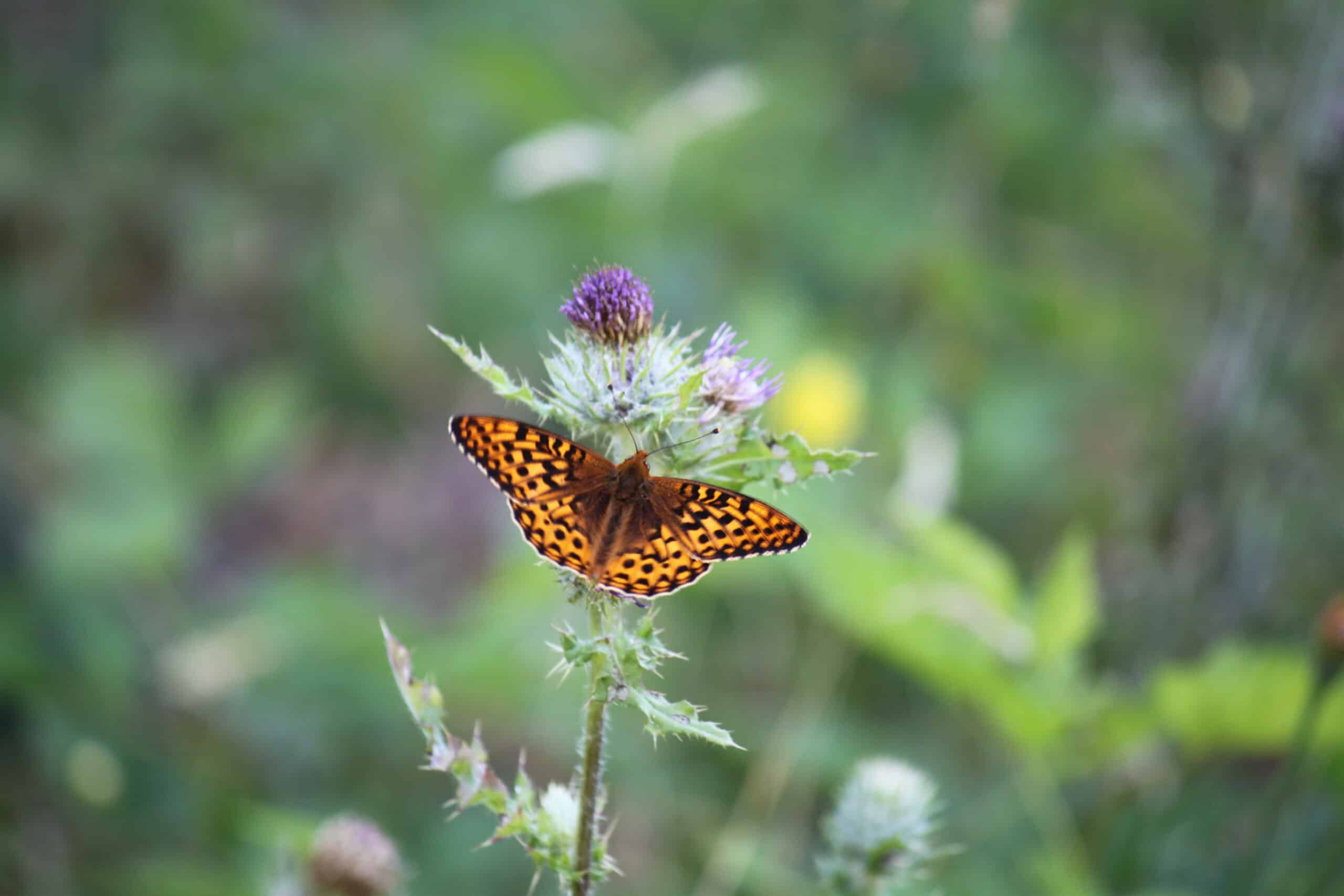
For a number of at-risk butterflies in the United States, habitat management can play an important role in keeping them from going extinct. Looking at 114 populations of 31 butterfly species in the U.S., including species like the Oregon silverspot (Speyeria zerene hippolyta), Taylor’s checkerspot (Euphydryas editha taylori) and Karner blue (Lycaeides melissa samuelis) butterflies, researchers found that the butterfly populations are declining at a rate of about 8% a year, or a 50% decline in a decade. But they also found that habitat management can slow down or even reverse these declines. Climate change is one of the main reasons for butterfly declines, as it’s causing butterflies to shift the time of their seasonal activities. But habitat management stymied this effect. “The strongest signal we found is that in places where people are actively engaged with ways to manage the habitat, the butterflies are doing the best,” said Cheryl Schultz, a professor of conservation biology at Washington State University and an author of the study published in the Journal of Applied Ecology. “That to me is super exciting because that means that habitat management can make a difference, even in the face of stressors like climate change.”

Read the study in the Journal of Applied Ecology.