Wild horse gathers to continue in ‘public interest’

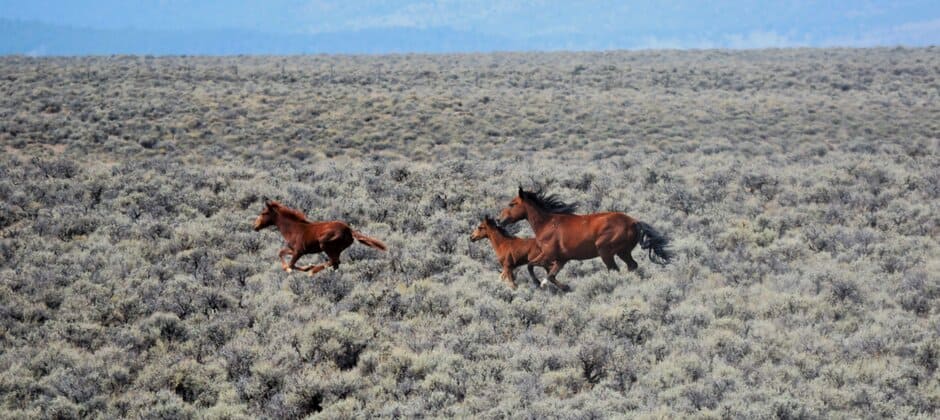
The Bureau of Land Management will continue to gather more than 2,000 wild horses from the Pancake Complex in Nevada after a federal court decision.

The federal judge determined that a challenge to the Bureau of Land Management’s gather efforts in Nevada did not present enough evidence to warrant the court issuing a preliminary injunction, which would have required the agency to immediately halt the gathers.

The plaintiffs, Animal Wellness Action, the Cana Foundation and Wild Horse Education, filed their complaint last month, arguing that by conducting the gathers, the BLM was violating the Wild Free-Roaming Horses and Burros Act and the National Environmental Policy Act, as well as their First Amendment rights. The BLM argued that the gathers were necessary to remove excess animals from the range, especially in light of ongoing drought conditions. The agency noted that the gathers must be completed by March 1, so as not to interfere with the animal’s foaling season. It also defended its decision to limit access to the gathers by the plaintiffs and the general public, citing safety concerns.

The court sided with the BLM, finding that preventing the gathers would not be in the public interest. “Although the court agrees with plaintiffs that there is a strong public interest in preventing harm to wild horses and that intense scrutiny of the BLM’s actions is warranted, it does not follow that enjoining the gather would be in the public interest,” the court order said. “The Wild Horse Act requires that the Secretary of the Interior manage wild horses in a manner designed to maintain a ‘thriving natural ecological balance’—a status that cannot currently be ascribed to the Pancake Complex.”

The Pancake Complex is made up of three federal herd management areas and covers about 1.2 million acres in east-central Nevada. Prior to the recent gathers, the wild horse population on the complex was estimated at 3,244. The BLM has previously determined that the population for that area should be no more than 638 animals, to support a healthy rangeland that can also provide wildlife habitat.

The BLM is currently implementing a multi-year plan for horse and burro management, which calls for the agency to reduce the animals’ populations to a sustainable level over the next 15 years using various nonlethal methods. The agency estimates that more than 86,000 wild horses and burros range across 27 million acres of BLM-managed public lands in the western United States—far above the agency’s established ‘appropriate management level’ of 26,785 animals, or the maximum numbers that those public lands can sustain alongside other land uses without damaging vegetation, soils and other resources.

As a result of increased gathers in recent years, the total wild horse and burro population is down slightly from its high of just over 95,000 animals reached in early 2020. Unmanaged, wild horse and burro populations typically grow 15-20% annually, doubling in size every four years. In addition to regular gathers over the past few years, the BLM held several emergency gathers during the spring and summer of 2021, in response to the drought conditions in the western U.S. that reduced forage and water supply for the horses.

United States federal law guides the management of designated wild horses and burros on select BLM and U.S. Forest Service lands. As an invasive species, horses and burros compete with native wildlife and damage their habitats. The continued overpopulation of horses and burros limits the ability of wildlife professionals to conserve native wildlife species. The Wildlife Society has regularly advocated for federal agencies to reduce free-roaming horse and burro populations on public lands.
Genome sequencing project enters new stage

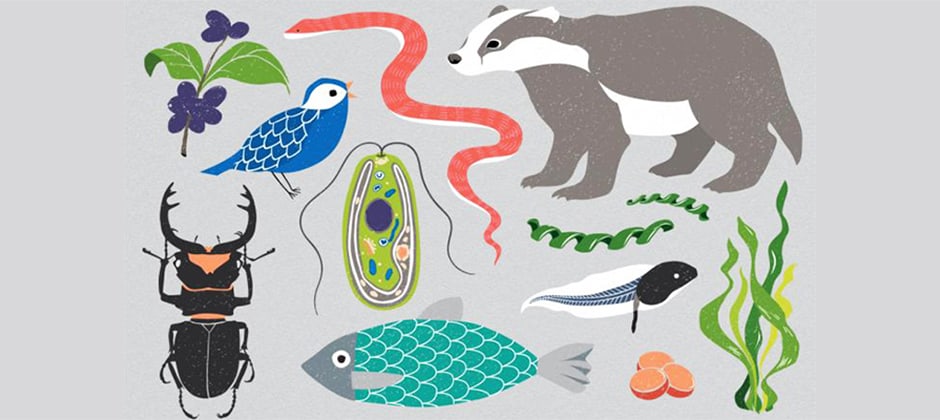
A global effort to map the genomes of life on earth is moving from a pilot project to full-scale production sequencing. The Earth BioGenome Project launched in 2018 as an effort to provide a complete DNA sequence catalog of all 1.8 million named species of plants, animals, fungi and single-celled eukaryotes. “Achieving the ultimate goal of sequencing all eukaryotic life now seems within our reach,” said Harris Lewin, chair of the EBP Working Group and Distinguished Professor of Evolution and Ecology at the University of California, Davis.

Organizers hope the digital DNA library can help provide tools to prevent biodiversity loss and protect ecosystems. The project brings together international efforts, including the California Conservation Genome Project, the Vertebrate Genome Project and the 10,000 Bird Genomes Project. This new phase was marked with a collection of papers published in Proceedings of the National Academy of Sciences, describing the project’s goals, achievements and next steps.

Read more at phys.org.

In minks, microbiomes aren’t created equal

Animals’ inside world can tell researchers a lot about how they interact with the outside world.

While studying gut microbiomes, which is still an emerging area in wildlife biology, researchers have found that the microbes in digestive tracts can yield important insights into how species handle infections, what foods they specialize on, even how their brains develop. These interactions can be complicated, though, and researchers recently found they can be even more daunting than they already knew.

“We think about our skin as our primary direct interface with the world, but our gut is where we put pieces of the outside world into our bodies,” said Erin McKenney, an assistant professor in applied ecology at North Carolina State University. “So our relationship to microbiomes has really shaped our evolution as animals.”

McKenney wanted to validate researchers’ collection methods. Focusing on minks, she and her colleagues wanted to see if time and temperature affected how accurately fecal samples depicted the animals’ microbiomes. But as they looked at the data, something else caught them by surprise—and forced them to rethink how to study microbiomes altogether. Male and female minks had totally different microbiomes, despite eating the same food. A few fecal samples, they realized, couldn’t tell the whole story.

“We thought it was going to be cut and dry,” said McKenney, a co-author on the study published in the Journal of Mammalogy. “We were just looking for the changes over time with temperature treatments. That was really exciting.”

Previous wildlife microbiome research had mostly focused on herbivores and omnivores, which are much more numerous on the landscape. Carnivores are harder to find in the wild, and their microbiomes are harder to study.

“They live at lower population densities and need larger home ranges,” McKenney said. “The characteristics that make carnivores compelling also make it harder to study their microbiome. They tend to be elusive and live in smaller social groups.”

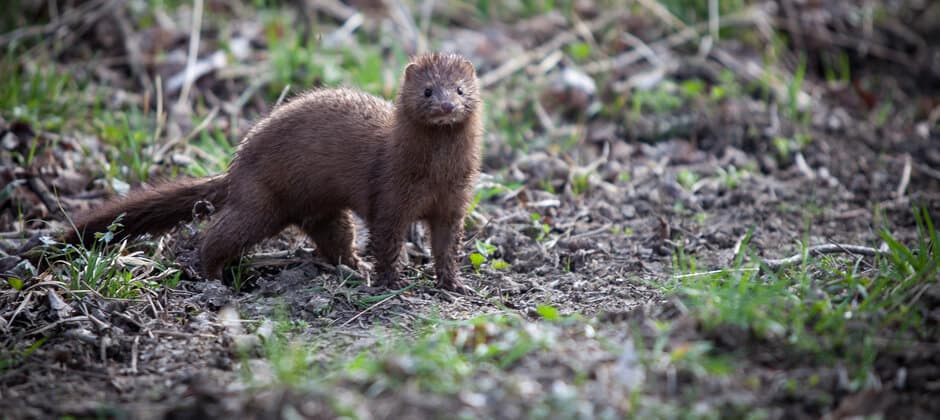
But American minks (Neovison vison) are easy to find—at least they are on mink farms, where they’re raised in captivity for their pelts—and that gave the team an ideal site to conduct their research. Because the minks were kept in captivity, the team, led by Diana Lafferty, with Northern Michigan University, could control what they ate and collect fresh fecal samples as soon as they were provided.

The team collected the scat and divided each sample in two. They placed half of the sample in the cold of an Upper Peninsula winter. The other half they put inside a greenhouse at about 70 degrees Fahrenheit, replicating summerlike temperatures biologists might find out in the field.

They compared changes in the fecal microbiomes over five days, and found no significant differences in microbiomes from samples collected in cold and warm temperatures or over time. That was good news. Even if researchers collected old, dried-out samples from the wild, it seemed, they could still accurately analyze gut microbes.

However, they found dramatic differences between the microbiomes of male and female minks. The team isn’t sure yet why this is the case, McKenney said, but it suggests that using microbiomes to understand a population is harder than analyzing a few samples.

Based on the amount of variation the researchers detected among the 10 mink they studied under controlled conditions, the researchers calculated that they would need to collect up to 1,000 samples to detect about a 50% difference in microbial diversity in field conditions. “If you go to the wild to free-ranging populations without standardized diets or controlled environmental conditions, I imagine you would need even more samples,” McKenney said.

That throws a wrench into biologists’ ability to understand an elusive species’ microbiome, she said, but it also sets the stage for more informed research.

McKenney and her colleagues are keeping that in mind now as they study microbiomes in other carnivores, like black bears (Ursus americanus), Alaskan brown bears (Ursus arctos gyas), martens (Martes americana) and fishers (Pekania pennant).

“We’re trying to slowly crack open this wicked nut,” she said.

Reduced speed limit doesn’t improve safety for ungulates

Road strikes are a major cause of death for ungulates across the world—in Wyoming alone, an average of about 7,500 big game animals are killed every year.

“Roads can be a big problem for big game,” said Corinna Riginos, director of science of the Wyoming chapter of The Nature Conservancy.

The collisions can also cause vehicle damage, and even human injury and death. Some wildlife managers have proposed slowing down traffic in areas that experience high numbers of crossings as a solution.

But Riginos and her colleagues found that reducing speed limits doesn’t have much of an effect on curtailing ungulate strikes, at least on the highways they studied in Wyoming.

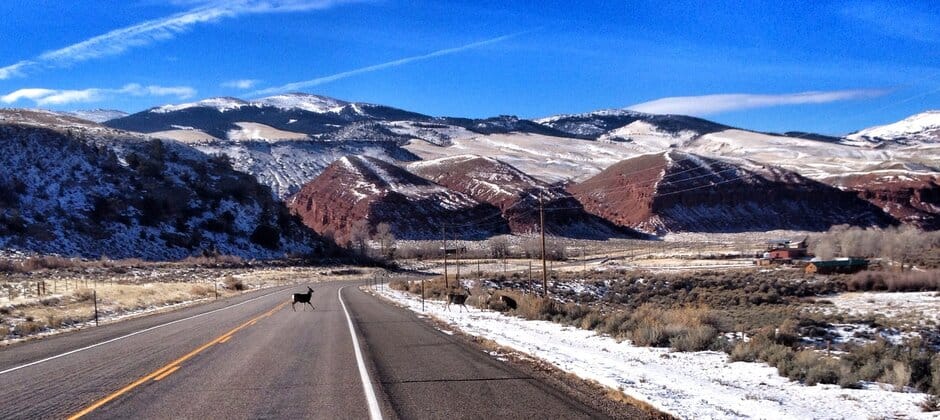
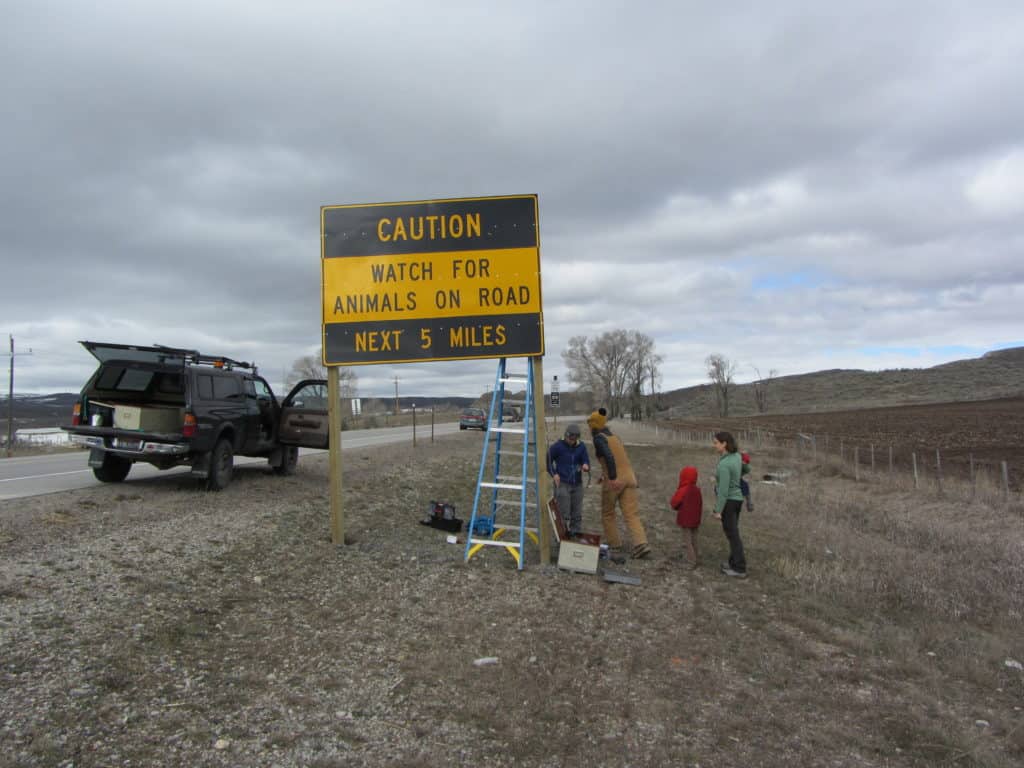
In a study published recently in Conservation Science and Practice, lead author Riginos and her team set up an experiment along six sections of highway in southwestern Wyoming where a lot of deer collisions occurred. These stretches of road were all in mule deer (Odocoileus hemionus) migration paths or winter ranges. Using radar detectors, the team measured the speed of every passing vehicle at night. They also set up infrared cameras to detect deer crossing in the dark and counted roadkill from records on animal collisions kept by the Wyoming Department of Transportation.

Researchers mount a thermal video camera on a sign within the experimental site. Credit: Corinna Riginos

At the sites in the mule deer’s winter range, the team kept the speed limit at its usual 70 mph from the fall of 2016, when they started the experiment, through the spring of 2017. In the second year, they dropped the speed limit to 55 mph in half of that stretch of highway.

At the stretches of road in the deer’s migration path, the researchers collected data over four migration seasons—during two of those seasons they reduced the speed limit.

They found, in general, when there was more traffic, there was a higher risk of deer-vehicle collisions.

“Not surprisingly, when there’s more vehicles on the road, it’s harder for the deer to make a safe crossing,” Riginos said.

Their analysis showed that reducing the speed limit at the winter sites, where the researchers feel their study design was stronger, didn’t decrease collisions there.

But the team did find a 30% reduction in wildlife collisions at the stretches of road in the migration paths. However, a harsh winter during the first year meant that fewer mule deer survived, resulting in fewer crossings in general during the migration seasons with reduced speed limit. The design of the study at the migration sites meant the researchers couldn’t tease apart the effects of speed limit versus larger population trends on roadkill, whereas they could make this distinction at the winter sites.

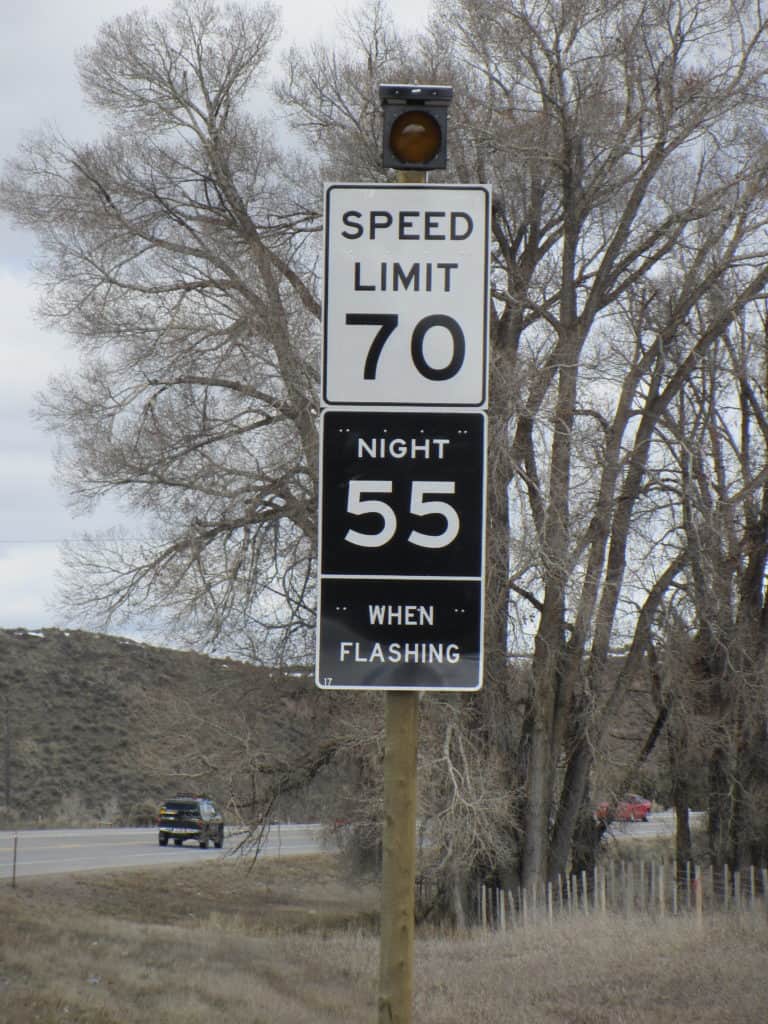
A reduced speed limit sign. Credit: Corinna Riginos

Part of the reason speed reduction may not have impacted deer collisions at the winter site was that many drivers didn’t respect the lower speed limit, Riginos said. Despite flashing beacons indicating that the speed limit dropped at night from 70 mph to 55 mph, cars only slowed an average of 3-5 mph.

“They were still well above the 55 mph target,” Riginos said. “We all want it to be a cheap and easy fix, but it’s hard to change how people behave.”

Mobilizing more highway patrols might help, she said. But she thinks that even slowing down to 55 mph might not help drivers react to wildlife in the road at night since vehicles are still moving fast. This study may prompt wildlife managers to reconsider the best strategies for reducing wildlife strikes in some areas like wildlife crossings.

She said that slowing traffic might still work in some urban areas for smaller stretches of road, but long stretches of highway are less likely to see these kinds of benefits.

While building overpasses or underpasses may be more expensive, Riginos said the cost has to be weighed against the vehicle damage caused by these accidents—a typical case of which might cost $8,000 on average—as well as possible injury and death for both deer and humans.

Omicron variant appears in deer

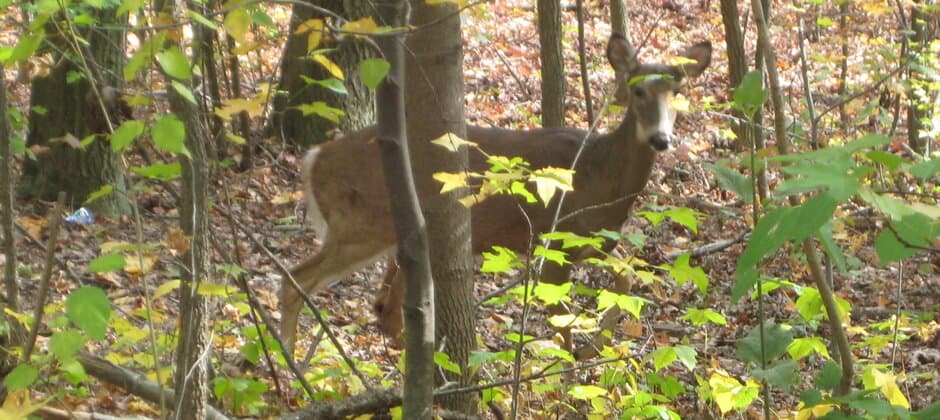
White-tailed deer on Staten Island have tested positive for the Omicron variant of the coronavirus that causes COVID-19. It’s the first time the highly-contagious variant has been detected in wildlife and suggests the deer caught the virus from infected people nearby.

The discovery “highlights an urgent need for comprehensive surveillance of susceptible animal species to identify ecological transmission networks and better assess the potential risks of spillback to humans,” the authors wrote.

White-tailed deer (Odocoileus virginianus) earlier tested positive for previous variants of SARS-CoV-2, which were widespread among people living nearby when the studies were conducted.

In the latest study, available in preprint, led by Pennsylvania State University researchers, 19 out of 131 deer sampled on Staten Island, New York, in December and January tested positive of the Omicron variant. Yearling were much more likely than fawns to be affected.

The Omicron variant’s “ability to cause infection and spillover to non-human animals remains a challenge of concern,” the authors wrote.

Read more in the New York Times, and read the preprint study here.

Black-tailed prairie dogs aren’t plague reservoirs

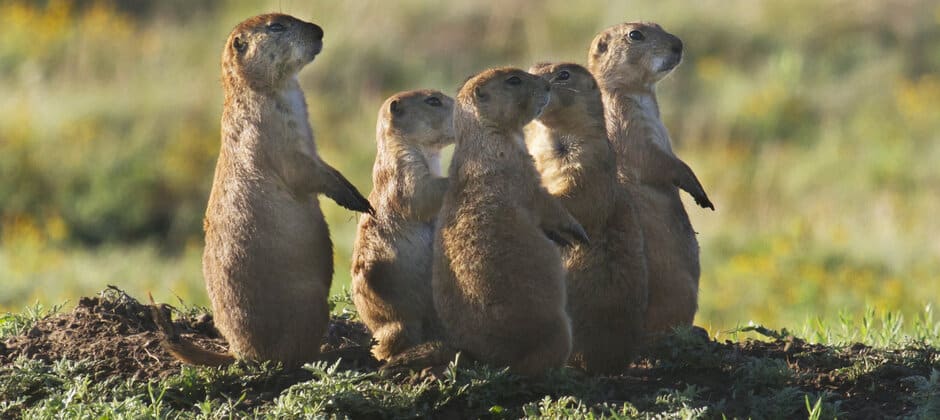
Black-tailed prairie dogs seem to be only victims to sylvatic plague, rather than reservoirs for the disease in the grasslands environments where they live.

Sylvatic plague is the wildlife version of the plague that has affected humans in massive pandemics. It’s caused by the bacterium Yersinia pestis, which is transmitted between animals by fleas. The disease affects a number of small mammals, from mice to rabbits, including species of conservation concern like black-tailed prairie dogs (Cynomys ludovicianus), as well as the federally endangered black-footed ferrets (Mustela nigripes) that prey on them. The disease can nearly wipe out entire populations of prairie dogs and ferrets.

“Plague is a huge concern—it’s definitely one of the main concerns for black-footed ferrets, for sure,” said David Wagner, a biology professor and associate director of the Pathogen and Microbiome Institute at Northern Arizona University.

While we know how the disease is transmitted, it’s unclear how the bacteria persist in the environment to cause future outbreaks. Some researchers thought that black-tailed prairie dogs might harbor the disease as a reservoir.

“Black-tailed prairie dogs are sort of notorious for epizootic outbreaks,” Wagner said.

In a study published recently in Integrative Zoology, Wagner and his co-authors conducted fieldwork in 2004 and 2005 to test this idea. The researchers trapped prairie dogs and other rodents in the grasslands around Boulder, Colorado. They collected fleas from the animals and tested them for the Yersinia pestis bacteria. They also tested blood samples from the rodents for plague antibodies.

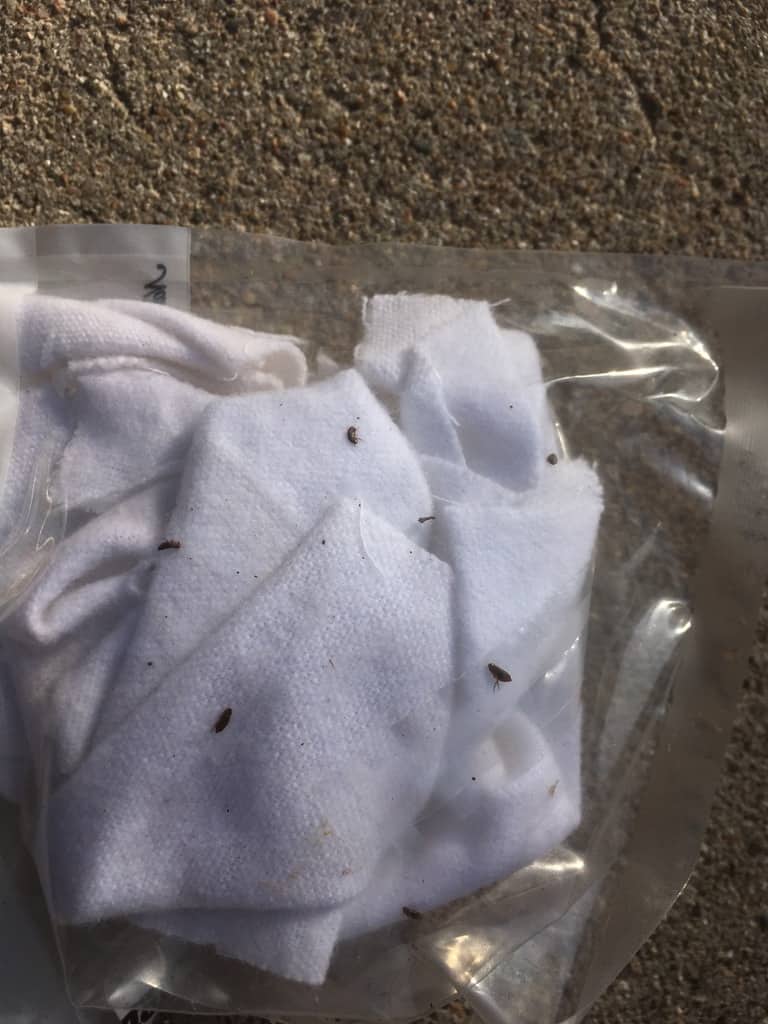
Plague-infected fleas collected from dead black-tailed prairie dogs. Credit: David Wagner

The first year revealed no evidence of the plague or plague antibodies. But in 2005, the researchers found the disease swept through some populations they were tracking. It began in areas outside the prairie dog colonies, and then quickly began to show up in the colonies in animals that share prairie dog burrows like deer mice (Peromyscus maniculatus), voles and rabbits. Eventually the prairie dogs contracted it, and some colonies were nearly wiped out, with some populations dropping 90-95%.

Wagner said this observation reveals that plague didn’t originate from the black-tailed prairie dog colonies, but rather the smaller rodents that brought it in from elsewhere. The fact that prairie dogs are nearly wiped out is bad for them, but it means that they aren’t good reservoirs for the long-term persistence of the disease. If all the animals die, they can hardly pass the disease on to other colonies, after all.

“An epizootic host can’t maintain the plague,” Wagner said.

While this may clear black-tailed prairie dogs from being the reservoir for plague, the research didn’t reveal which species was the culprit.

“Unfortunately it didn’t shed any insights into what the cryptic reservoirs are,” Wagner said, adding that it’s possible the plague persists by bouncing between rodent species. “It’s a little bit like a needle in a haystack.”

As far as wildlife management, techniques for control remain the same—developing a vaccine for prairie dogs and ferrets, and focusing on flea control, Wagner said.

Intact coastal regions are dwindling

Intact coastal regions are on the decline, researchers found. As of 2013, only 15.5% of the world’s coastal regions remained intact as human pressures impact these critical areas.

“Coastal regions contain high levels of biodiversity and are relied upon by millions of people for ecosystem services such as food and storm protection,” said Brooke Williams, a conservation ecologist from the University of Queensland and lead author on a recent study published in Conservation Biology.

Tracking human pressure on land and marine systems, researchers found coastal regions with seagrasses, savannah and coral reefs had the highest levels of human pressure. Canada possessed the largest expanse of intact coast.

Read the study in Conservation Biology.

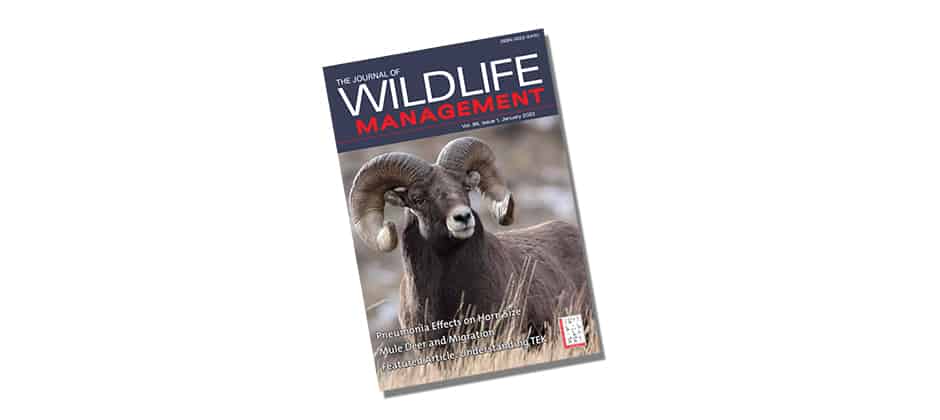
The January issue of the Journal of Wildlife Management

The Journal of Wildlife Management is a benefit of membership in The Wildlife Society. Published eight times annually, it is one of the world’s leading scientific journals covering wildlife science, management and conservation, focusing on aspects of wildlife that can assist management and conservation.

Join today for access to the Journal of Wildlife Management  and all the other great benefits of TWS membership.

Indigenous communities have often been marginalized in the sciences through research approaches that are not inclusive of their cultures and histories. Although the term traditional ecological knowledge, or TEK, has entered the discourse in wildlife management and conservation, working between Western and Indigenous paradigms can present challenges in cross-cultural communication and conceptualizations of TEK. In the January issue of the Journal of Wildlife Management, researcher Seafha Ramos discusses her work using Indigenous research methodologies to explore the conceptualization of TEK and wildlife management with the Yurok Tribe of California. The work could help other researchers who are interested in IRM and culturally sensitive wildlife research with Indigenous communities.

Other articles look at factors affecting bighorn sheep activity at water developments, woodland caribou abundance and forest disturbance, mortality and survival patterns of Pacific martens, and more.

Log in to read the January issue today.

JWM: Nest cages boost piping plover survival

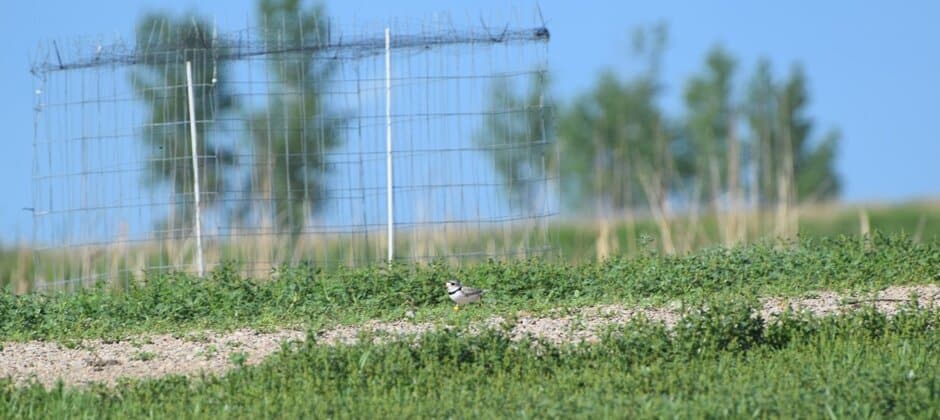
Placing cages around piping plover nests helps boost bird populations by keeping predators away from young chicks and eggs.

But some wildlife managers had found dead adult plovers around these cages and worried that they may somehow be causing problems rather than protecting the species as intended.

“Adult mortality could have a pretty profound effect and wash out any positive effect they might have on increasing recruitment,” said Michael Anteau, a research wildlife biologist with the U.S. Geological Survey.

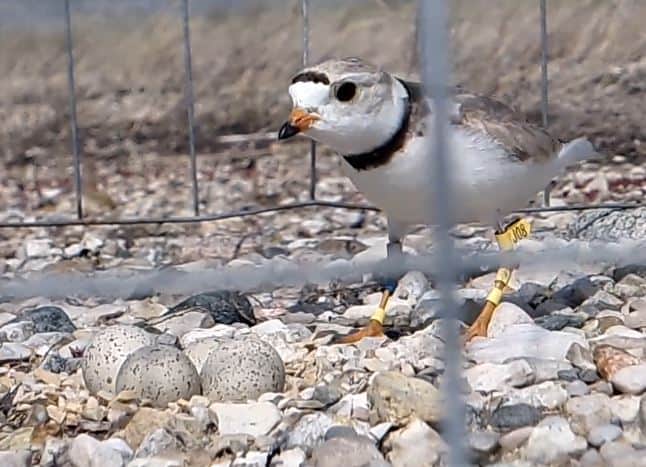
Piping plovers (Charadrius melodus) were listed as federally endangered by the U.S. Fish and Wildlife Service in 1985. The birds prefer to nest on sandbanks created by the shifting paths of rivers that run their natural course. But managers have tried to control the hydrological cycle of many waterways, leading to loss of good nesting habitat for the small shorebird. Nest predation by native and invasive species can also cause challenges for these birds, so wildlife managers have turned to placing cages over nests that allow the adults access but exclude predators like crows, gulls, raccoons (Procyon lotor), skunks, coyotes (Canis latrans) and foxes.

An adult plover watches over its eggs inside the cover of a nest cage. Credit: U.S. Geological Survey

Anteau led a study published recently in the Journal of Wildlife Management in which he and his colleagues conducted an experiment around the Prairie Pothole Region wetlands of North Dakota and Montana to find out if the cages were causing any damage. They had more than two dozen study areas each year, split between ones without cages, and ones with cages over half the nests.

When they compared survival between the various areas, the researchers found that “cages did improve nest survival,” Anteau said.

They found no evidence that nest cages were leading to adult plover deaths. So why were managers finding dead adult plovers by some of these cages? Anteau speculated the reason is predation. Raptors may capture plovers elsewhere and bring them to the caged nests to consume them, using the cages as perches. This would make sense because the areas are relatively flat without many trees or other potential perches—the cages may be a good place for birds of prey to stop and eat.

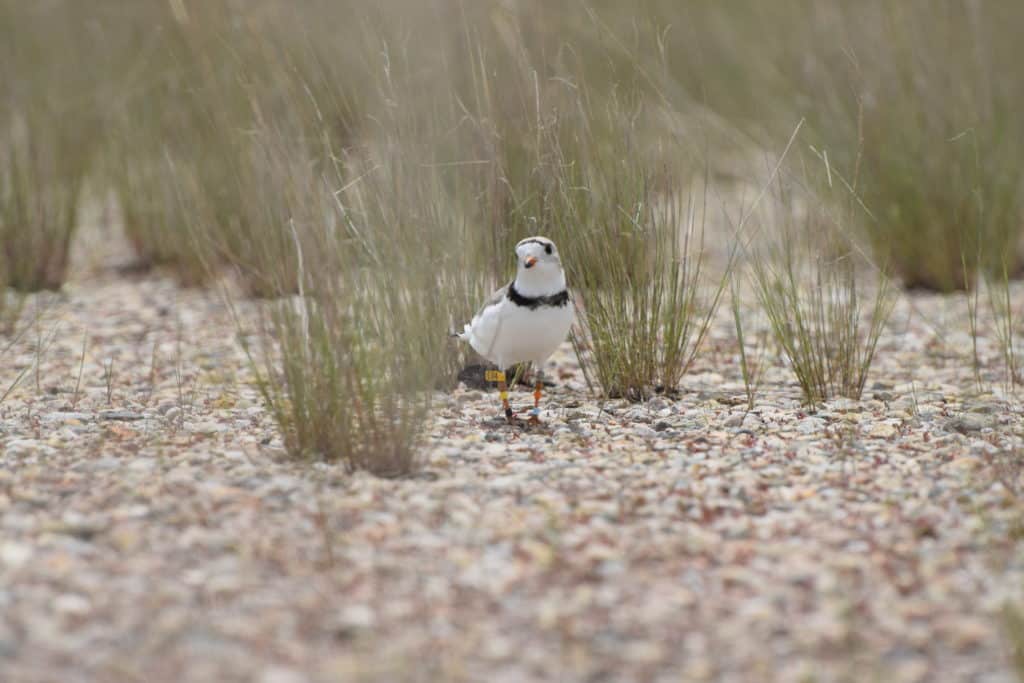
Piping plovers are considered endangered in many parts of their range. Credit: U.S. Geological Survey

Wildlife managers were also concerned that the nest cages might be artificially bolstering plover chick density, which could in turn result in elevated competition and mortality rates. But their results didn’t show this either. Finally, a concern that nest cages might be attracting predators that then overharvest uncaged nests nearby also held no water in their study.

Overall, the experiments showed that the cages improved nest success and didn’t have any side effects on the survival of chicks or adults, making it a viable management tool for conservation of piping plovers.

This article features research that was published in a TWS peer-reviewed journal. Individual online access to all TWS journal articles is a benefit of membership. Join TWS now to read the latest in wildlife research.

DOI reinstates Invasive Species Advisory Committee

After reinstating the federal Invasive Species Advisory Committee, the U.S. Department of the Interior has announced a call for nominations to the committee.

The federal advisory committee aims to support the National Invasive Species Council (NISC), an interagency body that works to coordinate federal efforts to prevent, eradicate and control the spread of invasive species. The committee was disbanded in 2019 after nearly two decades of existence when NISC funding was cut in half.

The Wildlife Society, alongside other members of the National Environmental Coalition on Invasive Species, have supported the work of NISC and the advisory committee. In 2019, the coalition wrote a letter to Congress requesting that appropriators direct the administration to reinstitute NISC funding.

In September 2021, President Biden signed an executive order to revive several lapsed federal advisory committees—the Invasive Species Advisory Committee was one of them. With the committee’s reestablishment, NISC will have greater access to scientific information and resources to aid in its responsibility to advance invasive species management goals.

“The Invasive Species Advisory Committee will help equip federal decision-makers with the information they need to effectively take on the complexities of invasive species management,” said Caroline Murphy, AWB®, and government relations manager for The Wildlife Society. “The panel will be valuable in ensuring that agency decisions on invasive species are informed by natural resource professionals and the best available science.”

Invasive species cause an estimated $120 billion in damages in the United States each year, with consequences on wildlife and human health, outdoor recreation, agricultural productivity and native fisheries escalating as invasives become established in new areas and expand their range. The reinstatement of the Invasive Species Advisory Committee will help inform federal policies that prevent and manage the spread of invasive species.