Isolated turtle population receives federal listing

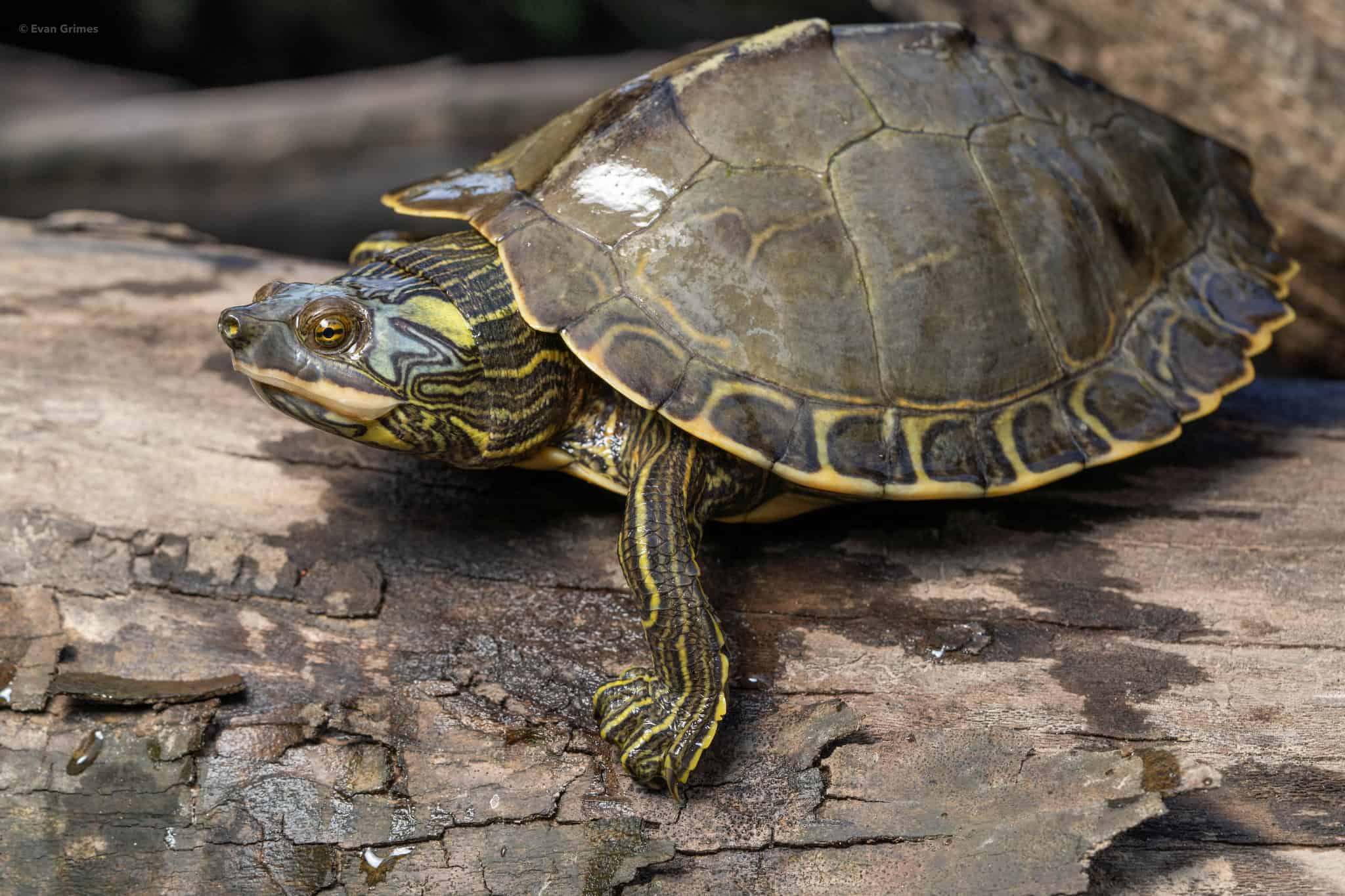
The Pearl River map turtle will be federally listed as threatened under the Endangered Species Act as it faces habitat loss and degradation, illegal collection and climate change. Habitat projections also suggest the turtle populations are becoming more isolated, with only an estimated 21,000 Pearl River map turtles (Graptemys pearlensis) left in the wild. Other species, including the Alabama, Barbour’s, Escambia and Pascagoula map turtles, will also be listed as threatened due to similarity of appearance. These listings will alleviate state and federal law enforcement officers from having to tell the turtles apart during illegal collections. The listing decision will become effective on Aug. 12.

Read more at the U.S. Fish and Wildlife Service.

2024 TWS election results are in

Members of The Wildlife Society have voted for Evelyn Merrill as the new Vice President after the 2024 election results have been tallied.

Al Arsenault was elected as the Canadian Representative while Lisa Muller was elected as the Southeastern Representative. Kathy Granillo was elected as the Southwest Representative.

The Wildlife Society would like to congratulate all candidates who ran for a position this election cycle, including Adam Ahlers, Dennis Brannen, Eric Pelren, and Erika Nowak.

Read more about our incoming VP and Council members below.

Evelyn Merrill

I started down The Wildlife Society (TWS) path in the 1970s and have never looked back. I have seen TWS evolve just like the ecosystems around me, and this is a strength of The Society. The current revision of the Strategic Plan reflects a blend of maintaining our core values while adapting to the realities of our future. I intend to support this direction with particular attention in: 1) strengthening policy engagement in North America while keeping science at the forefront and being proactive in developing effective partnerships, 2) fostering opportunities for students and new professionals (who will be our teachers and our legacy) along with seasoned mentors; 3) diversifying our community and expanding inclusiveness in creative ways that may take stepping outside of the box; and 4) by not losing sight of the financial solvency needed to support our staff and everyday efforts. The best steps forward for each of these may not always be clear and outcomes may not be immediate. But when weighing the options, we need to be transparent and communicate clearly the end-game, institute our decisions in an equitable manner, and learn from our mistakes. Martin Luther King was a leader because he had not only a plan but a dream. I aspire to help TWS stay relevant and to support our members and those around them to enjoy wildlife in sustainable and reverent ways that battle the malaise of emerging environmental grief, unites us in cause, and motivates us to step up. I am passionate about ensuring the same wonder and enthusiasm for the world of wildlife in the future that I have been fortunate enough to find in my life. I see my service to TWS as an important means for achieving that, and as an enduring legacy of my career.

Read Evelyn Merrill’s complete biographical sketch here.

Al Arsenault

Throughout my career as a wildlife biologist, I’ve remained committed to life-long learning and service to wildlife conservation and to TWS in whatever capacity I could as a member, at the working group, chapter, section, and parent society levels.  Professionalism and promotion of our organization is a means of demonstrating credibility of our trademarked professional designations (AWB® and CWB®) so that members with these designations are recognized by industry, academia, ENGOs, and governments at all levels as the preeminent authority on wildlife science, management, and conservation.  In service to TWS, I’ve strived to elevate recognition of TWS professional designations in Canada.  I envision TWS professional designations to be highly valued and sought after by wildlife professionals in our organization as a career goal to achieve, one that nurtures commitment to high ethical and professional standards in wildlife science, conservation, and management.  To this end, my goals are: 1) continued development of the Canadian Section and TWS Parent Society as an organization that serves an important and positive influential role in management and conservation forums in North America, 2) to foster significant and substantive contributions by our members that ensure sustainable wildlife populations in healthy ecosystems through professional collaboration, discovery, science-based management, and conservation; (3) to foster a TWS culture of lifetime continued learning and professionalism; 4) to encourage students and early career wildlife professionals to become active members and leaders of the wildlife profession; and 5) to recognize and celebrate the contributions and professionalism of our mid and late career members.

Read Al Arsenault’s complete biographical sketch here.

Kathy Granillo

I have been active in The Wildlife Society for over 30 years, with most of that time spent in the Southwest. The wildlands, wildlife and wildlife professionals of this area are near and dear to my heart. I am the current Southwest Representative to Council (2021-2024) and I am seeking a second term. I believe I have accomplished much in my first term and that it has prepared me to do even more in a second term. I am actively involved in crafting the new Strategic Plan for TWS and want to help implement that plan over the next few years. I have helped shape the future of TWS through my work on the Diversity Committee, the Position Statements Committee, and as Council Liaison to the IDEA Working Group and the Climate Change and Wildlife Working Group. I strive to represent the Southwest geographic area by attending and presenting at the Texas Chapter annual conferences, and the Joint annual meetings of the Arizona and New Mexico Chapters. I sit in on chapter and section board meetings and stay in touch with members via the various newsletters and through email and phone calls. My priorities include focusing on better communication between scientists and managers; involving youth and minorities in conservation and science, and encouraging wildlife professionals to stay engaged and educated about our rapidly changing world and the impacts on wildlife and the places they live.

Read Kathy Granillo’s complete biographical sketch here.

Lisa Muller

I have been involved with teaching and research in wildlife for many years.  I strongly believe it is important to give back to the profession and encourage current and future wildlife biologists to continue the great work of TWS.  I am passionate about including diverse voices as I know wildlife conservation issues faced tomorrow will require many different ways of thinking.  I know it is important to participate and for everyone to make their voices heard.  I want to promote communication and collaboration in the profession.  I also encourage wildlife professionals to engage the public and explain the science and thought that goes into management decisions. 

Solutions to conservation issues and progress in natural resource management will come from an informed and passionate membership.  I believe TWS provides many opportunities for professional growth and I will continue to advocate for education, training, and mentorship.  I have been very fortunate to have had great guides, colleagues, and friends at all levels of TWS.  I would like to be a part of the tradition and promote involvement.  I welcome interactions, ideas, and suggestions from all members. If reelected, I will do my best to continue to serve the Southeast Section.

Read Lisa Muller’s complete biographical sketch here.

Wildlife Vocalizations: Nathaniel Owolawi

I am from the Yoruba ethnic group in Nigeria, and generally, bush meat is a traditional part of our meals. Many core traditional Yoruba people, particularly those still in rural areas, do not really believe in conservation. They believe that hunting is a part of man’s life and that species cannot go extinct because God created them. In fact, bushmeat is treated like a luxury at functions to serve guests and dignitaries.

A few years ago, a close family friend who believed in the cultural tradition of taking wildlife for food was visiting me and offered me bushmeat. He is elderly, and normally, it is disrespectful to reject a gift from the elderly in my culture. Although I considered collecting it and trashing it later, I realized that doing so would signal support for something I was against.

Instead, I joked about it, refusing the gift gently and making my stance known. Lucky for me, my mom, who I have now brought to my side on conservation, was somewhere close, and she jokingly buttressed my point.

Nathaniel Owolawi at the Northern Africa Regional Meeting of the International Forestry Students Association in Kumas in Ghana. Credit: International Forestry Students’ Association

A lack of conservation awareness

There are many challenges facing wildlife today, but one of the most critical is the pervasive lack of awareness about the importance of conservation.

Growing up in Nigeria, I never really heard about conservation until I went to university to study wildlife management. I had visited the nearby Zoological Garden at the University of Ibadan many times growing up—it was always fun going to the zoo to see my favorite species and learn fun facts about the animals. But I never got any message about conserving species there or elsewhere. I also took biology and agricultural science in secondary school, but wildlife conservation is just a small fraction of what is taught in these subjects.

The absence of conservation education from a young age means that many people, even those who are well-educated, remain unaware of the critical need to protect wildlife. This ignorance undermines conservation efforts and prevents the development of a conservation-minded culture. Establishing a strong foundation of conservation education early is essential, not just for fostering individual responsibility, but also for nurturing a collective consciousness that values and prioritizes the preservation of our natural world.

Nathaniel Owolawi during a conservation outreach at God’s Blessing College in Ibadan in Nigeria. Credit: Endangered Species Protection Initiative

I became inspired to take some steps to fill this gap in Nigeria. I have volunteered with conservation organizations, and led conservation outreach at schools and radio stations.

Governments have a pivotal role in addressing the lack of conservation education by integrating it into standard education curriculums. By making conservation lessons a formal part of education, from primary schools through tertiary institutions, every child should learn about the importance of conserving wildlife and ecosystems.

Nongovernmental organizations are now playing a crucial role in filling the gaps left by formal education systems. Many NGOs have initiated conservation clubs and educational programs in schools, providing students with hands-on experience and highlighting the significance of wildlife conservation. These initiatives not only supplement classroom learning but also inspire young minds to become passionate advocates for wildlife conservation.

In addition, inspired individuals can contribute to the conservation education journey. While interning at the Zoological Garden at the University of Ibadan recently, I observed that many visitors do not understand species’ conservation status. I found this to be a big challenge because people need to be informed. The information they have might inspire them to take action.

Nathaniel Owolawi at the official unveiling of the IUCN Red List Illustrations at the Zoological Garden at the University of Ibadan. Credit: Esther Otunla

To bridge this gap, I worked on a concept that interpreted the International Union for Conservation of Nature’s Red List of Threatened Species, using short words and infographics to explain each category. I curated it into a board displayed at the zoo entrance. Visitors learn about the Red List categories on this board before they even begin to see the animals, which improves their understanding of conservation statuses as they see them on the information tags at animal enclosures at the zoo.

My generation has the potential to make a significant impact on wildlife conservation by becoming more informed and actively participating in efforts to protect biodiversity. By integrating conservation education into everyday life and fostering a culture that values and protects wildlife, we can ensure the survival of many species and the health of our planet for future generations.

Wildlife Vocalizations is a collection of short personal perspectives from people in the field of wildlife sciences

Learn more about Wildlife Vocalizations, and read other contributions.

Submit your story for Wildlife Vocalizations or nominate your peers and colleagues to encourage them to share their story. For questions, please contact tws@wildlife.org.

USFWS plans to cull 450,000 barred owls to help native species

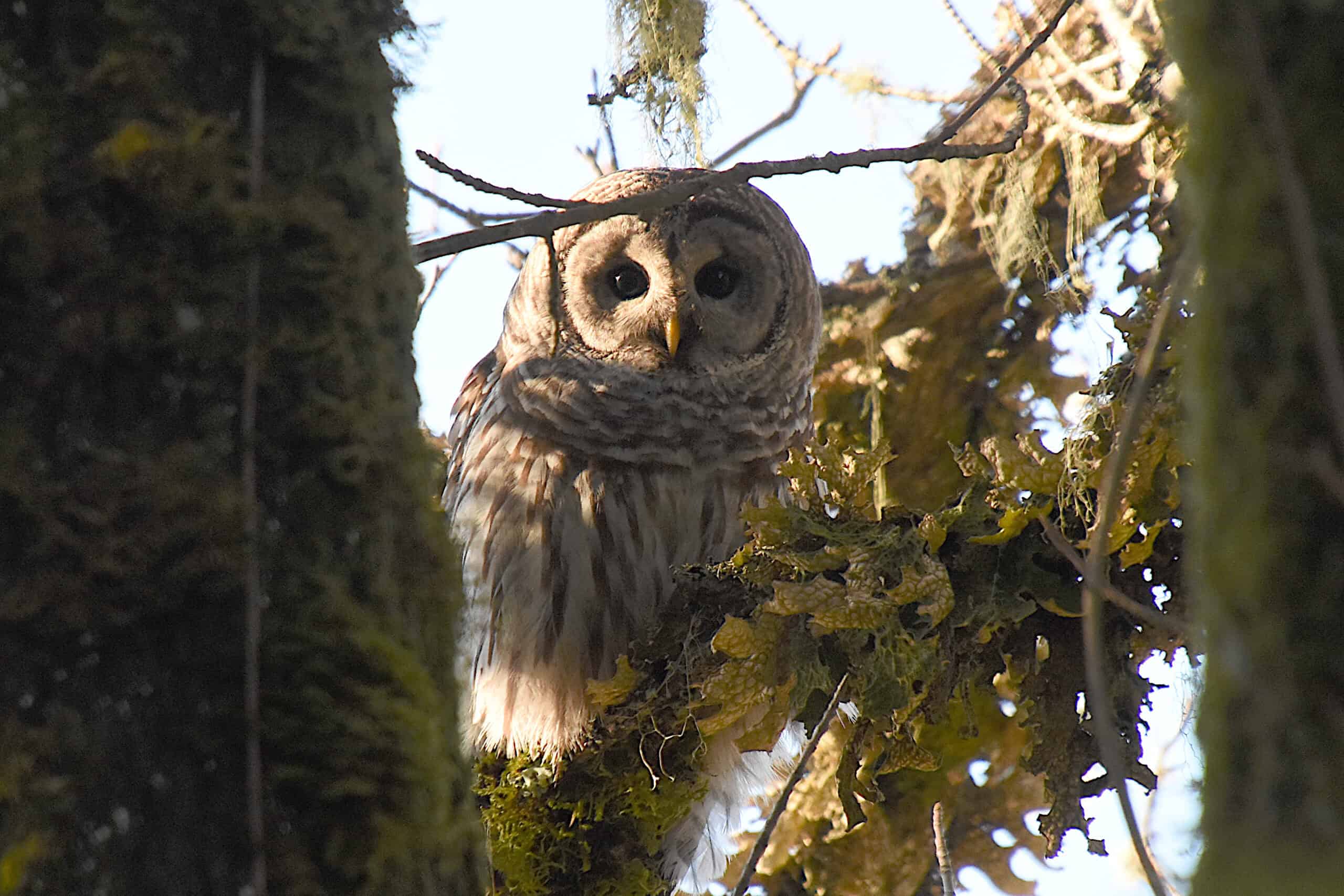
The U.S. Fish and Wildlife Service plans to cull nearly half a million invasive barred owls on the West Coast in order to stymie their invasion into spotted owl territory. Barred owls are native to eastern North America, but they have slowly been colonizing areas on the West Coast. These newcomers squeeze native spotted owls out of their habitat. The California (C. e. occidentalis) and northern spotted owl (Strix occidentalis caurina) subspecies are particularly affected. The latter is listed as federally threatened by the U.S. Fish and Wildlife Service, while the former is a candidate for listing. As a result, the USFWS has formed a plan to lethally remove some 450,000 barred owls (Strix varia) using sharpshooters, according to documents obtained by the Associated Press.

Read more at the Associated Press.

Butterflies make record-setting journey across the Atlantic

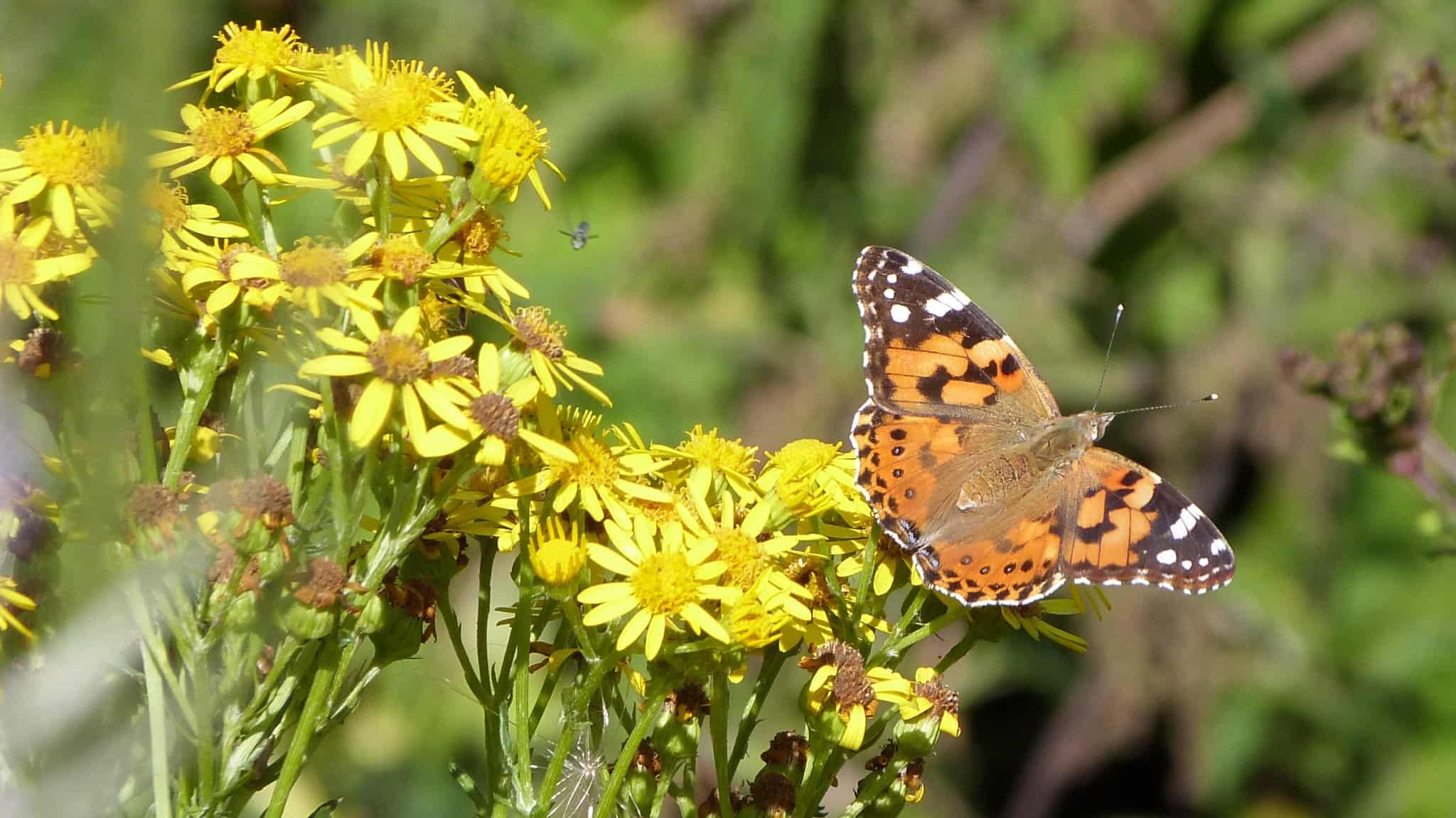
Painted lady butterflies have fluttered thousands of miles across the Atlantic on a record-setting journey to South America. Researchers say the butterflies flew at least 2,600 miles—and maybe more than 4,300 miles—on a journey that carried them across the ocean from West Africa or Europe. That’s farther than any insect is known to have flown.

“We tend to see butterflies as a symbol of the fragility of beauty, but science shows us that they can perform incredible feats,” said Roger Vila, a researcher at the Institute of Evolutionary Biology in Barcelona and a co-author on a study published in Nature Communications documenting the historic flight.

The findings stem from an unusual discovery. In 2013, Gerald Talavera, a Spanish National Research Council researcher at the Botanical Institute of Barcelona, noticed several painted lady butterflies (Vanessa cardui) along the Atlantic coast of French Guiana. That was strange, since the species isn’t known to occur anywhere in South America.

The butterfly does live in North America, but after analyzing wind patterns, the researchers landed on another possibility. What if the butterflies rode the currents west from Africa or beyond?

Some genetic sleuthing supported their theory. The butterflies’ genetics matched species that live across the Atlantic. DNA from pollen on their bodies came from two plants found only in tropical Africa. That would indicate the butterflies journeyed at least from West Africa, some 2,600 miles away.

But maybe the trip began even farther away. A chemical analysis of their wings—which preserve stable isotopes from their place of origin—determined that their trek likely originated in western Europe. That could mean a flight of over 4,300 miles, possibly starting in France, Ireland, the United Kingdom or Portugal before reaching Africa and heading west.

“This is an extraordinary feat for such a small insect,” said co-author Clément Bataille, a professor at the University of Ottawa in Canada.

The researchers calculated the butterflies rode favorable wind currents for a nonstop journey of five to eight days. And they may not be alone. The same currents that blow Saharan dust to the Americas may transport living organisms, the researchers found. And with climate change altering global weather patterns, such long-distance dispersals may be on the rise.

“This discovery opens new perspectives on the capabilities of insects to disperse over long distances, even across seas and oceans,” Talavera said.

Elephants receive first of its kind vaccine

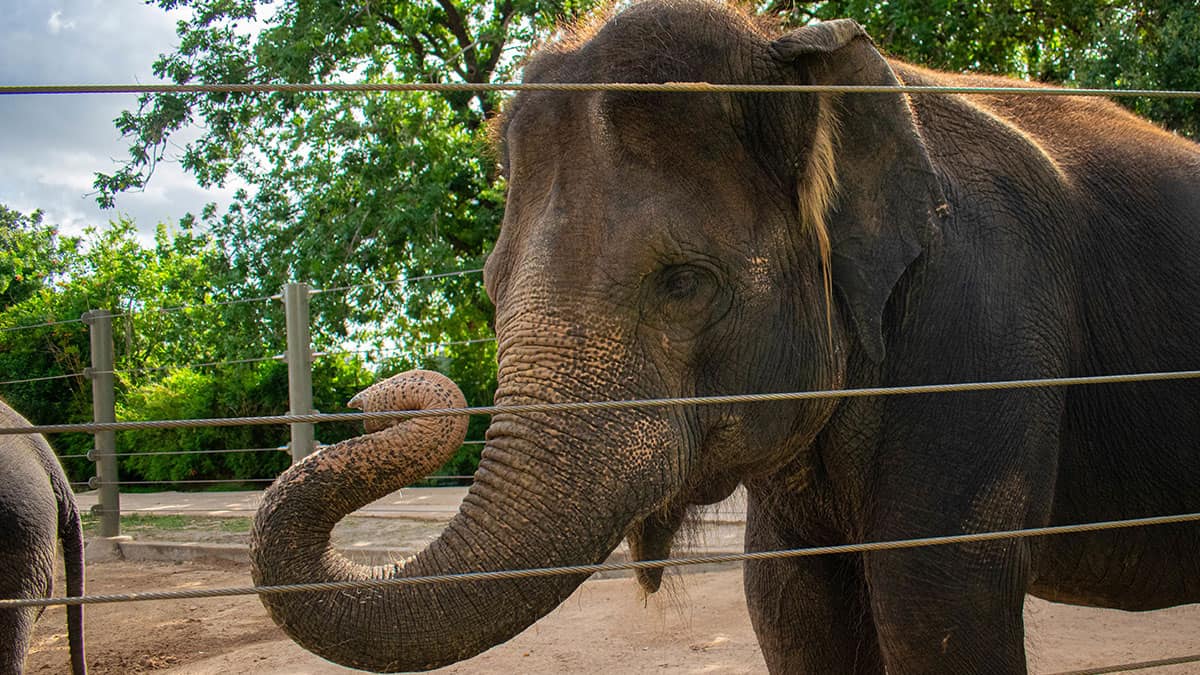
An elephant at the Houston Zoo is the first ever to receive a new vaccine to prevent herpesvirus. Elephant endotheliotropic herpesvirus is the leading cause of death for Asian elephants (Elephas maximus) born in facilities in North America and also causes calf deaths in the wild in Asia. A 40-year-old female received the new mRNA vaccine, which is expected to help the animal boost immunity, though the developers don’t expect it will necessarily cure the disease. “Elephants are incredibly intelligent keystone species that are critical to their ecosystems and worth saving,” said Colossal’s Matt James, the chief animal officer at Colossal, in a press release. Colossal is a de-extinction company that helped provide research for the development of this vaccine.

Read more at Houston Public Media.

Native Student Professional Development Program accepting applications

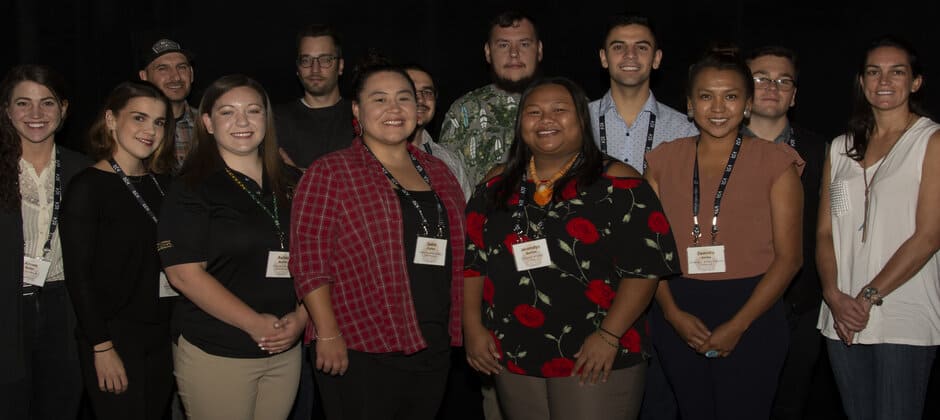
The Native Peoples’ Wildlife Management Working Group of The Wildlife Society is accepting applications from Native American students seeking free travel and registration for The Wildlife Society’s Annual Conference in Baltimore, Maryland, from Oct. 19-23.

Now in its 17th year, the Native Student Professional Development Program also provides mentorship at the conference, one-year membership in TWS and more.

“The knowledge, skills and experiences gained through the program have undeniably laid a foundation for my future career endeavors,” said Deandra Jones, a member of the Navajo Nation who was part of the program. “Actively participating in the program has been instrumental in shaping my professional trajectory, allowing me to engage with various facets of research and academia.”

The deadline to apply for this year’s program is Aug.18. Candidates must be members of a Native American, First Nations or Indigenous Tribe, or identify as Native Alaskan, Native Hawaiian or Pacific Islander. Applicants must be enrolled in an undergraduate or graduate program in a relevant academic discipline.

“There’s something really special and inspiring about being part of an epic group of native/indigenous wildlifers,” said Cameron Macias, a member of the Lower Elwha Tribe and part of the student program. “Everyone in my [Native Student Professional Development Program] cohort is doing really amazing work. In a field where I often feel like a minority, especially in grad school, it’s encouraging to be surrounded by students and professionals with similar cultural backgrounds and research interests as me.””

The Native Peoples’ Wildlife Management Working Group organizes the program with support from TWS, the U.S. Fish and Wildlife Service and the U.S. Forest Service.

Visit https://wildlife.org/npwmwg/professional-development-program/ for information on how to apply and more program details.

This program is generously funded by TWS partners USGS and USFWS. We thank them for their contributions to make this program a success each year.

Reports show SpaceX skirted wildlife concerns   

The Federal Aviation Administration sidelined concerns from the U.S. Fish and Wildlife Service and others about habitat damage when approving the Texas rocket launch site of SpaceX, according to an investigation from The New York Times. The launch site in Boca Chica includes mud flats, which is important migratory bird habitat. Boca Chica beach nearby also holds breeding habitat for the endangered Kemp’s ridley sea turtle (Lepidochelys kempii). Last month, a rocket launch on the site blasted debris into surrounding public land, causing fires and destroying bird nests. In other cases, SpaceX has restricted public land access to recreational users and wildlife biologists.

Read more at The Seattle Times.

Wildlife Vocalizations: Larissa Christofoletti

I knew I wanted to be a wildlife biologist since I was a kid. I did everything I had to do to achieve this goal, and when I did, it was a dream come true. I was truly happy.

Over the years, I have worked in many facilities in Brazil, Peru and Costa Rica, doing amazing things with amazing animals and people, but there was always a struggle that I tried to keep to myself since I was in college: battling depression.

For someone facing depression, symptoms can get worse when facing loss and frustration. And when you work with wildlife rehabilitation in nongovernmental organizations, these instances happen very often. The lack of resources, the low salaries, and the long hours of work are challenges.

Larissa Christofoletti and a baby injured white tailed deer (Odocoileus virginianus) at Refugio Animal de Costa Rica. Credit: Tavo Murillo

In addition, almost all wildlife workers feel compassion fatigue at least once, and we need to talk about this. We have to better value the brave people who work to save lives every day: vets, biologists, keepers and managers.

We have to create better work environments and give the people the tools they need to keep going and fulfill the mission of their lives: making this planet the best place for all living beings.

Wildlife Vocalizations is a collection of short personal perspectives from people in the field of wildlife sciences

Learn more about Wildlife Vocalizations, and read other contributions.

Submit your story for Wildlife Vocalizations or nominate your peers and colleagues to encourage them to share their story. For questions, please contact tws@wildlife.org.

Discriminatory housing practices of the past still shape urban wildlife

Discriminatory housing practices that kept people of color from moving into white enclaves generations ago still leave a lingering mark on California cities—and on the urban wildlife that occupies them.

Looking at the four largest cities in California, researchers found the legacy of “redlining” continues to shape the cities’ animal life. They found that biodiversity—including mammals, insects and birds—was far lower in historically redlined neighborhoods, and even encountering species was less likely.      

People in historically redlined neighborhoods are less likely to spot songbirds, reptiles, or a charismatic mammal like a bobcat (Lynx rufus). Due to these differences, these neighborhoods are also less likely to enjoy the ecosystem services and health benefits that wildlife can provide, researchers suggested.

“People like to think that animals are untouched by racism—that it’s just a human-to-human interaction,” said Cesar Estien, a PhD candidate at the University of California Berkeley. But racism also shapes the environment that those humans are enveloped in.”

Estien led a study published recently in the Proceedings of the National Academy of Sciences looking at the legacy of redlining on urban wildlife biodiversity in Los Angeles, San Francisco, Oakland, and San Diego. Like other cities across the United States, these urban centers were host to discriminatory lending practices in the wake of the Great Depression. Appraisers from the federally sponsored Home Owners’ Loan Corporation ranked and mapped residential areas from “greenlined” high-income, grade A neighborhoods that were mostly white, to “redlined” low-income, grade D neighborhoods, largely occupied by Blacks and other minority communities.

These rankings supported discriminatory policies and uneven financial investment that continued for decades and still shape those communities. Some of those effects impact the environment. Earlier this year, Estien led a study published in Environmental Science & Technology Letters finding that California redlined neighborhoods face disproportionately higher levels of environmental hazards, including more pollution, higher noise levels, and less vegetation. In 2022, researchers found that residents of historically redlined neighborhoods continue to suffer health impacts such as higher rates of cancer, asthma and pre-term births from living near highways, polluting industries and landfills, and from enduring the high temperatures of urban “heat islands.”

The negative effects also extended to wildlife. In a study published last year in Ornithological Applications, researchers in Los Angeles found bird life was less diverse and abundant in historically redlined parts of the city.

“People seem to think segregation is in the past and all of these racist acts are in the past and have nothing to do with today,” Estien said. “But we’re seeing that redlining and the accompanying discriminatory practices that upheld that disinvestment are still shaping our environment today.”

In his study, Estien wanted to look at more species in more cities than past researchers had. He and his colleagues compared Home Owners’ Loan Corporation maps with data contributed to the platform iNaturalist to estimate the diversity of mammals, birds, insects, arachnids, reptiles, and amphibians across the various grades of redlined and greenlined neighborhoods. They found that species richness was consistently lower in redlined neighborhoods across the four cities and that these redlined neighborhoods had smaller wildlife communities. Their results also suggest that species are harder to detect in redlined neighborhoods. Estien believes that is likely due to more pavement and fewer resources for wildlife.

Other researchers have shown that greenlined areas are more likely to have parks, trees and vegetation that provide resources for wildlife and are less likely to be seas of concrete.

For Estien, the findings hit close to home. Living in Oakland, a few minutes’ drive can take him to leafy lakeside neighborhoods or urban heat islands.

“There’s this saying where if you follow the trees, you could follow the money in the city,” he said. “Living here, I definitely get to feel what I’m researching.”

If policies of the past made some parts of cities less amenable to wildlife, Estien believes new policies could help shape cities of the future at a time when global biodiversity is falling.

“We want to promote biodiversity in these cities,” he said. “We want to ensure that entire cities—not just certain neighborhoods—can promote and serve as refuges for wildlife. If we’re thinking about reaching these biodiversity goals, we need to restore these neighborhoods to have more wildlife habitat and promote richer human-environmental interactions.”