Endangered salamanders benefit from wetland restoration

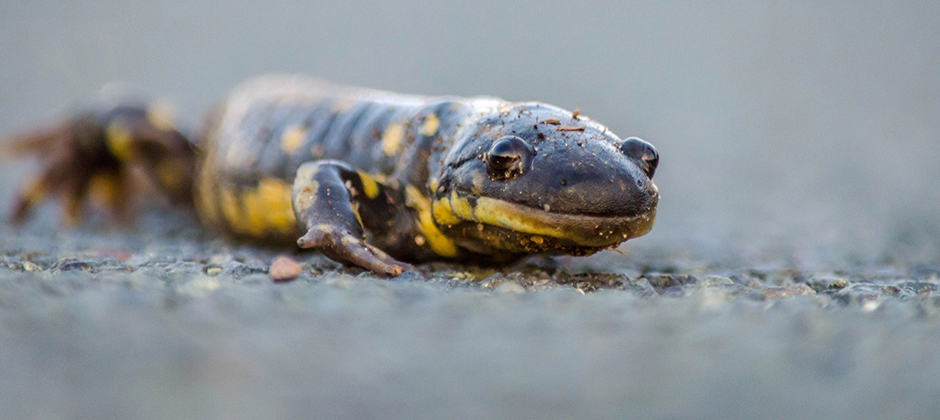
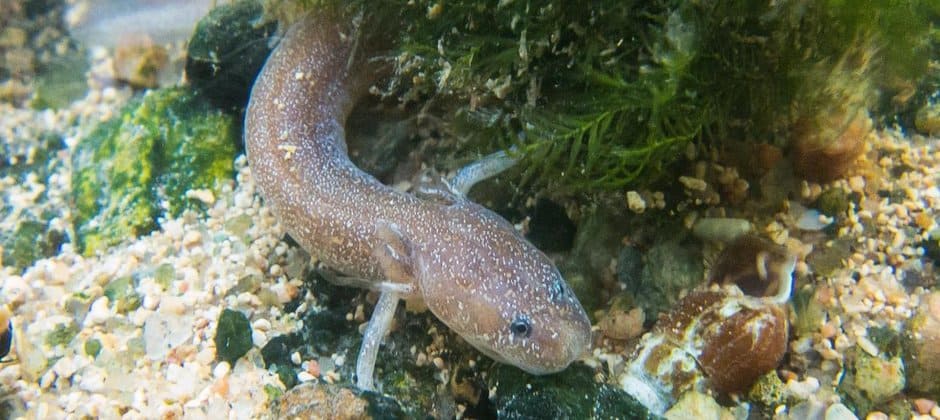
The endangered tiger salamanders, the largest American terrestrial salamander, is making a comeback in Maryland, according to the department’s spring 2020 surveys keeping track of their breeding. “They are having a great year, and it’s great to see them concentrated in the areas where we have restored the natural wetlands they need to survive,” said Scott Smith, a biologist with the Maryland Department of Natural Resources. Loss of Delmarva bays — a unique type of depression wetland on Maryland’s Eastern Shore — and loss of surrounding forests have caused the tiger salamanders (Ambystoma tigrinum) to decline. But the Maryland DNR has been working to restore the wetlands by returning hydrology and vegetation to their natural condition. Recent monitoring of egg mass counts in their preferred wetlands suggest salamander breeding has increased. The next step, according to the agency, is to restore bays that will help connect known tiger salamander breeding ponds. “It’s great to see them having such a great year,” Beth Schlimm, a biologist with the agency said. “They are really responding well to their restored habitat. If they keep this up, one day we hope to declare them recovered and take them off the endangered species list.”

Read more at the Maryland Department of Natural Resources. 

Environmental groups challenge grazing effects on grizzlies

Yellowstone grizzly

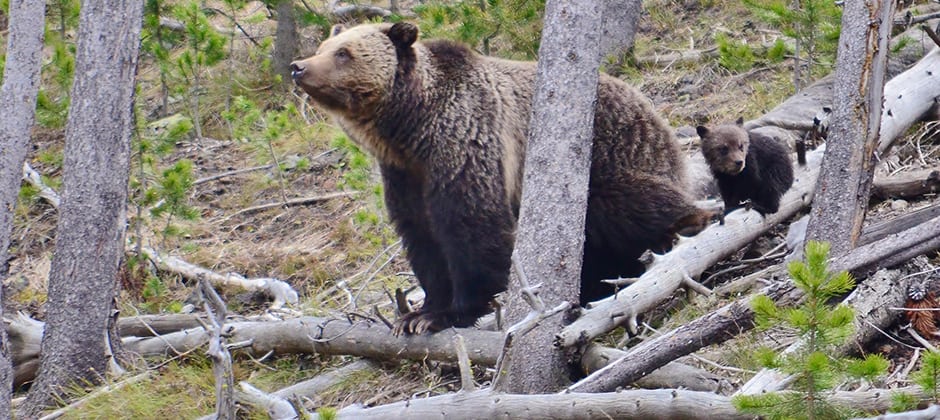
The Center for Biological Diversity and the Sierra Club filed a lawsuit in late March in federal court against the U.S. Fish and Wildlife Service and the U.S. Forest Service, challenging the agencies’ decision to allow the removal of up to 72 grizzly bears (Ursus arctos horribilis) from the Yellowstone area over the next 10 years as part of a livestock grazing program. 

The grazing plan for the Upper Green River allotment within Wyoming’s Bridger-Teton National Forest was prepared by the U.S. Forest Service, in consultation with the U.S. Fish and Wildlife Service, which took into account possible effects on federally listed grizzly bears. The plan authorizes annual grazing from mid-June to mid-October of approximately 8,819 head of livestock through 2028 on a total of about 170,000 acres. 

Currently, about 700 grizzly bears live in the greater Yellowstone ecosystem, which includes parts of northwest Wyoming, southwest Montana and eastern Idaho. Grizzly bears throughout the contiguous United States were first listed as threatened under the Endangered Species Act in 1975. The listing classification was later modified to include several different populations, which totaled about 1,800 bears in 2018. 

In 2017, the Service announced its intention to delist grizzlies in the greater Yellowstone ecosystem, but that decision was challenged in court. The case is currently pending in a federal appeals court. The Wildlife Society endorsed the USFWS’ 2017 proposal to delist the Yellowstone-area grizzly bear, “so long as recovery targets continue to be met and demographic rate thresholds are maintained.”

The Bridger-Teton National Forest began planning in late 2016 to undertake environmental review related to the grazing program on the Upper Green River allotment. The agency consulted with the USFWS regarding the possible effects of the grazing program on grizzly bears. The program would allow bears to be removed if there are conflicts with livestock. 

In 2019, the USFWS issued a biological opinion, which determined that the effect of the grazing program would “include changes to grizzly bear habitat and the availability of food; changes in bear behavior, such as habituation to humans or livestock and/or displacement due to human activities; and management removals due to livestock depredation or self-defense.”

The USFWS concluded that “it is the Service’s biological opinion that the effects of livestock grazing on the allotments in the northern portions of the Bridger-Teton National Forest’s Pinedale Ranger District … are not likely to jeopardize the continued existence of the grizzly bear.” It continued, “Although we anticipate some level of take of grizzly bears primarily due to management mortalities within the allotments, it is our opinion that the proposed action will not appreciably reduce the likelihood of survival and recovery of grizzly bears.”

The plaintiffs argue that the agencies violated the ESA in their actions and that the U.S. Fish and Wildlife Service’s decision improperly relied on the “Forest Service’s commitment to implement conservation measures that are inadequate, largely unenforceable, and will not protect grizzly bears or livestock,” according to a statement by the Center for Biological Diversity.  They have urged the court to issue an injunction to prevent the Forest Service implementing the grazing program. 

The U.S. Fish and Wildlife Service announced earlier this year that it would begin a five-year status review of grizzlies in the contiguous United States. 

Read TWS’s Position Statement on The U.S. Endangered Species Act and Issue Statement on the Delisting of Grizzly Bears in the Greater Yellowstone Area

Fee suspension extended at national wildlife refuges

The U.S. Fish and Wildlife Service is extending its suspension of entrance fees at national wildlife refuges through April. “Refuges are special outdoor experiences to recreate and embrace nature while social distancing and adhering to public health guidance,” the USFWS announced in a tweet last week.

Interior Secretary David Bernhardt called for fee suspensions at national parks, wildlife refuges and Bureau of Land Management fee areas in mid-March to help the public cope with isolation efforts to contain COVID-19. Since then, several national parks have closed, including Yellowstone, Yosemite and Rocky Mountain National Park, over concerns about park crowding and impacts on nearby communities.

Some refuges have also closed, including Sachuest Point National Wildlife Refuge in Rhode Island, which recently closed due to large numbers of visitors.

The USFWS asks visitors to follow guidance from the Centers for Disease Control, including maintaining safe distances from others.

Wild Cam: Human activity blocks African wild dog dispersal

Human structures and roadways present some of the largest barriers to the connectivity of endangered African wild dog populations in southern Africa.

Researchers set out on a vast multi-country study to track what happened to African wild dogs (Lycaon pictus) that dispersed from their pack. They wanted to better understand the populations across the multi-country region of the Kavango–Zambezi Transfrontier Conservation Area, a roughly 200,000-square-mile area that sits between Botswana, Namibia, Angola, Zambia and Zimbabwe.

“This is by far the largest conservation area on the earth,” aid Gabriele Cozzi, a research associate at Zurich University and the lead author of a study published recently in the Journal of Wildlife Management.

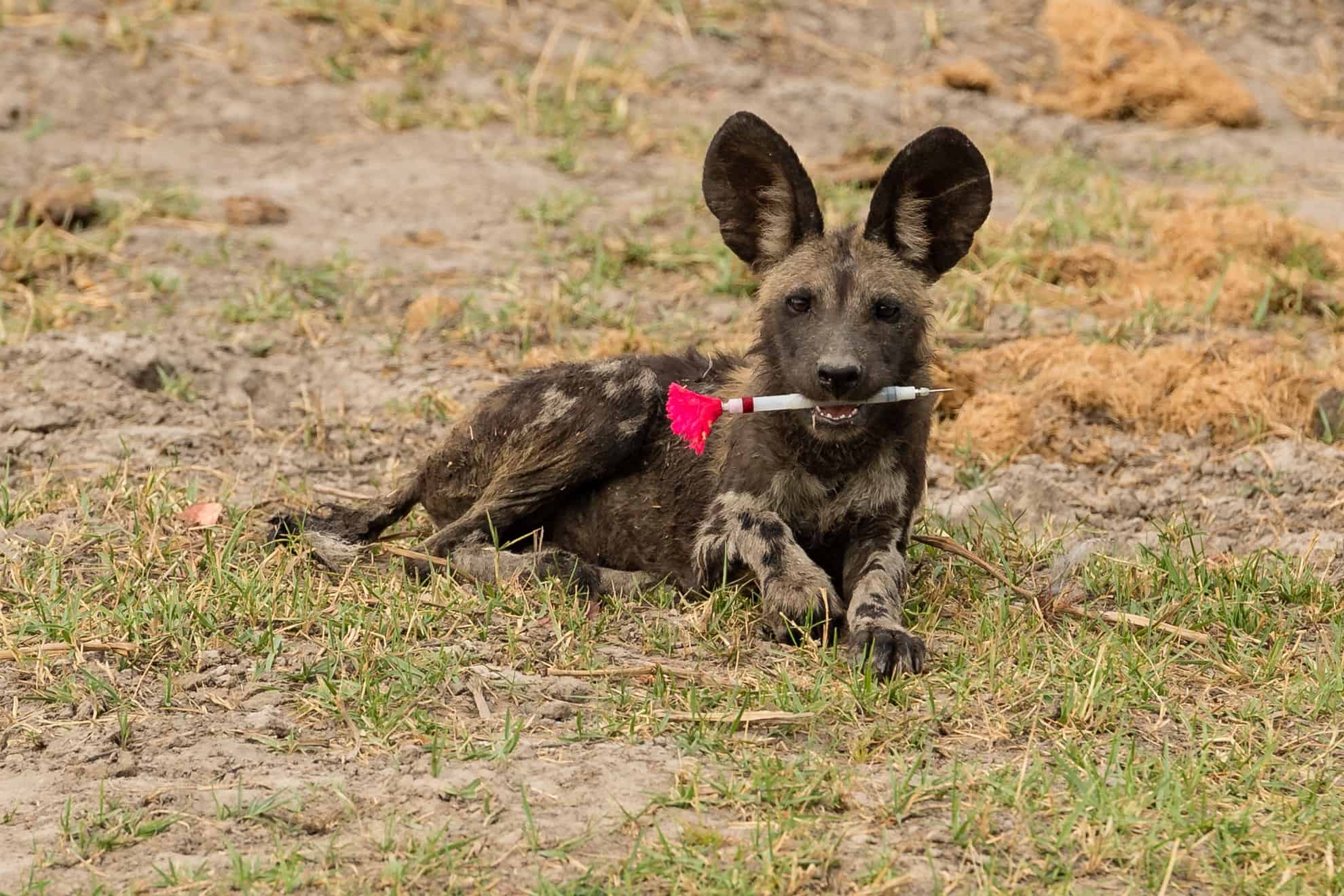
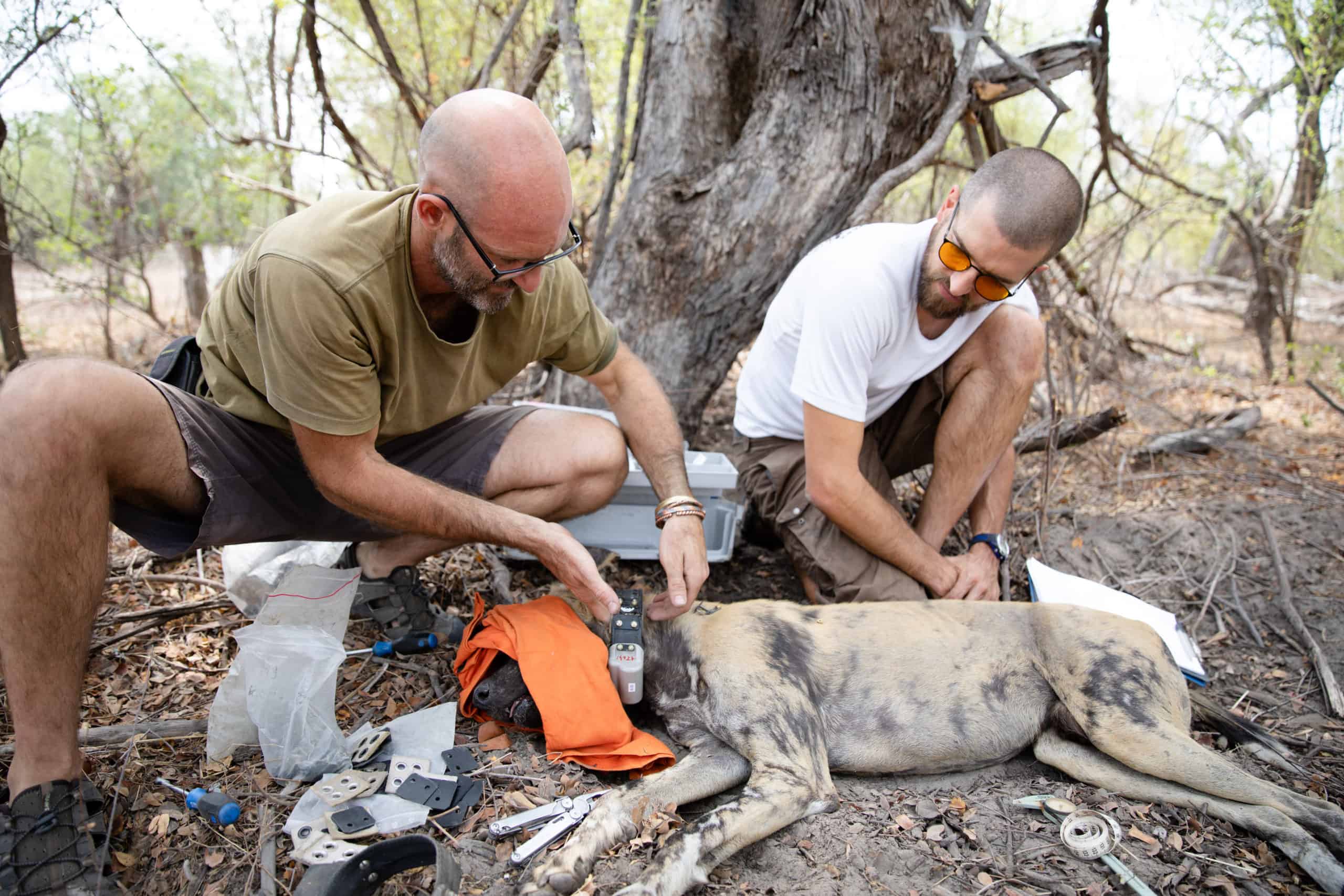
African wild dogs often disperse from their birth pack, sometimes alone but more often in single-sex groups of dogs. From 2016 to 2019 Cozzi and his co-authors caught at least one individual from 16 of these dispersing groups using tranquilizing darts. In this case, the researchers joked, the tables turned when a six-month old pup got ahold of a dart that had just fallen off the targeted adult in its pack. “It took him about two to three minutes before he eventually lost interest too and left it on the ground,” Cozzi said.

The researchers fitted GPS tracking collars on the dogs they anesthetized after taking measurements in Botswana. They then followed these animals after they dispersed from their previous group, using the GPS data their collars automatically recorded and periodically sent to a base-station via satellite.

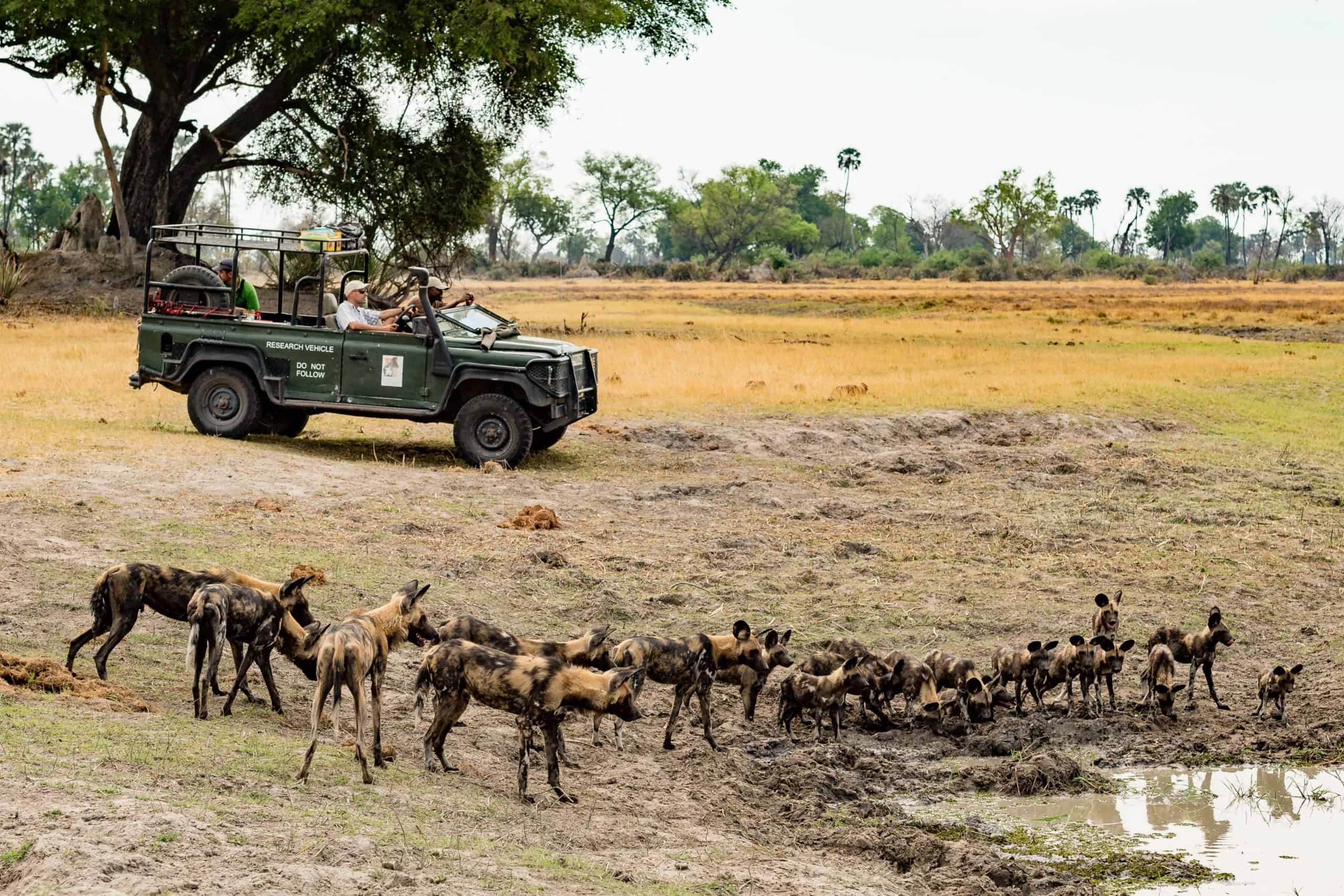
Cozzi said about 5,500 to 6,000 African wild dogs live across sub-Saharan Africa from Chad to South Africa. But most of the various populations aren’t connected even remotely with one another. The Kavango–Zambezi is by far the largest contiguous landscape occupied by the dogs.

As apex predators, the dogs fulfill important roles in their ecosystems. They hunt in large packs that can include dozens of adults and many more pups, mostly targeting medium-sized antelopes and using different strategies depending on the size of the animal.

“Their hunting success is incredibly high,” Cozzi said. “It’s by far the most successful of any large predators.”

African wild dog are considered endangered by the International Union for Conservation of Nature, mostly due to habitat loss from development and other human encroachment, though poaching, climate change and a litany of other problems affects them as well.

Unlike most canids, where females tend to stay close to home, both female and male wild dogs disperse.

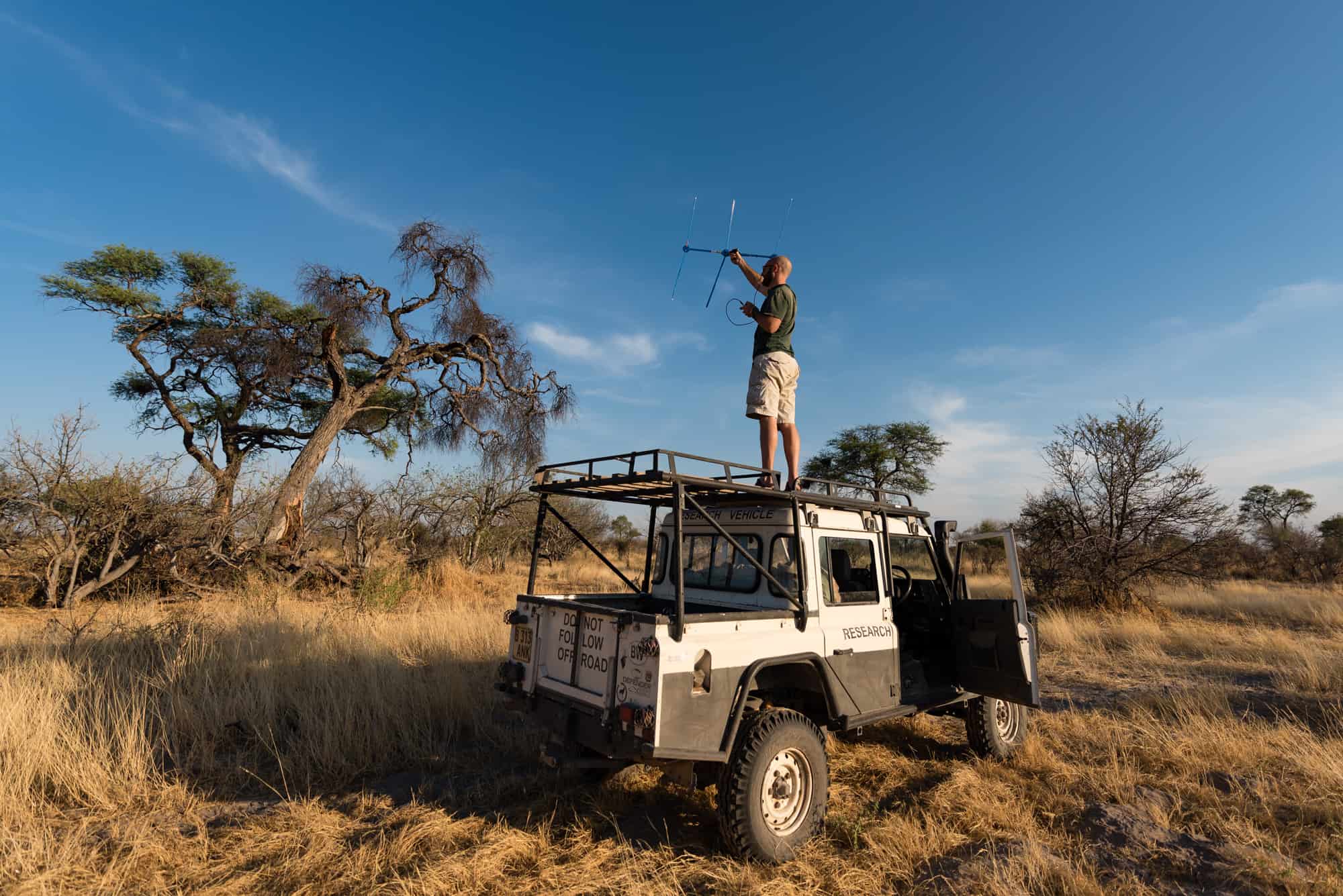
Cozzi and his colleagues tracked an equal number of males and females dispersing, sometimes alone and sometimes in female-only or male-only groups. They followed these dispersing groups by jeep, sometimes experiencing roadblocks from passing elephants or popped tires they had to change “in record time, similar to F1 mechanics” so as not to lose dogs traveling about 9.3 miles per hour at leisure speed.

The dogs they tracked traveled a maximum of 33 miles per day, and some made remarkable journeys. One dog traveled 93 miles to the Namibian border over the course of five days. Another traveled 214 miles to Zimbabwe over nine days.

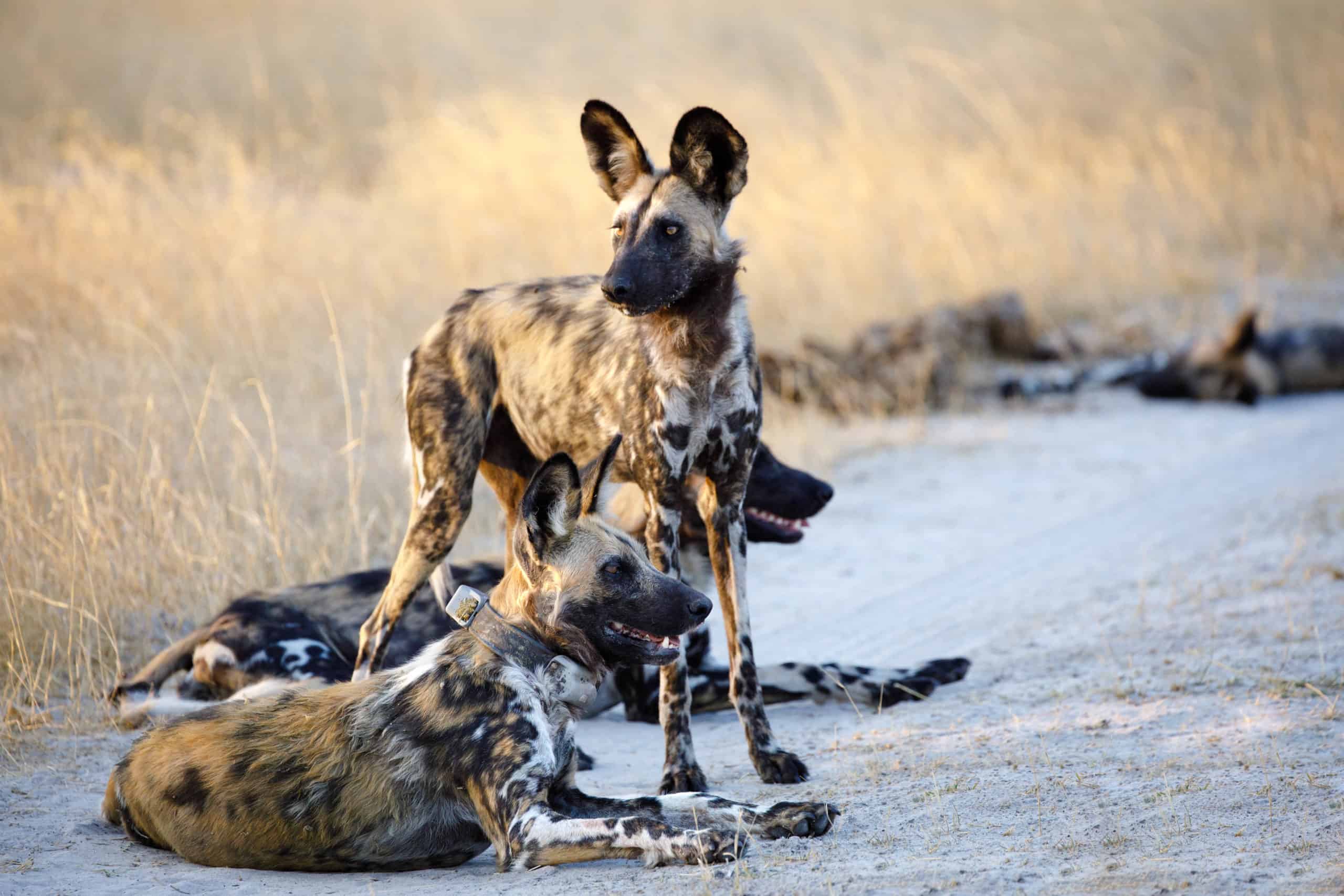
By following the dogs’ movements, the researchers determined the greatest barriers the dogs faced were mostly human structures and areas identified with human activity. Cozzi said the researchers recorded no dogs crossing a major road in the area (the dirt road full of lounging dogs was not a major road).

“Technology allows us to actually follow the fate of these dispersals,” Cozzi said.

But Cozzi said that it isn’t traffic that keeps the dogs away from the roads. There aren’t many cars.

“It’s a whole bunch of activities and human presence around that road,” he said. Tracking data often shows dogs traveling toward roads or villages, then doubling back. When they don’t come across these human-associated obstacles, they typically disperse in a fairly straight line.

The dogs encounter natural barriers as well, mostly water in the Kavango–Zambezi. African wild dogs often stay near water, but they won’t cross large waterways, probably due to the presence of crocodiles. Cozzi said the researchers are still working to understand more about the role of water in dog dispersal.

Aside from the barriers they create, humans were the direct cause of more than 90% of the deaths recorded in the study. Of the 12 ascertained death cases, two dogs were shot, nine died of poisoning, and only one died of natural causes while dispersing. The majority of the deaths from humans resulted immediately after dispersers had formed a new pack and had taken residency on pastoral land just outside the boundary of the protected area.

Some of these deaths could be avoided in the future with better community education, Cozzi said. And wild dog-related tourism is bringing money to some of these regions, which can also help their plight.

“Wild dogs have recently gained interest from the tourism industry. That generates money and helps the livelihood of the economy,” he said. “It’s so much easier to keep them there if we can actually get a financial profit from them.”

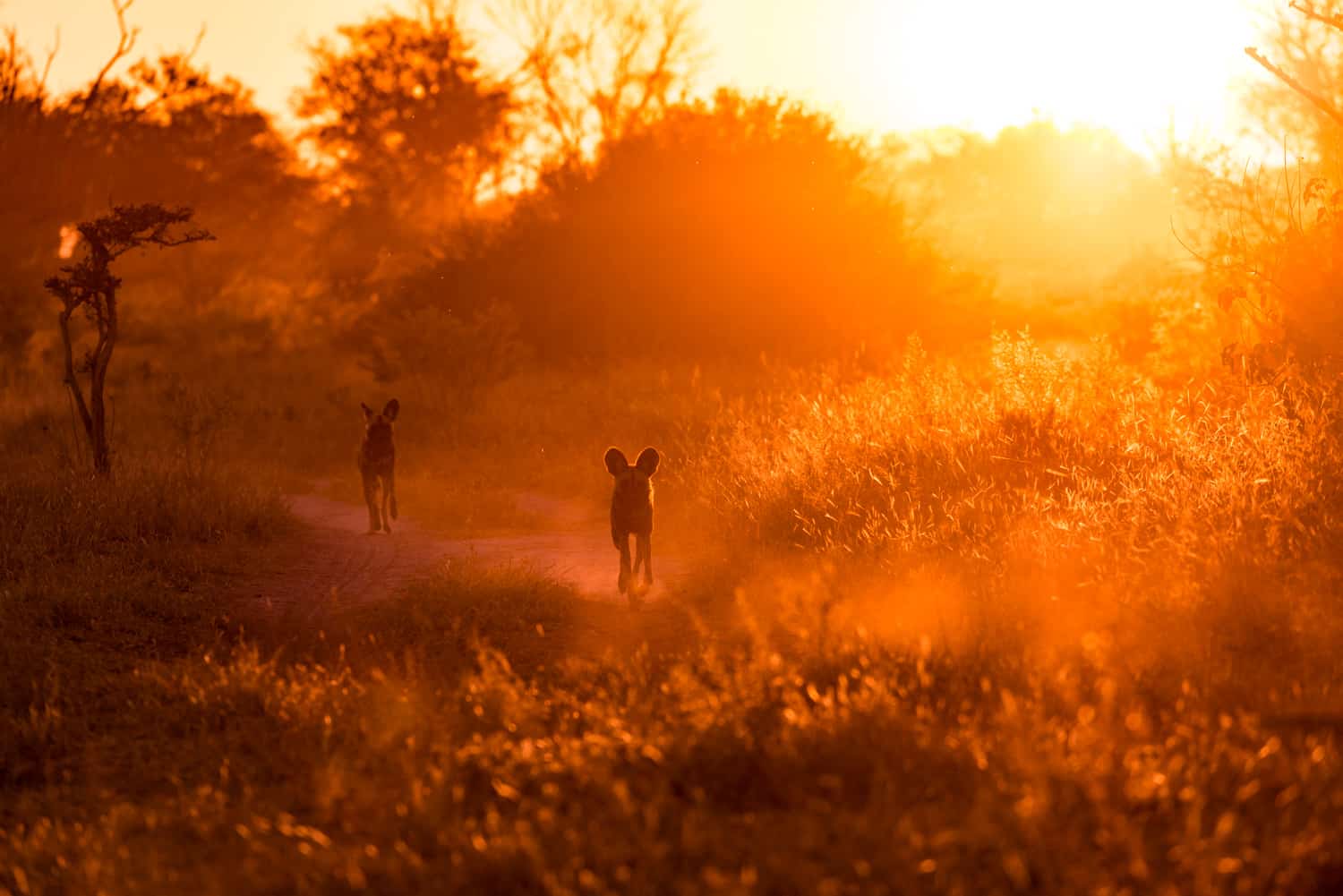
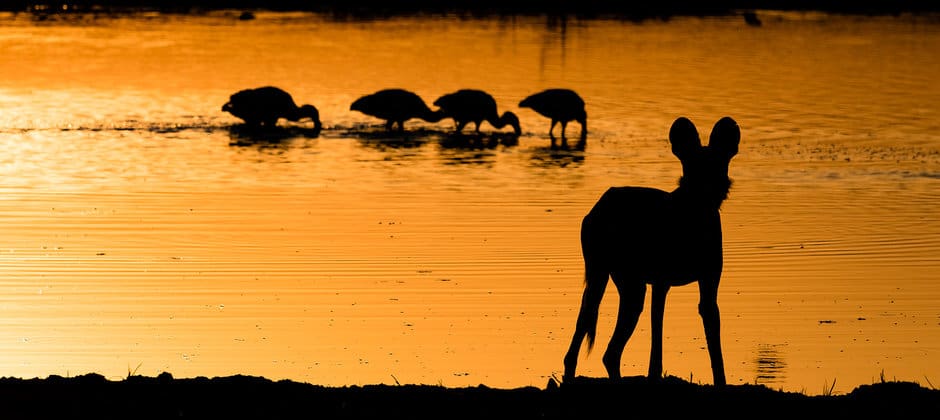
One of the researchers’ goals is to better understand where conservationists can focus attention to improve or maintain habitat connectivity in the future and improve survival rate of individuals that disperse as these two dogs in the photo are doing. Based on the data they gathered from this research, they can tell where wild dogs are likely to disperse and form a new pack, for example. If disease wipes out a population in an area that is relatively isolated, conservationists can better determine if it’s likely to be recolonized naturally or if translocation should be considered.

“It’s sort of a wakeup call that we need to think differently,” Cozzi said.

This photo essay is part of an occasional series from The Wildlife Society featuring photos and video images of wildlife taken with camera traps and other equipment. Check out other entries in the series here. If you’re working on an interesting camera trap research project or one that has a series of good photos you’d like to share, email Joshua at jlearn@wildlife.org.

This article features research that was published in a TWS peer-reviewed journal. Individual online access to all TWS journal articles is a benefit of membership. Join TWS now to read the latest in wildlife research.
Blackbirds heed warbler warnings about cowbird danger

To keep their nests safe, blackbirds are homing in on warbler warning signals about dangerous brood parasitic cowbirds.

But the exchange is not one-sided — previous research has found that yellow warblers (Setophaga petechia) benefit from having the extra vigilance around when they nest near red-winged blackbirds (Agelaius phoeniceus).

“This would be the first example of a bird eavesdropping on a call that specifically means brood parasites, which is really unique,” said Shelby Lawson, a PhD student in behavioral ecology at the University of Illinois at Urbana-Champaign and the lead author of a study published recently in Communications Biology.

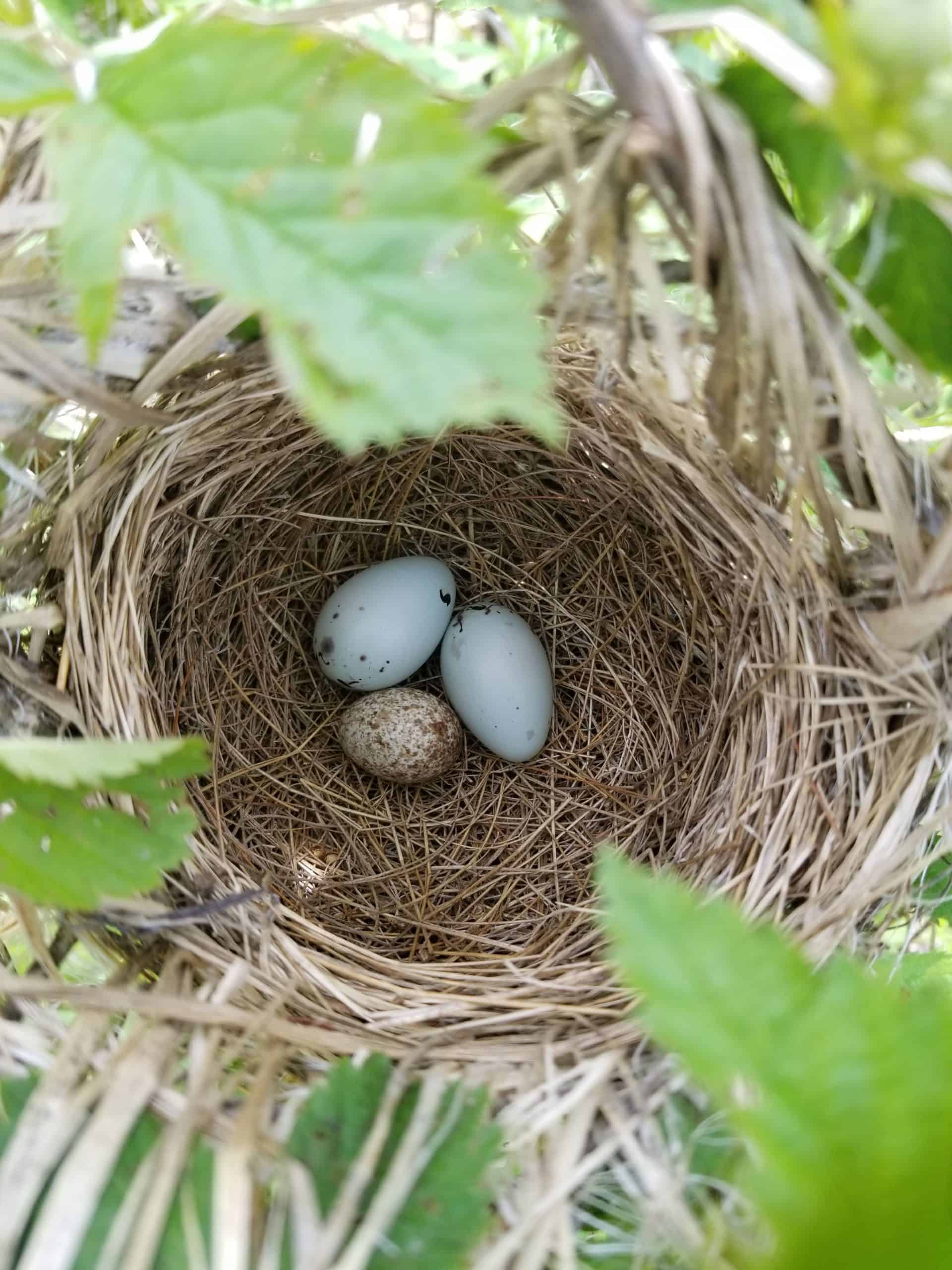
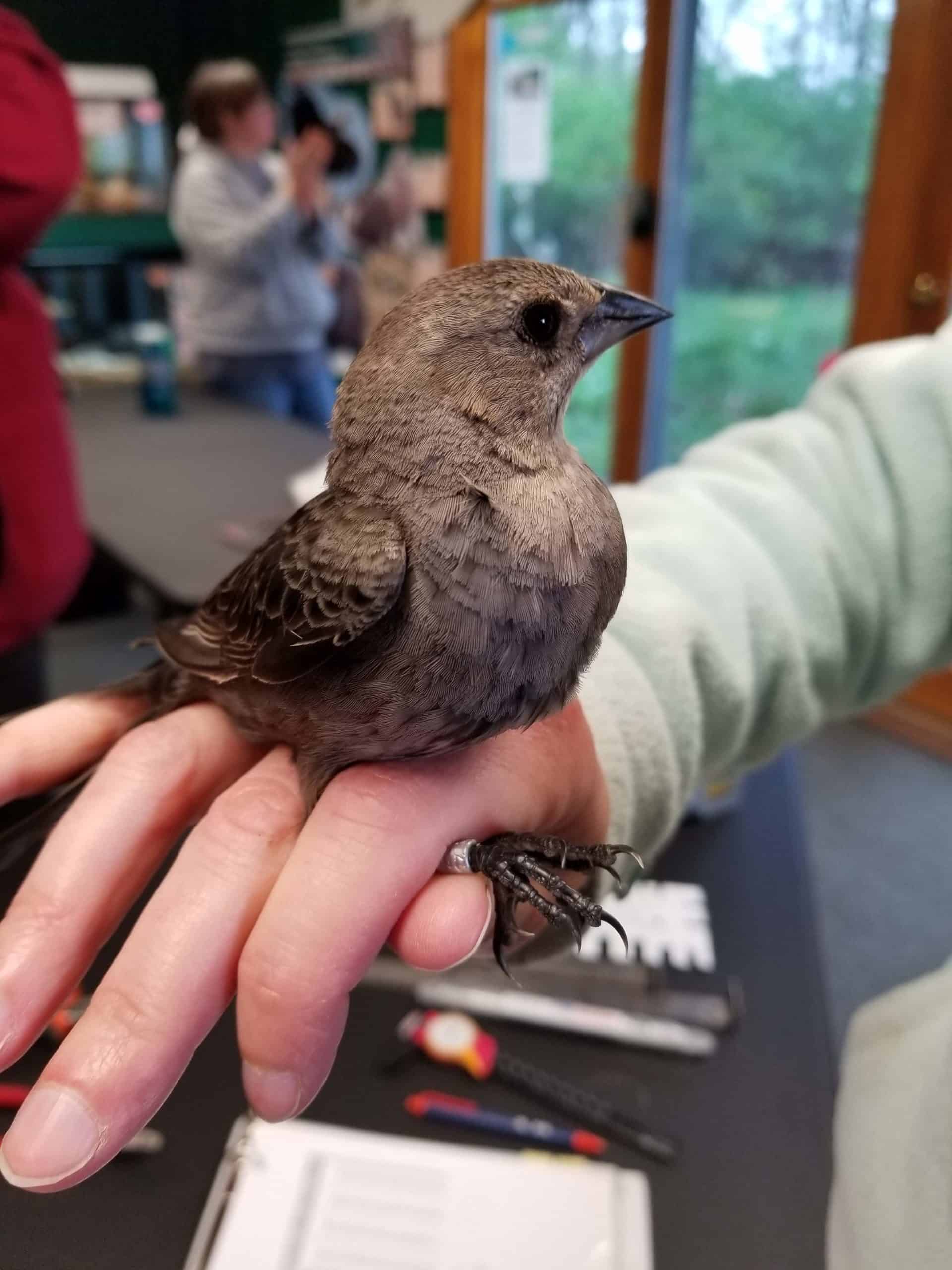
Brown-head cowbirds (Molothrus ater) lay their eggs in other species’ nests, letting birds like warblers or blackbirds take care of their eggs and subsequently, their hatchlings, after they take off. When the cowbird chicks hatch, they compete for food with the other chicks in the nest. One study even found that cowbirds can resort to “retaliatory mafia behavior” by attacking nests when some birds reject the parasitic eggs. But unlike cuckoos, a brood parasitic species that will often kick the other chicks out of the nest, adopted brown-headed cowbird chicks often rely on the begging calls of the biological offspring to get fed, Lawson said.

With relatively smaller warblers, the cowbird chicks’ size gives them an advantage over the warbler chicks. “They definitely don’t do as well when they have cowbirds in their nests,” Lawson said.

Larger blackbird chicks are about the same size as cowbird chicks, but in many cases, the parasitizing female cowbird removes one of the natural eggs from the nest while laying its own to better disguise it.

Both warblers and blackbirds know these cowbirds are a threat. While many birds have specialized calls to warn of predators, yellow warblers may be the only ones that have a call specific to cowbirds, Lawson said.

“The yellow warbler makes a really cool ‘seet’ call that warns other warblers about cowbirds,” she said.

Lawson studies various aspects of the yellow warbler calls, and while doing fieldwork, she began to notice that red-winged blackbirds also responded to these calls.

They ran an experiment, playing back the sounds of warbler ‘seets’ to blackbirds as well as other sounds like those of nest-predating blue jays (Cyanocitta cristata), cowbird calls, the calls of other red-winged blackbirds and a control call.

Lawson said they found that red-winged blackbirds responded to the ‘seet’ calls from the warblers, the cowbird calls and the blue jay calls all equally.

“They seem to treat the ‘seet’ call as a nest danger call, not just a general danger,” she said.

The researchers aren’t yet sure whether the blackbirds understand the warbler signals well enough to realize the sound is specific to cowbirds, or if they just treat it as a general nest danger call, Lawson said. She’s planning a follow up study to determine that.

While the eavesdropping may seem one-sided, she also said that other research found warblers that make their nests near blackbirds are parasitized less often. It’s also possible, Lawson said, that the warblers are actually hoping to warn the blackbirds as well, using them as a “frontline defense” for their own nests.

“It tells us that birds actively use social information from other species, and there’s still more to discover about the types of signals they may be eavesdropping on,” she said.

Tiger at Bronx Zoo tests positive for COVID-19

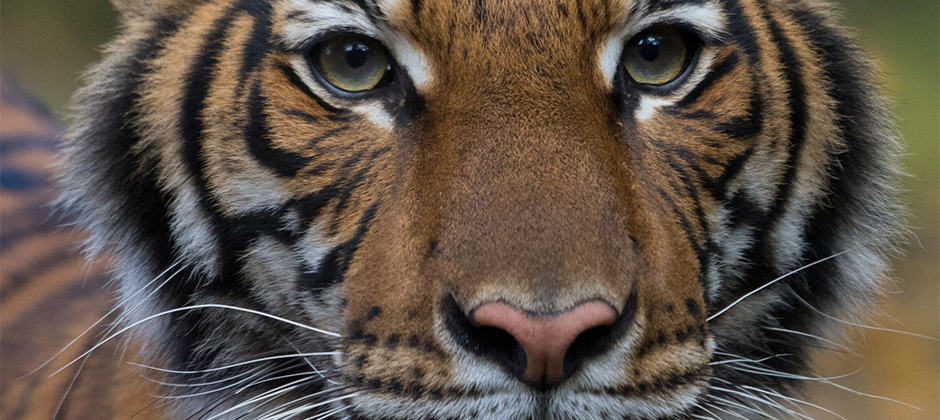
A Malayan tiger at the Bronx Zoo has tested positive for the novel coronavirus, and three other tigers and three African lions at the zoo have symptoms consistent with COVID-19. The zoo announced the results on Sunday after the USDA’s National Veterinary Services Laboratory in Ames, Iowa confirmed the results.

It is the first known case of wildlife contracting the disease from humans. Paul Calle, chief veterinarian for the Bronx Zoo, told National Geographic he believes a zookeeper was likely asymptomatic and spread the virus. The zoo has been closed to visitors since March 16.

John Goodrich, chief scientist and tiger program director at Panthera, told National Geographic he worries about the implications for wild populations. “Big cats like tigers and lions are already facing a litany of threats to their survival in the wild. If COVID-19 jumps to wild big cat populations and becomes a significant cause of mortality, the virus could develop into a very serious concern for the future of these species.”

Domestic animals have previously tested positive, the magazine reports, including dogs in Hong Kong and a cat in Belgium.

“At this time, there is no evidence to suggest that any animals, including pets, livestock, or wildlife, can spread COVID-19 infection to people,” the USDA said in a statement.

The USDA recommends that, out of an abundance of caution, anyone sick with COVID-19 should restrict contact with pets and other animals during their illness. If a sick person must care for a pet or be around animals, they should wash their hands before and after the interaction.

Read more from National Geographic.

The March issue of the Wildlife Society Bulletin

The Wildlife Society Bulletin is a benefit of membership in The Wildlife Society. Published eight times annually, it is one of the world’s leading scientific journals covering wildlife science, management and conservation, focusing on aspects of wildlife that can assist management and conservation.

Join today for access to the Wildlife Society Bulletin and all the other great benefits of TWS membership.

Wildlife biologists commonly use banded birds to estimate population size and vital rates. But what happens if the bands become lost or can no longer be read? In a study in the March issue of the Wildlife Society Bulletin, researchers double-banded diving ducks. They used traditional aluminum bands as well as another made of incoloy designed to be more wear-resistant to see how the two compared.

Other articles include the use of noose carpets to capture rails, a comparison of Merriam’s turkey harvest strategies and survival in northern Arizona and ratcheting up rigor in wildlife management decision-making.

Log in to read the March issue today.

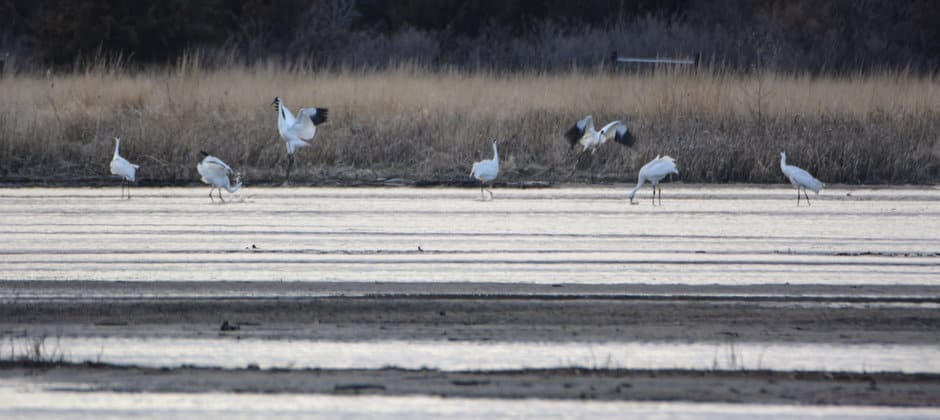
As whooping cranes rebound, flock sizes grow

As the endangered whooping crane has recovered from a mere 16 birds in the 1940s to over 500 today, their flock sizes have also increased during migration, researchers found.

Whooping cranes usually travel in family groups of three and under, or a couple of families together, but researchers have noticed much larger flocks migrating from their Texas wintering grounds to their breeding grounds in Alberta, Canada. In fact, a mega-group of 150 birds was recently documented in Saskatchewan.

“What’s interesting is this bird is generally a territorial bird on their wintering and breeding grounds,” said Andrew Caven, the director of conservation research at the nonprofit Crane Trust, and lead author of the study published in Heliyon. “We never thought of it as a gregarious bird.”

But in the last five to 10 years, Caven and his colleagues began noticing large groups of whooping cranes in Nebraska, that didn’t seem to be incidental sightings.

In the study, Caven and his colleagues used a public sighting database that has been running since the 1940s to determine if and where these flock sizes were increasing and if this was happening more frequently. Sighting data was also used from state, federal and private organizations on the species’ entire migratory path. The U.S. Fish and Wildlife Service and a number of partners help confirm that these sightings or photos of sightings are, in fact, whooping cranes.

The researchers found that large groups of seven or more whooping cranes were becoming increasingly common. “Large groups are increasing in frequency of occurrence, as a proportion to the total groups sighted, and at a rate that exceeds population growth,” Caven said.

While population growth was a factor in larger flocks, Caven said something else was at play, too. He and his colleagues investigated at a landscape level and found that larger flocks of whooping cranes roosted in the southern Great Plains, where high-quality wetlands were limited. Those wetlands likely disappeared due to sedimentation or were drained for farming. There were only a few concentrated areas of good wetlands where many of the whooping cranes were gathering. “In the Great Plains, only a small percent of the landscape is protected,” Caven said. “But a good portion of these groups of cranes are in protected wetlands.”

Conversely, they found that in the Dakotas, where wetland habitat is more sufficient, whooping cranes were also forming large groups, albeit at a lower rate, near the migration centerline where they would be most likely to encounter each other. The birds are likely using each other as a cue for habitat quality and are also practicing safety in numbers. “They can keep eating and foraging while other birds in the flock help them keep track of external threats,” he said.

As their populations grow, so do their flock sizes, Caven’s team found, but their behavior is changing, too, which may be a positive result of their recovery.

“There are novel challenges and also novel opportunities,” he said. “They’re not quite as territorial as we thought.”

Larger flocks of whooping cranes may also come with problems, Caven said. For example, more cranes concentrated together could put them at risk of spreading diseases like avian cholera or cause mass die-offs from hail or ice storms.

But conservation of wetlands where the birds are congregating together can help by providing more areas for the birds to spread out. “We’re getting to a point culturally where the Great Plains is running out of groundwater,” he said. “Wetland restoration contributes to groundwater stores and generation. We’re really at a place where were starting to think long term what’s good for us as humans is also good for whooping cranes.”

Watch: Allegheny woodrats disappear from parts of their range

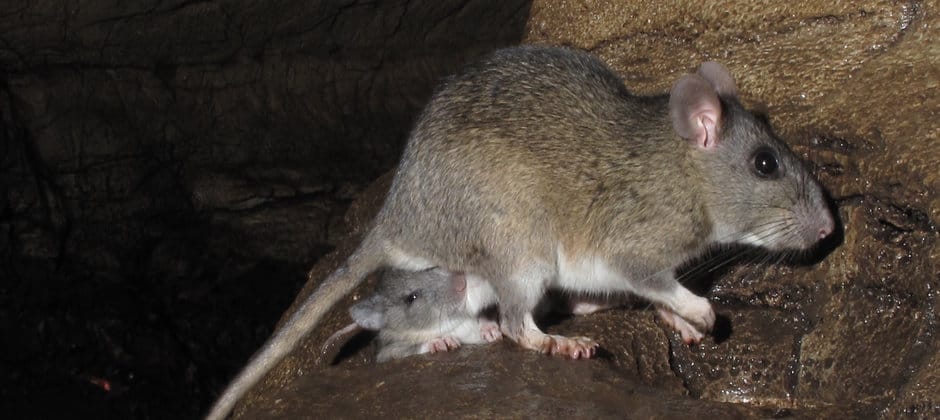
Threatened Allegheny woodrats are disappearing from areas in Pennsylvania, according to state officials with the Pennsylvania Game Commission. In 2017 in Clinton County, the commission deployed 13 trail cameras to confirm the presence of Allegheny woodrats (Neotoma magister) that are listed as threatened by under the Pennsylvania Game and Wildlife Code. They followed that up with live trapping. But less than a year later in 2019, follow-up surveys turned up no rats. While the researchers still aren’t sure why the species disappeared in that area, it’s possible that roads and other human structures blocked their movement. The loss of chestnut trees to blight may also have affected the rats that partially depend on chestnuts. Woodrats make their nests on rocky cliff sides, where researchers found that the rats collect a number of strange objects like candy wrappers and shotgun shells along with food. They also collect raccoon (Procyon lotor) scat, which can contain raccoon roundworm (Baylisascaris procyonis) eggs that can be fatal to the rats. Giazzon is currently working with colleagues to see if these roundworms are present in the areas where the rats disappeared from in Clinton County.

Watch this video on the woodrats narrated by Mario Giazzon, a wildlife diversity biologist with the Commission.

What’s ‘the biggest conservation bang for your buck?’

If you wanted to spend the least amount of money to get the most conservation value, where would you go? What species would you target?

That’s what Paul Armsworth, a professor in ecology and evolutionary biology at the University of Tennessee, Knoxville, and his team set out to answer. What, he wondered, would provide “the biggest conservation bang for your buck?”

“There are a lot of very worthy and important places one could work. But with only limited funding, you have to have a means to choose among them where you’re going to allocate that limited resource to have the biggest impact that you can,” said Armsworth, the lead author of a study published recently in Ecological Applications in search of the best ways to spend conservation dollars for maximum return to vulnerable species.

The team, which included multidisciplinary researchers from biology, economics, math and computer science, developed a tool that used information like immediate threats to different species, conservation actions already being taken, geographic range of species and the cost calculated to help the various species.

“The end result of it is what you might consider a giant bargain-hunting algorithm,” Armsworth said.

While the tool could be applied to a number of different animals and ecosystems, the team chose to look at vertebrates in the Lower 48 states.

They found that salamander conservation best met multiple criteria, such as relatively cheap conservation actions and a high degree of vulnerable species. Two areas in particular stood out. Those around Austin, Texas, where unique groundwater and limestone features mean “you’ve got that aggregation of a high number of highly endemic species,” and those in the Blue Ridge Mountains of North Carolina, which provided refuges for species even during past ice ages.

“Both are places where a small further investment of funds could actually make a big difference to a large number of species,” Armsworth said.

Armsworth said they are now working with a nongovernmental organization to put this tool into practice. He also said that while they didn’t yet consider the shifting suitability of ecosystems under future climate change scenarios, such analyses are planned, and the tool could easily work with this type of data to find areas that will provide good conservation value as the climate warms.