Dad gifts son lifetime membership

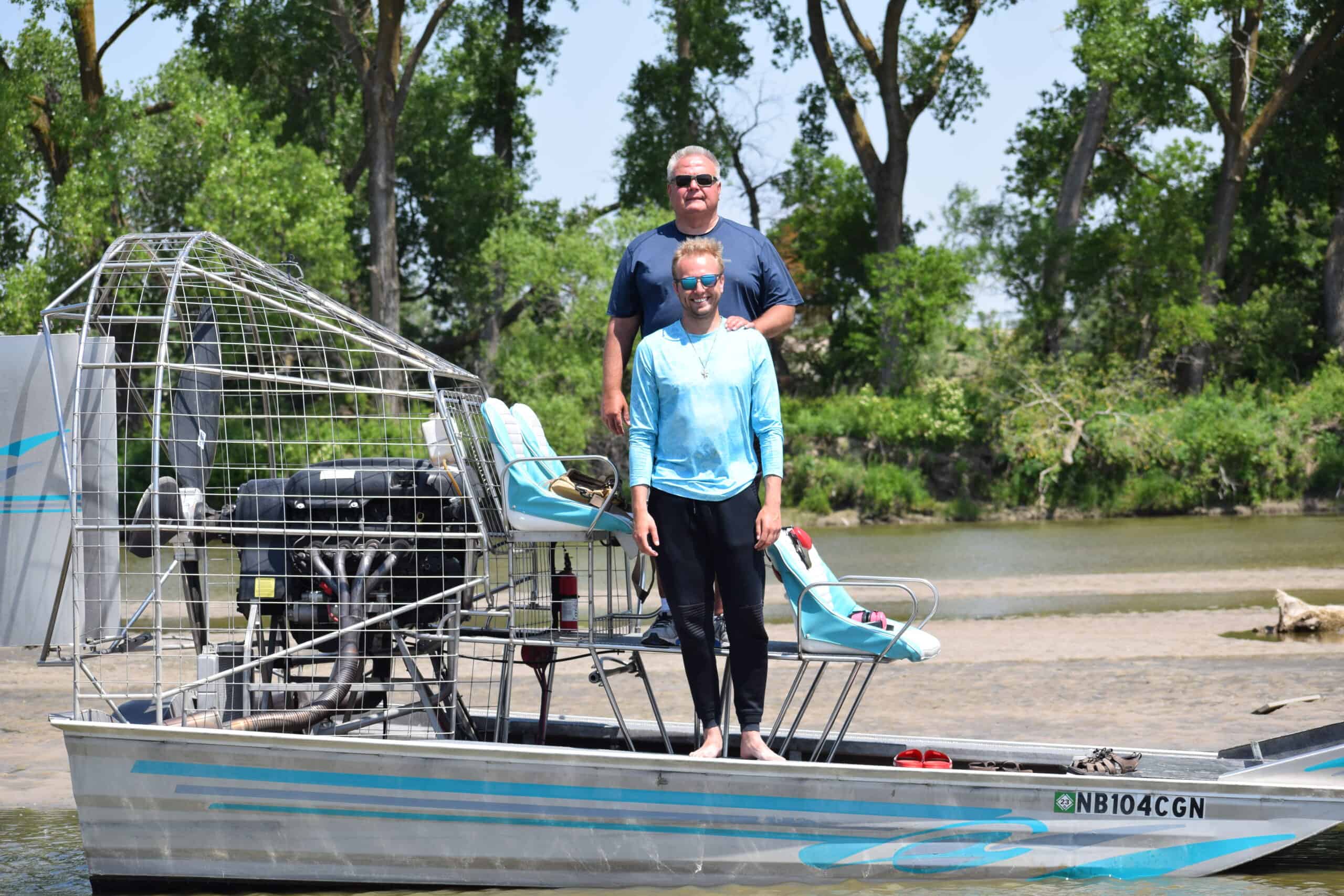
This year, one TWS member got the gift of a lifetime: Mike Gutzmer gave his son, Seth Gutzmer, a perpetual membership to TWS. The two are a father-son pair who have worked together since Seth was a child.

Seth, 28, always had a sense that he would follow in his father’s footsteps and work in the outdoors. “From a young age, I not only hunted and fished alongside him but also worked with him in the field, surveying wildlife, fish and plant communities,” Seth said. “Pursuing a profession in wildlife feels like a natural extension of how I was raised.”

Now, Seth works for Idaho Fish and Game as a regional wildlife biologist-landowner sportsman coordinator in the state’s Clearwater region. In his role, Seth builds relationships between the agency and private landowners to promote conservation.

Seth’s father, Mike, 68, also knew from childhood where he wanted to work. “I told my dad when I was five or six that I wanted to work with nature,” Mike said. The father grew up in eastern Nebraska, where he raised Seth and his three siblings. Mike now lives in Buckeye, Arizona, and works in the Great Plains and Rocky Mountains with the consulting company he founded in 2007, New Century Environmental LLC. Mike received TWS’ 2020 Special Recognition Service Award for his contributions to the field and was named a TWS fellow in 2024.

Mike first became a TWS member in 2012 while working with the Standing Rock Sioux Tribe and other Great Plains Tribes. Tasked with setting harvest limits and controlling disease, Mike wanted to be more connected to wildlife professionals across the country to ensure he was working at the cutting edge of wildlife management.
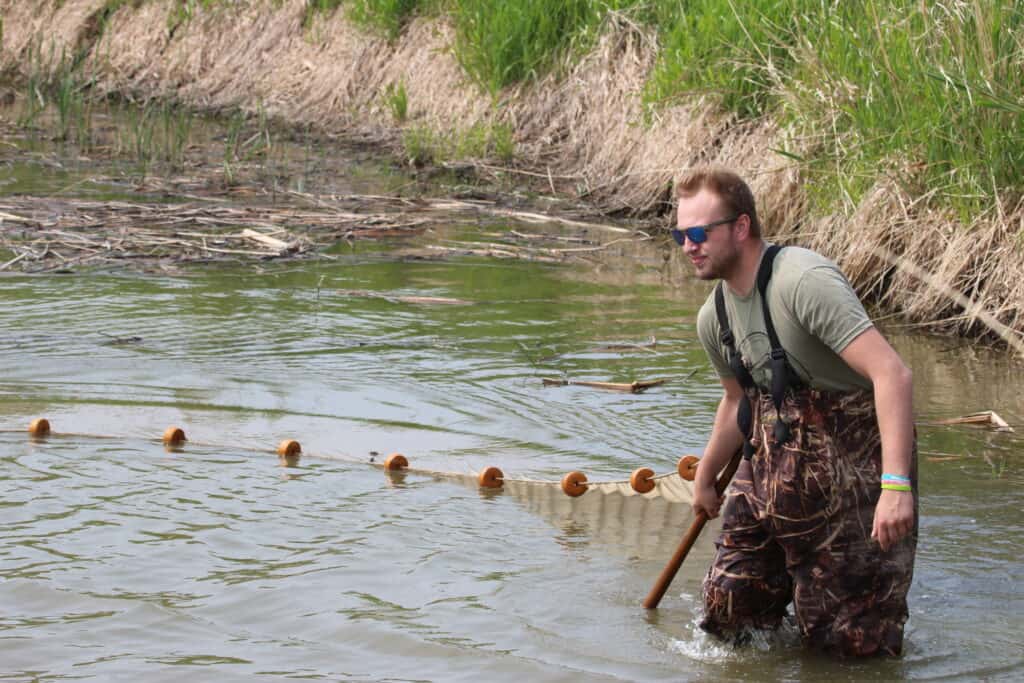
Seth conducting rare fish surveys in Nebraska. Credit: Mike Gutzmer

Seth first joined TWS in 2020 after encouragement from his father. “I have always appreciated the variety of articles and information TWS offers, which helps new and veteran professionals learn, grow and stay informed about current issues and developments in the natural resources field,” Seth said. Growing up in Nebraska, Seth said there were relatively few Certified Wildlife Biologists® around. “Becoming one was a goal I aspired to from an early age,” he said. Seth is currently an Associate Wildlife Biologist and is working toward his CWB certification.

Mike wanted to ensure that cost wasn’t a barrier for Seth, now or into the future. Mike said the gift was his way of showing Seth that involvement in professional societies is vital for a thriving career in wildlife biology. “It is a long journey, and you want to take every opportunity you can to learn as much as you can,” Mike said.

Seth is grateful for the membership and is looking forward to his future in the field. “This gift means a great deal to me not only because it supports my passion for wildlife and the natural resources field, but also because my journey with TWS began alongside my father,” Seth said. “Ultimately, I see TWS as a long-term professional home that will help me stay connected, informed and engaged as I work to conserve wildlife and support the next generation of wildlife professionals.”
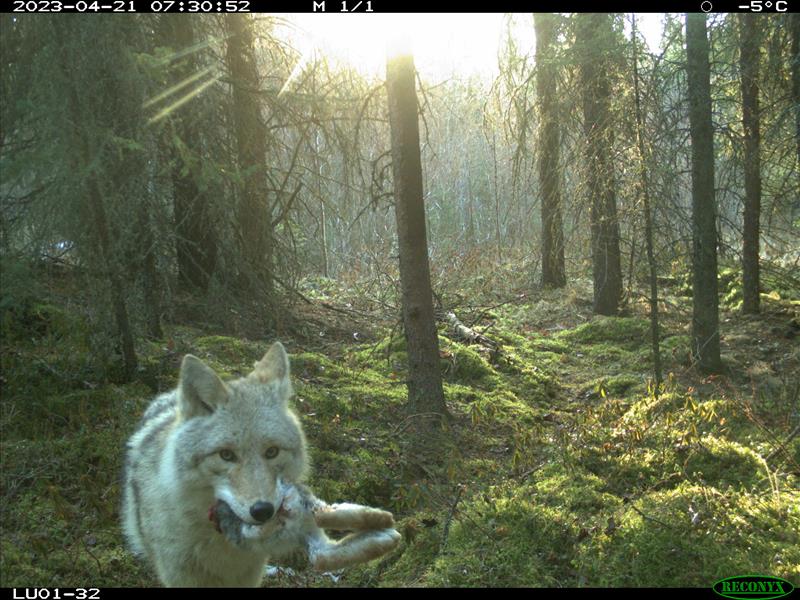
Coyotes ride roads and oil trails into northern Alberta

Roads and survey lines that oil and gas exploration companies built throughout the boreal forest provide coyotes with a fast-track route to colonize northern Alberta wilderness once covered in more contiguous forest.

These features of the province’s oil sands could be helping the ecological balance tip in favor of expanding, generalist species at the potential expense of other species.

“It seems like all this disturbance could be positive for [coyotes],” said Jamie Clarke, a master’s student in environmental studies at the University of Victoria in Canada.

Researchers have described the effect that seismic lines, logging and access roads, pipelines and other linear features have on the ecological balance of the boreal forest of northern Alberta. One study published in 2001 estimated that even then, Alberta had 1.5-1.8 million kilometers of seismic lines that cut through the wilderness. These lines provide “super highways” for predators like gray wolves (Canis lupus), making it much easier for them to exploit ungulate prey like moose (Alces alces) and caribou (Rangifer tarandus). At the same time, white-tailed deer (Odocoileus virginianus) numbers expand in the area due to several factors. A recent feature story in The Wildlife Professional explored this issue at length.

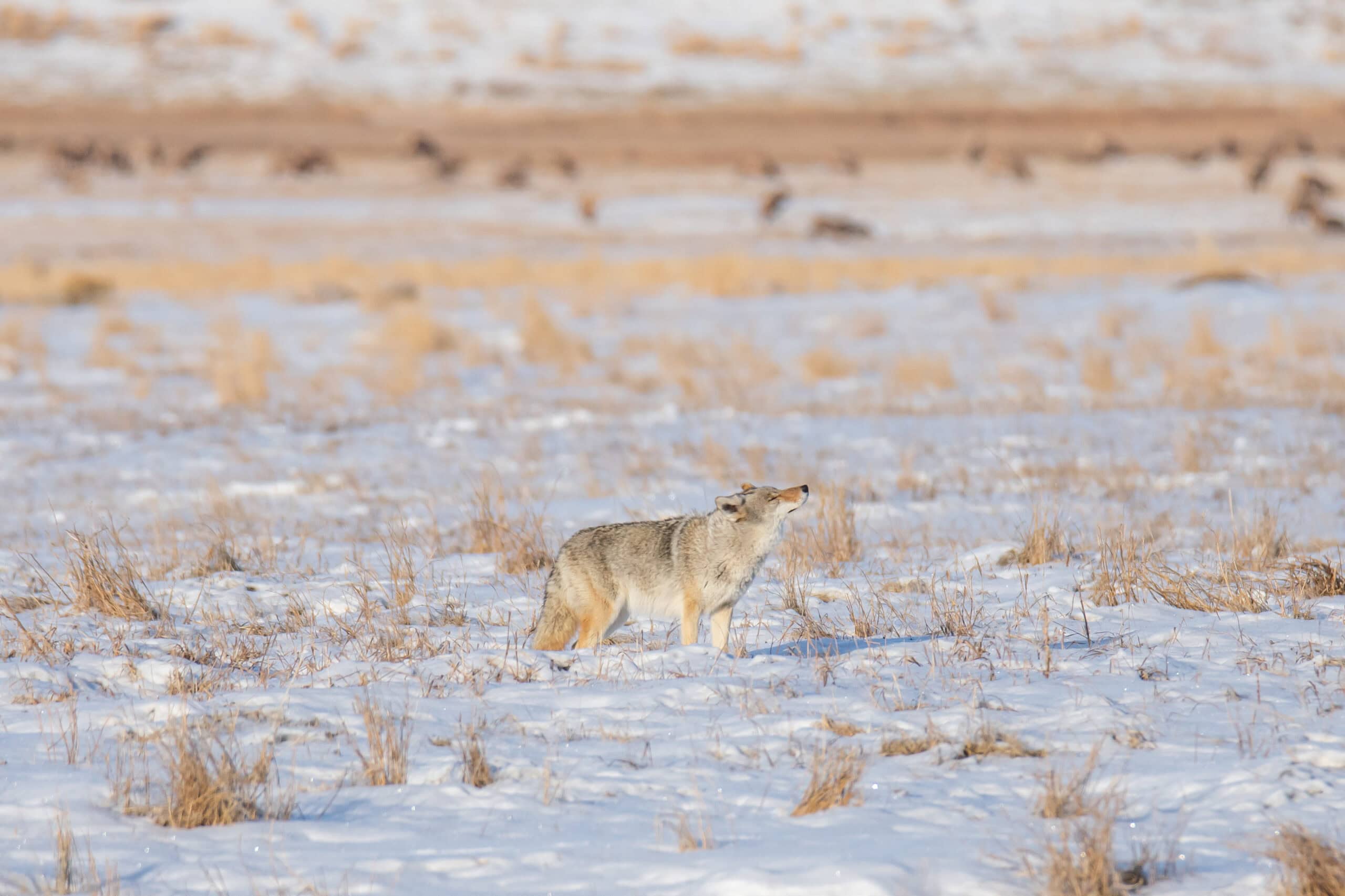
But less work has examined the role that coyotes (Canis latrans) play in this changing landscape. As part of the ongoing Oil Sands Monitoring Program funded by the Government of Alberta and a conglomerate of oil companies, Clarke and her colleagues conducted a study published recently in Ecology and Evolution looking at how energy infrastructure influences coyotes’ associations with the landscape and other species in the northern part of the province.

Clarke’s colleagues set out 78 trail cameras in 2021-2022 in landscapes across the oil sands region, with differing types and degrees of industrial disturbance. Then, in 2022-2023, the team set out an additional 155 cameras at different sites. They examined the images for coyotes and modeled coyotes’ relationships with linear and natural features and other wildlife.

Do coyotes use seismic lines?

It’s no secret that coyotes tend to do well in human-altered ecosystems, whether that means suburban golf courses or even downtown Chicago. Clarke and her team’s work showed that coyotes were also drawn to oil infrastructure and cutlines. “Coyotes seem to like wide linear features like roads and conventional seismic lines,” she said, adding that they are like highways. “It provides an excellent line of sight to spot whatever they’re trying to eat,” Clarke said. In fact, coyotes preferred these features to natural land cover.

The trail camera photos didn’t reveal much of a relationship between coyotes and ungulates, Clarke said, even though she knows coyotes eat calves. Most of the links they found were between coyotes and smaller mammals—particularly snowshoe hares (Lepus americanus).

Hare populations often go through an ebb-and-flow cycle that lasts about a decade. Part of the reason coyotes were so associated with hares at the time of the study was that the latter were likely at a population peak. As a result, the data didn’t reveal too much competition between coyotes and other carnivores like lynx (Lynx canadensis). “Nobody is really fighting,” Clarke said. “Everybody is just eating a lot of bunnies.”

While wolves are typically dominant, pushing coyotes out of some areas, Clarke didn’t see the same pattern in the oil sands data. This is possibly because the coyotes are scavenging wolf kills, though the trail camera photos didn’t reveal direct evidence of this. It’s also possible that periodic wolf culls to reduce caribou predation help coyotes, which are also known to outcompete small wolf packs for resources on some occasions.

Overall, Clarke said her research on coyotes adds to the evidence that the oil sands and related exploration impacts and infrastructure continue to change the ecology of the Albertan boreal forest. “The speed and the magnitude” of landscape changes really seem to affect what kinds of species are on the landscape and where, she said.

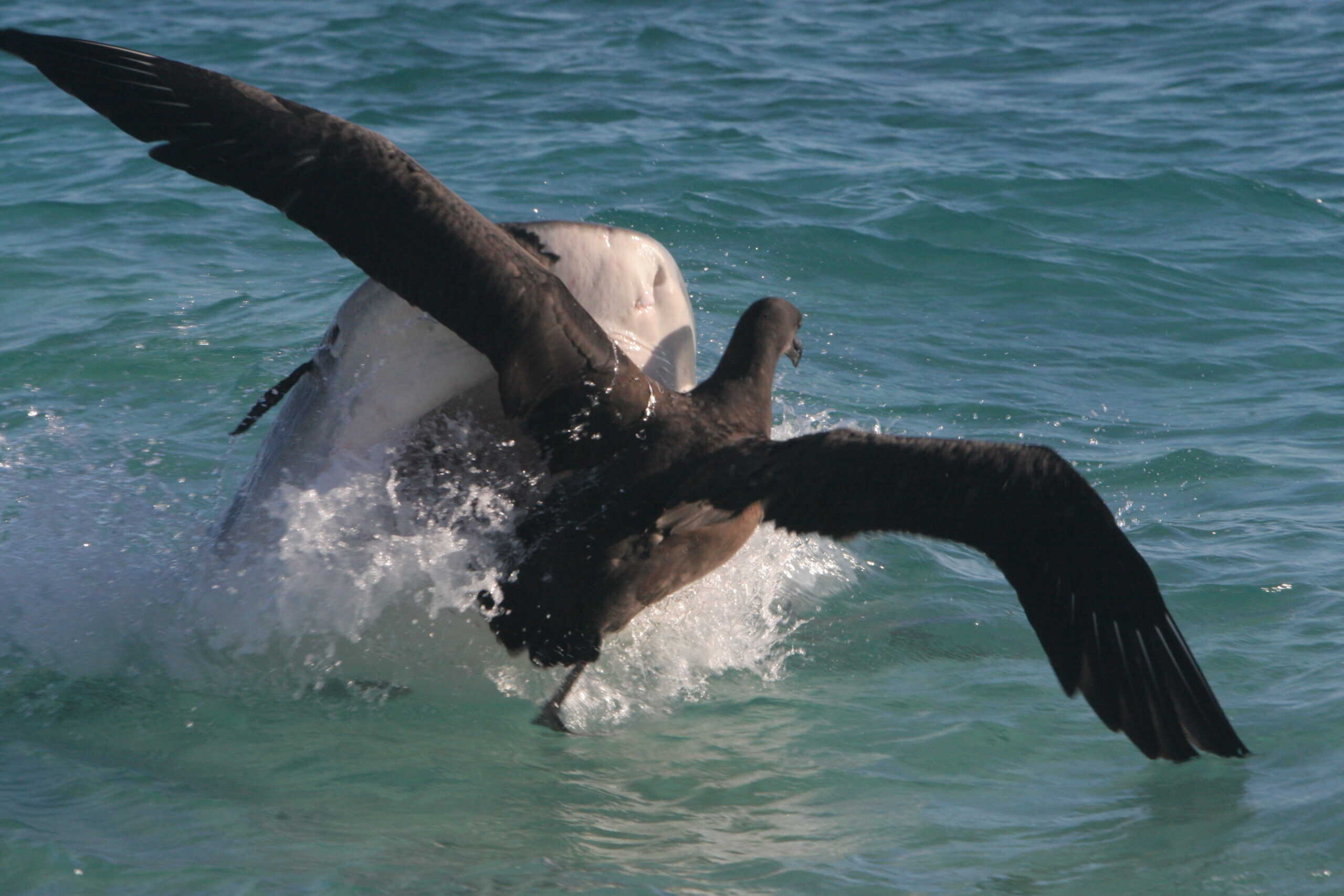
Sharks migrate to Hawaii to feast on fledgling seabirds

The summertime arrival of young seabirds in the northwestern Hawaiian Archipelago attracts fierce competition among sharks. But shifting bird populations could alter this important link in the marine food ecosystem. Researchers found in a study published recently in Ecosphere that fledgling albatross drive habitat shifts among species like tiger sharks (Galeocerdo cuvier), which often muscle out smaller gray reef sharks (Carcharhinus amblyrhynchos) for access to waters near seabird colonies in the French Frigate Shoals. But events like Hurricane Walaka, which hit the area in 2018, can destroy nesting habitat, causing a cascading problem in the ecosystem that affects the makeup of marine species.

Read more at the University of Hawai’i News.

Hunting and fishing access expanded

A new Secretarial order sets hunting and fishing as the default on public lands, requiring closures to have clear legal and documented justification. Secretary of the Interior Doug Burgum issued Secretarial Order 3447—Expanding Hunting and Fishing Access, Removing Unnecessary Barriers, and Ensuring Consistency Across the Department of Interior Lands and Waters. The order directs the agencies of the Interior to identify and remove unnecessary regulatory and administrative barriers to hunting and fishing access on Department of Interior (DOI) lands and waters, increasing senior-level review for proposed closures. The order directs DOI agencies to identify lands and waters suitable for expanded access within 60 days. To reduce confusion among regulations on land in proximity to one another, the order also requires improved alignment of regulations across state, Tribal and territorial wildlife agencies.

Read the order released by the U.S. Department of the Interior.

LISTEN: Shearer reflects on career with USFWS

After an unexpected early retirement from her 36-year-long career with the U.S. Fish and Wildlife Service, TWS member John Ann Shearer looks back on a career rooted in collaboration and resiliency in this episode of the “Our Wild Lives” podcast.

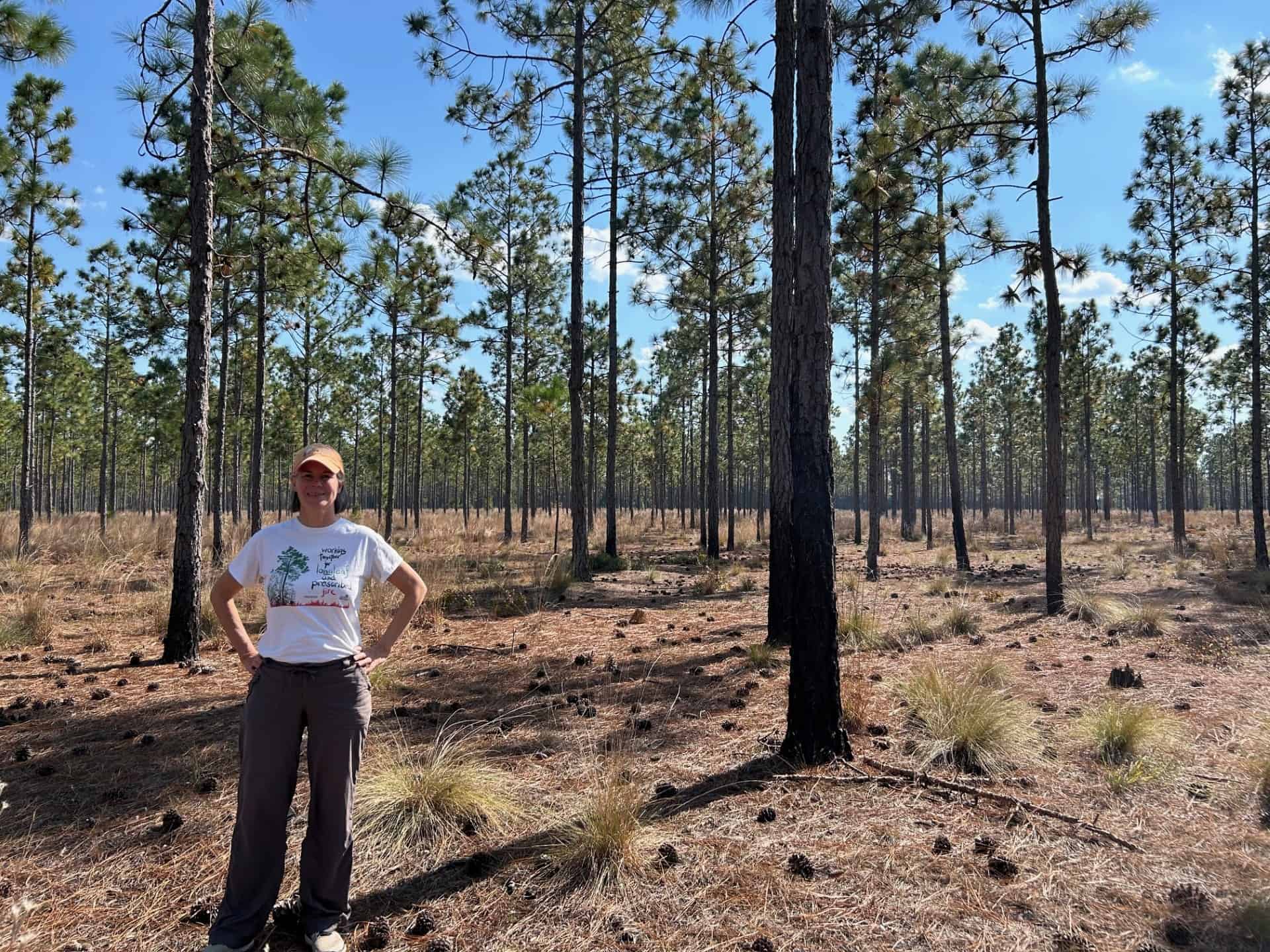
Through the Partners for Fish and Wildlife program, Shearer guided private landowners to restore thousands of acres of habitat across the U.S. Southeast.

Throughout the conversation, she relays a message of hope for the future of the profession and the next generation despite the challenges ahead.

“Our Wild Lives” is The Wildlife Society’s weekly podcast, sharing compelling stories from wildlife professionals doing critical work around the world. Your hosts, Katie Perkins and Ed Arnett, of The Wildlife Society, bring you thought-provoking conversations with leading experts and emerging voices. New episodes are released weekly wherever you get your podcasts.

WATCH: Wildlife interact with underwater turbines

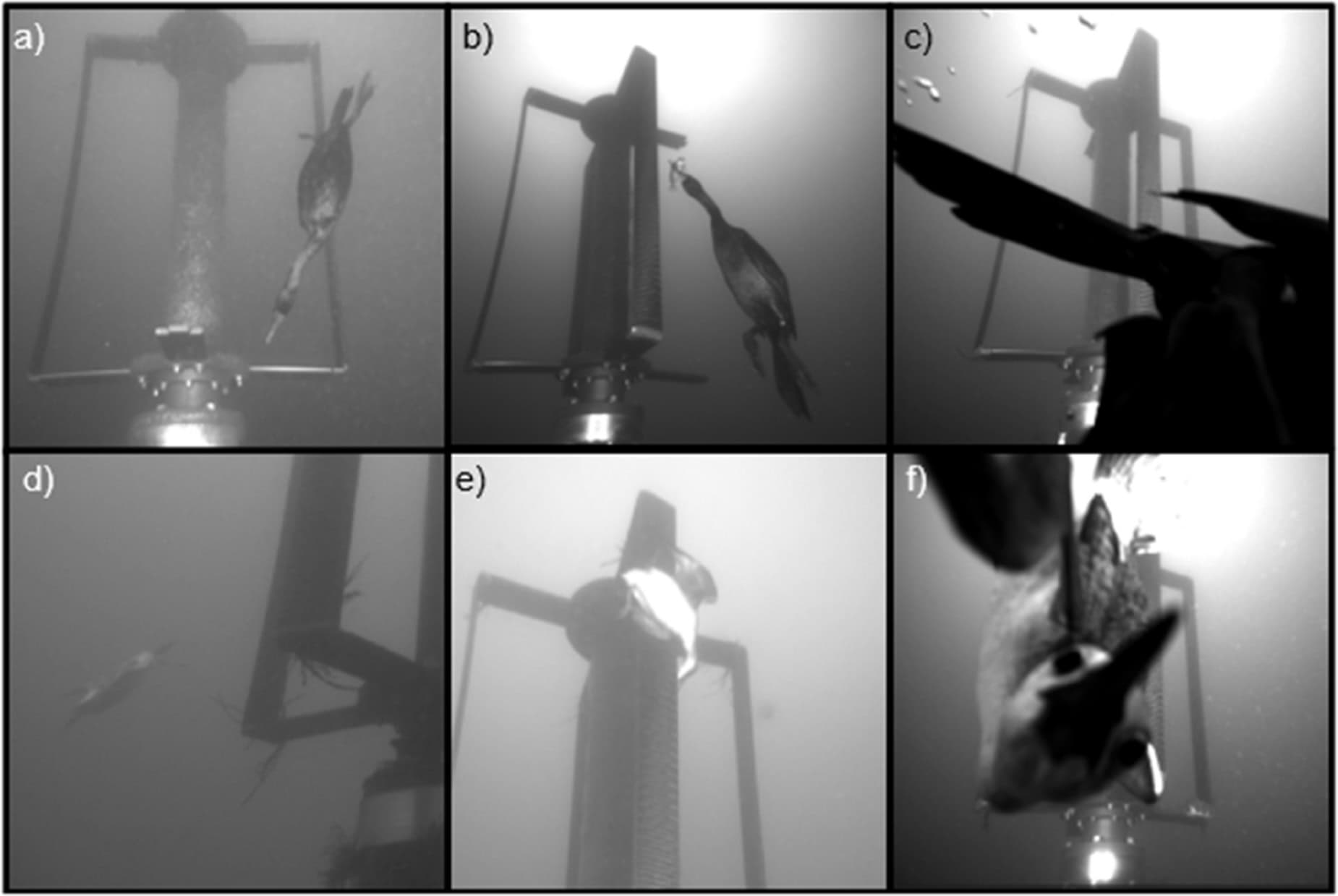
Tidal turbines harness the energy of the ocean but have yet to become mainstream in the U.S. Like their above-ground cousins, tidal turbines can potentially cause deadly collisions with wildlife. But a new study in PLOS One shows marine wildlife like seals and seabirds interacting—but not colliding with—turbines. Using underwater cameras, researchers tracked 109 days around the turbines in Sequim Bay in Washington state. The cameras didn’t catch a single collision incident between seals or seabirds and the turbines. The researchers concluded that seabirds are at low risk of collision because cameras only captured them when the turbines weren’t operational, usually at high tide. While the seals were spotted while a turbine was operational, their strong and acrobatic swimming abilities likely kept them from colliding with the moving turbine, researchers said.

Read more at PLOS One.

Oregon elk genetics may shield rare deer subspecies from CWD

Chronic wasting disease hasn’t yet snuck past the Idaho-Oregon border, and scientists are concerned about how it will impact the state’s rare Columbian white-tailed deer.

“We think they’re basically sitting ducks for chronic wasting disease,” said Al Roca, a professor of animal sciences at the University of Illinois Urbana-Champaign.

Various deer and elk have genes that have been associated with a lower occurrence of chronic wasting disease (CWD), but Columbian white-tailed deer do not appear to have these genes. Still, once infected, all cervid species ultimately die from CWD.

But new research reveals that elk in the region with advantageous versions of a certain gene may slow the spread of the deadly illness, which may help shield these more vulnerable deer.

Natural protection

Since its discovery in 1967, experts have found CWD in free-ranging cervids in 36 U.S. states and four Canadian provinces. A misfolding in the prion protein causes the fatal, highly contagious disease. While scientists don’t know exactly the purpose that healthy prions serve, they are distributed throughout the body and are especially concentrated in the brain and central nervous system. When a healthy cervid comes in contact with a misfolded prion, its own prions begin to change shape as well. “That leads to a runaway misfolding reaction,” Roca said. “It’s a very unusual disease.”

But cervids with a certain genetic variations in the prion gene appear to have a lower incidence of CWD and live longer with the disease. This is caused by just one change in an element of the animal’s genetic code, called a single nucleotide polymorphism (SNP). The SNPs rewrite the genetic code, sometimes yielding a slightly different prion protein. Scientists think that the prion protein can still function properly but is less likely to misfold when it comes in contact with an infectious prion. “Those SNPs can change how likely the animal is to get CWD,” said Yasuko Ishida, a research scientist also at the University of Illinois Urbana-Champaign and lead author on the study.

Slowing the spread?

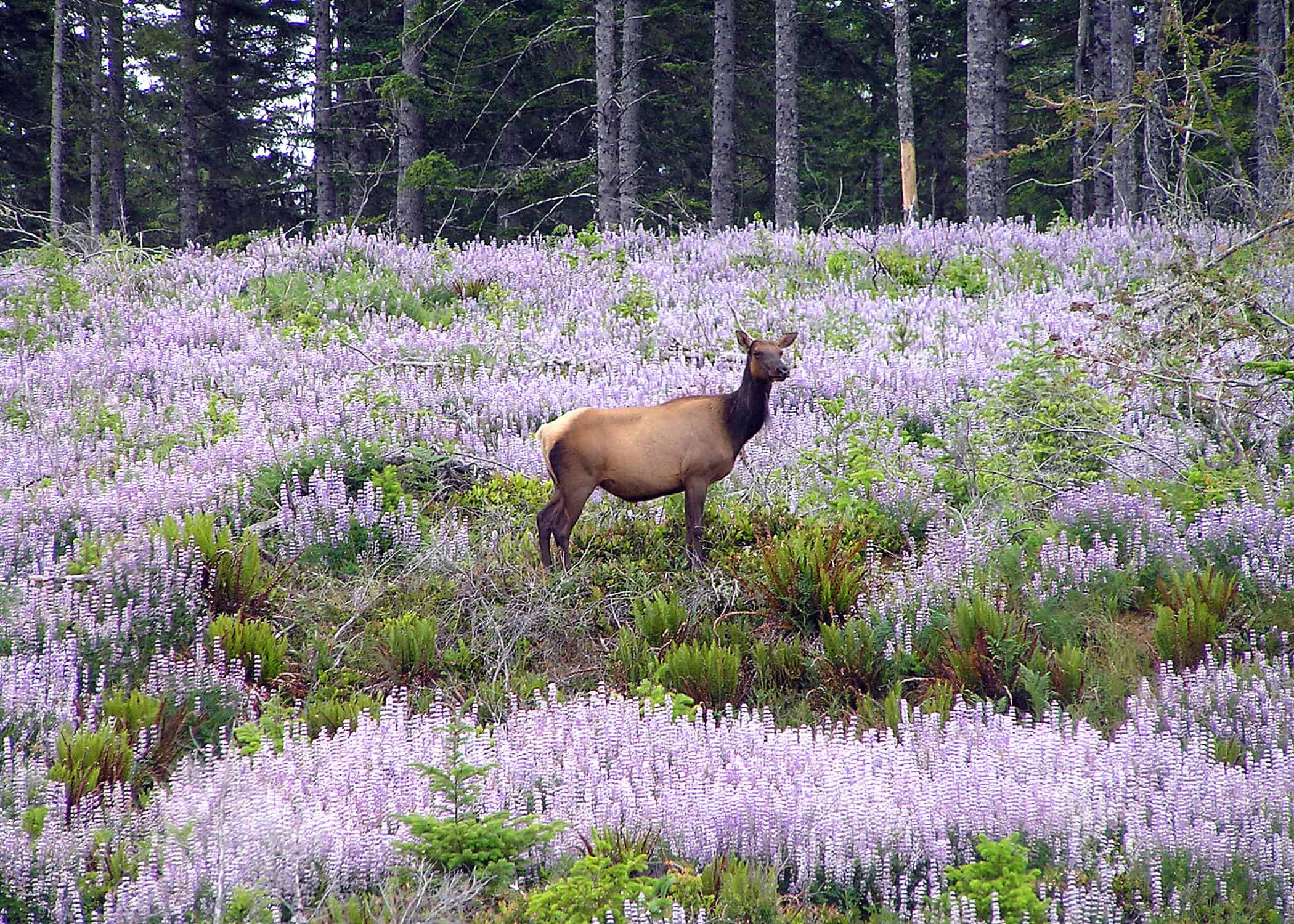
In a new study published in the Journal of Heredity, Ishida, Roca and their colleagues studied the genetics of Rocky Mountain (Cervus canadensis nelsoni) and Roosevelt elk (C. canadensis roosevelti). A little less than half of Oregon’s elk carry the advantageous variant, which is a high percentage compared to elk populations nationwide.

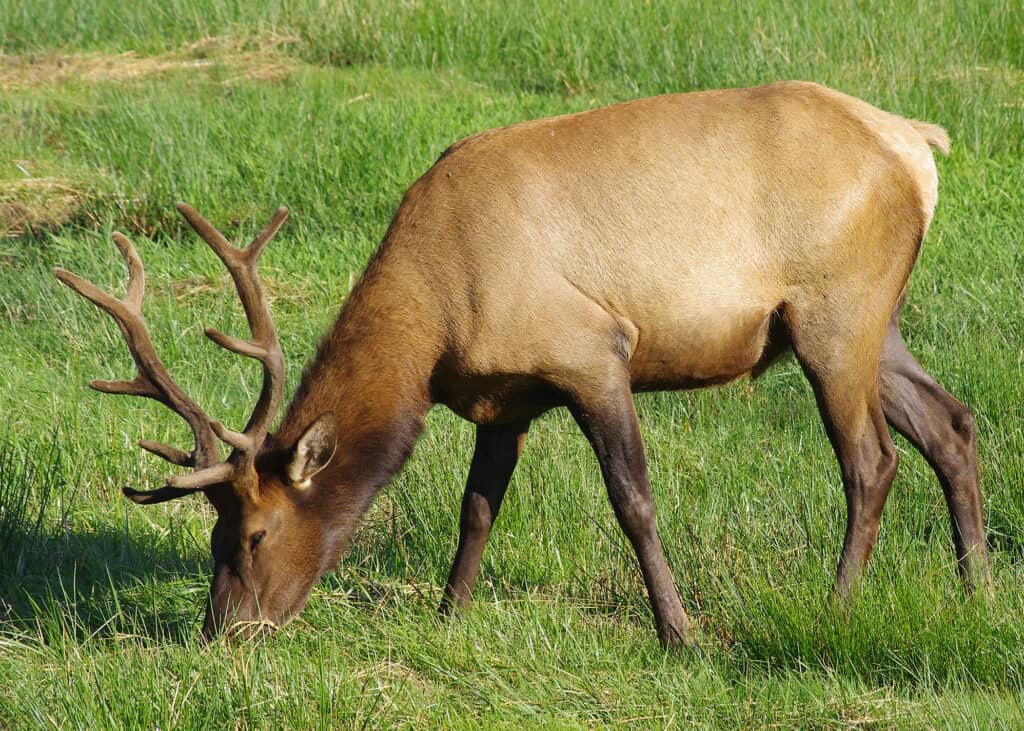
Roosevelt elk, like this one near Reedsport, Oregon, have genes that may make them less vulnerable to chronic wasting disease. Credit: Martyne Reesman/Oregon Department of Fish and Wildlife

Researchers found that 49% of Rocky Mountain elk and 42% of Roosevelt elk carried at least one copy of the advantageous gene. The prevalence of advantageous SNPs in Oregon was relatively high compared to other populations, “but not likely high enough to keep CWD from spreading once it’s introduced,” Roca said. “Half the animals are still quite vulnerable to CWD.” The study also provides a baseline to track the prevalence of the advantageous prion gene if CWD ever gets introduced into the state.

While these genes don’t make the animals fully resistant, the incubation period is longer. And CWD hasn’t been detected in Columbian white-tailed deer (Odocoileus virginianus leucurus), which were once federally endangered but are now listed as threatened and live in western Oregon and Washington. But the subspecies is entirely genetically susceptible. The elk that are genetically fortified and live in the area might still buy the subspecies time, taking longer to pass the disease from the Idaho border to the western edge of the state where the rare deer live. However, because these elk also seem to live longer once they’re infected, they could be even more dangerous to other wild cervids by shedding infectious material longer in areas that Columbian white-tailed deer occupy.

Researchers have also been looking into other white-tailed deer subspecies, like Key deer (Odocoileus virginianus clavium) in Florida. Unlike the Columbian subspecies, Key deer have high rates of the advantageous genes. “Depending on the population, the frequency of SNPs are very different,” Ishida said.

In terms of keeping CWD out of Oregon, Ishida said the disease is difficult to control, but there are a few things people can do, like not translocating deer or elk from other states or infected areas.

Wildlife pros identify risks in proposed ESA revisions

The Wildlife Society has submitted formal comments on four proposed rule changes to regulations implementing the U.S. Endangered Species Act that could reshape listing decisions, threatened species protections, critical habitat designations and interagency consultation requirements. TWS warns that the revisions could weaken science-based protections for imperiled species, strain already limited agency capacity and create uncertainty by not waiting for Congress to clarify their intentions.

The proposed Endangered Species Act (ESA) rule changes would revise how species are listed, delisted and reclassified; alter protections for threatened species under Section 4(d); reshape how critical habitat is designated and excluded; and alter definitions and modify how federal agencies evaluate project impacts. In the submitted comments across the proposed rules, TWS reinforced the need for congressional clarity, supported the principles established in our Endangered Species Act position statement, and expressed concerns about the timeline for public input.

In all four comment documents, TWS emphasized that continued reductions in staffing and funding while increasing workload demands through proposed changes risk slowing listings, delaying protections and producing inconsistent outcomes. TWS emphasized that regulatory reinterpretation by agencies creates instability for conservation practitioners and agencies. Where statutory ambiguity exists, TWS urged Congress to provide durable clarification rather than relying on successive rulemakings. Across the comments, TWS emphasized that the 30-day comment period does not provide the time for nuanced review of the administration’s proposed rules. “Additional time would have enabled a more thorough and scientifically robust review with broader expert and practitioner engagement,” TWS commented.

Several TWS chapters and sections also provided feedback on the administration’s proposed rules, ensuring that the expertise of wildlife professionals from across the country was captured during the public comment period. The next Conservation Affairs Network newsletter will include a detailed look at unit-led comments.

Read TWS’ comments on the proposed changes to ESA implementing regulations here.

Congress releases conferenced FY2026 Interior spending bill

The congressional appropriators released the conference agreement on the Fiscal Year 2026 Interior, Environment, and Related Agencies Appropriations Act, part of a three-bill minibus that also includes Commerce, Justice and Science, and Energy and Water Development funding.

The agreement represents a negotiated compromise between the House and Senate and is now headed to the floor of both chambers for final consideration before the Jan. 30 government funding deadline. The bill sets annual funding levels for the USFWS, USGS, BLM and other agencies that manage public lands, implement wildlife conservation, and conduct ecosystem-level science.

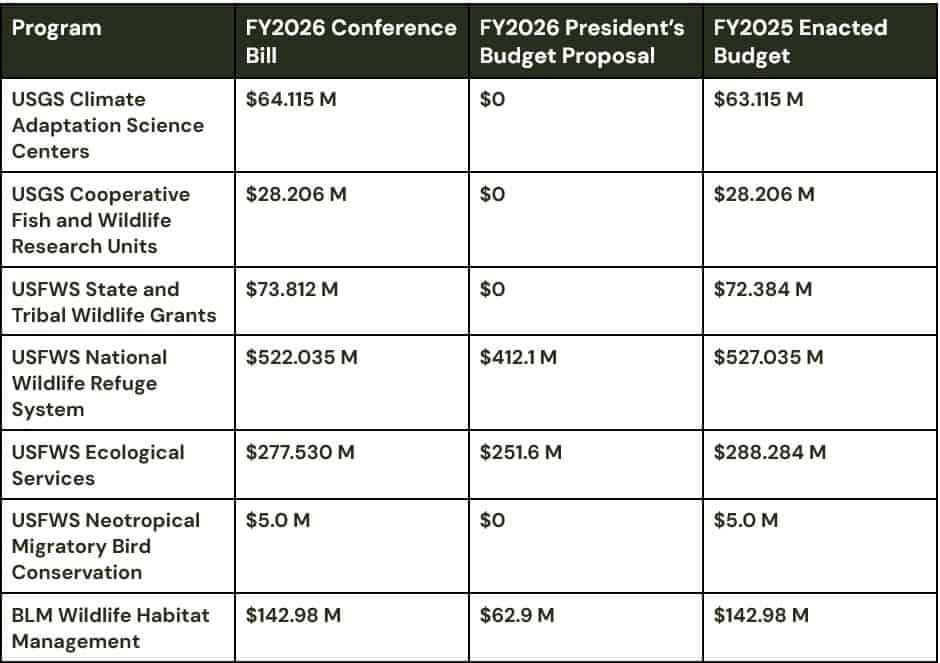
Program highlights

The spending levels proposed in the conferenced bill are, in many cases, markedly different from the administration’s budget proposal released earlier this year. It rejects the elimination of program funding requested in the president’s proposal for many key conservation programs. Still, Congress is proposing funding cuts across the majority of these programs compared to FY2025.

What’s next?

Conference leaders released the agreement on Jan. 5, 2026, emphasizing bipartisan negotiation to advance regular appropriations. With a looming funding deadline of Jan. 30, Congress must pass the minibus or another continuing resolution to avoid a partial government shutdown.

This Interior and Environment funding package will now move to the House and Senate floors for final votes, where members will consider the full set of federal wildlife, land management and conservation investments for FY2026.

USDA appoints new APHIS leaders

The U.S. Department of Agriculture has replaced two wildlife management leadership positions due to retirements. Kelly Moore will serve as acting administrator at the Animal and Plant Health Inspection Service (APHIS), while Alan Huddleston will serve as the acting U.S. Chief Veterinary Officer following the retirement of Michael Watson and Rosemary Sifford. APHIS is responsible for safeguarding America’s agriculture, natural resources and animal health by preventing and controlling pests, diseases, and invasive species, monitoring animal welfare and regulating biotechnology. APHIS deals with issues and prevention of pests like the New World screwworm (Cochliomyia hominivorax) and diseases such as bird flu. APHIS programs will continue uninterrupted during the leadership transition.

Read more in the press release from the USDA.