

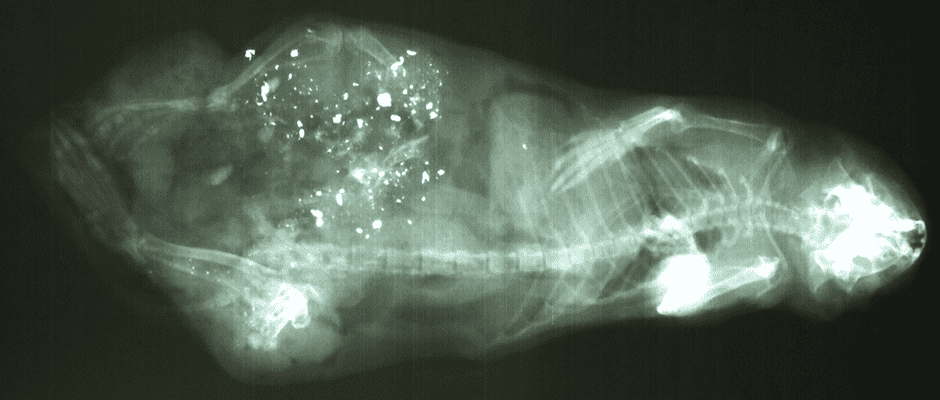
WSB: Seeking bullets lethal to small mammals, not scavengers
At MPG Ranch, a conservation ranch in Montana’s Bitterroot Valley, most of the golden eagles (Aquila chrysaetos) wintering on the property have elevated concentrations of lead in their blood. Much...

Kleberg Institute founder receives Kleberg Award
On a recent October afternoon, Charles DeYoung was soaring over South Texas by helicopter, as he does several times a year, counting deer and any other species he spotted. “I...
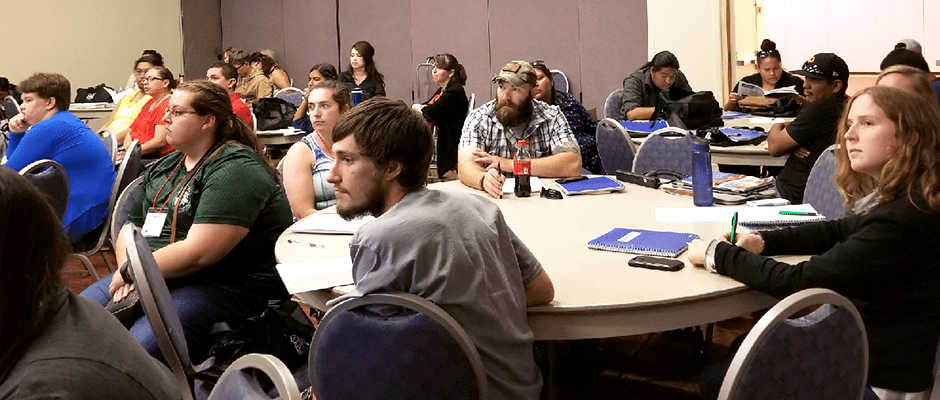
Newcomers Day introduces diverse students to wildlife field
Lauren Reeves knew she loved the fish tank in her parents’ house, but attending the TWS Annual Conference in Albuquerque, New Mexico made her think about fish in a different...

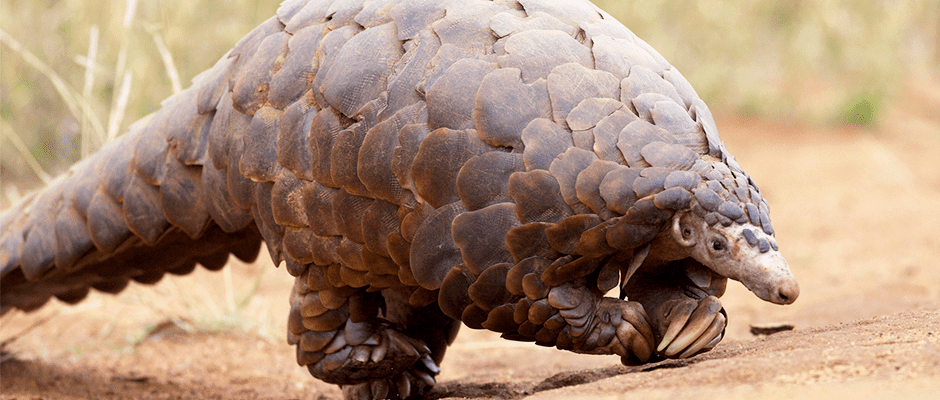
Hollywood’s spotlight can have real-life conservation impact
Did “Bambi” do in hunting? Did “Jaws” demonize sharks? Did “Finding Nemo” put clownfish in serious danger? In a paper published in Conservation Biology, researchers from Great Britain’s University of...
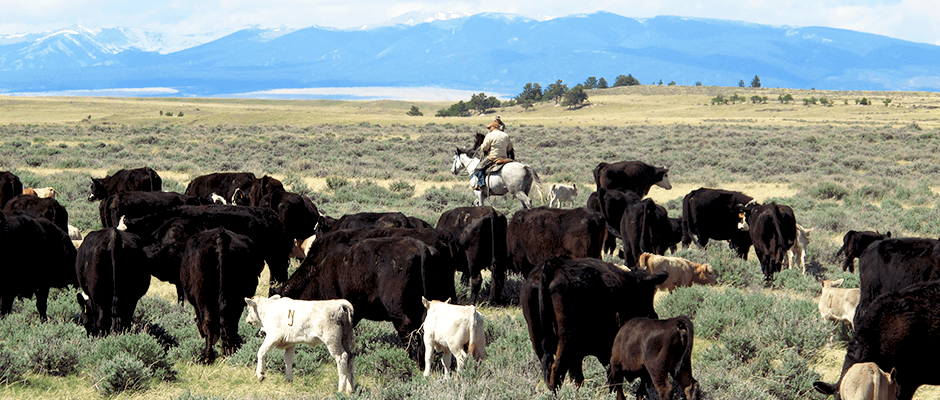
JWM study: Grazing shows little effect on grouse nesting
As habitat loss and fragmentation continue to threaten the greater sage grouse (Centrocercus urophasianus), a study in Montana found livestock grazing seems to have little impact on the bird’s nest...

For Penn State prof, joining TWS is his lesson for students
When a new semester arrives at Penn State University, professor Cal DuBrock makes a round of the school’s natural resource classes with a pitch. Whether it’s forestry, fisheries or wildlife,...
PAID AD

Plenary speakers stress diversity, inclusion in changing field
Nalini Nadkarni said she’s a bit envious of wildlifers. As a plant biologist trying to explain to the public the importance of forest canopies, she said, “trees can be a...

TWS thanks The 1,000 members at annual reception
Members of The 1,000 gathered Monday evening at the historic Hotel Andaluz for an annual reception to thank them for their commitment to The Wildlife Society. “These are folks who...

Partnerships critical for wildlife conservation, keynote speakers say
When Jennifer Owen-White was hired as refuge manager for the newly created Valle de Oro National Wildlife outside Albuquerque, N.M., she had a one-person staff, a minimal budget, no roadmap...
PAID AD