


TWS bids farewell to three past presidents
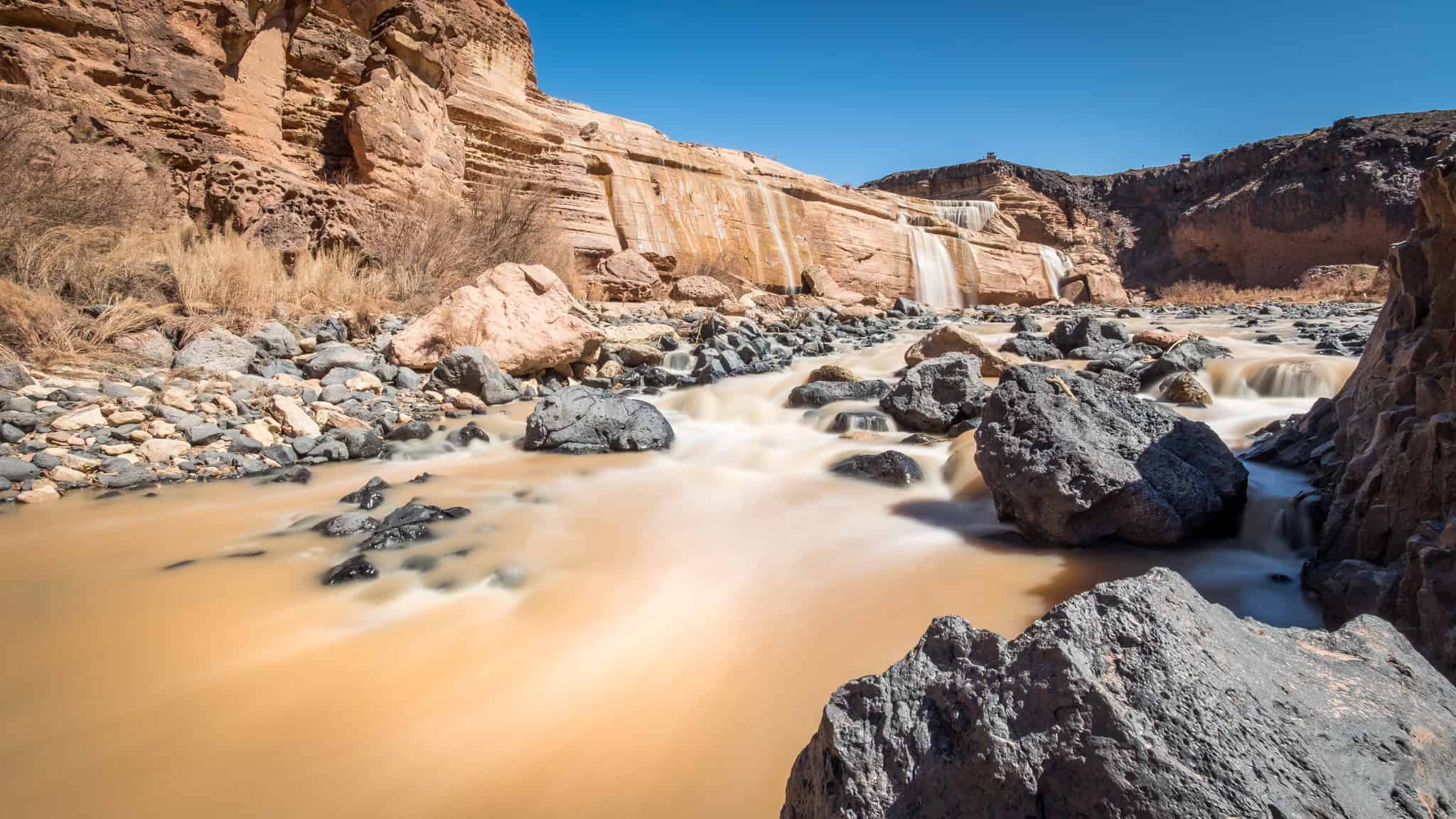
The past three months have brought some somber news to The Wildlife Society. Since December, we have lost three past presidents, Ted Bookhout, Richard Mackie and Bill Crawford, each of...
JWM: Pneumonia ‘spillover’ challenges bighorn efforts
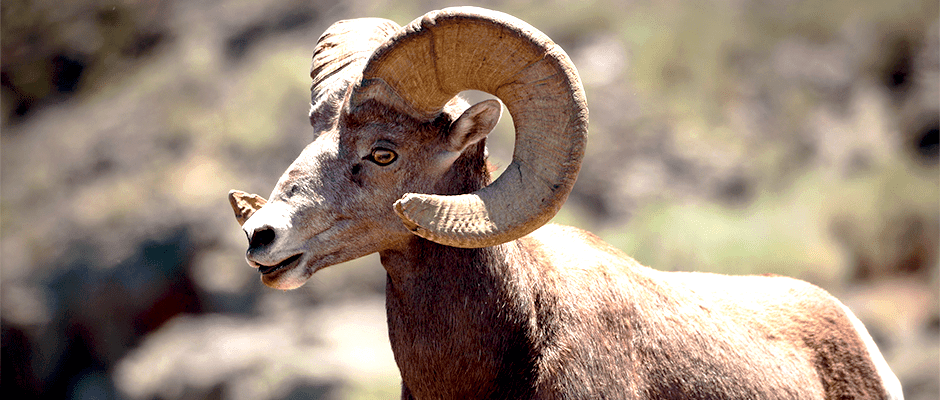
Bighorn sheep (Ovis canadensis) once occupied much of the Western landscape, but in the centuries since European settlers arrived, pneumonia has reduced or wiped out populations and put the species...

JWM: Jackals prefer livestock over wild prey
Predators and livestock can be a controversial combination anywhere, But it can be particularly contentious in South Africa, where livestock farmers complain about mounting impacts from carnivores on their operations....
PAID AD

California academy added 85 new species in 2017
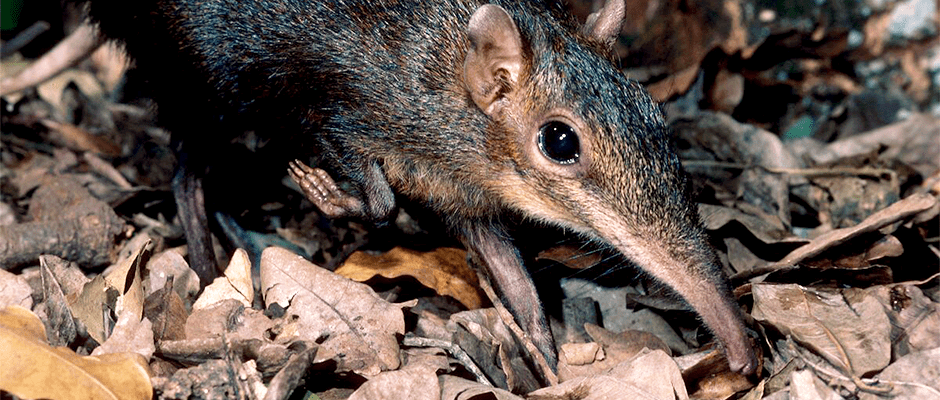
Add these to your 12 days of Christmas list. Thirteen nudibranchs, seven spiders, three new scorpions and a shrew with a really big nose. These are some of the 85...
JWM: Red wolf reintroduction on path toward extinction
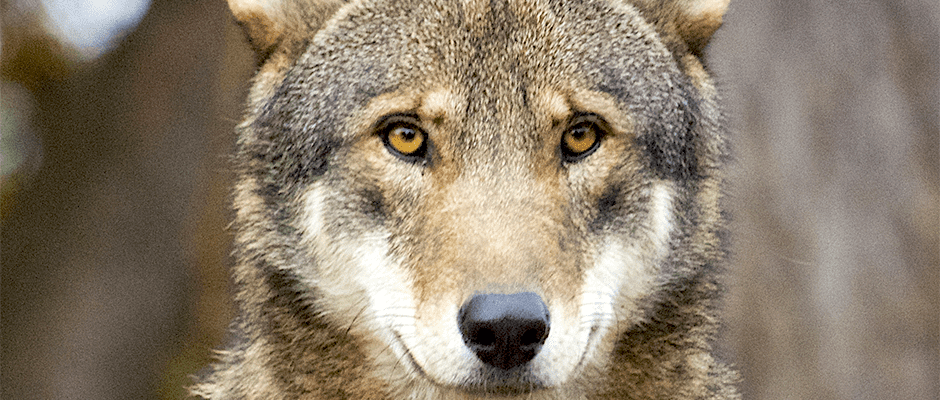
Current efforts to recover the red wolf (Canis rufus) in North Carolina are bound for failure, a team of researchers concluded, unless releases of captive wolves are resumed and takes...
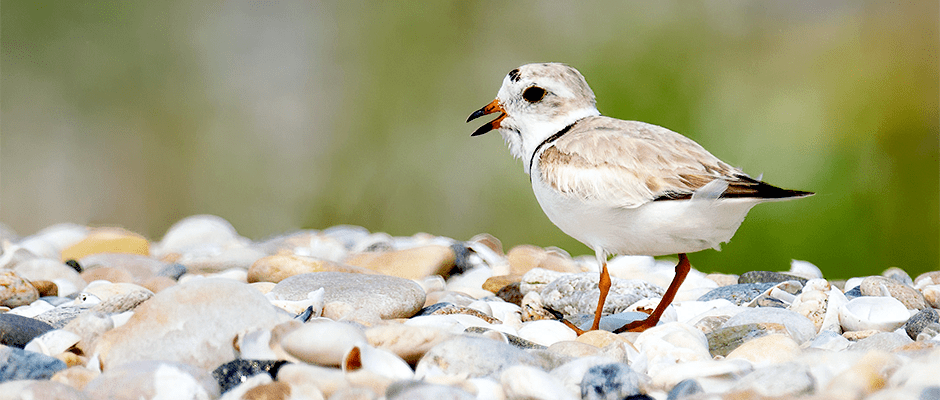
WSB: Mobile app gathers plover data across vast range
The threatened piping plover (Charadrius melodus) nests on North American coastlines from Maine to North Carolina, where biologists fear it faces growing threats from rising sea levels associated with climate...

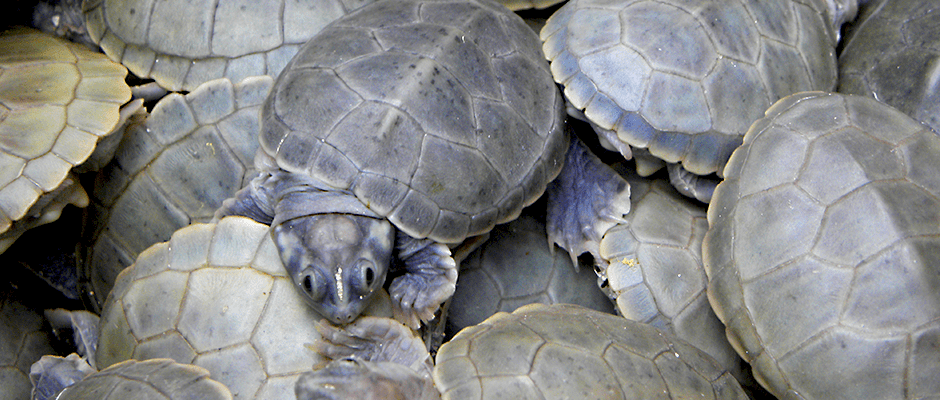
WSB: A low-cost approach boosts female Amazon River turtles
Amazon River turtles’ greatest threat is illegal harvesting, and since females, which grow larger and are easier to capture than males, are particularly targeted, concerns about the species’ future are...

JWM: Lead tackle sinking NH loons
Lead tackle is responsible for nearly half the deaths of adult loons in New Hampshire, a recent study found, reducing the bird’s population in the state by 43 percent. “This...
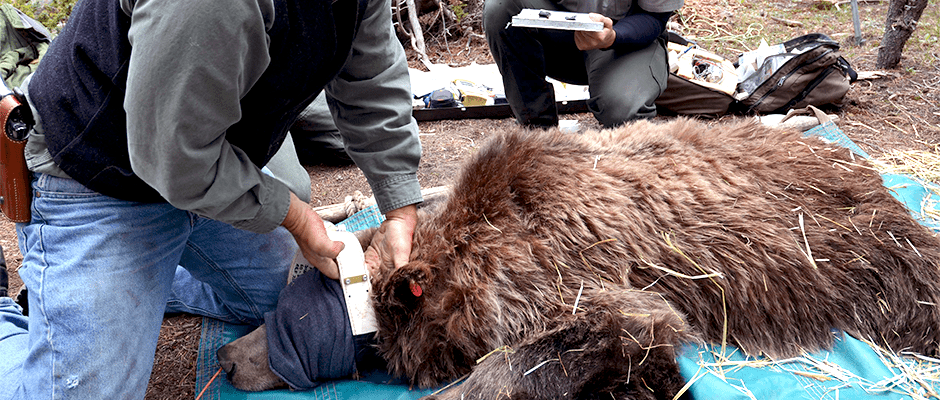
For Yellowstone grizzlies, paths may lead out of isolation
When Yellowstone grizzlies lost their threatened status last June, advocates for the bears feared they were too isolated to sustain their populations without federal protections. The grizzlies (Ursus arctos) are...
PAID AD