Join the Rangeland Wildlife Working Group

The Rangeland Wildlife Working Group (RWWG), which was established in March of 2013, is currently looking for new members. The subunits goals include supporting efforts to manage rangelands for wildlife and livestock sustainable use. The working group provides the opportunity for TWS members with similar interests to share knowledge, network, and work towards a common objective.

During the Annual Conference in Pittsburgh you can learn more about the RWWG at their meeting on Monday, October 27th from 4:00 – 5:00 pm in room 313 of the David L. Lawrence Convention Center (DLCC). In addition, the RWWG is sponsoring a symposium on Wednesday October 29th in room 317/318 of the DLCC, titled, “Forgotten Grasslands of the East: Managing Forest-Grassland Mosaics for Wildlife.”

Interested in becoming a member of the Rangeland Wildlife Working Group? If you are attending this year’s Annual Conference in Pittsburgh be sure to check out their meeting and learn more about their goals. If you are not attending the conference but would like more information, please contact Megan Clayton, Chair, at Megan.Clayton@ag.tamu.edu.

Sources: https://wildlife.org/subunits/working-groups

Tribes and First Nations sign “Buffalo Treaty”

Last week, 11 U.S. Indian Tribes and Canadian First Nations signed a treaty that established an intertribal alliance aimed at restoring bison in their territories located throughout the Great Plains and Rocky Mountains. The resolution, which is the first intertribal treaty of its kind in over 150 years, declares a shared vision and intent to repopulate wild bison herds and to allow the animals to roam freely across international and intertribal borders.

The Northern Tribes Buffalo treaty is creates a powerful and coherent message, allowing the tribes and nations to leverage the 6.3 million acres of land they control in North America into more translocations of bison from Yellowstone National Park to tribal lands. Tribal leaders cite recent successful translocations to reservations—Fort Peck in 2012 and Fort Belknap in 2013, both within Montana—and are working to one day have thriving populations on all of the signatory lands.

A herd of bison on the National Bison Range in Montana. Recently, 11 U.S. Indian tribes and Canadian First Nations signed a treaty declaring their intent to bring more bison onto their lands.  Image Credit: USFWS

A herd of bison on the National Bison Range in Montana. Recently, 11 U.S. Indian tribes and Canadian First Nations signed a treaty declaring their intent to bring more bison onto their lands.
Image Credit: USFWS

Still, not everyone is in favor of moving bison populations out of Yellowstone. Several ranchers are opposed to reintroducing the animals near where they graze cattle because of competition and potential for disease transfer. In fact, ranching interests fought — albeit unsuccessfully — against the Fort Peck and Fort Belknap translocations.

Free-roaming bison serve as ecosystem engineers in their ability to benefit insects, birds, and mammals by disturbing grassland. Although they numbered in the tens of millions at the time of westward expansion in the 1800s, unregulated hunting and wasteful use of the animals brought the species close to extinction in the late 19th century. Conservation efforts initiated in the early 20th century, such as captive breeding and reintroductions to Yellowstone and the National Bison Range in Montana, have brought the number of wild bison in the U.S. to around 20,000.

Sources: Greenwire (September 24, 2014), Associated Press (September 23, 2014), Environmental News Network (September 24, 2014)

2014 Leadership Institute Participants Announced

On May 9th, The Wildlife Society (TWS) announced the selections for the 2014 TWS Leadership Institute. They are promising early-career wildlife professionals who were chosen from a competitive pool of applicants across North America.

Participants will receive leadership training that begins with several distance learning projects over the coming summer.  The program culminates in October, with intensive hands-on mentoring activities and leadership workshops during the 2014 TWS Annual Conference in Pittsburgh, Pennsylvania.

A committee of TWS members and staff selected participants based on the applicants’ academic record, demonstrated leadership capability, and proven excellence either in their current professional position or as a leader of a TWS Chapter or Section.

This year’s participants are:

  • Charles Anderson, Resource Science Supervisor, Missouri Department of Conservation
  • David Dahlgren, Extension Associate, Utah State University
  • Dawn Davis, Sage-Grouse Conservation Coordinator, Oregon Department of Fish and Wildlife
  • Alexander Galt, Wildlife Biologist, U.S. Fish and Wildlife Service, Minnesota
  • Sara Hansen, Wildlife Biologist, Washington Department of Fish and Wildlife
  • Michel Kohl, Research Associate/Doctoral Student, Utah State University
  • Sonja Leverkus, Doctoral Candidate, Oklahoma State University and Ecosystem Scientist, Shifting Mosaics Consulting, British Columbia, Canada
  • Erin McCance, Project Manager/Wildlife Biologist, Joro Consultants, Manitoba, Canada
  • Sonja Smith, Area Wildlife Biologist, Montana Department of Fish, Wildlife, and Parks
  • Heather Stricker, Wildlife Resources Program Director, Forest County Potawatomi Community, Wisconsin

Many young wildlife professionals entering leadership positions have not been trained in the skills needed for successful management of large teams or complicated programs. The Leadership Institute introduces these exceptional young people to the management, mentoring, and organizational skills they need to become exceptional leaders.

From May through September, participants will complete a wide variety of exercises, including reading and reflecting on leadership topics, presenting to peer groups, leading seminars, and developing a vision for their professional leadership goals. During TWS’s Annual Conference in Pittsburgh the participants will serve as mentors for students, be mentored by Institute alumni and TWS Council members, attend Council meetings, and engage in focused analytical discussions.

Learn more about the Leadership Institute here.

Meet The Candidates

The Wildlife Society announces candidates for positions on TWS Council. Electronic ballots will be sent in May to all members with an email address. If you do not have an email address, you will receive a mail ballot. Newly elected members of TWS Council will be installed at the 21st Annual Conference, October 25-30, 2014 in Pittsburgh, PA.

The voting period is May 15 through June 20.

Candidate statements are provided below. You can also view all candidates’ bios here.

Vice President
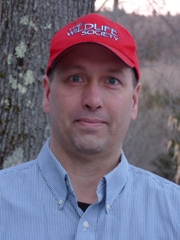
john-mcdonaldJohn McDonald

For over 75 years, The Wildlife Society has been the organization to belong to for people who care deeply about wildlife, wildlife science and management, and human-wildlife interactions in the broadest sense. Even with this long history, our Society still has lots of room to grow within its mission to serve this professional community.

My vision for The Wildlife Society is that it becomes recognized as the pre-eminent authority on wildlife science and management and that membership in The Wildlife Society is highly valued and sought after by everyone engaged in the wildlife profession. In recent years, membership has grown significantly, nearing the 11,000 mark, yet we know the potential membership is more than twice that number. By increasing the visibility of TWS on issues of relevance to our members and potential members, I think we can grow substantially.

Having served the Society at all levels, state chapter, student chapter advisor, Section, and on Council, I believe I have a sense of what matters to our membership. Further, I’ve worked for a state wildlife agency, a federal agency, and a couple of universities so have been exposed to the issues confronting our members across the spectrum of career paths and stages.

I am humbled to have been able to contribute to this society in the various capacities in which I have served and to be nominated for
Vice-President. I think I am well-prepared to serve in this leadership role. Serving on Council with some excellent executive officers who have navigated us through some difficult times has given me insight into the operations of the organization and what we need to do to continue to grow and to serve our members and the wildlife resources to which we have devoted our careers and our passion.

bruce-thompsonBruce Thompson

TWS is a diverse organization with strong infrastructure throughout North America. Members represent a wide array of professional service, among which we have opportunities to continue recent successes in cultivating prospective members. We are facing especially challenging and continuing financial conditions and heavy demands to remain current with rapidly changing information that affects local, regional, national, and international natural resource policy decisions. We must provide crucial and effective policy engagement with important conservation partners, ensure strategic program implementation, feature strong and attentive member services, promote substantive exchange of pure and applied science through TWS operations, communicate effectively among members, incorporate Canadian interests broadly in TWS business, and ensure strong oversight of TWS finances and staffing.

It is critical that we continue ongoing integration of more gender and cultural diversity in TWS leadership ranks. Further, we have exciting options to explore for engaging our cadre of TWS Fellows and award recipients to be effective ambassadors for TWS and to strengthen our program development.

I recognize the importance of being in the forefront of conservation leadership and necessary adaptation to changes within TWS and among our partners. I have worked professionally with TWS members and partners throughout North America, have been a section representative and President of state chapters, have worked in editorial and committee positions at all levels of TWS, and have worked among many resource employers and programs represented by TWS members. Thus, I am familiar with TWS and the base of its evolving needs. That mix of experience and ability allows me to effectively understand and communicate member interests and develop productive exchange as a TWS leader.

Central Mountains and Plains Section Representative
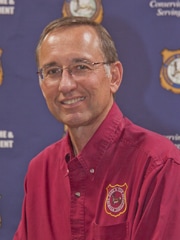
bob-lankaBob Lanka

The Wildlife Society is our professional Society. My early career with the Wyoming Game and Fish Department focused heavily on state management of game species. That emphasis enabled me to engage first hand in matters of public trust, state ownership of wildlife, allocation of wildlife by law and science based wildlife management and policy. More recently my career has broadened to include information and education and my management responsibilities now include all terrestrial wildlife in Wyoming including species at risk.

Throughout my career, The Wildlife Society was there. TWS publications as well as attendance at state,

section and Annual Conferences provided continuing education. I deeply value the camaraderie, professional networking and opportunities the Society provides to serve, to take on leadership roles, to mentor students and early career professionals and to learn and grow. Simply put, without the Society, I would not be who or where I am today.

I have had the honor to serve our society in both the Wyoming Chapter and Central Mountains and Plains Section. Now, I humbly submit my name to Section membership to serve as your representative to Council. If elected, I will work to enhance the relationships between the Society, section, state and student chapters; to increase the relevance of the Society to those in state chapters who are not members; and to continue the Society’s efforts to encourage students and early career professionals to become active life-long members and leaders of our profession. Thank you for your consideration.
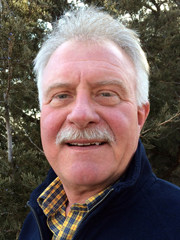
bill-vodehnalBill Vodehnal

We live in a society driven by political, economic and social forces that ultimately lead to more altered native landscapes and fluctuating wildlife populations, and eventually, to loss of biodiversity. These challenges are not simple and easy to resolve, but we must continue to strive to use the best scientific knowledge available to make informed decisions and to take conservation actions that address these conflicts. Several issues come to mind relative to approaching conservation issues.

First, continue to conduct research and evaluate effects of landscape level changes on indicator species or biodiversity so that better science-based decisions can be made.

Secondly, foster more continuing education for wildlife professionals as we have a personal responsibility to grow in knowledge and awareness every day of our wildlife career. Of most importance, increased promotion of The Wildlife Society as the ‘go-to’ organization for all wildlife professionals is essential.

Thirdly, be mentors to young wildlifers to carry forward the vision for wildlife. Fewer young biologists have a connection to the farm or ranch and management of these landscapes today, thus mentoring with veteran wildlife professionals would provide invaluable comfort, experience, and confidence to the upcoming cohort.

Finally, enthusiastically promote the Conservation Affairs Network of TWS. States do a good job of addressing local conservation threats, but we fail to communicate effectively at the section or parent society level. If we can further our knowledge of wildlife resources, advance our own professional growth, relate to young professionals, and address resource concerns across geographic boundaries, we can make a difference for wildlife.

Northeast Section Representative
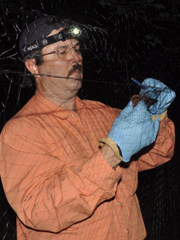
tim-greenTim Green

Wildlife in North America and around the world is facing constantly changing circumstances largely due to impacts and influence of humans. The Wildlife Society’s science based mission has allowed TWS to position itself uniquely, through the work of its members, to help solve many wildlife issues including endangered species management; impacts of energy development (both fossil and renewable); adaptation to climate change; over abundant wildlife (white-tailed deer come to mind); wildlife and zoonotic diseases; and the human dimensions aspects that come along with these issues.

Ensuring the long-term success of our profession is also important, and TWS has a commitment to the future through its various student based opportunities. I quite honestly see a bright future for TWS and the wildlife profession. The Society stays strong when its members become participatory, whether through peer reviewed papers, attendance at meetings and conferences, committee membership, or as an officer of one of the many subunits.

I became a member of The Wildlife Society in 1995 after a colleague of mine talked about her experiences with a student chapter in Arizona. I got “hooked” on the organization after attending my first TWS Annual meeting in Cincinnati, OH in 1996 and began volunteering my time first with the Texas Chapter, and later with the NY Chapter after I moved to Long Island. I have found participating in TWS rewarding on a number of levels. I intend on continuing to participate when and where I can.

paul-johansenPaul R. Johansen

It is an honor to be selected as a candidate for Northeast Section Representative to The Wildlife Society. With strong support from The Wildlife Society, the Northeast Section has demonstrated a continued commitment to serve the professional needs of dedicated wildlife managers, educators, researchers and administrators throughout the region. Working together, we can continue to meet the challenges and opportunities that face our natural resources and the users of these valuable resources.

In today’s changing society, it is imperative that the wildlife profession be prepared to address a wide range of issues and concerns (e.g., limited operating budgets, growing anti-management sentiment among various segments of the public, threats undermining the North American Model of Wildlife Conservation, climate change impacts, accelerated habitat degradation, impending retirements that will result in the loss of institutional knowledge, etc.).

The Wildlife Society is well positioned to assist the wildlife profession, as we attempt to address many of these challenges. By adopting an effective and business-like approach to management, The Wildlife Society continues to improve its scientific and technical publications, networking and information dissemination capabilities, wildlife policy activities and other programs designed to support its membership in all areas of wildlife conservation and management. I fully endorse these initiatives, recognize their importance to our profession and pledge to explore additional means for improving organizational effectiveness and program delivery to our membership.

I am proud to be a member of The Wildlife Society, the Northeast Section and the West Virginia Chapter. Council members have always demonstrated excellent leadership skills and a commitment to the resources we all value. Should I be elected to this office, I will attempt to continue this fine tradition and serve to the best of my ability.
MEMBERSHIP BENEFITS

TWS membership is open to wildlife professionals, students and anyone who is interested in wildlife science, management and conservation. You can join TWS or renew your membership through the links provided in the top right corner of this page.

Membership Benefits

TWS membership benefits provide you with opportunities to network, learn, get involved and to support the wildlife profession. While there are many benefits to membership, the core benefits include:

LEARN.

The Wildlife Professional magazine is filled with compelling features on science-based wildlife management and conservation insights, techniques and best practices. Members also have access to the digital version of the magazine through the “Log In” link at the top of the website.

Online access to our journal publications, including:

  • The Journal of Wildlife Management, published since 1937 and one of the world’s leading scientific journals covering wildlife science, management and conservation.
  • Wildlife Monographssingle topic, peer-reviewed studies on specific problems and issues in wildlife science, management and conservation.
  • The Wildlife Society Bulletin (WSB), a peer-reviewed, scientific publication containing papers related to wildlife management, conservation law enforcement, conservation education, economics, administration, philosophy, ethics and contemporary resource problems.

The eWildlifer e-newsletter, sent weekly to your inbox, providing you with links to the latest news from TWS headquarters, policy issues that impact wildlife and wild places, updates on activities and conferences from our TWS Local Network of sections and chapters across North America and wildlife news.

More than 100 TWS Talks from our most recent Annual Conference on a wide variety of wildlife topics. Members receive links to two presentations per week in the eWildlifer.

30% discounts on Johns Hopkins books.

NETWORK.

Increasing your network of connections through our TWS Online Network Directory that allows you to search for peers and mentors by location, area of focus and expertise, and more!

$200 discount on our annual conference registration fee. You save more than twice the cost of regular membership dues and nearly five times the cost of student membership dues!

ENGAGE.

The opportunity to become a Certified Wildlife Biologist or an Associate Wildlife Biologist through our TWS professional certification program.

The opportunity to increase the impact of your voice on important wildlife policy issues by joining other TWS members in organized efforts to contact policymakers through our Conservation Affairs Network.

Access to members-only Working Groups (small additional annual fee) on a wide range of topics, including:

  • Climate change and its impact on wildlife
  • Biological diversity
  • College and university wildlife education
  • Hunting, trapping and conservation
  • Early career professionals
  • Student development
  • Wildlife diseases…and many more!
TWS members are also encouraged to take advantage of: Additional networking and information-sharing opportunities through our TWS Local Network of section, state and provincial chapters (additional annual dues required). Discussion, networking and information-sharing opportunities through our Facebook, Twitter and LinkedIn social media networks. LinkedIn is only open to wildlife professionals and students enrolled in wildlife education programs.

Membership Designed to Meet Your Needs!

Important NoteNorth American members receive the print copy of The Wildlife Professional magazine and can also access the digital edition through the “Log In” link on this website. Members outside of North America can access the digital edition, but do not receive print copies.

  • Regular ($91 USD annually)
    Wildlife professionals and all others interested in supporting wildlife science, management and conservation.
    Click here to join today!
  • Early Career Professional ($56 USD annually)
    Graduates of a full-time, college-level wildlife or directly-related curricula and who have less than three years employment experience in the wildlife profession.
    Click here to join today!
  • Student ($46 USD annually)
    Full-time or part-time college students pursuing a career in wildlife conservation and management. Student membership may not exceed seven years.
    Click here to join today!
  • Retired ($46 USD annually)
    Individuals who are retired from full-time employment and have been a TWS member for 25 or more years.
    Click here to join today!
  • Family ($147 USD annually)
    Family Membership is available to any two wildlife professionals residing at the same address and includes a single copy of the magazine. Both individuals must complete separate application forms that use the same address.  Only one dues payment is made. Mail both forms with payment. The household receives one copy of The Wildlife Professional (and digital access) through this membership.
    Click here to join today!
  • Government Agency ($1,800 USD)
    Government agencies or institutions with an interest in supporting the programs of The Wildlife Society. Typically, these are agencies that employ wildlife professionals and are involved in wildlife conservation and management as part of their mission. This is a non-voting membership.
    Click here to join today!

Questions?
If you have any questions, please call (301) 897-9770 or email us at membership@wildlife.org.

DONATE

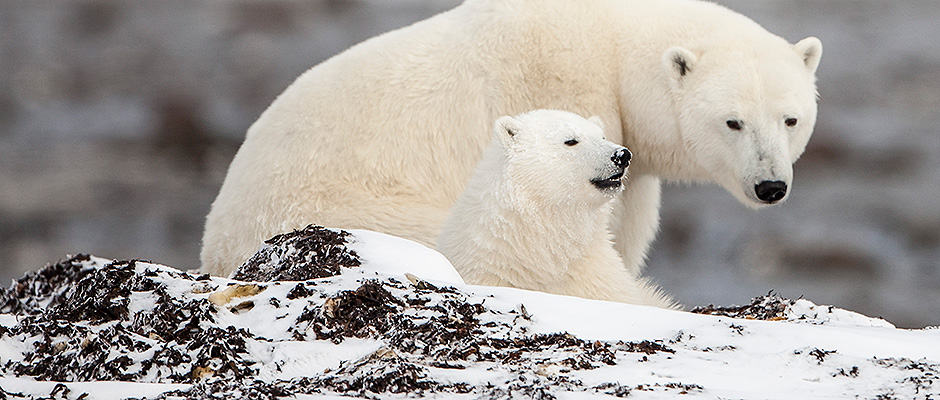
Polar Bear Hudson Bay

The Wildlife Society is designated as a 501(c)3 non-profit association by the IRS (EIN: 52-0788946). Your donation supports The Wildlife Society’s efforts to sustain healthy wildlife populations and habitats for generations to come.


The 1000The 1000

Join a prestigious group of TWS members who are inspiring other members into action, leading by example and who are committed to ensuring that TWS will be universally recognized as THE leader in wildlife science, management and conservation.

LEARN MORE about The 1000.


General Donations

DONATE ONLINE to support TWS programs that keep wildlife thriving through research, education, diversity and networking.

Or mail your check to:
The Wildlife Society
25 Century Blvd, Suite 505
Nashville, TN 37214


Bequests and Estate Planning

Want to further ensure that your legacy reflects your commitment to wildlife science and management for the benefit of future generations? Then consider providing a gift to The Wildlife Society through your estate.
LEARN MORE about providing a gift through your estate.