LWCF, horse amendments to energy bill pass Senate

After months of delay, the Energy Policy Modernization Act (S. 2012) was passed by the Senate in a decisive 85-12 vote.

The bill was introduced in by Chairwoman Lisa Murkowski (R-AK) in September 2015, but was tabled while Congress discussed legislation pertaining to the water crisis in Flint, Michigan. While this bill is primarily focused on energy infrastructure, it contained several components related to wildlife conservation.

The bill included an expansive natural resource [package] that was overwhelmingly supported in a 97-0 vote. The package included text that would expand recreational hunting and angling opportunities on public lands, and would reauthorize the North American Wetlands Conservation Act.

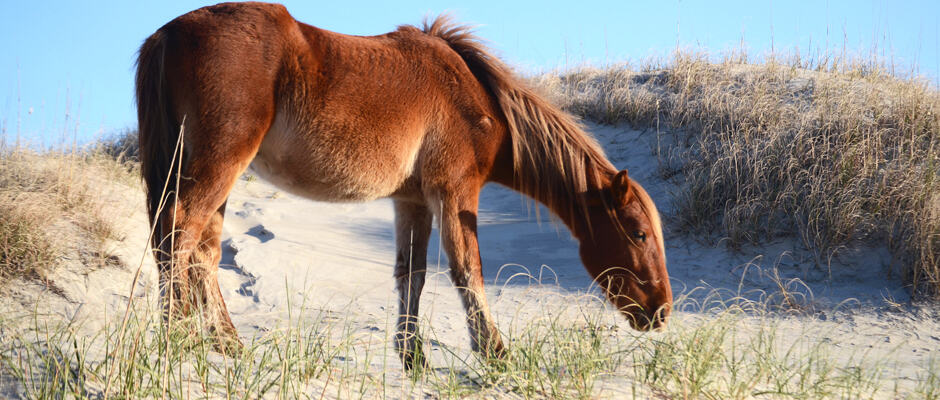
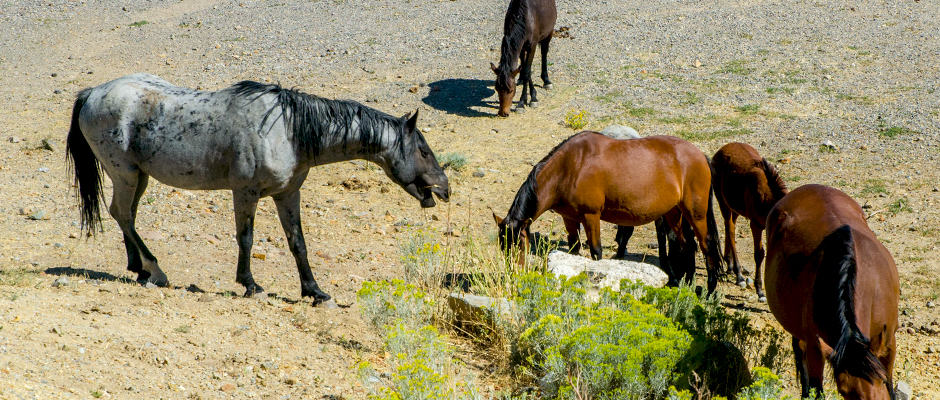
In addition to the natural resource package, the energy bill contains a modified version of Senator Burr’s (R-NC) amendment (Burr #3175) on managing the Corolla wild horse population on the Currituck National Wildlife Refuge in North Carolina.

The original amendment would have legislatively mandated that the U.S. Fish and Wildlife Service manage for nonnative wild horses on a wildlife refuge, which goes against the purpose of the refuge system to protect native species.

The Wildlife Society lead a broad sign-on letter to the Senate urging members to oppose the original amendment in order to uphold the mission of the refuge system and ensure management decisions are based on science. The modified amendment addressed the concerns outlined in the letter and eliminated all language that would compromise the intent of the National Wildlife Refuge System.

S. 2012 also included permanent authorization of the Land and Water Conservation Fund (LWCF). As a part of the bipartisan deal, 40 percent of LWCF funds must go wildlife grants and conservation easements in addition to the funds that are required to go federal lands acquisition.

The companion energy bill in the House of Representatives (H.R. 8) passed in December 2015. In an interview with press, Senator Murkowski stated that she hopes that Congress will come to an agreement on the energy bills, and have a final bill complete in mid-July.

For more information about the legislative process, see TWS’ Policy Toolkit.

States to receive $95 million for land and water conservation

States will receive $95 million in fiscal year 2016 from the Land and Water Conservation Fund (LWCF), a federal program which supports land acquisition by local communities, states and federal agencies. The money, which comes from offshore oil and gas revenue, will support local conservation and recreation development projects.

LWCF, which is congressionally authorized for $900 million annually, has only received full funding once since it was established in 1965. In 2015, LWCF briefly expired, but was temporarily reauthorized until 2018. On Wednesday, April 20, the Senate voted to permanently reauthorize LWCF as part of the Energy Policy Modernization Act.

While the LWCF provision in the Senate’s energy bill represents a big step toward permanent reauthorization, it must still be approved by the House of Representatives before the president can sign it into law.

For more information on state allocations, see the Department of Interior’s press release.

Fed biologists demonstrate skills at TWS NE Conclave

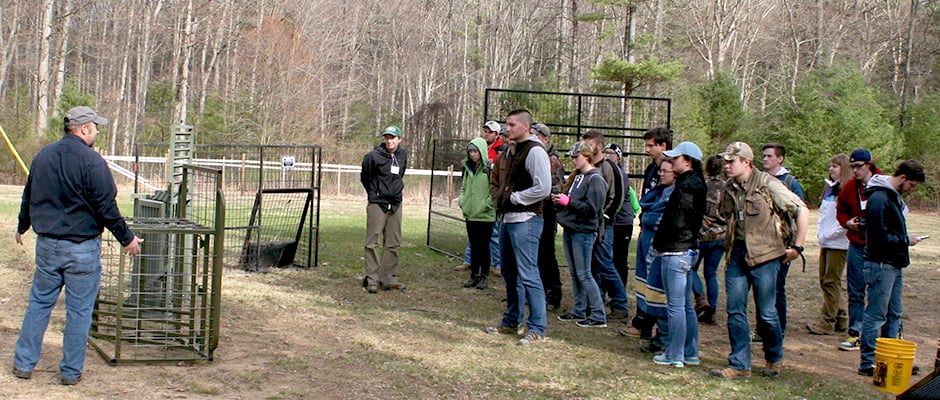
Biologists and specialists from USDA’s Wildlife Services staff in Pennsylvania enjoyed an opportunity to share their skills and expertise with TWS student members at the TWS Northeast Student Conclave, hosted by Juniata College’s Student Chapter of TWS earlier this month. On a cool April 2 all-day workshop, eight staff members lead three workshops on wildlife damage management methods including nonlethal management techniques, avian capture methods and feral swine management.

The conclave brought TWS student chapters together from universities across the region to interact with other students and professionals. It also offered a chance to learn about employment opportunities with government agencies by one-on-one interactions. Two of the Wildlife Services presenters are recent Juniata College graduates who learned about Wildlife Services during their studies.

Kyle Van Why, the Wildlife Services disease biologist in Pennsylvania, serves as the Juniata College professional liaison. He also occasionally works with students at check stations and predator hunts to help provide them with hands-on experience.

Van Why, CWB®, and wildlife specialists Ryan Ross and Shesh Jhala demonstrated feral swine trapping and snaring techniques, while discussing the need for feral swine management. Wildlife biologist Tony Roland, CWB®, led a workshop on the diversity of non-lethal management methods and their applicability with different species. Wildlife specialists Nokota Harpster and Jess Demyan augmented the talk with demonstrations on paintball gun use. Bobby Hromack, the Wildlife Services airport wildlife biologist at Pittsburgh International Airport, assisted by wildlife specialist Samantha DiLorenzo and Jess Demyan, demonstrated avian capture methods used frequently to capture and relocate raptors from the airport.

Many students mentioned they didn’t know a federal damage management program existed. Wildlife Services in Pennsylvania looks forward to offering similar sessions for students in natural resource programs at other universities in the future.

Wildlife Services is a Strategic Partner of TWS.

Ground light may shine too brightly for bird migration

Street lamps may be disrupting a migratory bird’s eye view, according to new research.

“Even simple lights in our backyard are changing the flights of birds overhead,” said Daniel Mennill, an associate professor at the University of Windsor and an author of the recent study published in The Condor: Ornithological Advances. “It means we have to change how we think about how we manage the natural world.”

Mennill said that researchers already know that lights on tall buildings and radio towers can lead to thousands of bird deaths every year. But since birds use stars to help them orient their migratory patterns, he thought ground level lights might be confusing their trajectories.

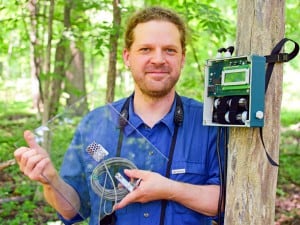
Dan Mennill, the study's senior author, holds a nocturnal flight call microphone used to survey avian biodiversity during migration. ©C. Sanders

Dan Mennill, the study’s senior author, holds a nocturnal flight call microphone used to survey avian biodiversity during migration. ©C. Sanders

Most birds migrate at night though, so researchers had to listen closely to what was occurring overhead.

They recorded the sounds migratory birds made when flying over Ontario’s Point Pelee National Park and the rest of the province’s Essex County near the U.S. border by Detroit. They chose 16 sites near lighted parking lots and other bright areas and 16 sites in the darkness, recording from sunset to sunrise. Each pair of sites sat around 10 kilometers apart.

“We found a strong effect,” Mennill said. “We found 300 percent more birds detected over the lit sites compared to the dark sites.” The researchers tracked around 15 species and species groups including warblers, thrushes and sparrows. They found there were also around 40 percent more species flying over lighted areas than the dark ones, and that there were no major differences in the preferences of the species.

“Those numbers offer quite compelling evidence that ground level street lights influence the behavior of birds migrating overhead.”

He said that researchers still haven’t determined why the birds prefer to fly over the lights. It could be that they are changing the paths of their migrations. “These ground level sites may short circuit the navigation systems in their brains,” Mennill said.

But it could also mean that birds over brighter areas are easier to detect as they swoop down lower in altitude.

No matter what the reason, Mennill worries that the lights could be an additional stress on birds already suffering from problems related to climate change, habitat loss and depredation by introduced species such as cats.

“That probably makes this already more demanding for the birds,” he said.

Chronic wasting disease detected in Europe for first time

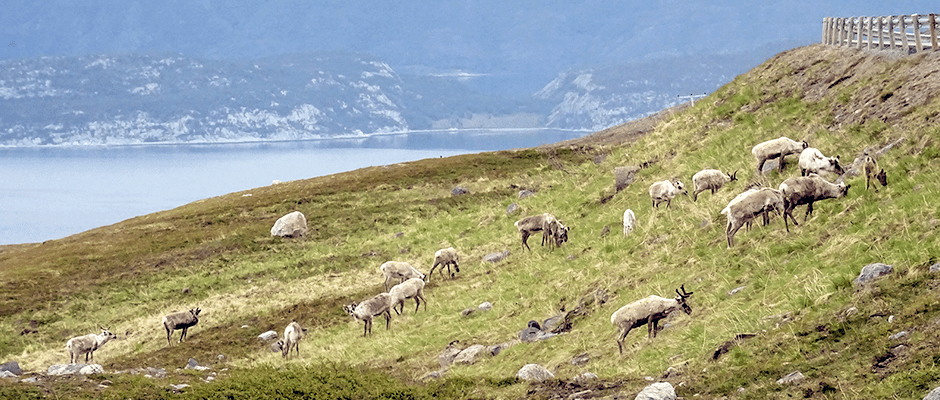
A reindeer in Norway has been diagnosed with chronic wasting disease, a deadly disease that targets cervids, earlier this month.

This is the first time the disease, which was first detected in the United States in the 1960s, has reached Europe and is also the first-ever detection of the disease in a free-ranging reindeer (Rangifer tarandus). The reindeer was from the Nordfjella population in South Norway.

Wildlife biologists don’t know yet how the disease got to Norway. “That’s the million dollar question,” said Matthew Dunfee, the project coordinator of the Chronic Wasting Disease Alliance. “We hope to answer it in the next coming months.”

Dunfee said wildlife biologists became more aware of the disease’s prevalence in the U.S. in the early 2000s, but they still are unsure of how it started. Now that it has reached Norway and there’s no documented transmission route, they are trying to understand how it spread to the country.

There are two possibilities regarding how this happened, according to Dunfee. One option is that an animal was illegally and surreptitiously moved from an area in the U.S. where CWD is prevalent to Norway. Another possibility is that the disease, which takes the form of mad cow disease in cows or scrapie in bovines, which has been detected in Europe, could have jumped the species barrier into the reindeer. However, Dunfee was hesitant to suggest that was the case because previous research has shown this is a difficult barrier to cross.

In the meantime, Norway must take a few steps in order to prevent the disease from spreading, Dunfee said, especially because when the disease shows up in one animal, it’s likely to be in animals in the surrounding area as well. “The odds it will only be in one animal are very low,” he said.

First, managers should shut down any transmission modes possible, Dunfee said. This means prohibiting the transfer of live cervids or cervid parts. Then, they will begin to sample other animals in the area to determine the prevalence of the disease. Based on these findings, the biologists will make management recommendations. “Because there’s no known management technique to eradicate CWD, the name of the game is not to eradicated CWD, it is to manage it,” he said.

Wildlife biologists and managers in the U.S. continue to try to manage the disease as well. While Wyoming is known as the “great control” because it chose not to take management steps for CWD, other states such as Wisconsin have implemented significant management steps and, according to Dunfee, have lower prevalence rates.

Meanwhile, Arkansas reported its first case of CWD in an elk in Newton County this past February. Wildlife managers sampled elk and deer in and around the area and found 82 animals tested positive for the disease. Management decisions will be made in Arkansas within the next year. “That’s what Europe now has to deal with,” Dunfee said. “The first step is to figure out how much the disease spread in local herds. Then they can start to take adequate measures.”

Ecosystem restoration boosts local, regional economies

Critical habitat restoration programs are doing more than just helping wildlife – they’re boosting economies.

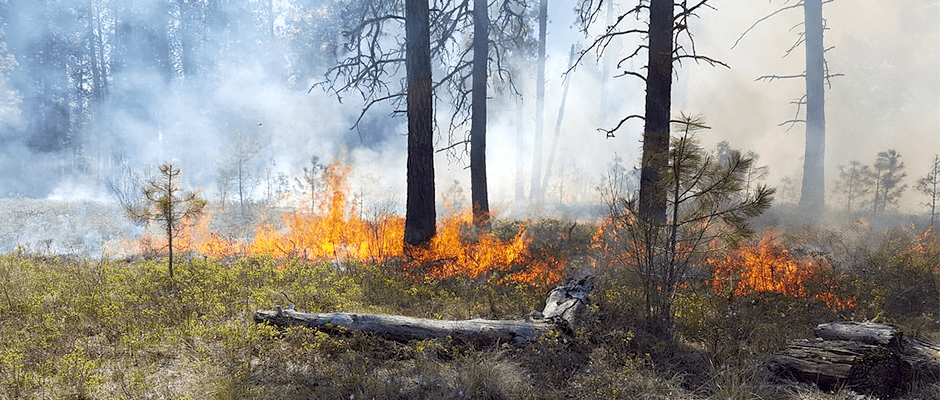
According to a recent study by the U.S. Geological Survey, ecological restoration programs, like sagebrush and post-wildfire recovery projects, are creating jobs and stimulating local businesses.

In the study, USGS economists reviewed 21 Department of the Interior restoration projects, and focused on the number of jobs created and local business activity generated during the duration of the project to quantify their economic impact.

The study found that on average, ecosystem restoration projects create between 13 and 32 part- and full-time jobs over their duration and contribute between $2.2 and $3.4 million to the economy for every $1 million spent on implementation.

The report states that this information can be used to inform public stakeholders of the socioeconomic value of ecological restoration projects, rather than just the importance of their implementation for natural resources.

Case Study: Burley Landscape Sage-Grouse Habitat Restoration 

Between 2008 and 2014, the Bureau of Land Management removed juniper trees, and planted perennial grasses and shrubs in Burley, Idaho to restore sage-grouse habitat and mitigate fire risk. The BLM worked with members of Idaho Department of Fish and Game to assist in project completion.

During the six-year project, 18 percent of all restoration costs were spent locally, and over $300,000 was produced in local labor income.

Case Study: Post-Wildfire Restoration in Southeast Oregon

In 2012, a wildfire burned over 558,000 acres of land in southeast Oregon, causing the invasion of early-successional noxious weeds. The BLM Vale District created a rehabilitation plan, which included the seeding of native and perennial gasses, as well as the treatment and monitoring of invasives.

The year-long restoration project contributed over $13 million to the western states’ economy, and yielded $5.3 million in labor income.

For a complete summary of all 21 case studies, see USGS’ website.

Three must-see panel discussions

Three panel discussions will be featured among the more than 500 educational opportunities at The Wildlife Society 23rd Annual Conference in Raleigh, North Carolina, this October.

We recently revealed the slate of workshops that will be available, but if you missed those articles you can view the complete list at our conference website.

Over the next two weeks, we’ll be unveiling our full lineup of symposia opportunities available to you as a conference attendee. Our education and training program will continue the theme of our jointly-hosted workshop at the recent North American Wildlife and Natural Resources Conference—reconnecting wildlife science and management—while spotlighting how effective partnerships are making a big impact on wildlife management and conservation.

Registration opens on May 15, but you can check out this year’s registration options and hotel information at our conference website.

Panel Discussions

Interactions of Human-Caused Mortality, Genetic Introgression, and Management among Wild Red Wolves in NC

Organizers: Krishna Pacifici, North Carolina State University, Raleigh, NC; Scott Mills, North Carolina State University, Raleigh, NC; Roland Kays, North Carolina Museum of Natural Sciences and North Carolina State University, Raleigh, NC

Supported by: Urban Wildlife Working Group

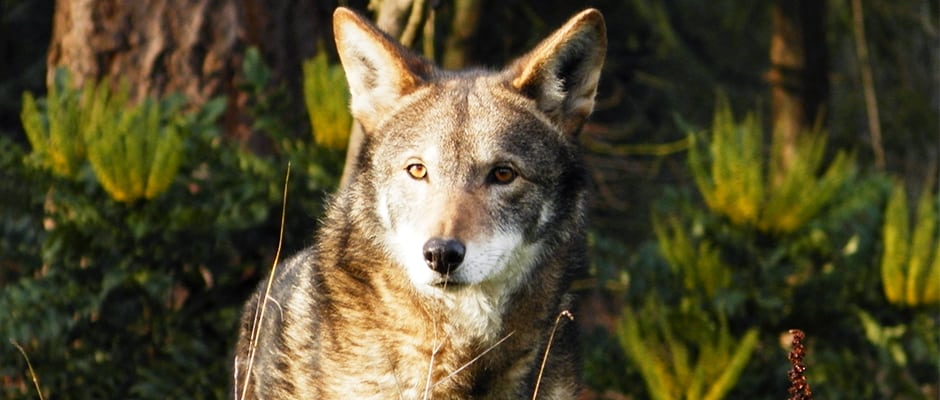
After being nearly driven to extinction by the combination of human persecution, human-caused habitat change, and subsequent hybridization with coyotes, red wolves (Canis rufus) were rescued from extinction by the establishment of a captive breeding program in 1973. In 1987, red wolves were first released into a coyote-free (Canis latrans) area in northeastern North Carolina. But by the early 1990s coyotes began colonizing the area, and pairings between red wolves and coyotes were first detected in 1993. In 2000, a program to contain hybridization and introgression by sterilizing coyotes and removing hybrids began. Genetic assignment tests were used to determine which canids were red wolves, hybrids and coyotes. But despite these management efforts, the number of red wolves in the reintroduced population has remained around 100. Given these additional sources of uncertainty surrounding hybridization and the potential increase in introgression along with the existing challenges for survival of red wolves as individuals and a species, the success of the recovery program remains unclear. This expert panel will investigate, address and discuss two primary interrelated questions at the source of the uncertainty: (a) how does human-caused mortality affect reproductive barriers among red wolves and coyotes; and (b) at what biological point should genetic introgression prompt the delisting of red wolves? The panel will also consider broader implications of widespread hybridization for management of wildlife under the Endangered Species Act.

Handling Microaggressions in the Workplace

Organizers: Misty L. Sumner, Texas Parks and Wildlife, Van Horn, TX; Jessica A. Homyack, Weyerhaeuser, Vanceboro, NC 

Supported by: Native Peoples Wildlife Management Working Group; Ethnic and Gender Diversity Working Group

This session will feature an interactive and focused discussion on handling microaggressions in the workplace that will improve workplace climate and feelings of inclusiveness. The panel will include wildlife professionals across career stages and backgrounds and a local scholar of gender studies to provide insight and knowledge into microaggressions and implicit bias. 

Climate Change and Cross-Seasonal Research Priorities for Migratory Birds

Organizers: Brad Griffith, U.S. Geological Survey (USGS), Alaska Cooperative Fish and Wildlife Research Unit, University of Alaska Fairbanks, Fairbanks, AK; Jennifer K. Roach, Institute of Arctic Biology, University of Alaska Fairbanks, Fairbanks, AK; Madeleine A. Rubenstein, USGS National Climate Change & Wildlife Science Center, Reston, VA

Supported by: USGS Alaska Climate Science Center, USGS Alaska Cooperative Fish and Wildlife Research Unit

The effects of climate change and other factors on waterfowl demography variy among seasonal ranges, and population trends result from cumulative effects throughout their annual ranges. It is unlikely that the direction or strength of climate and other effects are consistent among ranges. As a result, it is extremely difficult to unravel the most important effects on population size when potentially contrasting positive and negative influences of climate occur within a year at widely separated locations. A large-scale research framework is needed to deal with this complexity and increase the relevance, efficiency and effectiveness of management-related research. To develop a focused and integrated multi-regional and national research program, this panel of state, federal and NGO managers and researchers seeks to prioritize climate change information needs and enhance communication between researchers and managers from distant seasonal ranges. The panel will present results from 1) a questionnaire survey of state, federal and NGO managers and researchers that ranked research topics based on the direction and magnitude of expected climate effects on waterfowl demography and, thus, population sizes, and 2) four workshops that identified management-relevant knowledge gaps regarding climate effects on all migratory birds. These presentations will promote a broader discussion about 1) ways to enhance cross-seasonal communication, 2) ways to incorporate information about climate effects into ongoing efforts to develop annual life cycle models, and 3) the commonalities and differences between results from the waterfowl survey-based (specific) and all migratory bird-based (general) approaches and the situations when each approach may be most appropriate.

TWS, Coalition testimonies encourage feral horse removals

Bringing science to the table, The Wildlife Society provided testimony on the need for improved management of wild horses and burros on public lands at the National Wild Horse and Burro Advisory Board meeting in Portland, Oregon.

The advisory board, composed of representatives from diverse, nongovernmental interest groups, meets regularly to discuss wild horse and burro management issues and to advise the Bureau of Land Management and U.S. Forest Service on their management of the feral animals.

Keith Norris, AWB®, Director of Government Affairs & Partnerships at TWS headquarters, provided in-person testimony on behalf of TWS and the National Horse & Burro Rangeland Management Coalition, which TWS currently chairs.

Both testimonies highlighted the need for increased and immediate horse and burro removals from the range in order to achieve appropriate management levels and retain healthy ecosystems, asserting that “without an increase in the rate of removal…populations of wild horses and burros will continue to expand and our nation will witness growing degradation to its rangeland ecosystem.”

The Oregon Chapter of TWS also testified, encouraging removal of on-range horses and burros by prioritizing reduction of populations to established appropriate management levels, particularly in greater sage-grouse habitat areas. Emphasizing science-based decision-making, the Oregon Chapter highlighted the current challenges created for sage-grouse and sage-brush conservation by horse and burro populations exceeding appropriation management levels, and the credibility issues which that creates for wildlife managers in the eyes of the public. Generally, science provides credibility for wildlife managers and common ground between varying interest groups during collaborative conservation efforts like the broad-scale conservation of greater sage-grouse.

However, as John Goodell, vice president-elect of the Oregon Chapter points out, “Biologists and resource managers [in our region] are in a tough situation because their work is science-based, and they come from a science background, and the horse issue is the opposite of that… It affects their credibility with various stakeholders when they have to implement a policy on horses and burros that really doesn’t have the science behind it.”

In its Final Position Statement on Feral Horses and Burros in North America, TWS recognizes the effects that excess horses and burros have on rangelands – including overgrazing, competition with native animals, and increased erosion – and encourages the removal of animals from the range. TWS remains engaged in policy actions to ensure that wildlife professionals have the tools to practice ecologically-sound management.

Field note: A cheaper way to collect moths

Assistant professor at Michigan State University Peter White ordered moth traps for his undergraduate students working on a research project, but there was a delay in shipping.

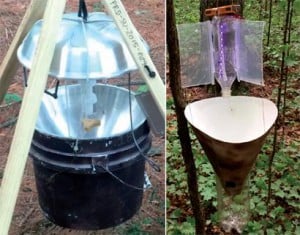
So, instead of waiting for the traps to arrive, White decided to figure out a way to make the traps himself. With his students’ help, White constructed a moth trap using LED light strips, rechargeable nine-volt batteries, a milk jug, a soda bottle, poster board tape, glue, Velcro and twine.

Commercially made twelve-volt mercury vapor black light traps such as the one on the left are heavy and cost between $200 and $500 dollars apiece. The LED light trap on the right is lighter and costs just under $30.  ©Entomological Society of America

Commercially made 12-volt mercury vapor black light traps such as the one on the left are heavy and cost between $200 and $500 apiece. The LED light trap on the right is lighter and costs just under $30. ©Entomological Society of America

Mirroring the design of the commercially available mercury vapor black light traps — or MVTs — White, lead author of a recent study published in the Journal of Insect Science, used LED lights that attract the insects, which then fall into a funnel that leads to a collection bucket at the bottom. MVTs require car or motorcycle batteries to power them, White said, adding that these batteries are heavy and expensive. “The motorcycle battery lasts a few nights which is fine unless you’re going to remote areas,” he said. However, the LEDs could be powered by smaller rechargeable batteries.

When the commercially available vapor bulbs arrived, White’s students then tested out how they performed compared to the ones White and his students constructed. The team picked a woodlot at Michigan State University and set up both light traps at either end of the woodlot. They then collected data on the moths for 12 nights from June to July and kept track of the abundance and species richness of moths caught by each device.

They found that the cheaper, self-constructed light trap collected about 80 to 85 percent of the diversity as the commercially available trap and was 50 to 60 percent as effective in abundance. While the LED trap was not as effective as the MVT trap, the LED trap is only about one-eighth the cost. It’s just under $30 apiece and the commercially available ones are $200 or more, according to White.

White added that if researchers need 10 or 15 traps, they can use the LED design and complete this part of the project spending only $300 compared with $2,000 to $3,000 for the commercially available ones.

White said for people looking to collect moths without breaking the bank or for researchers on a limited budget, this device is a good alternative for surveying the types of moths in the area. He’s also working to introduce the light traps to the grade-school classroom. “We’re working on a project with sixth grade science students and getting [the traps] into their hands,” he said. They will collect moths for their science classes and study where moth populations live.

TWS member earns conservation award

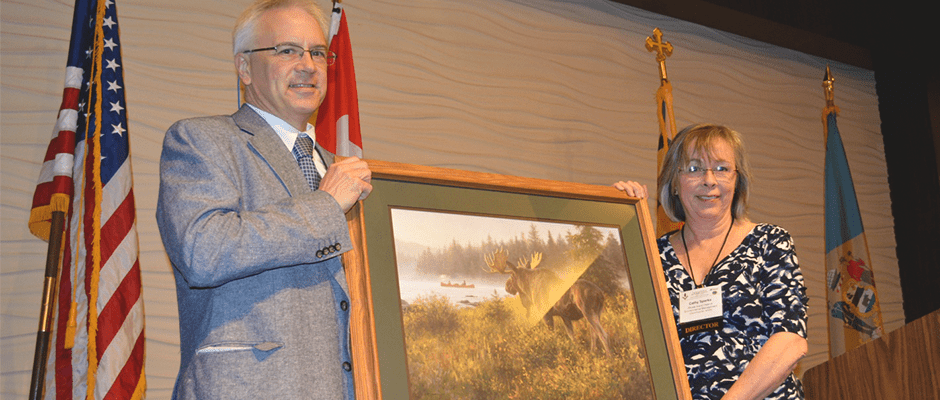
Thomas Decker, a member of The Wildlife Society, chair of The Wildlife Professional’s editorial advisory board, and former TWS Northeast Section representative recently received the Robert McDowell Award for Conservation Management Excellence.

The award, established by the directors of the Northeast Association of Fish and Wildlife Agencies (NEAFWA), honors professionals who have contributed to wildlife conservation in the northeastern U.S. and Canadian provinces.

“When NEAFWA conceived the Robert McDowell Award for Conservation Management Excellence, the 2016 recipient of this award is exactly what we had in mind,” said NEAFWA President Catherin Sparks in a press release. “That is, this award is to go to someone who personifies conservation management excellence, and who has made enduring contributions to the integrity of modern fish and wildlife management. For this reason, it is all together fitting that the 2016 Robert McDowell Award for Conservation Management Excellence be awarded to Thomas A. Decker.”

Decker, a wildlife biologist with the U.S. Fish and Wildlife Service in Hadley, Massachusetts, has worked in the wildlife profession for 30 years, including work in both federal and state agencies. Some of his past work includes helping lead a national effort to protect the integrity of furbearer management in the presence of international threats in the 1990s. At a recent workshop, Decker helped teach state and federal biologists about best management practices and the importance of sound furbearer management.

In his current position at the Northeast Regional Office of USFWS, Decker guides state and wildlife agencies in grant development for projects funded under the Pittman-Robertson Wildlife Restoration Program.