
- News
-
-
-
-
-
Latest News Articles
- WSB: Study tests accuracy of thermal drone surveys April 26, 2024
- Computer model explores Tribal use of fire for ecosystem health April 26, 2024
- 2024 TWS Elections: Southwest Representative April 25, 2024
-
-
-
- Wildlife Professional Resources
-
- Our Network
-
- PUBLICATIONS
-
-
Recent Posts
-
 The Wildlife Professional November/December Issue
November 1, 2023
The Wildlife Professional November/December Issue
November 1, 2023
-
-
-
-
-
-
- Wildlife Events
-
-
-
Upcoming Webinars
- No Events
-
-
-
- Who We Are
-
- PUBLICATIONS
-
-
Recent Posts
-
The Wildlife Professional November/December Issue
November 1, 2023
-
-
-
- Wildlife Events
-

Category: TWS Wildlife News

March 14, 2017
Restoring predator and prey at the same time is best
The elk or wolf – which comes first in population management? For optimal results, according to a recent study, the answer is actually both predator and prey together. “By managing...
March 13, 2017
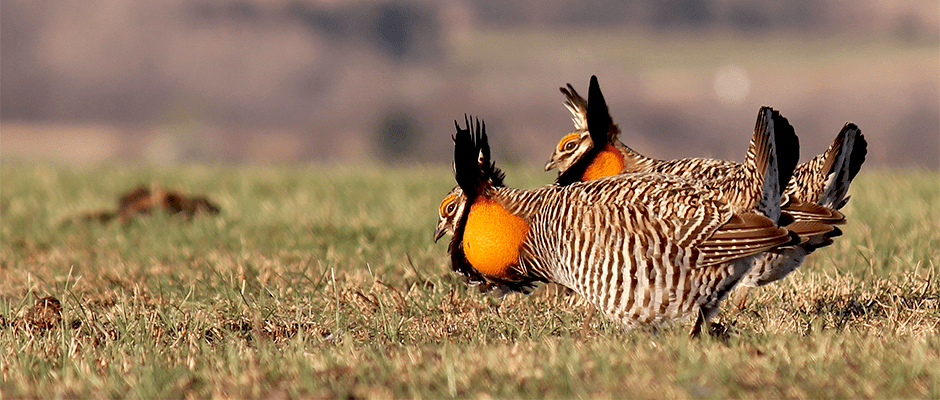
Illinois prairie chickens could disappear without more sustained management
After agricultural and urban expansion fragmented the habitat of the greater prairie chicken (Tympanuchus cupido pinnatus) in Illinois and pushed it to the brink of disappearing from the state, translocations...
March 9, 2017
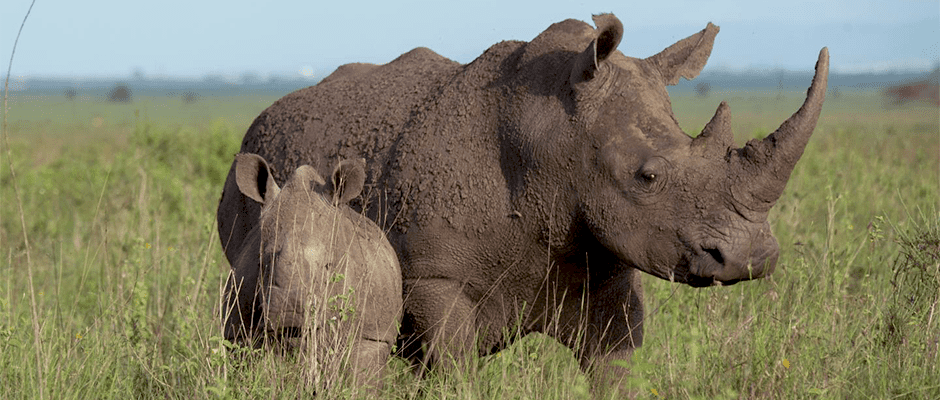
Imperiled species already impacted by climate change
Almost half of the mammals and a quarter of the birds on the IUCN Red List of Threatened Species are already being negatively impacted by climate change, according to new...

March 9, 2017
Zinke issues first orders as Secretary of the Interior
In Ryan Zinke’s first week as Secretary of the Interior, he addressed his staff to discuss his plans for the department and issued his first secretarial orders. Zinke’s priorities for...
March 7, 2017
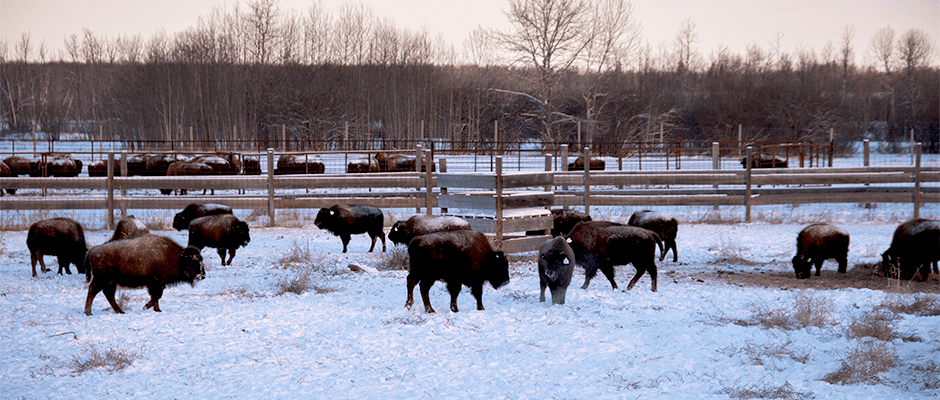
Bison reintroduced to Canada’s oldest national park
In the first week of February, 16 plains bison set foot in Banff National Park for the first time in more than a century. Employees with Parks Canada loaded the...
March 6, 2017
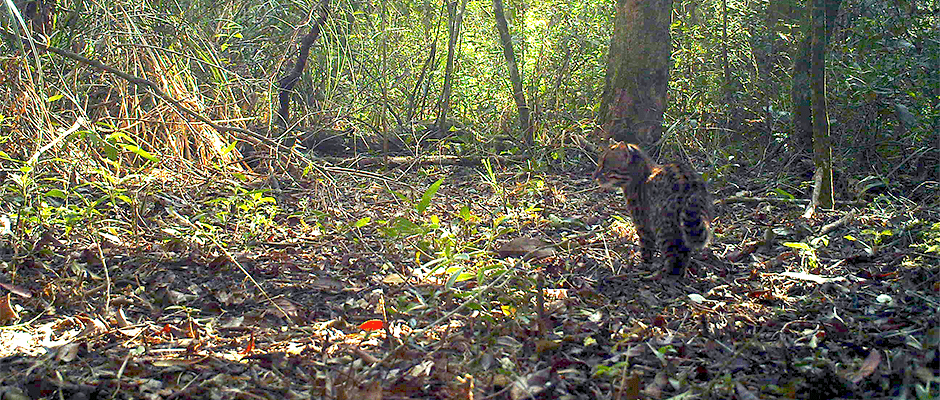
Neotropical spotted cats coexist near reserves
Only 2 percent of Brazil’s Atlantic Forest lies under government protection, but some species of spotted cats appear to prefer those more protected areas, recent research suggests, and they co-exist...
March 6, 2017
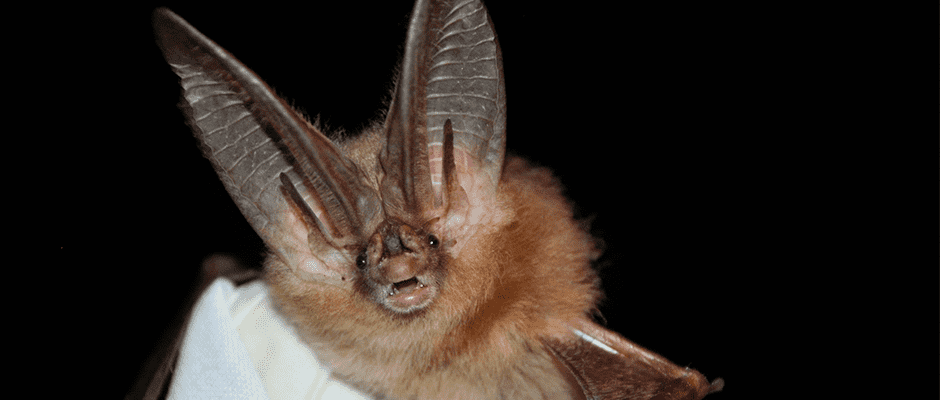
Bat survey conducted to protect species
Note: The Logan Cave is closed to the public in order to protect the bats. The Uinta-Wasatch-Cache National Forest and Utah Division of Wildlife Resources are conducting an annual survey...
March 3, 2017
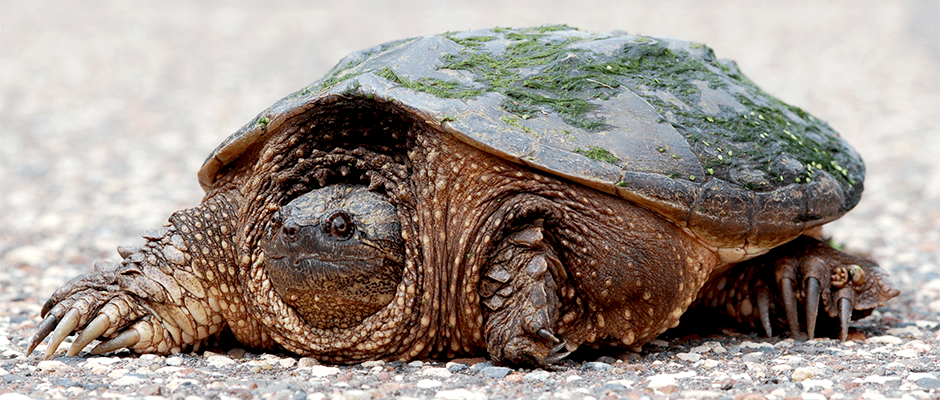
Ontarians debate snapping turtle hunting
In the growing debate over snapping turtle hunting in Ontario, a number of wildlife biologists and conservation groups are calling for an end to the practice. Snapping turtles (Chelydra serpetina)...
March 2, 2017
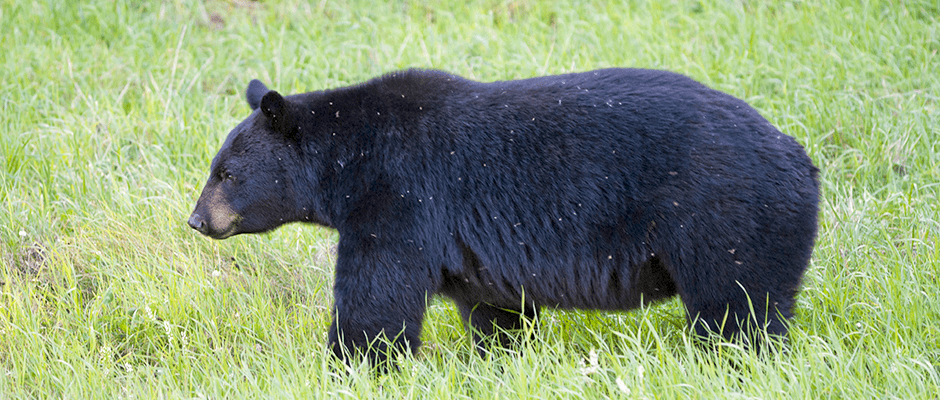
How to deter black bears? Educate people
If people are more educated about ways to deter black bears from their neighborhoods, they will have fewer problem bears, according to new research. As part of a study published...
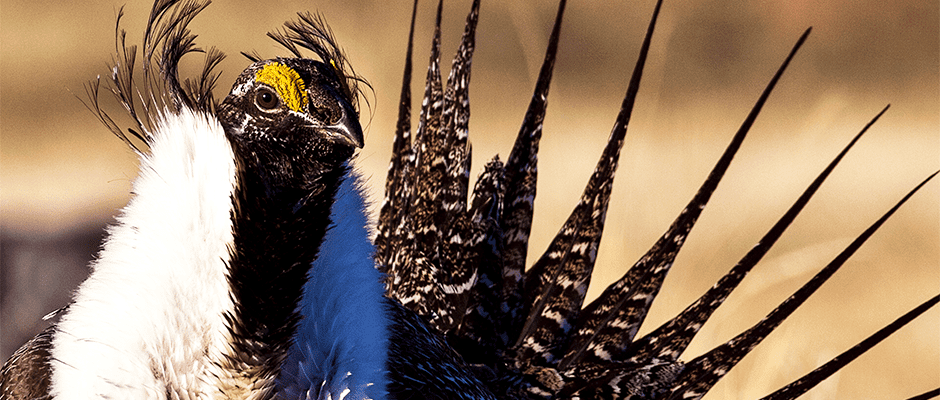
February 27, 2017
Amendment may increase sage-grouse egg collection limit in WY
Wyoming state congressmen introduced House Bill No. 271, Game Bird Farms – Greater Sage-grouse, to the state House of Representatives on Jan. 27. In addition to modifying game bird farm...