
Members of The Wildlife Society have voted for Mike Conner as the new vice president after the 2025 election results have been tallied.
Jason Riddle was elected as the North Central Representative, while Chad Bishop was elected as the Northwest Representative. Jim Sedinger was elected as the Western Representative.
The Wildlife Society would like to congratulate all candidates who ran for a position this election cycle, including Tim M. Green, Tyler M. Harms, Barbara Hill and Kenneth E Mayer.
Read more about our incoming VP and Council members below.
Mike Conner
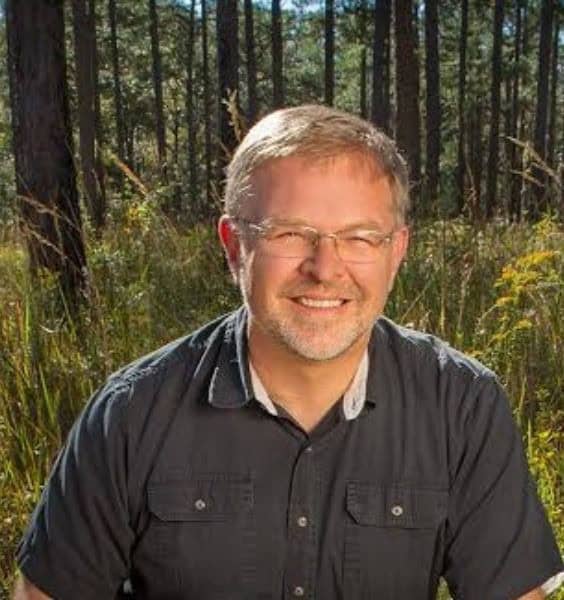
My introduction to The Wildlife Society occurred when I was a senior at the University of Tennessee at Martin. Now, nearly three decades later, I remain actively involved, having benefited both professionally and personally from my engagement with TWS. My long-term involvement, including service as a Representative to Council, has prepared me for the role of Vice President, and I have two primary reasons for running. First, I look forward to working collaboratively with Council and TWS membership as we navigate the obstacles and opportunities that are sure to arise over the next few years. I strive to understand the perspectives of others, and I believe this trait and my prior experiences on Council will be an asset in this role. Second, I am keenly interested in working with Council and staff to improve membership recruitment and retention. Strengthening TWS in this area will have a long-lasting impact.
We currently have approximately 11,000 members, a number that has remained relatively flat in recent years. During my tenure on TWS Council, I found that about half of chapter members were not members of TWS. Conversations with attendees at chapter meetings revealed two common reasons for this gap. Some were unaware of the distinction between TWS and TWS chapters, assuming that being a member of a state or student chapter meant they were also members of TWS. This issue can be addressed through regular and purposeful communication at chapter meetings to clarify TWS structure. Others did not perceive the benefits of membership to justify the cost. I want to better understand this perspective so TWS can enhance its value and relevance at all levels of the organization.
I would like to explore strategies to showcase the value of TWS membership to the non-member wildlife professionals within TWS chapters. Specifically, I will encourage communication between TWS and its chapters to identify how TWS can better support activities that foster interactions among wildlife professionals from multiple yet geographically similar chapters, such as adjoining state chapters or within a TWS section. This approach would broaden individual member networks while increasing the relevance and value of TWS at more local scales.
My vision for TWS is directly related to my motivations for running for Vice President. I want TWS to be considered an essential professional resource for all wildlife professionals. A recent survey of TWS members (Urbanek et al. 2018, WSB 42:4-12) suggested that members are less active in TWS and consider TWS less important to their careers than reflected in the 1991 survey. This concerns me. Wildlife professionals enter the field with core professional values that guide their career paths. It is important to identify the common threads that unite all wildlife professionals and nurture them within TWS. I believe this effort would enhance TWS’s relevance for all wildlife professionals, regardless of their educational background or career stage.
Read Mike Connor’s complete biographical sketch here.
Jason Riddle
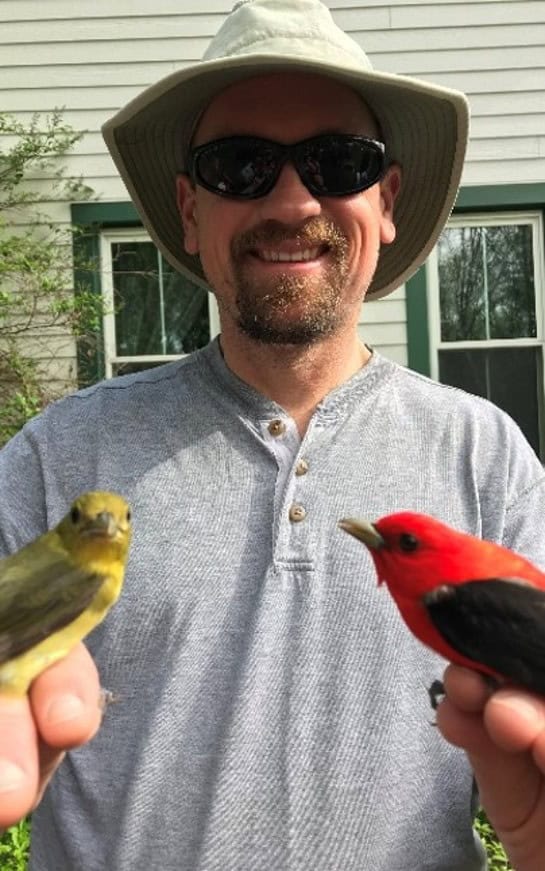
We moved to the North Central Section about 16 years ago. I am continually amazed at the work ethic, passion, and professionalism of Wildlifers in our Section. I’ve witnessed these qualities in our students as the Faculty Advisor to the Student Chapter at the University of Wisconsin – Stevens Point, in our members at the state-level as President of The Wisconsin Chapter, and across our entire Region as President and Section Representative of the North Central Section.
I’ve served on the North Central Section Executive Board for approximately 6 years (3 years in the executive succession of President-Elect, President, and Past President, and ~2.5 years as Section Representative). I believe we’ve been incredibly productive and effective as a Board. We’ve provided online services (such as webinars) to our members, allocated over 70 travel grants to professional meetings, piloted free student membership programs to students in our Section regardless of their membership status in other TWS units, and invested funds wisely. Since being elected as Section Representative, I’ve served on the following Council committees: Awards, Fellows, Diversity, Position Statements, and Policy. I’m now the Chair of the Policy Committee. I also was able to participate in the Strategic Planning Process. I LOVE THIS WORK! I believe our Section has made positive contributions to TWS as a whole and our Section is one of the most active in bringing action items and recommendations to Council. I would be honored to be able to serve you in a second term in this position.
Read Jason Riddle’s complete biographical sketch here.
Chad Bishop
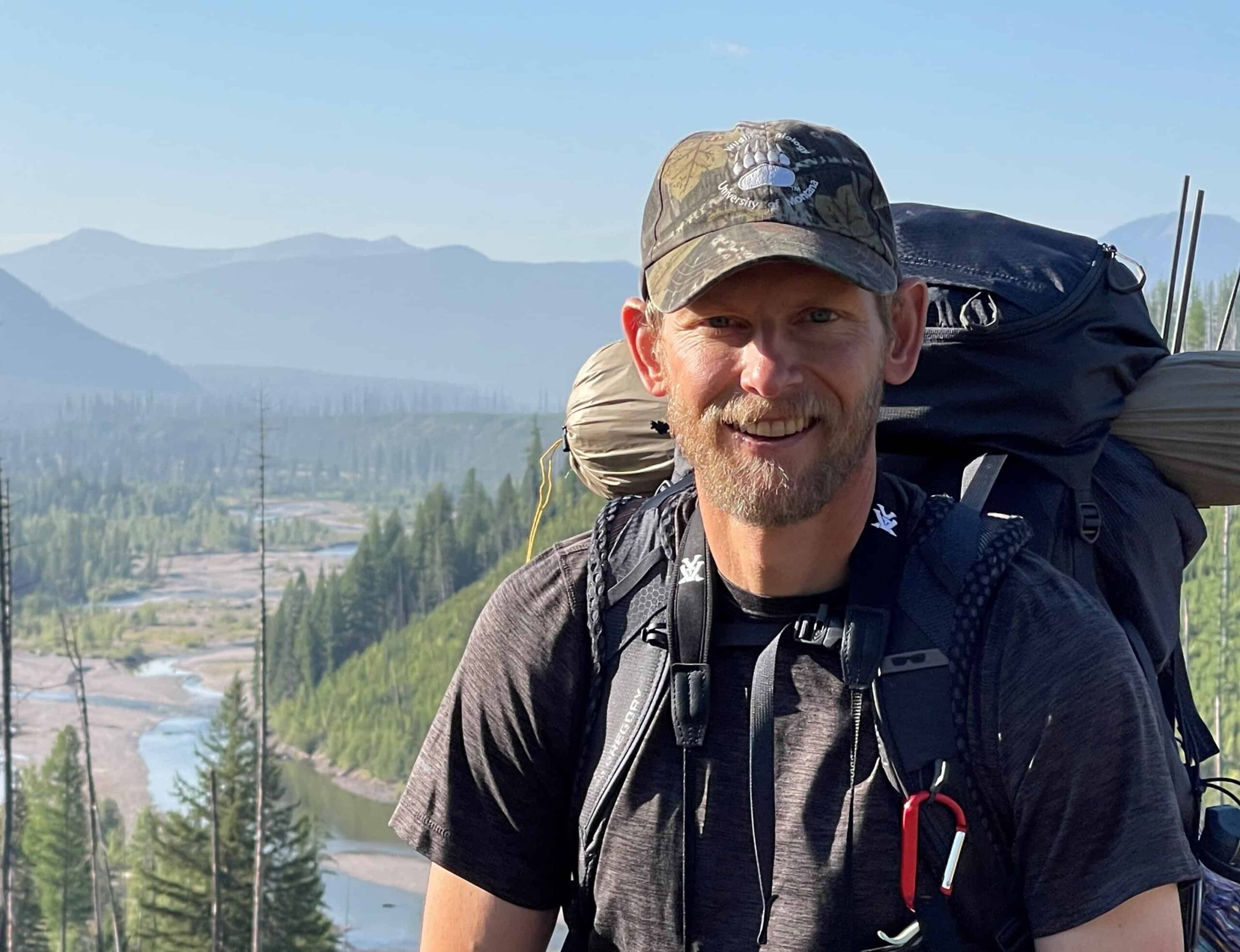
I am motivated to run for the Northwest Section Representative to TWS Council as a way to give back to the Society that has been instrumental in my professional development as a student and professional. I believe I am now in a position where I can effectively represent TWS members across the Northwest Section as a member on Council, having accumulated leadership experience through service on the Executive Boards of both Montana and Colorado Chapters of TWS and through service on various TWS committees over the past 25 years. I have also gained valuable insights from holding leadership positions at both a university (University of Montana) and state wildlife agency (Colorado Parks and Wildlife).
If elected, I would be committed to representing the voices of professionals and students across the Northwest Section on TWS Council. Additionally, I would make a point to work in concert with the NW Section Executive Board to help strengthen member involvement at the section level, which is challenging given the large, complex geography.
More broadly, I believe The Wildlife Society is as important now as ever given the threats to species conservation in North America, especially as science has become increasingly politicized. I believe wildlife conservation and management must continually be informed by strong science (both biological and social) and implemented through meaningful collaboration and partnership. I further believe TWS must continue to exercise leadership in concert with academia and employers to promote a more diverse workforce that is representative of the society we serve.
Read Chad Bishop’s complete biographical sketch here.
Jim Sedinger
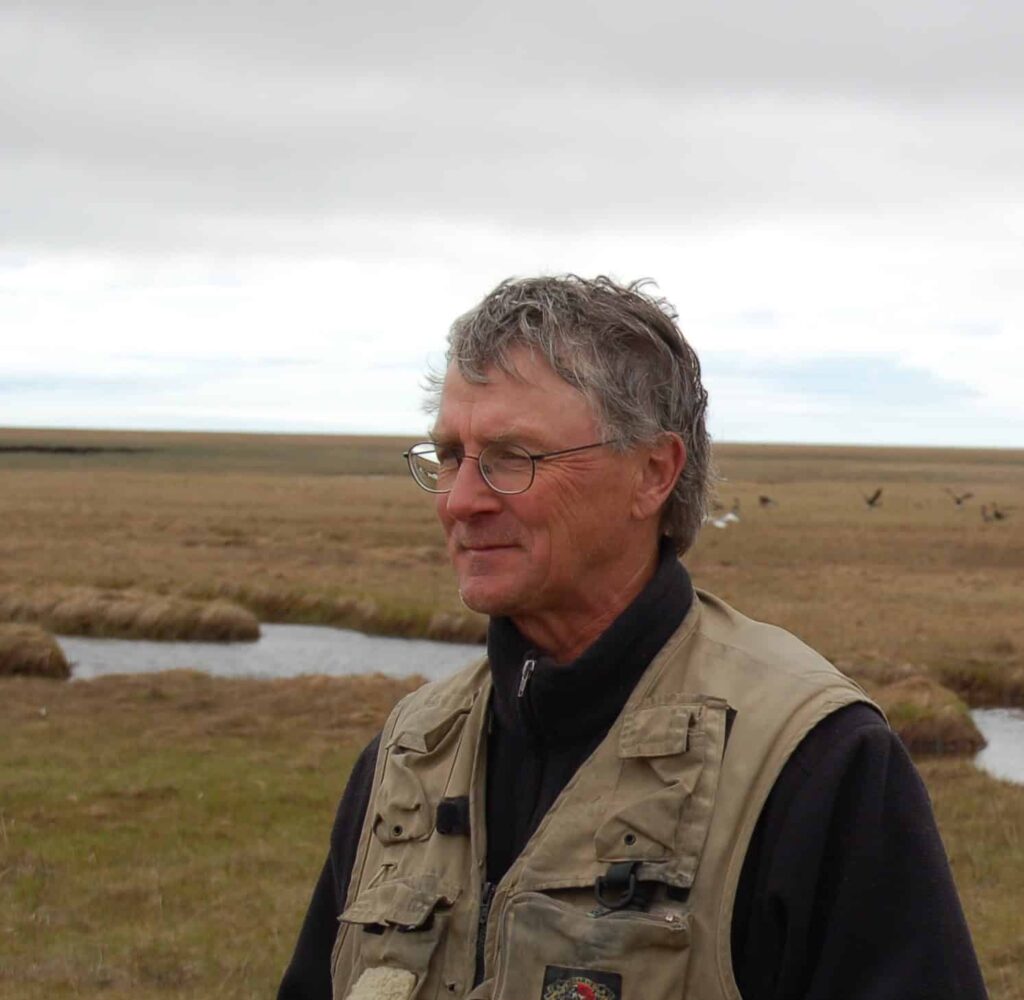
I believe science is fundamental to effective management but science is often not effectively communicated from scientists to managers, policy makers and the public. The Wildlife Society is the premier professional organization for both scientists and managers. As such TWS and its members are in a unique position to improve the flow of information, as recognized by recent articles in The Journal of Wildlife Management. Increasing human population and increasing demand for natural resources, however, are placing increasing stress on many wildlife populations. Additionally, increasing urbanization is reducing the experience of citizens with nature. These changes are placing additional pressure on the state and federal agencies responsible for conservation and management of wildlife and their habitats. These changes have immediate practical effects, such as reduced numbers of hunters and associated declining budgets for state and federal agencies responsible for management and conservation. But the declining exposure of the public to our wildlands also has less direct impacts. For example, a significant segment of the public has unrealistic expectations about the ability of public lands to support the exploding populations of free-roaming horses without negative impacts on native species. Our country is rapidly becoming increasingly diverse, yet the wildlife profession has not been particularly successful at increasing the diversity within its ranks. Improving diversity is critical to the success of our profession as we move forward. The Wildlife Society is in a unique position to address these challenges, which is essential to the effective conservation of our wildlife resources.
Read Jim Sedinger’s complete biographical sketch here.
Article by The Wildlife Society