- News
-
-
-
-
-
Latest News Articles
- LISTEN: ESA rule changes, explained December 12, 2025
- Changes to national park fee structure and attendance passes December 12, 2025
- Endangered species rules rollback to 2019 December 11, 2025
-
-
-
- Wildlife Professional Resources
-
- Our Network
-
- PUBLICATIONS
-
-
Recent Posts
-
 The Wildlife Professional November/December Issue
November 1, 2025
The Wildlife Professional November/December Issue
November 1, 2025
-
-
-
-
-
-
- Wildlife Events
-
-
-
Upcoming Webinars
- No Events
-
-
-
- Who We Are
-
- PUBLICATIONS
-
-
Recent Posts
-
The Wildlife Professional November/December Issue
November 1, 2025
-
-
-
- Wildlife Events
-

Month: September 2021
September 8, 2021
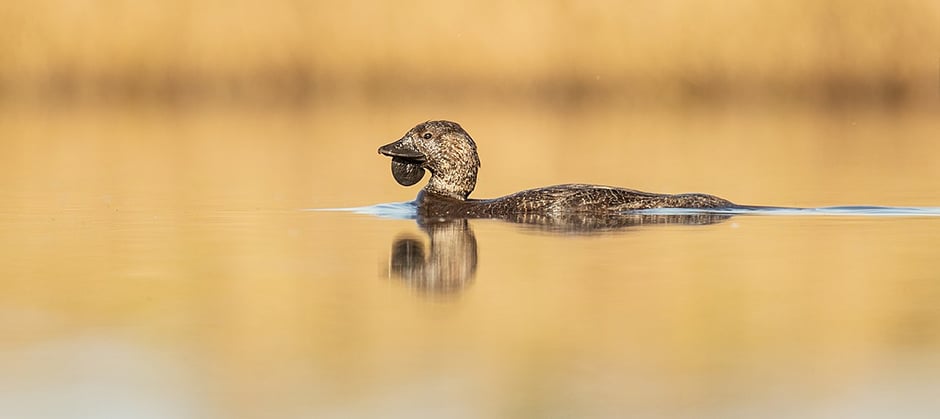
Australian duck mimics sounds—and slings insults
Not many animals are able to learn vocalizations. Parrots, hummingbirds and some songbirds can. So can whales, seals, bats and elephants. Ducks had never made that list, but researchers recently...
September 7, 2021
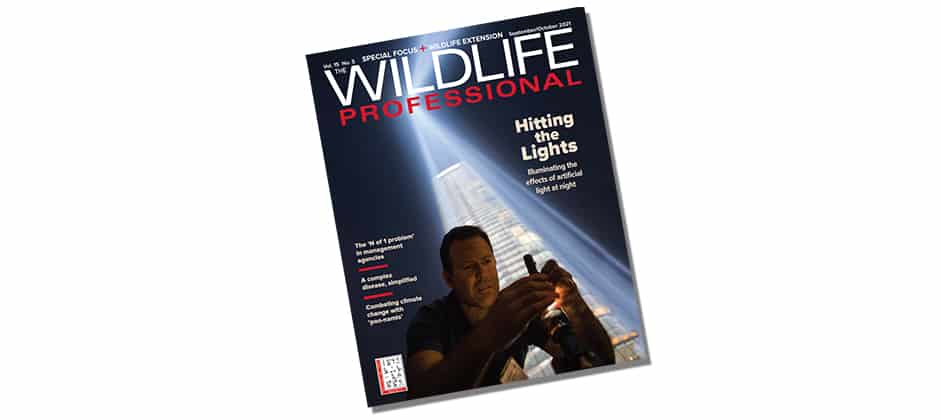
The September/October issue of The Wildlife Professional
The Wildlife Professional is an exclusive benefit of membership in The Wildlife Society. Published six times annually, the magazine presents timely research news and analysis of trends in the wildlife profession....
September 7, 2021
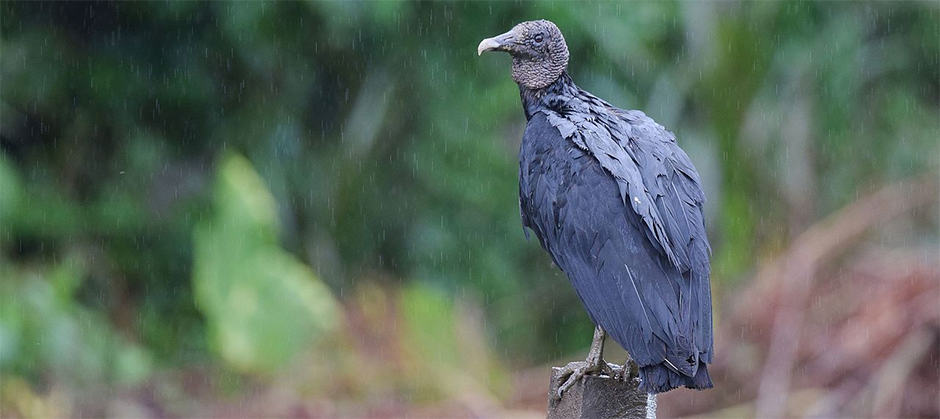
As black vultures expand their range, how harmful are they?
Reports of black vulture predation on young livestock in the Midwest have been on the rise as the birds expand their range. The situation has prompted a growing numbers of...
September 7, 2021
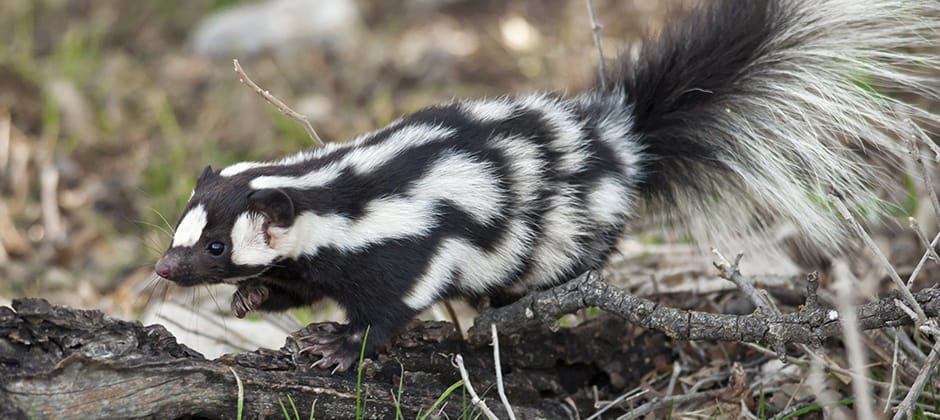
More spotted skunk species than originally thought
Genetic information has led researchers to determine that there are more unique species of spotted skunks than previously thought. Biologists haven’t completely agreed on the number of spotted skunks for...

September 7, 2021
JWM: For caribou, not all disturbance is the same
Researchers found that fire disturbance doesn’t negatively affect caribou in the same way as humans do, suggesting that Canadian recovery guidelines should change to reflect caribou’s tolerance of burned landscapes....
September 3, 2021
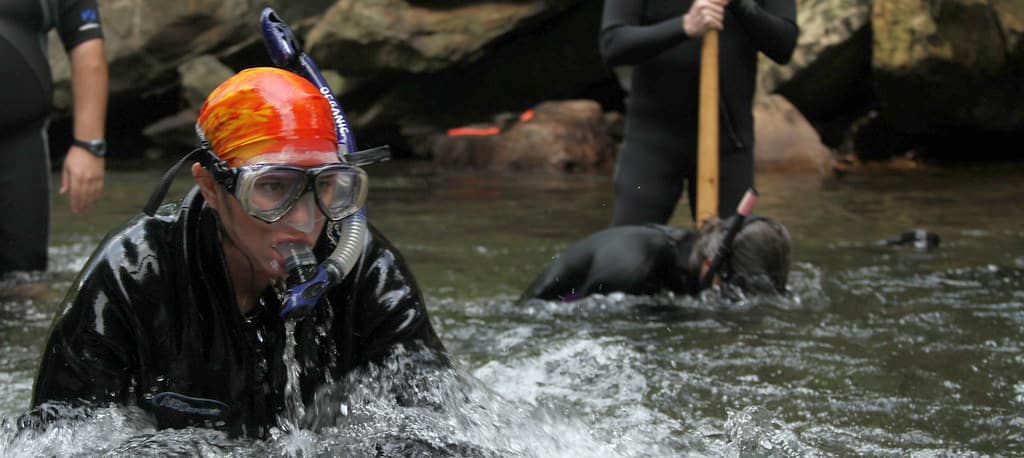
North Carolina names Lori Williams ‘Biologist of the Year’
Lori Williams, a TWS member and wildlife biologist in the Wildlife Diversity Program with the North Carolina Wildlife Resource Commission, recently earned the title of 2020 Biologist of the Year....
September 3, 2021
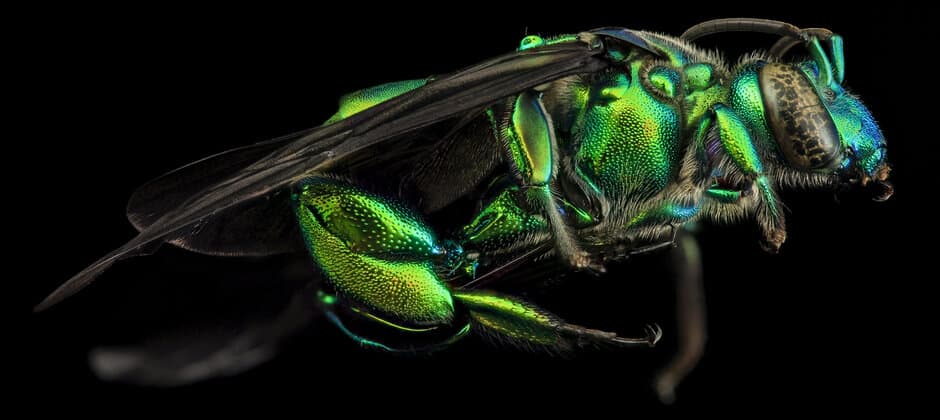
Wild Cam: From whooping cranes to pollinator paradise
Dozens of rickety, old office cubicle-sized pens line up next to each in the U.S. Geological Survey’s Eastern Ecological Science Center at the Patuxent Research Refuge in Maryland. The ones...
September 3, 2021
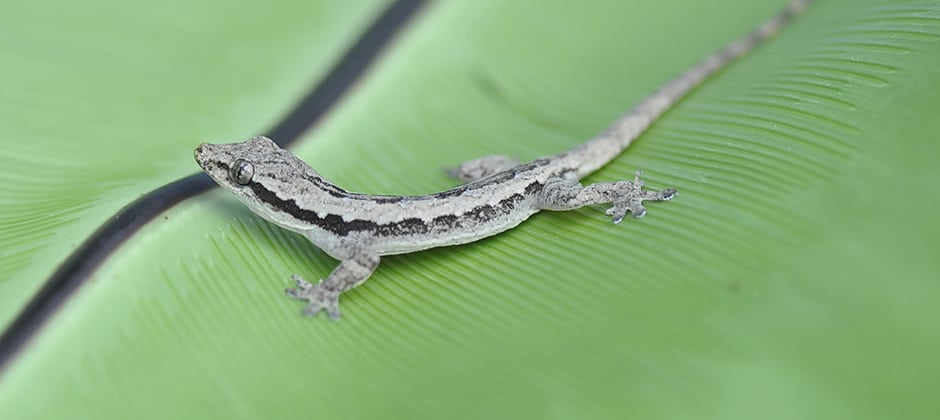
Watch: Geckos can climb, hang, and even glide
Using both live lizards and robot ones, researchers have found that geckos can glide, and their tail is important for the movement. In a study published in Communications Biology, researchers...

September 2, 2021
Elizabeth Flaherty wins Excellence in Wildlife Education Award
Elizabeth Flaherty makes one thing clear about the students taking her classes: They won’t often be passively sitting and listening to her lecture. Flaherty, an associate professor of wildlife ecology...
September 2, 2021
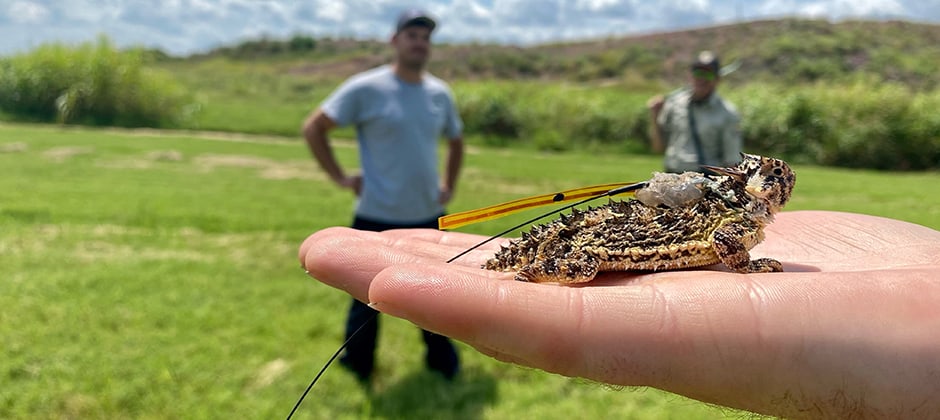
Why are Texas horned lizards on the decline?
The “horny toad” bears a striking resemblance to a dinosaur, albeit a tiny dinosaur. No more than 8 inches long, the Texas horned lizard (Phrynosoma cornutum), as it’s formally known,...