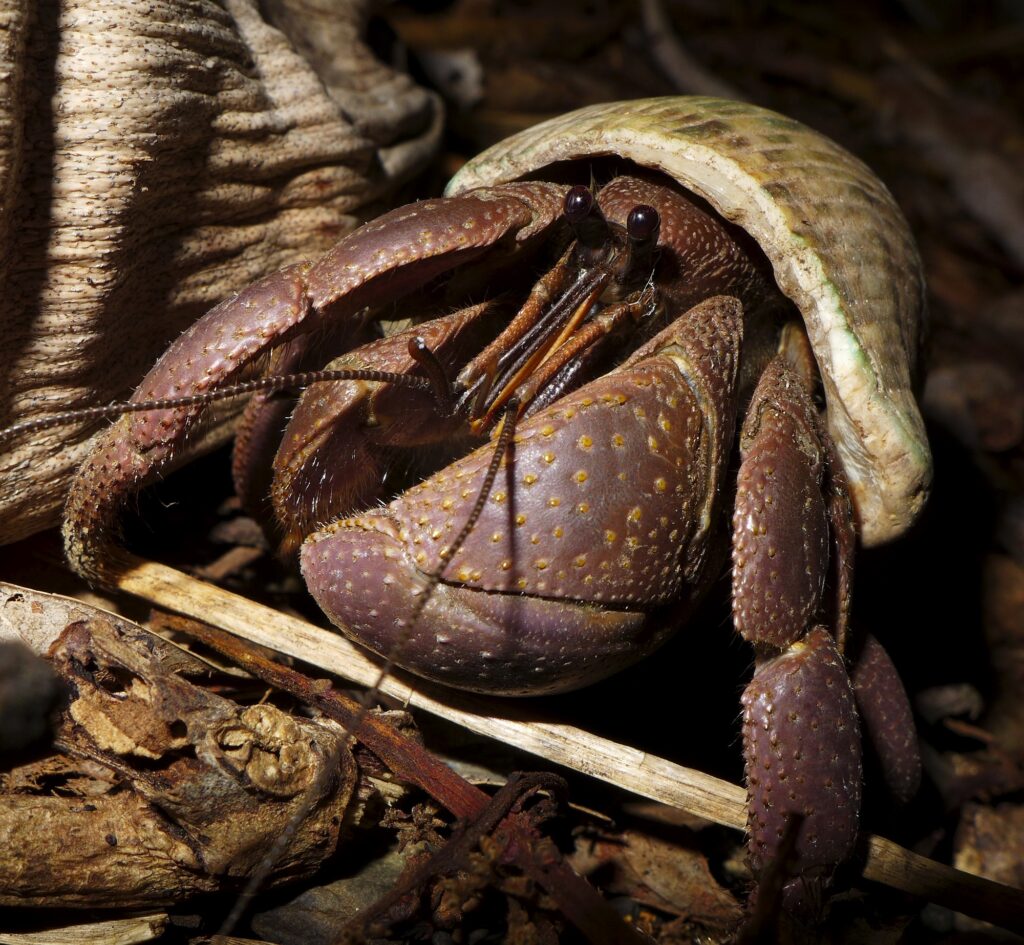




Pre-Conference Wildlife Immobilization Course Offered
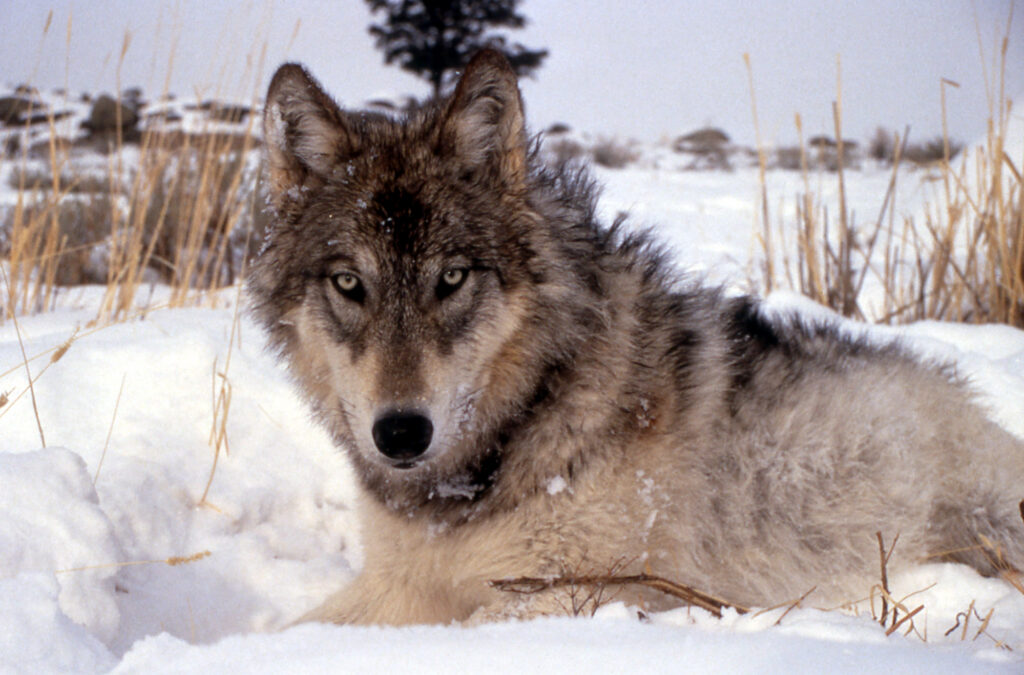
The Canadian Association of Zoo and Wildlife Veterinarians will be conducting a three-day wildlife immobilization course immediately prior to the start of the TWS Annual Conference this October. Operated independently...
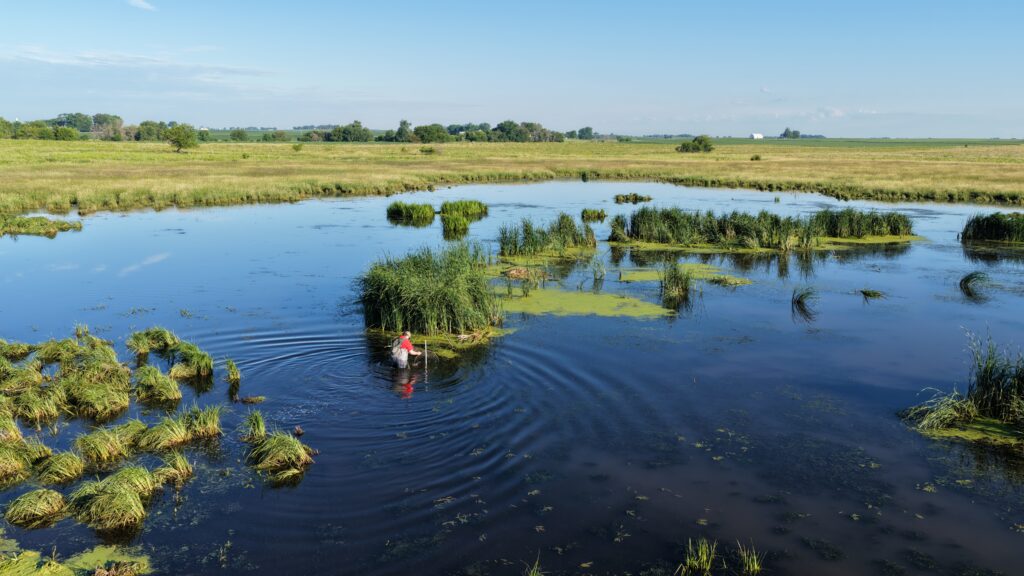
Student Reflects on TWS Northeast Section Field Course
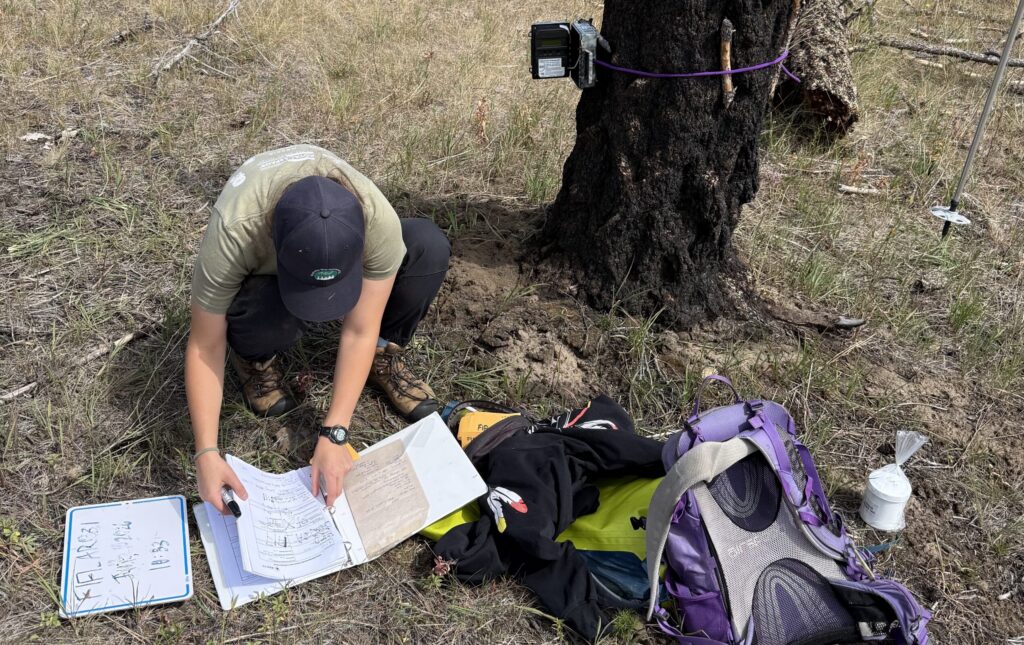
Rutgers University student Tesia Lin recently participated in the TWS Northeast Section’s wildlife field course in Castleton, VT. She reflects on her experience on the U.S. Fish and Wildlife Service...
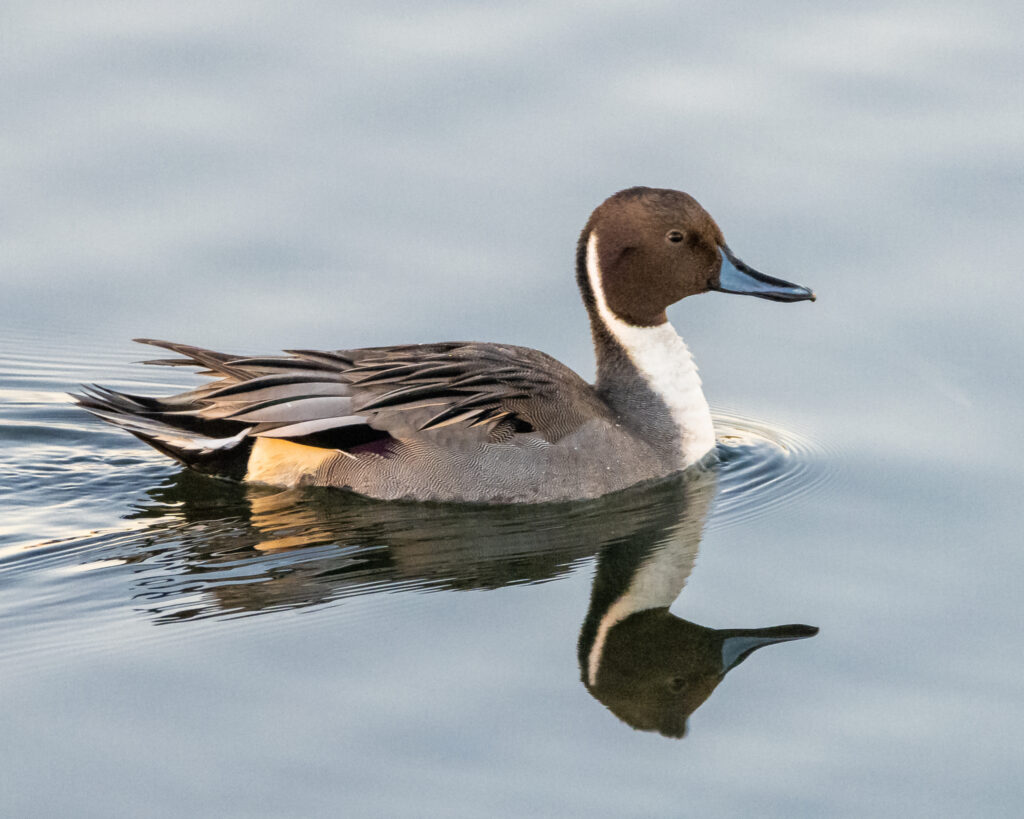
Seabirds Face Massive Decline Since the 1950s
Over the past 60 years, globally monitored seabird populations have declined about 70 percent, according to a recent study published in PLOS ONE. Seabirds include any birds that forage primarily...
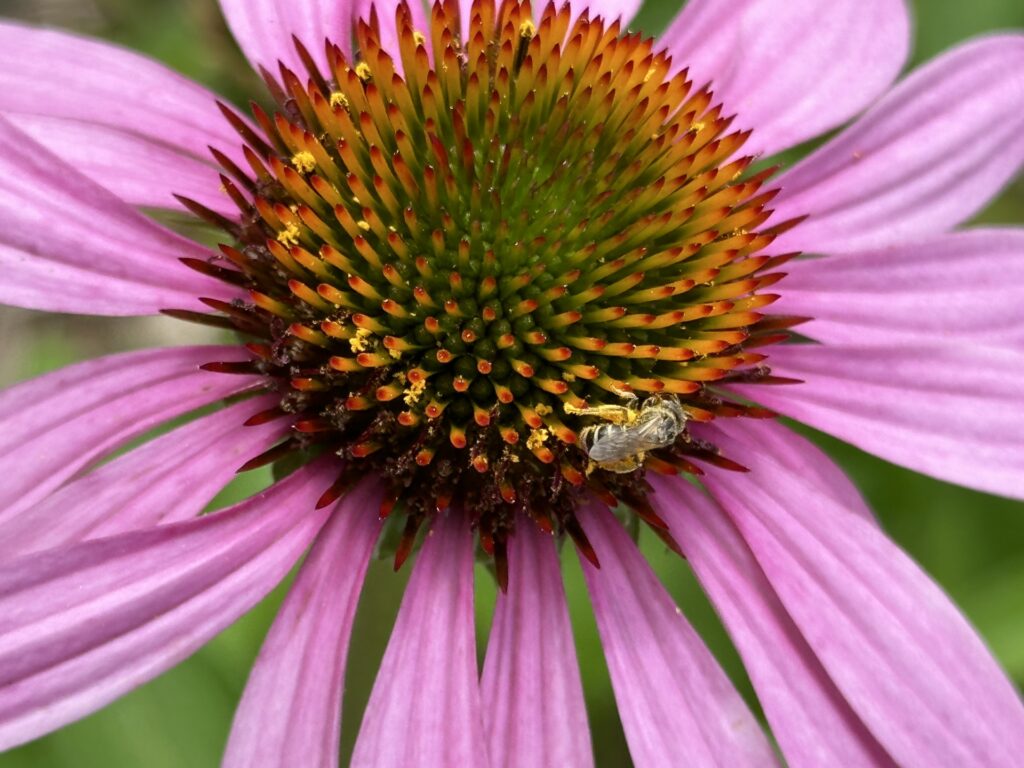
Bee Soup: A Delicious New Method to Study Populations
Determining bee population numbers is as challenging as determining stock market trends, according to Douglas Yu, an associate professor at the University of East Anglia in the United Kingdom and...
Video: Crews Control 10,000-Acre Fire in Wildlife Refuge
A fire that burned more than 10,000 acres of the Loxahatchee National Wildlife Refuge in Florida has been 85 percent controlled, with no more active fires being reported as of...
PAID AD
Current Status of Federal Appropriation Bills
Congress continues its work on creating the fiscal year (FY) 2016 budget. The House and Senate are working on finalizing the Agriculture, Rural Development, Food and Drug Administration, and Related...
Canadian Government Funds 14 Conservation Projects
On July 8th the Government of Canada announced its provision of $1.968 million to fund 14 projects under the Atlantic Ecosystems Initiatives, whose goals are to conserve and restore important...
Politics Inform Attitudes on Environmental Issues
People’s identities with political parties have a large influence on their attitudes on environmental issues, according to a new Pew Research Center report — more so than on issues related...