



JWM: Are elephants an obstacle for rhino reintroduction?
In Zimbabwe’s Gonarezhou National Park, elephants and reintroduced black rhinos eat the same plants in the same places

Using bird data to help bees
Bird observation can help researchers learn about wild bees that use similar habitat features

2025 TWS Elections
Take a look at candidates for this year’s TWS election
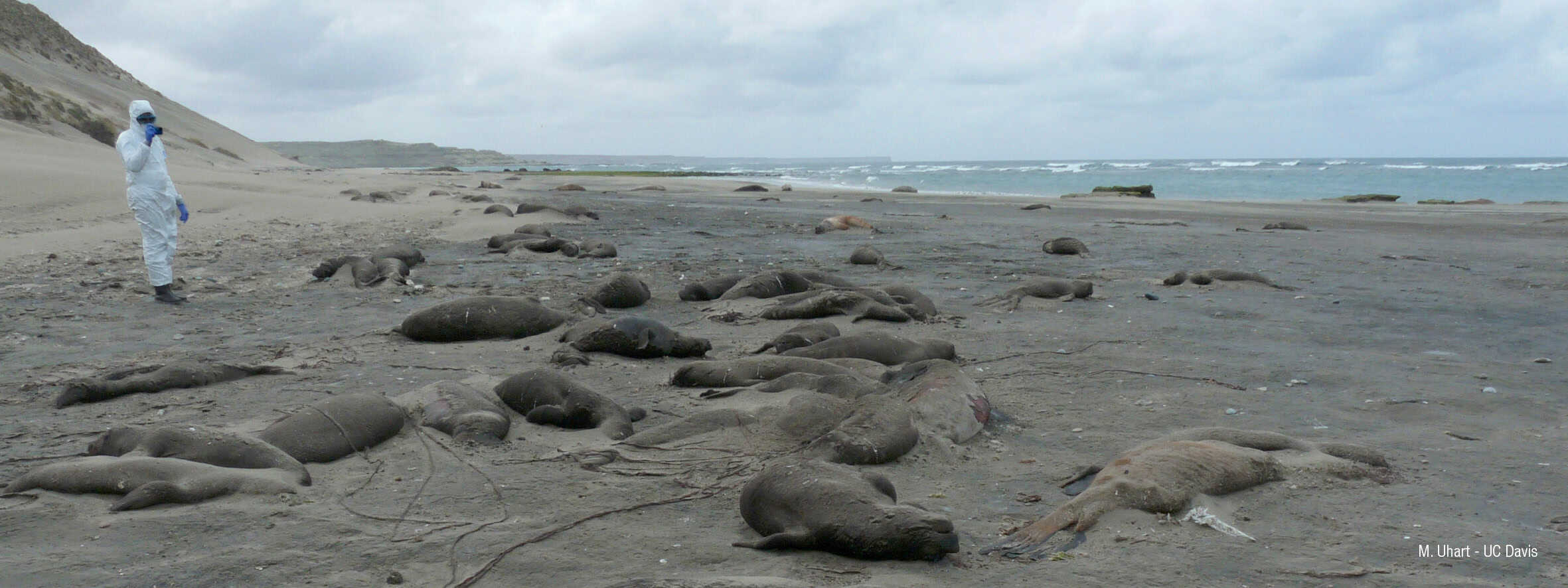
Elephant seals won’t recover from bird flu for 100 years
A colony of southern elephant seals lost nearly all its newborn pups in 2023 to the virus
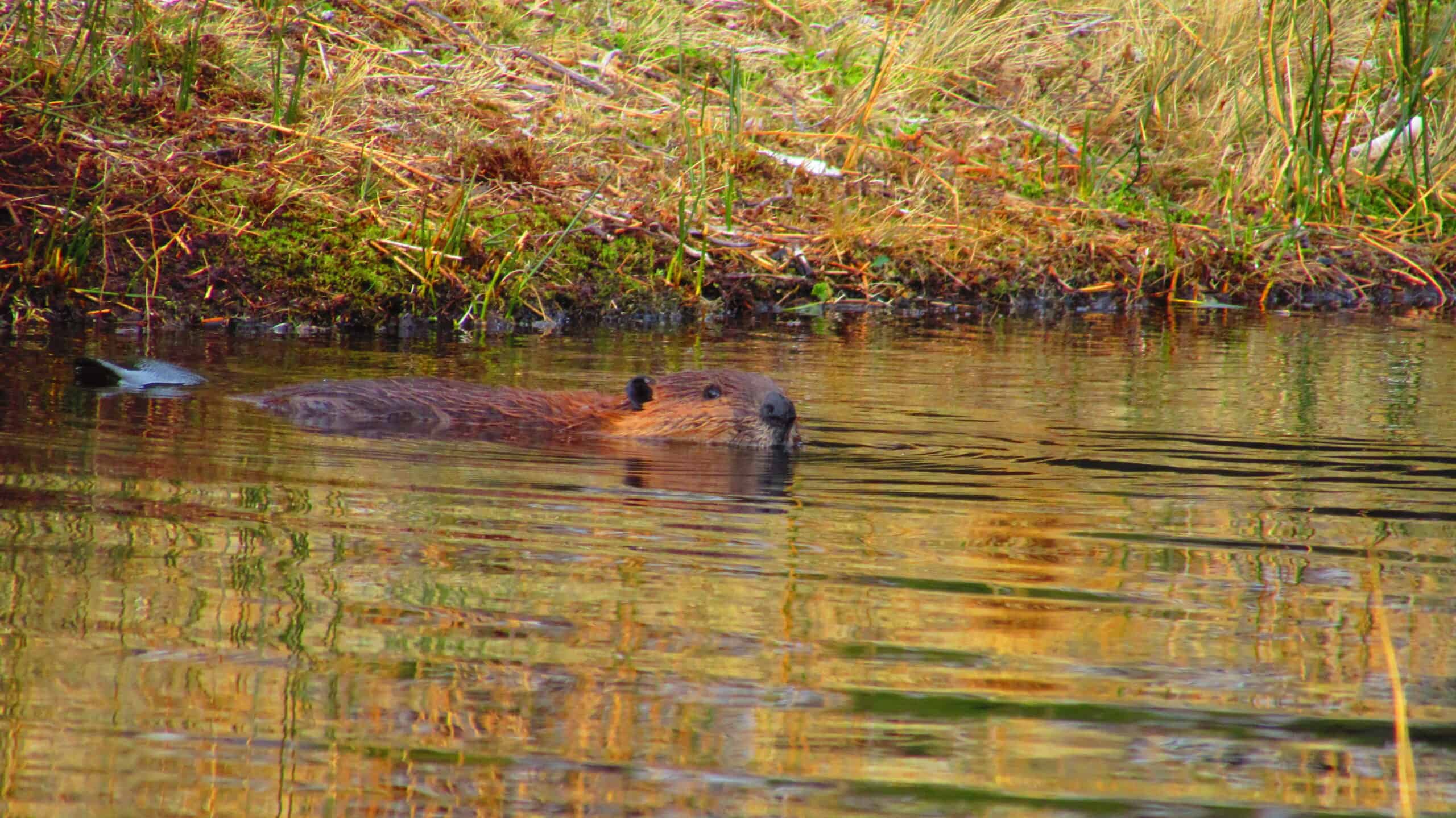
Wild Cam: How feasible is beaver eradication in Argentina?
Invasive species introduced to Tierra del Fuego for the fur trade has devastated the native ecosystem
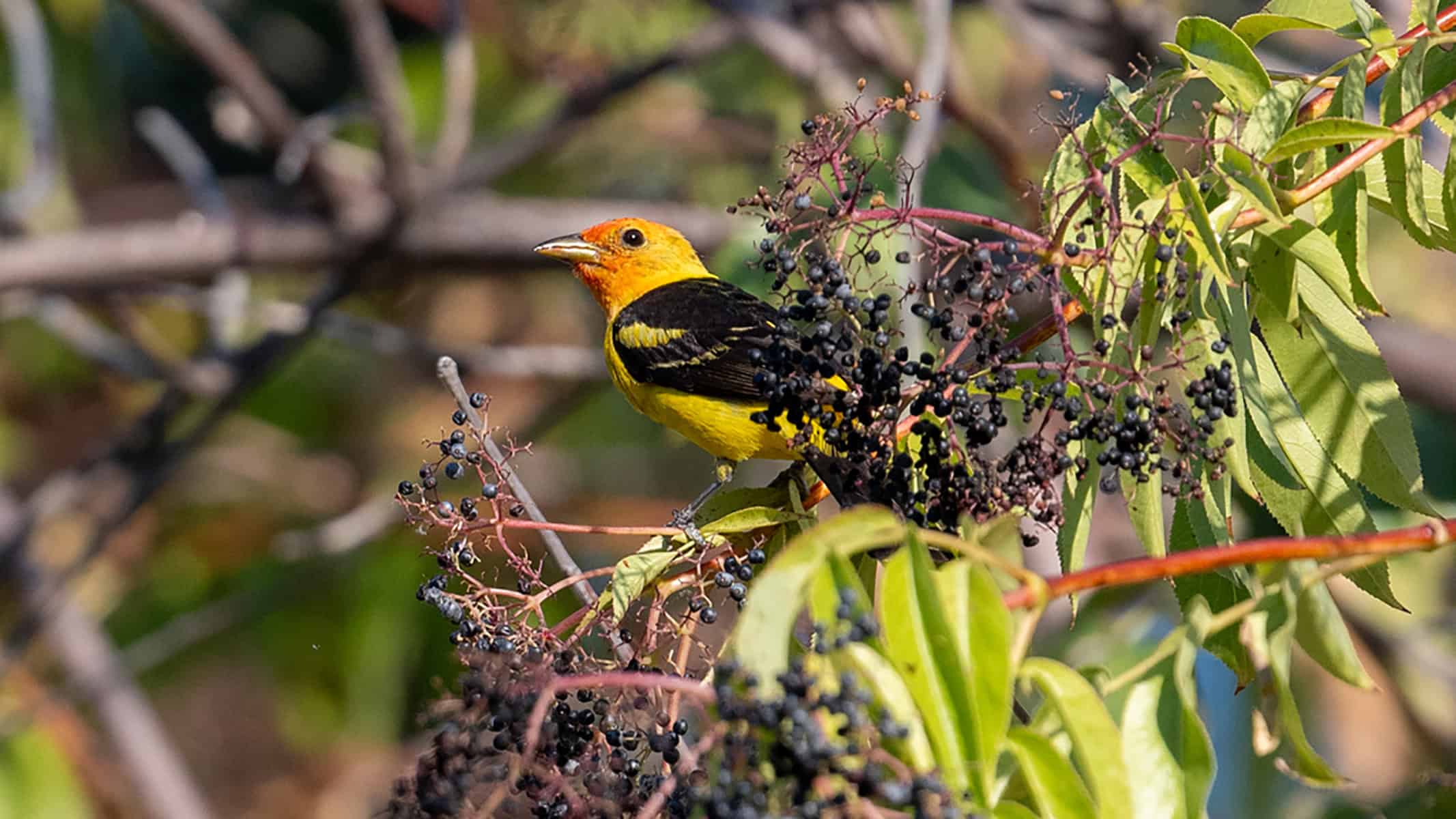
Citizen science is ecologically accurate
Platforms like eBird and iNaturalist showed low evidence of observation bias
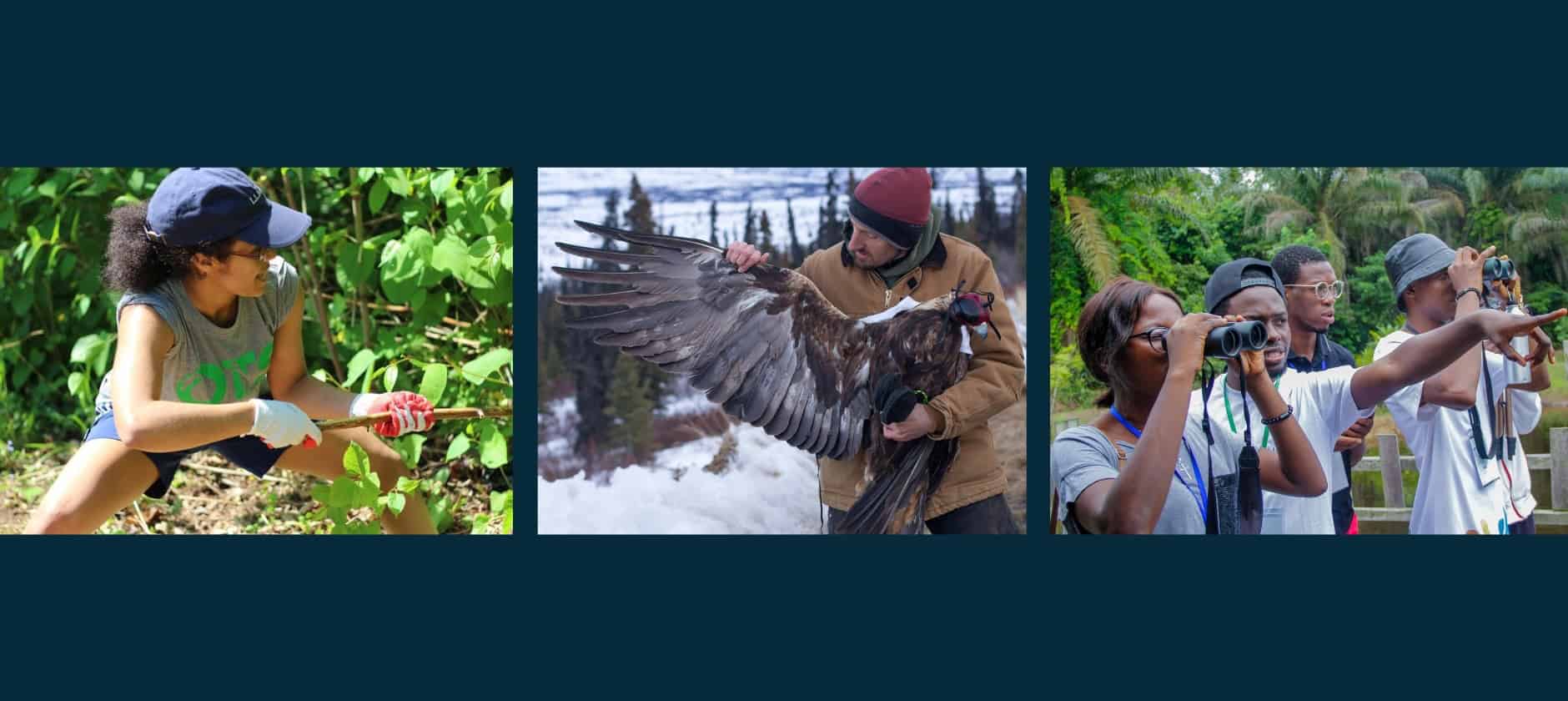
Comfort food for thought
Wildlife Vocalizations started five years ago to elevate members’ voices. Could these stories now spark the next chapter for TWS?

Climate change leading cause of biodiversity loss in U.S.
Ninety-one percent of species listed under the ESA face the threat of climate change

Edmonton-based Indigenous artist to join 2025 TWS conference
Dusty LeGrande creates art inspired by the cultural and natural landscape around him