

Share this article
Wildlife Featured in this article
- Polar bear
Climate change is speeding up polar bear aging
For every degree of warming since the 1960s, polar bears have aged more quickly, altering their natural life history
Using a cutting-edge DNA-based technique to measure biological aging, researchers have found that polar bears in western Hudson Bay are aging one year faster for every degree of warming since the 1960s.
In biomedical science, it’s well understood that stress experienced over an organism’s lifetime can speed up aging at the cellular level. This idea is summed up by famous endocrinologist Hans Selye, who once said, “Every stress leaves an indelible scar, and the organism pays for its survival after a stressful situation by becoming a little older.”
Scientists can measure this cumulative stress-related aging through epigenetic age. Epigenetic age is calculated using changes in DNA through a process called DNA methylation. This occurs when small chemical tags, methyl groups, attach to specific spots on the DNA, helping to control how genes are turned on or off. Because some of these changes happen in a predictable pattern as animals age, they can be used to build an epigenetic clock to estimate biological age. When this clock ticks faster than expected for an animal’s actual age, it’s called epigenetic age acceleration, which is often due to stress.

Now, researchers at the University of Manitoba have applied this approach to polar bears (Ursus maritimus) in western Hudson Bay, one of the most closely monitored populations of these maritime predators in the world. They found that polar bears born in the 2020s are epigenetically 2.7 years older than those born in the 1960s, even when they are the same chronological age.
“This is a long-term, comprehensive dataset, probably one of the few that allows us to examine how stress may be aging the bears,” said Levi Newediuk, a professor at Mount Royal University and the lead author of the preliminary study that has yet to be published in a peer-reviewed journal. The samples were first collected in the 1980s and are from a long-term research program run by Environment and Climate Change Canada, who also partially funded this new initiative.
Polar bears have plenty of reasons to be stressed. The western Hudson Bay population lives at the southern edge of the species’ range and is vulnerable to shrinking sea ice—since the 1980s, the ice-free season has lengthened. As the sea ice melts earlier each year, polar bears are forced to go longer without accessing their seal prey. As a result, this population has declined by an estimated 35%.
Scientists are increasingly concerned that the physiological toll of a warming climate may be widespread across other wildlife species as well. But researchers say more studies are needed to determine how broadly these aging effects apply across ecosystems. Newediuk cautions that while this genetic tool shows promise, it’s not a one-size-fits-all method.
“Although potentially a better technique for measuring age and stress, there are nuances to it that should be considered, such as differences between populations.”
Newediuk’s future work is aimed at cutting costs while maintaining accuracy so this tool can be adopted more widely as a less invasive way of monitoring the bears.

Header Image: Darted polar bears from the western Hudson Bay monitoring program. Credit: Ruth Rivkin
Related Posts
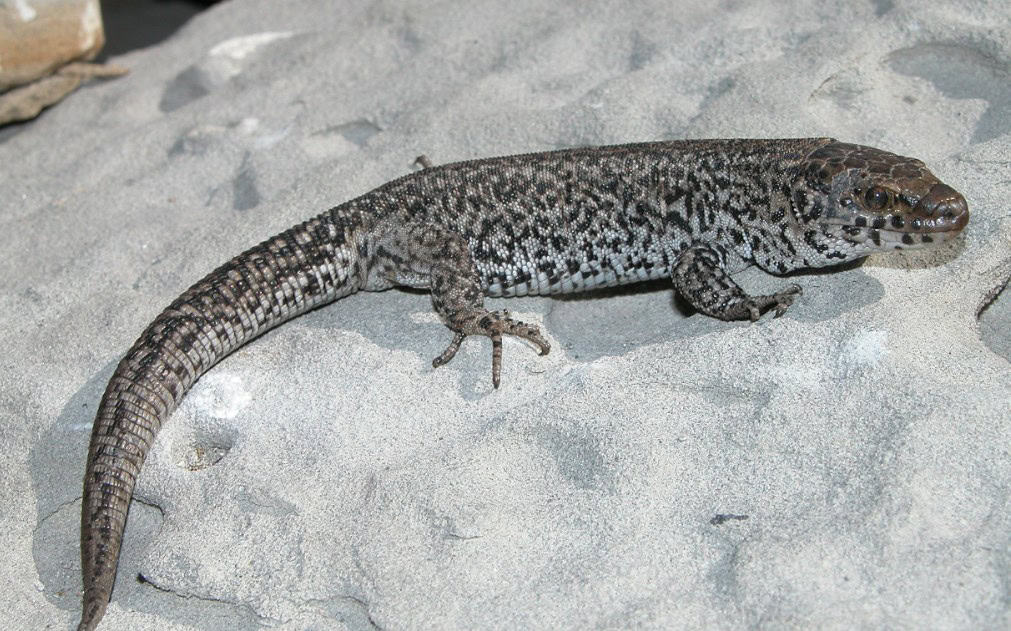
JWM: Night lizard numbers ‘remarkably stable’ despite drought
Invasive ants are a new threat for reptiles endemic to Channel Islands
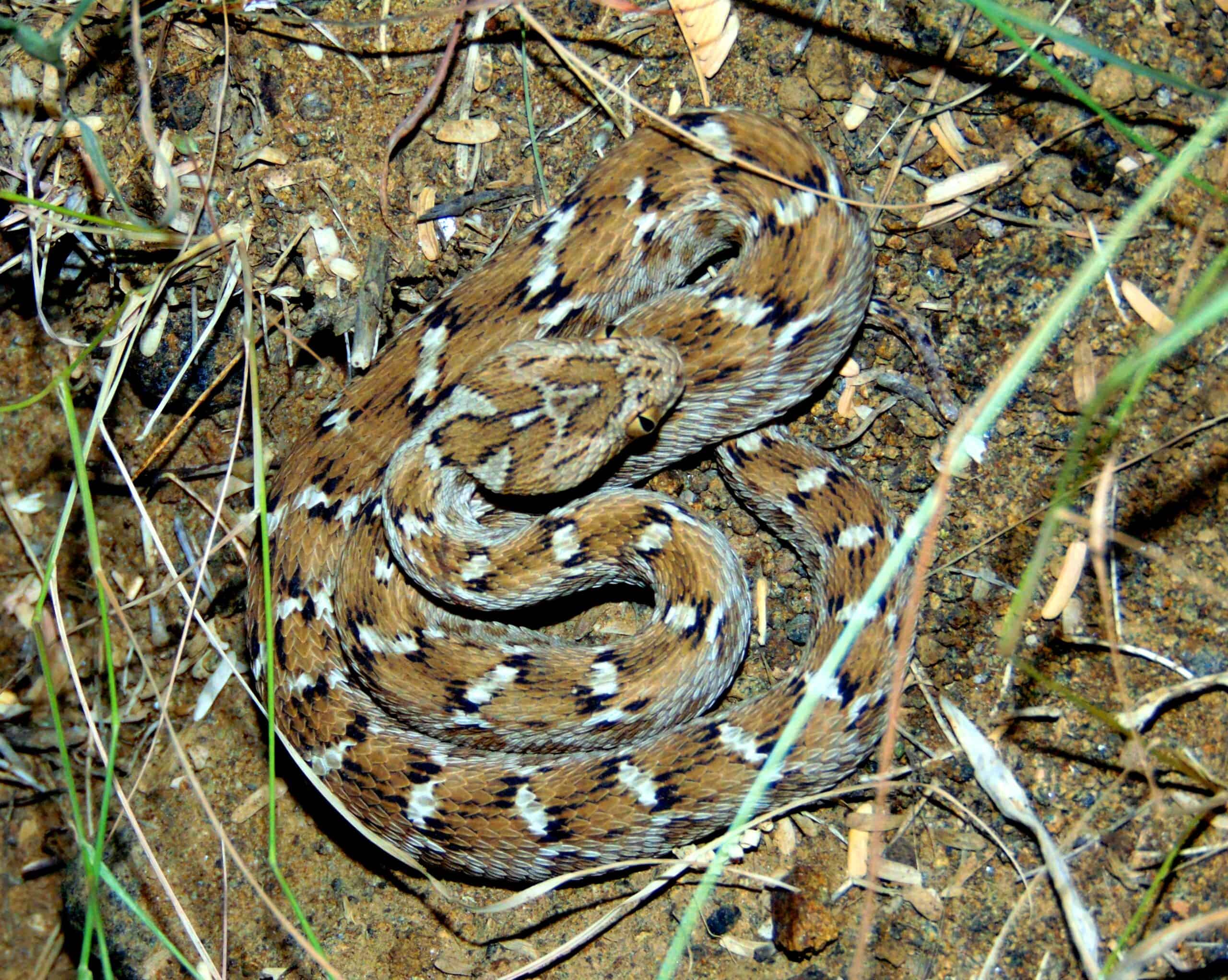
Climate change bites for snakes
Venomous serpent strikes in India may jump with climate change
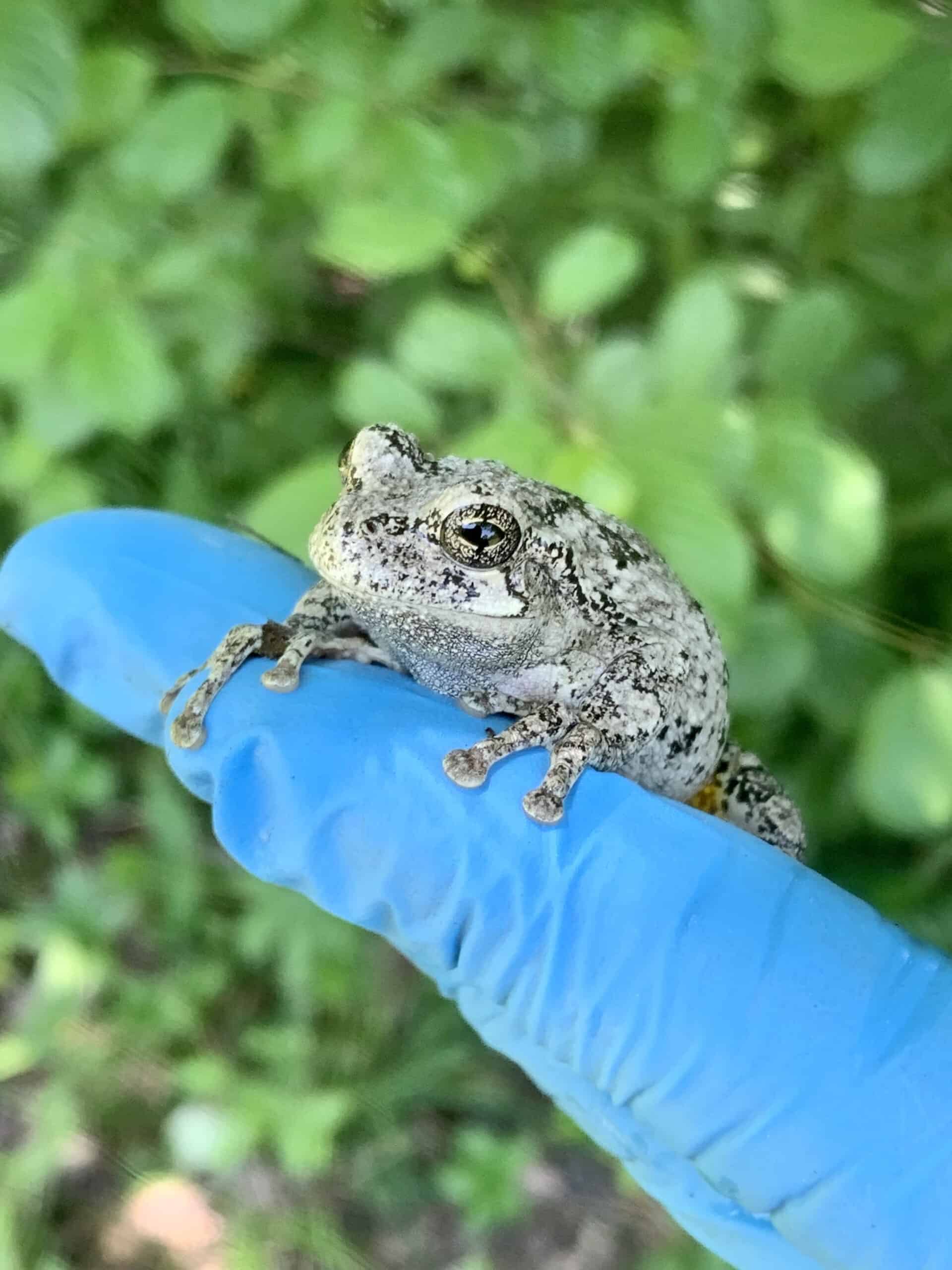
Freeze-proof frogs think winter is coming—but is it?
Gray treefrogs stock up on antifreeze when days get shorter, even if climate change keeps temperatures high