

Share this article
Wildlife Featured in this article
- American raccoon
Are raccoons domesticated? Not quite yet
Trash pandas may be going the way of the wolves
Shortened snouts, white patches, and floppy ears aren’t just cute quirks — they’re hallmark traits of “domestication syndrome,” the suite of changes that emerges when a subpopulation begins adapting to a new human-shaped niche. Urban environments may provide space for the experiment, recreating the ancient commensal niche that once drew wolves into the glow of human campsites, by giving raccoons the chance to scavenge our urban leftovers.
To test whether urban raccoons (Procyon lotor) exhibit one hallmark of domestication syndrome, shortened snouts, researchers recently analyzed 19,495 raccoon images submitted to iNaturalist from across the contiguous United States. Researchers calculated a snout-to-skull ratio for each raccoon by measuring snout length from the nose tip to the tear duct and skull length from the nose to the midpoint between the ear’s attachments.
The study found that urbanization exerts a measurable, directional, selective pressure, with urban raccoons consistently showing a 3.56% reduction in snout length compared to rural raccoons. Shorter snouts in urban areas persisted across climate zones even after accounting for naturally shorter snouts in warmer regions.
Raccoons may not make the perfect Christmas pet yet, but researchers have a rare gift—the chance to watch the first steps of domestication play out in real time, right outside our doors.
Read more in Frontiers in Zoology.

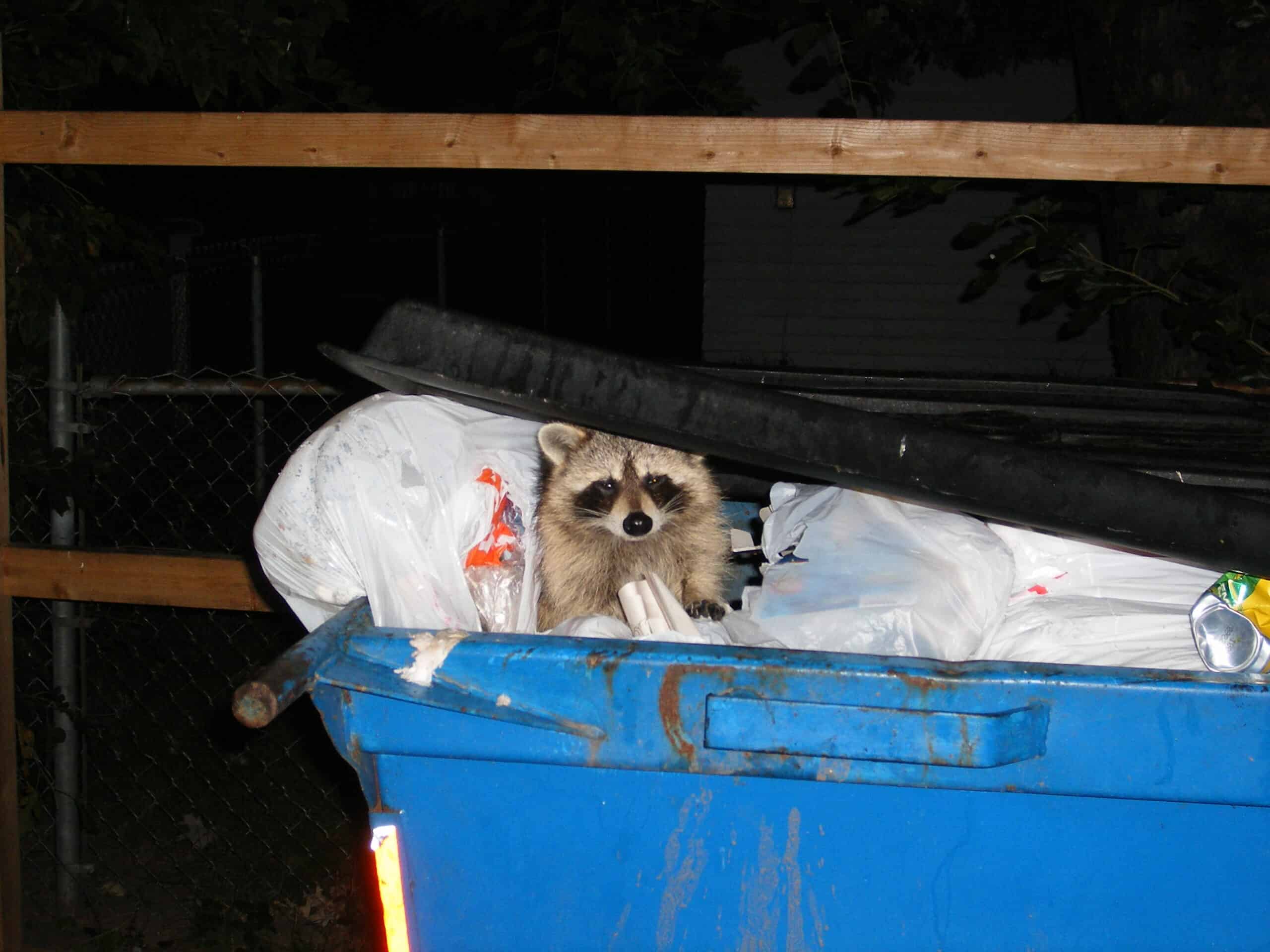
Header Image: Raccoons can be a new model species to study the effects of early-stage domestication processes. Credit: Julie Corsi
Related Posts
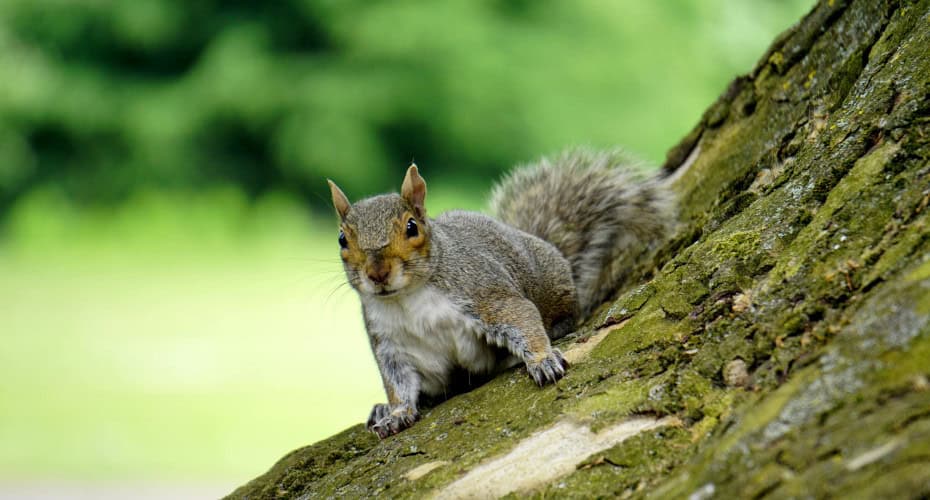
Road noise may give solace to squirrels
Researchers finds that gray squirrels may actually seek out busy highways

Life creeps in the haunted habitats of cemeteries
Cemeteries focused on conservation are providing animals with a new resource in urban areas

Fireflies are blinking out in Mexican cities
Oral histories help shed light on the decline of urban insects