

Share this article
Wildlife Featured in this article
- Masai giraffe
- Northern giraffe
- Reticulated giraffe
- Southern giraffe
Zoos may need to start fresh on giraffe programs
Species hybridization and genetic dilution mean giraffe populations in zoos have lost conservation value
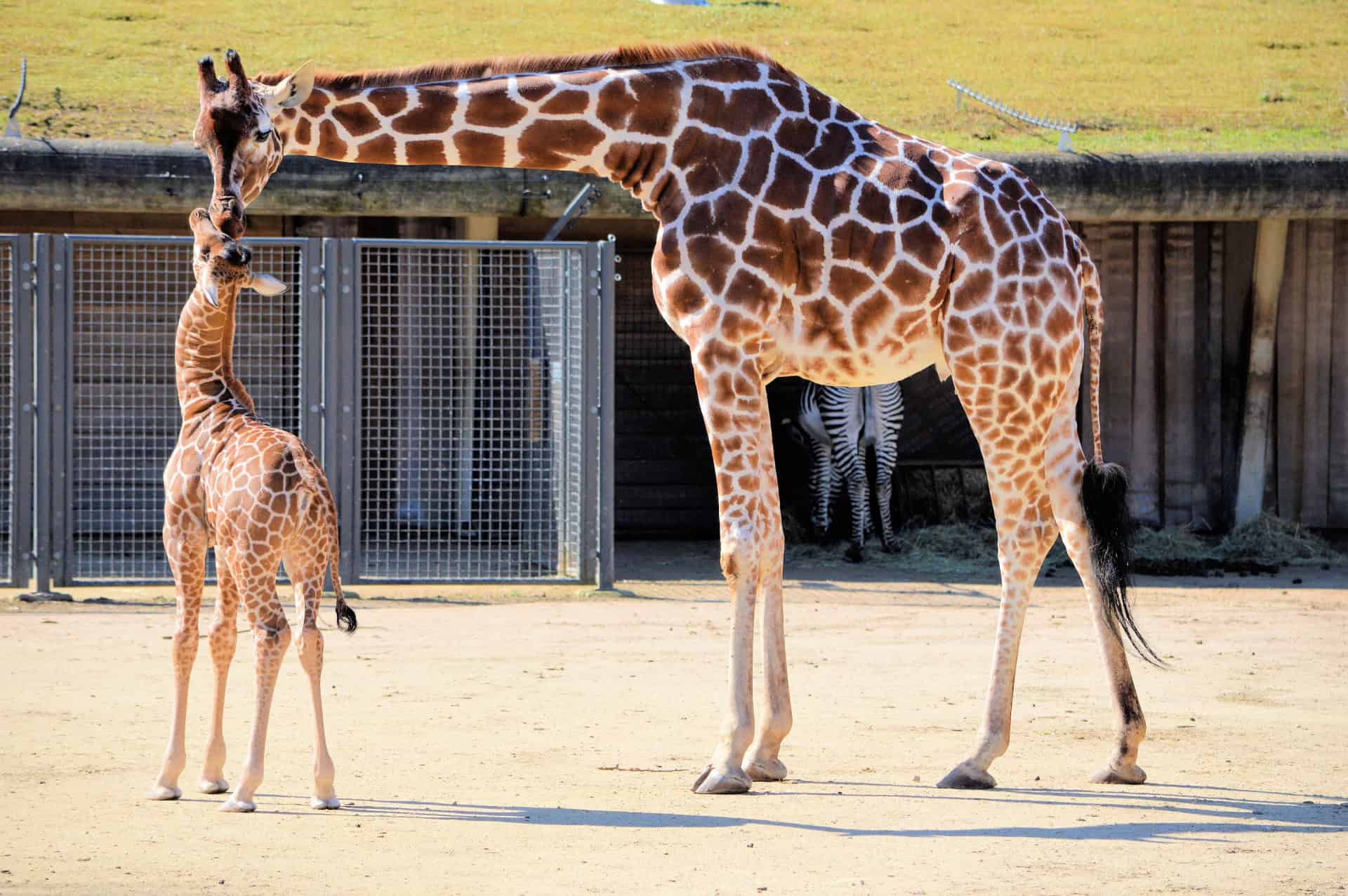
Giraffes in North American zoos are genetic hybrids—giving them little conservation value to wild populations. While giraffes used to be classified as a single species with multiple subspecies, new research shows that there are actually four distinct species of giraffes that rarely interact—though they can interbreed. With less than 100,000 individuals between the four species, all four were listed as vulnerable by the IUCN last year, with some populations classified as critically endangered. A recent study analyzing the genetics of 52 giraffes in North American zoos showed that only eight giraffes were about 90% genetically similar to a given giraffe species. The remaining zoo giraffes were genetic mixes of two or even three species. “Captive breeding programs in zoos would be better off restarting with fresh stocks from the wild, if they want to maintain assurance stocks for the purposes of conservation,” said senior study author Alfred Roca, researcher at the University of Illinois Urbana-Champaign, in an interview with the university. The study’s authors recommended phasing out hybridized giraffes in captive breeding programs and including genetics in conservation decisions to benefit giraffe populations in Africa.
Read more at ACES News at the University of Illinois Urbana-Champaign.

Header Image: As of 2020, there are at least 579 captive giraffes in 103 zoos in North America. Credit: X Posid
Related Posts
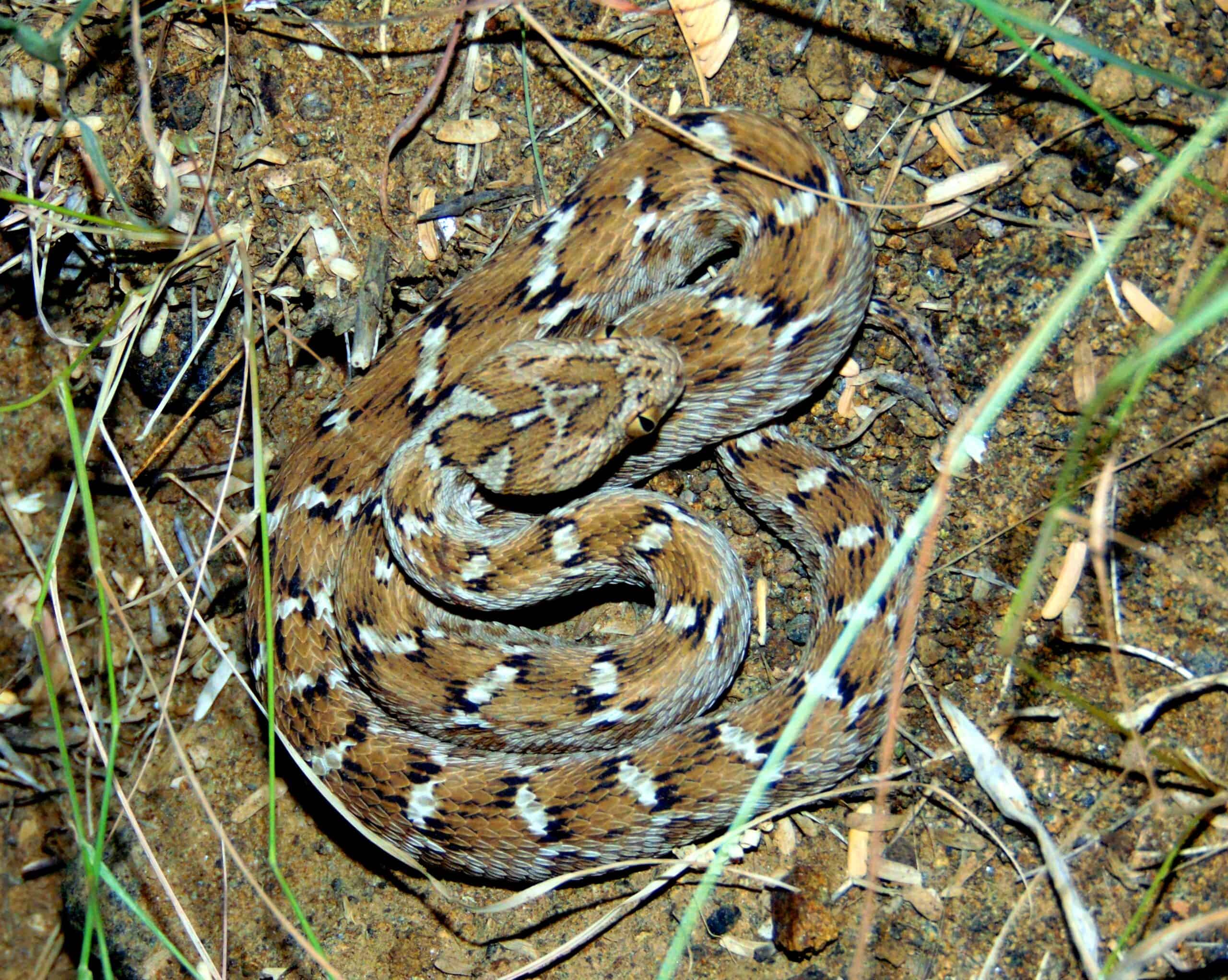
Climate change bites for snakes
Venomous serpent strikes in India may jump with climate change
The December issue of WSB is now available
Articles deal with thermal drones for wild pig management and using eDNA methods to detect river otters
Freeze-proof frogs think winter is coming—but is it?
Gray treefrogs stock up on antifreeze when days get shorter, even if climate change keeps temperatures high