


The November/December issue of The Wildlife Professional
The Wildlife Professional is an exclusive benefit of membership in The Wildlife Society. Published six times annually, the magazine presents timely research news and analysis of trends in the wildlife profession....
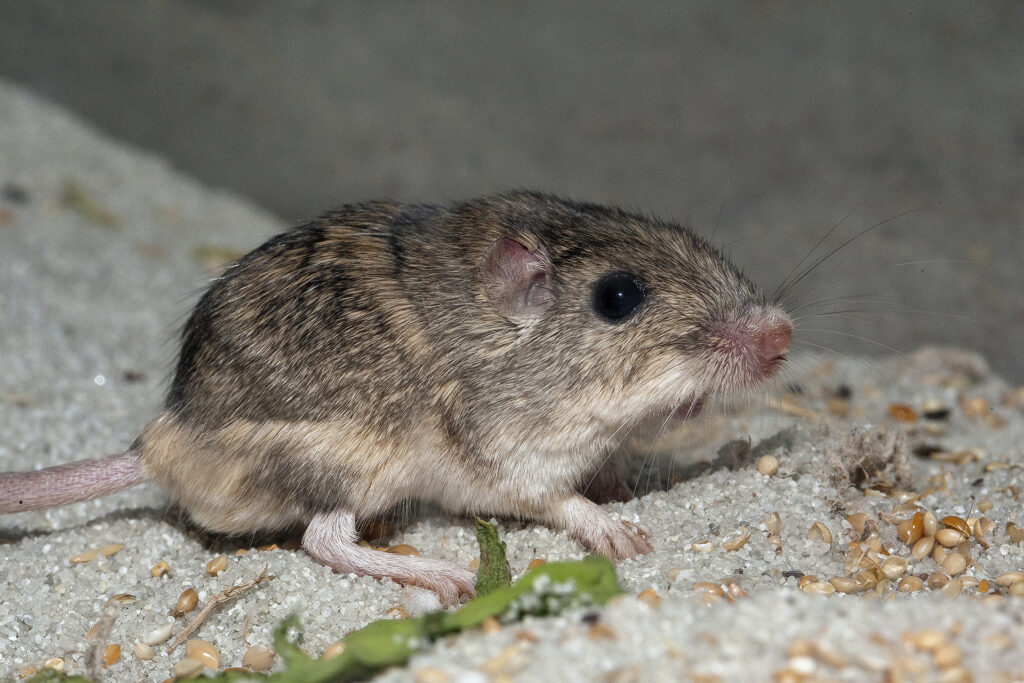
Challenge to meadow jumping mouse habitat designation denied
A U.S. federal district court judge dismissed a 2018 lawsuit challenging the U.S. Fish and Wildlife Service’s 2016 designation of critical habitat for the New Mexico meadow jumping mouse (Zapus...
California wildfires may have killed hundreds of cougars
Wildfires that tore through California have killed up to 600 mountain lions, according to a recent estimate. Fires in the western state have burned more than 4 million acres of...
Bark beetle outbreaks benefit wild bees
While bark beetle outbreaks can be problematic for western forests, they may actually be a boon to wild bee populations. “These large natural disturbances should not be perceived as completely...
For some carnivores, half their diet comes from human food
Human food comprises up to half the diet of carnivores living close to people, researchers found, which can have consequences for the individuals and the ecosystem. “A lot of us...
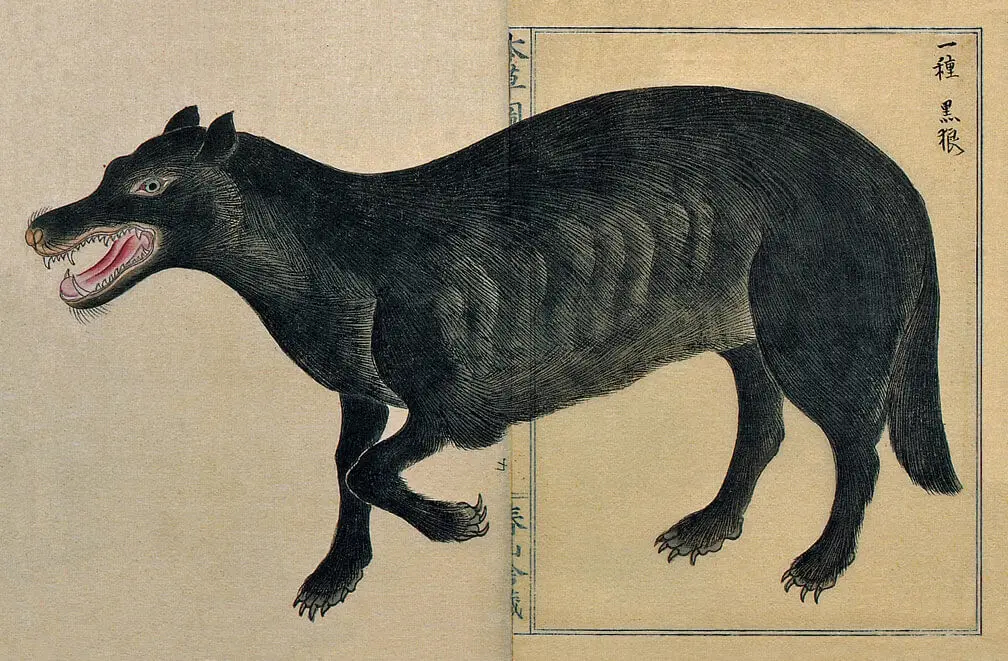
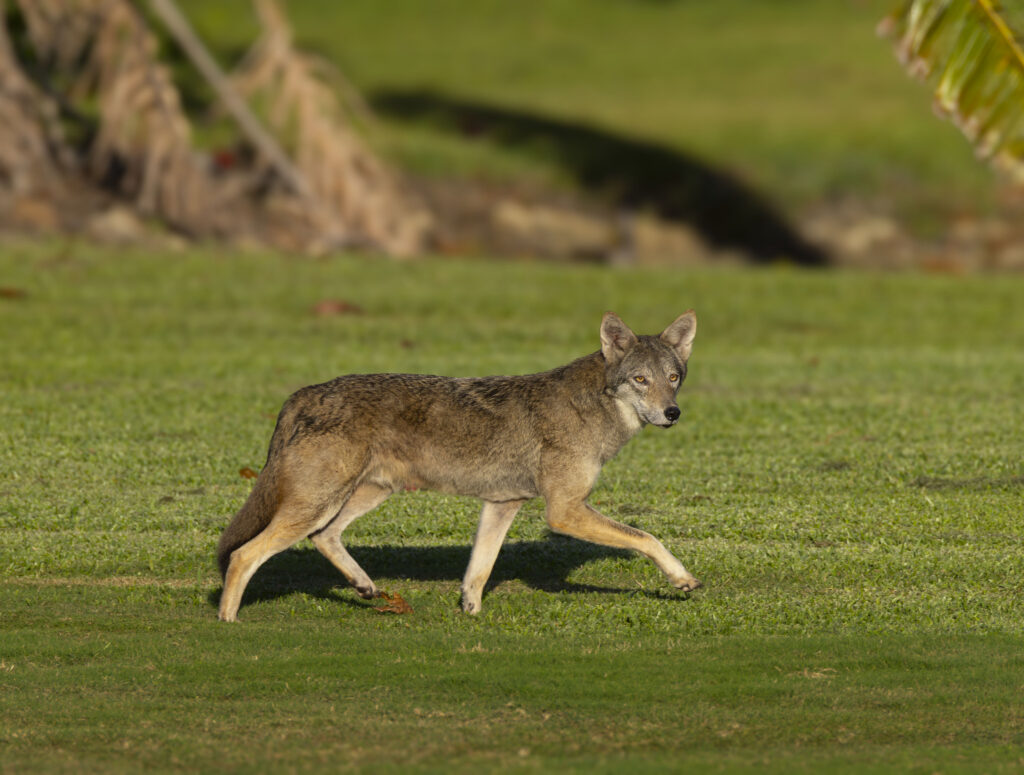
Wisconsin wolf population on the rise
Wisconsin’s gray wolf population continues to climb. A Wisconsin Department of Natural Resources survey found the state’s wolf population grew 15% over the previous year. The overwinter wolf count rose...
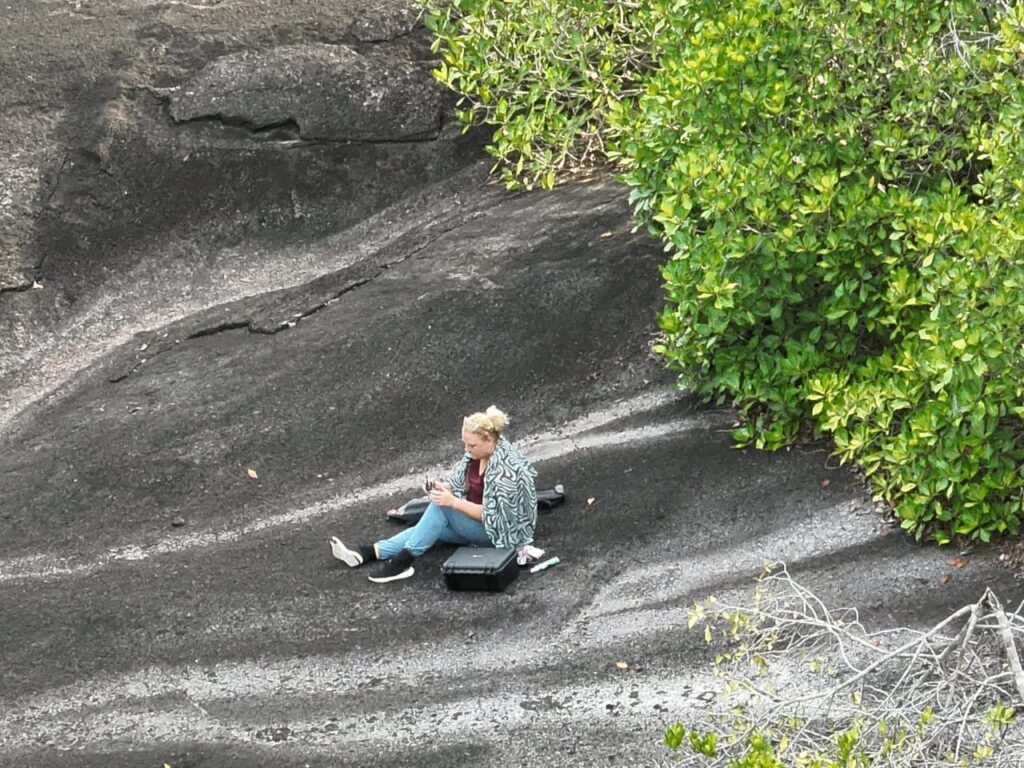
Drones reveal grebes’ nesting activity
Forget about sneaking up on a flock of western grebes. In the Cascade reservoir in western Idaho, the birds sometimes nest on floating patches of vegetation. If they don’t take...
Monarchs, bees use cultivated milkweeds as much as wild ones
Monarch butterflies and bee species use ornamental milkweed plants — the kind sold at garden centers — just as much as they use native plants, researchers found. “There’s a ‘native-plant’...
Washington tracks Asian giant hornet to nest for first time
Washington State Department of Agriculture entomologists have tracked a nonnative Asian giant hornet back to its nest for the first time. After collecting three hornets, the team fitted them with...