

Share this article
New antivenom works against 17 snakes
Researchers develop a new preliminary antidote for African serpents in rodents in lab mice
At least 7,000 people die every year from snake bites across Africa but a new therapy targeting 17 different species may help save lives. Traditional antivenom comes from injecting small amounts of snake venom into horses, which then develop antibodies. Specialists isolate these antibodies from the horses’ blood to develop serums for snake bite victims. But antivenom is very specific, making care challenging in places like Central Africa where there are many highly venomous snake species. Researchers have now made a new broad-spectrum antivenom by copying eight antibody fragments, or nanobodies, from llamas (Lama glama) and alpacas (Lama pacos) and combining them. In lab trials, the antivenom saved mice from 17 out of the 18 snake venoms in the Elapidae family, which includes cobras and mambas. While the results are promising, researchers don’t yet know what a therapeutic dose for humans would be or if the technology, though it would be cheaper than traditional antivenom production, will be scalable. “The most powerful of all the ‘omics’—economics—may once again represent an insurmountable obstacle to fighting the most neglected of tropical diseases,” said Juan Calvete, Director of the Evolutionary and Translational Venomics Laboratory at the Biomedicine Institute of Valencia, in an interview with Live Science.
Read more at Live Science.

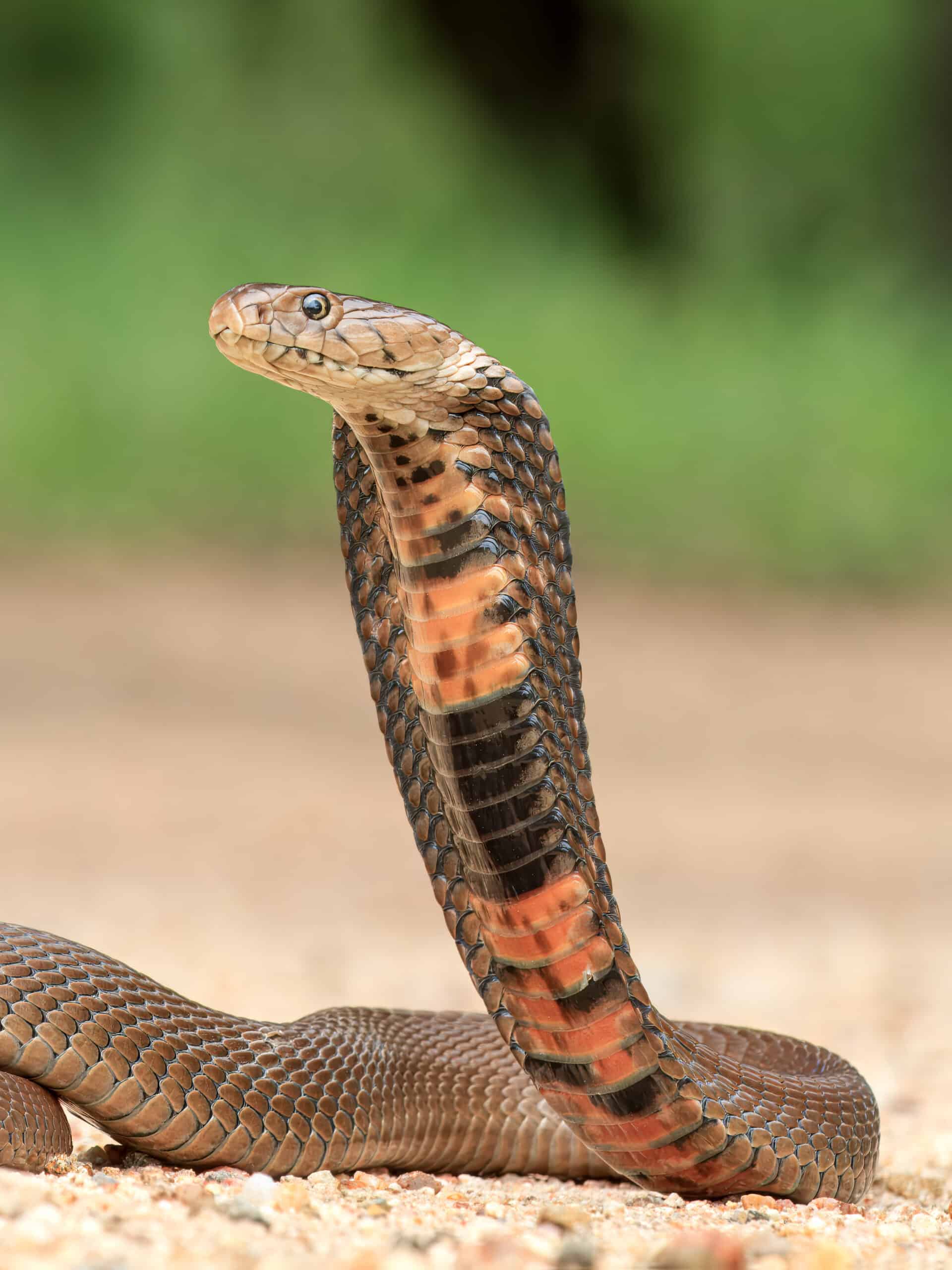
Header Image: The venom of the African spitting cobra (Naja mossambica) is one of the 17 species neutralized by a new broad-spectrum antivenom in lab mice. Credit: Wolfgang Wüster
Related Posts

The January issue of JWM is now available
The featured article models the occupancy of prey, predators and livestock in the Central Himalayas

Q&A: AI videos reveal seeing should not be believing
The potential impact of artificially generated videos on conservation
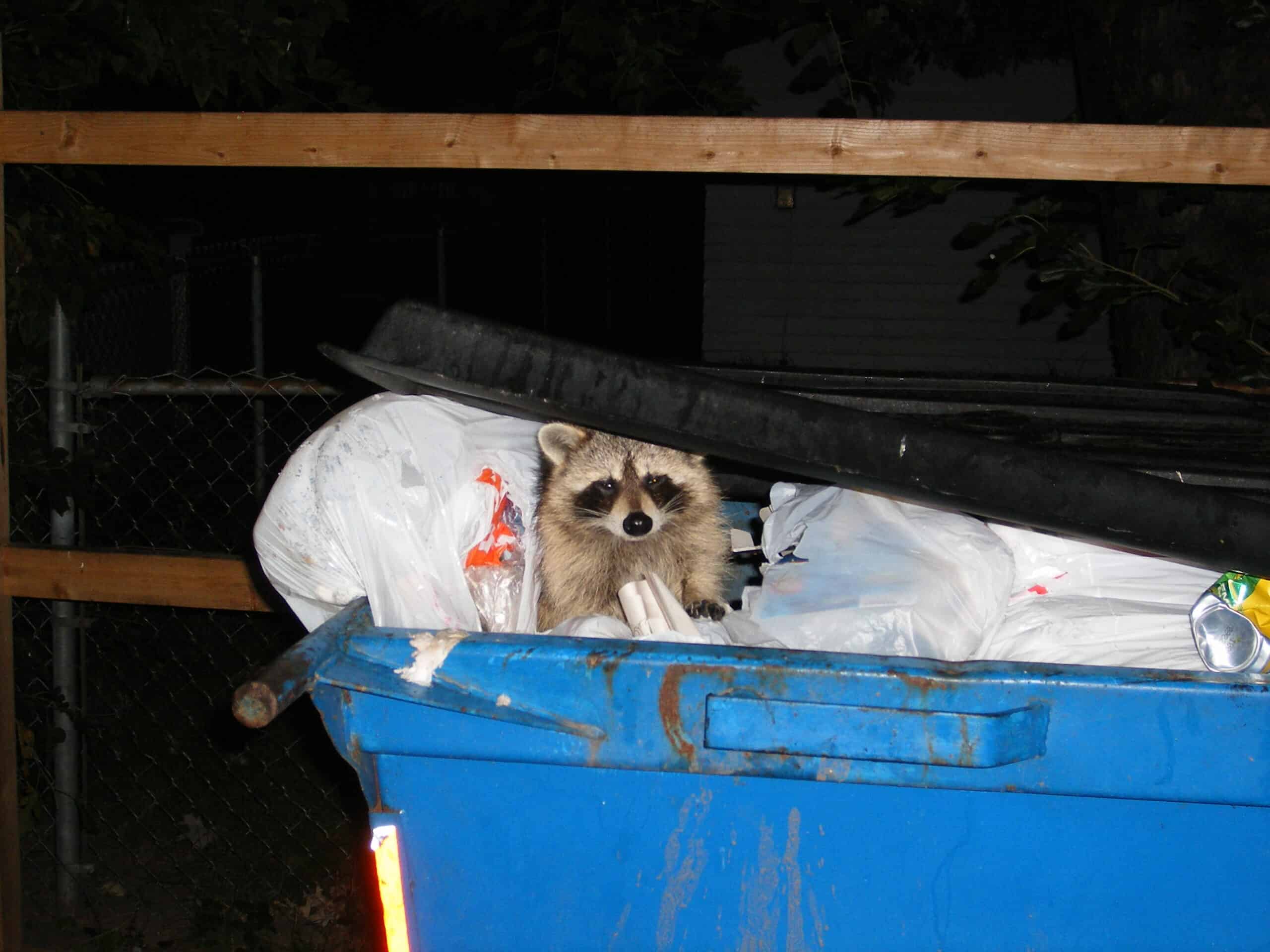
Are raccoons domesticated? Not quite yet
Trash pandas may be going the way of the wolves