

Share this article
Wildlife Featured in this article
- Common krait
- Indian cobra
- Russell’s viper
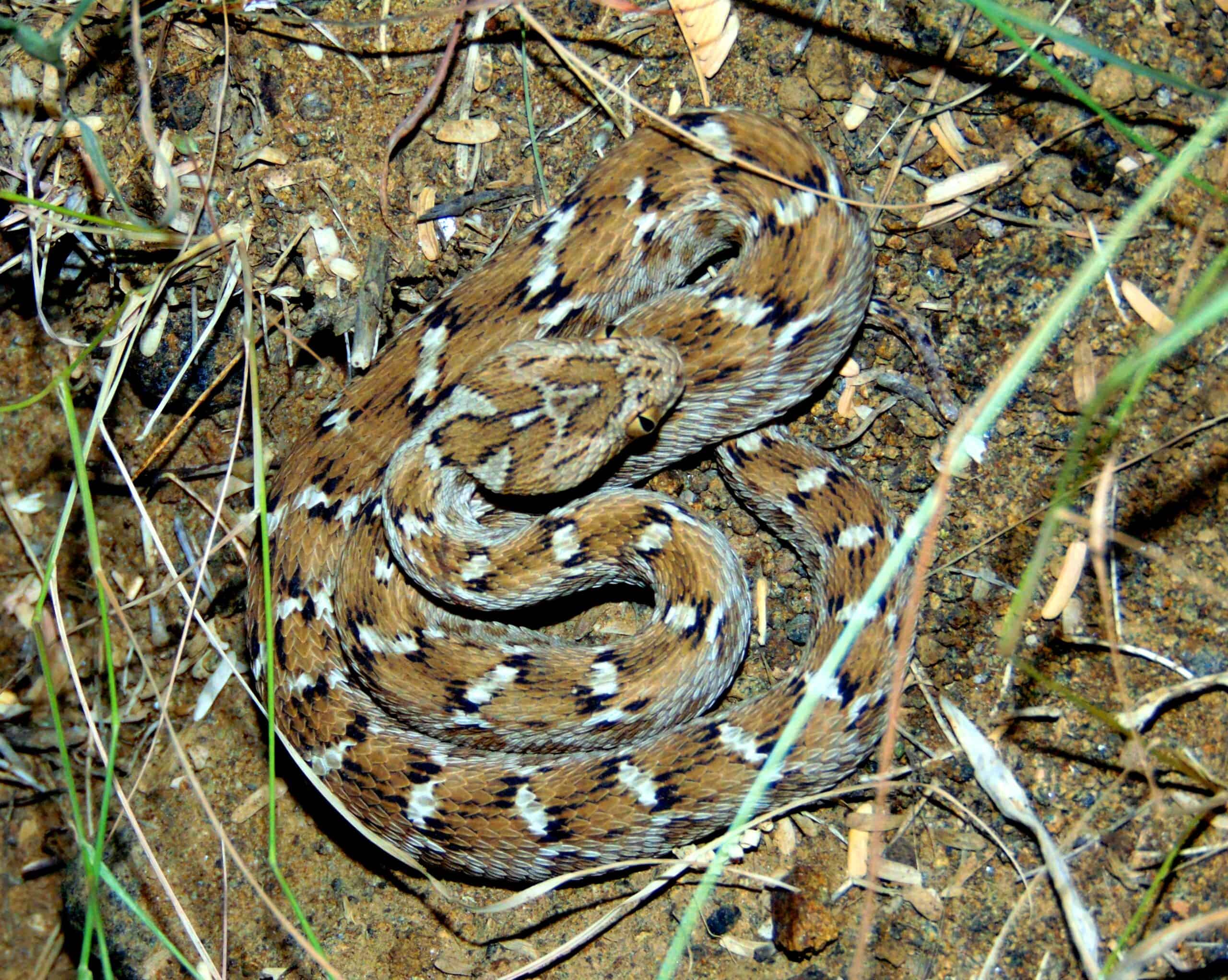
- Saw-scaled viper
Climate change bites for snakes
Venomous serpent strikes in India may jump with climate change
As the climate continues to change, India’s most dangerous venomous snakes may move into new places. Researchers modeled the range distributions of 30 venomous serpents across India under two different warming scenarios. Using nearly 5,000 sightings from citizen science platforms, social media groups, scientific literature and other open-access datasets, researchers found that about 3% of India’s landmass could have its biodiversity significantly changed in the most extreme warming scenarios by 2070. Researchers took a particularly close look at India’s “big four”—a quartet of snakes behind the most medically significant snakebites, causing 46,000 to 60,000 deaths each year. The list includes Russell’s viper (Daboia russelii), the common krait (Bungarus caeruleus), the Indian cobra (Naja naja) and the saw-scaled viper (Echis carinatus). Based on predicted range changes, researchers predicted a significant increase of snakebites in northern India, including Himalaya and northeast India, as well as the Western Ghats in the south. “Our goal is to bridge biodiversity conservation and public health, providing a framework that can inform conservation prioritization, antivenom allocation and rural healthcare preparedness under future climate conditions,” said TWS member and lead author Akshit Suthar.
Read more at Scientific Reports.

Header Image: Saw-scaled vipers, whose range extends from northern Africa and southwestern Asia, are believed responsible for the most human deaths annually. Credit: Akshit Suthar
Related Posts
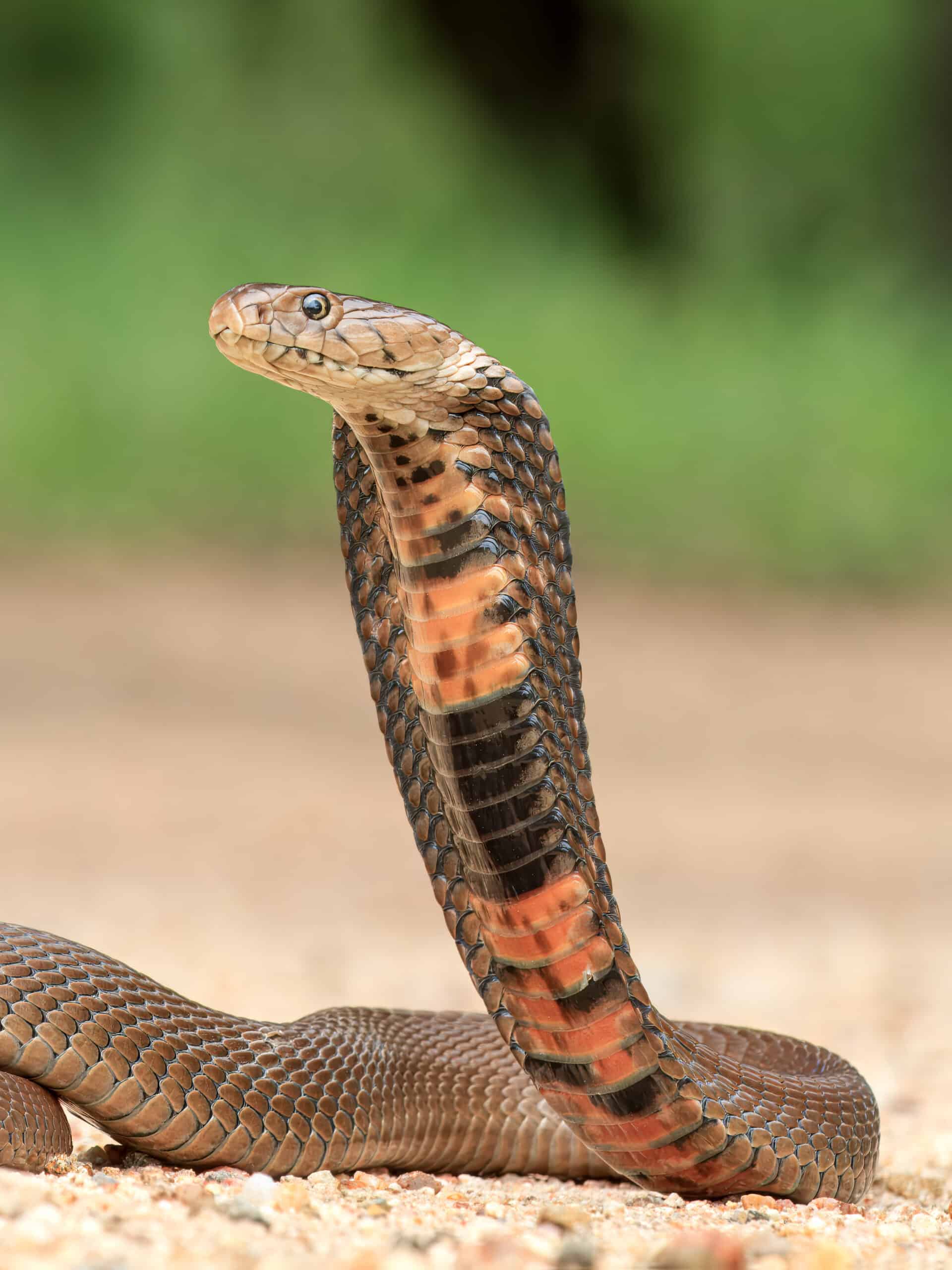
New antivenom works against 17 snakes
Researchers develop a new preliminary antidote for African serpents in rodents in lab mice
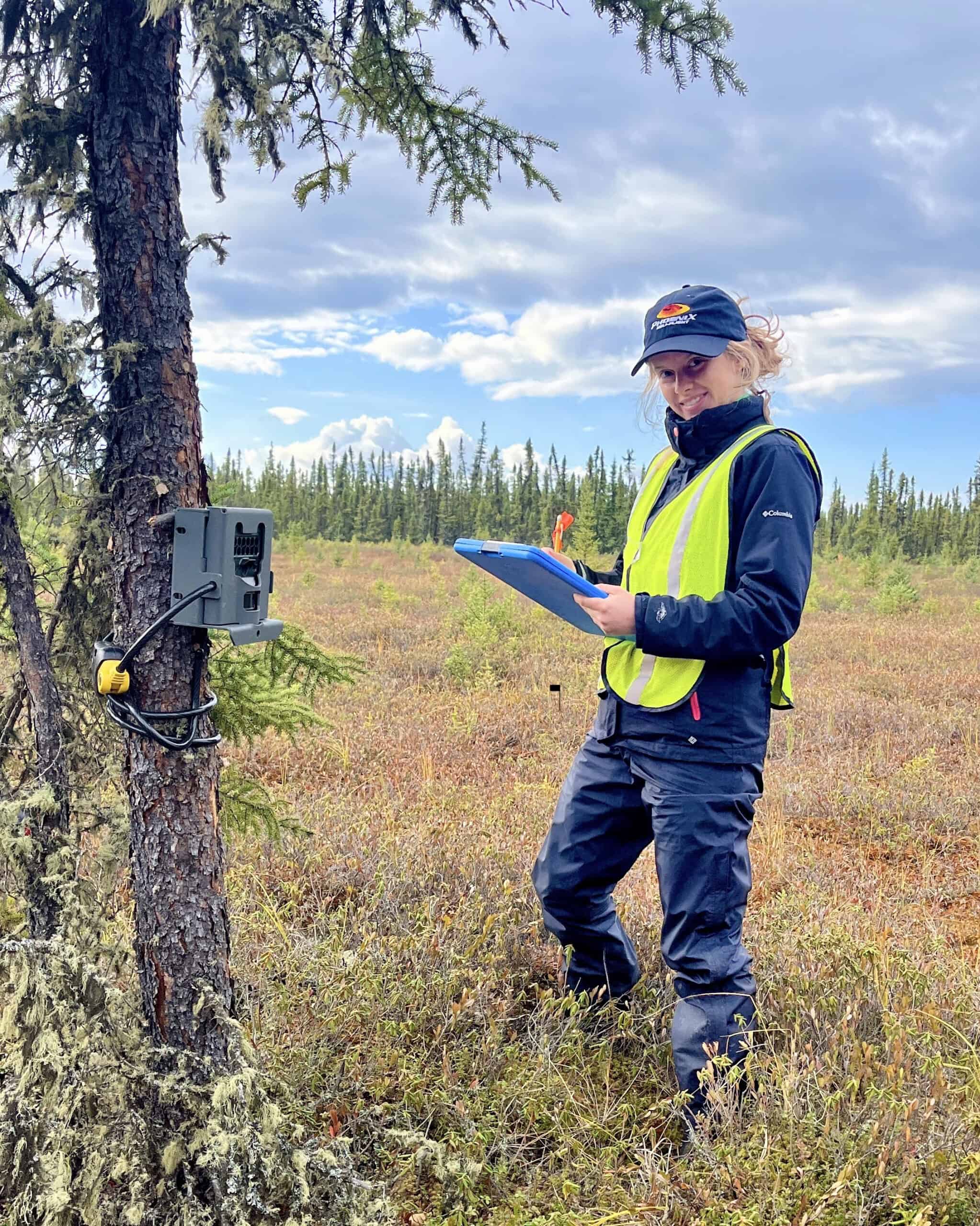
The September/October issue of The Wildlife Professional
Industry affects wildlife populations in the Alberta oil sands
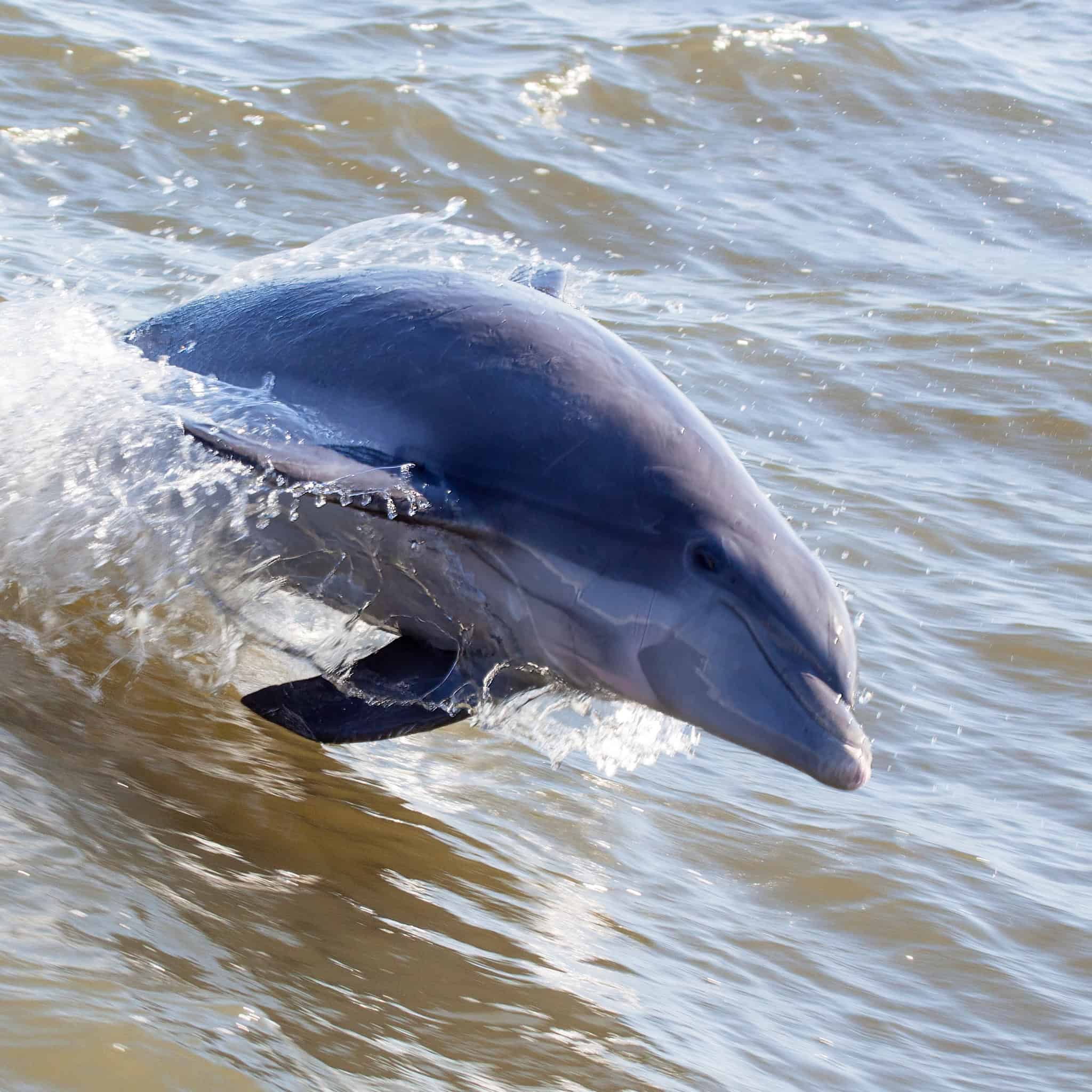
SC dolphins contain microplastics even before birth
All stranded dolphins tested in the Charleston estuary are contaminated