


Share this article
Wildlife Featured in this article
- Burrowing bettong
- Brush-tailed bettong
Bettongs’ head shape gives them a tooth up
Marsupials' nut-cracking mystery no longer too tough to crack
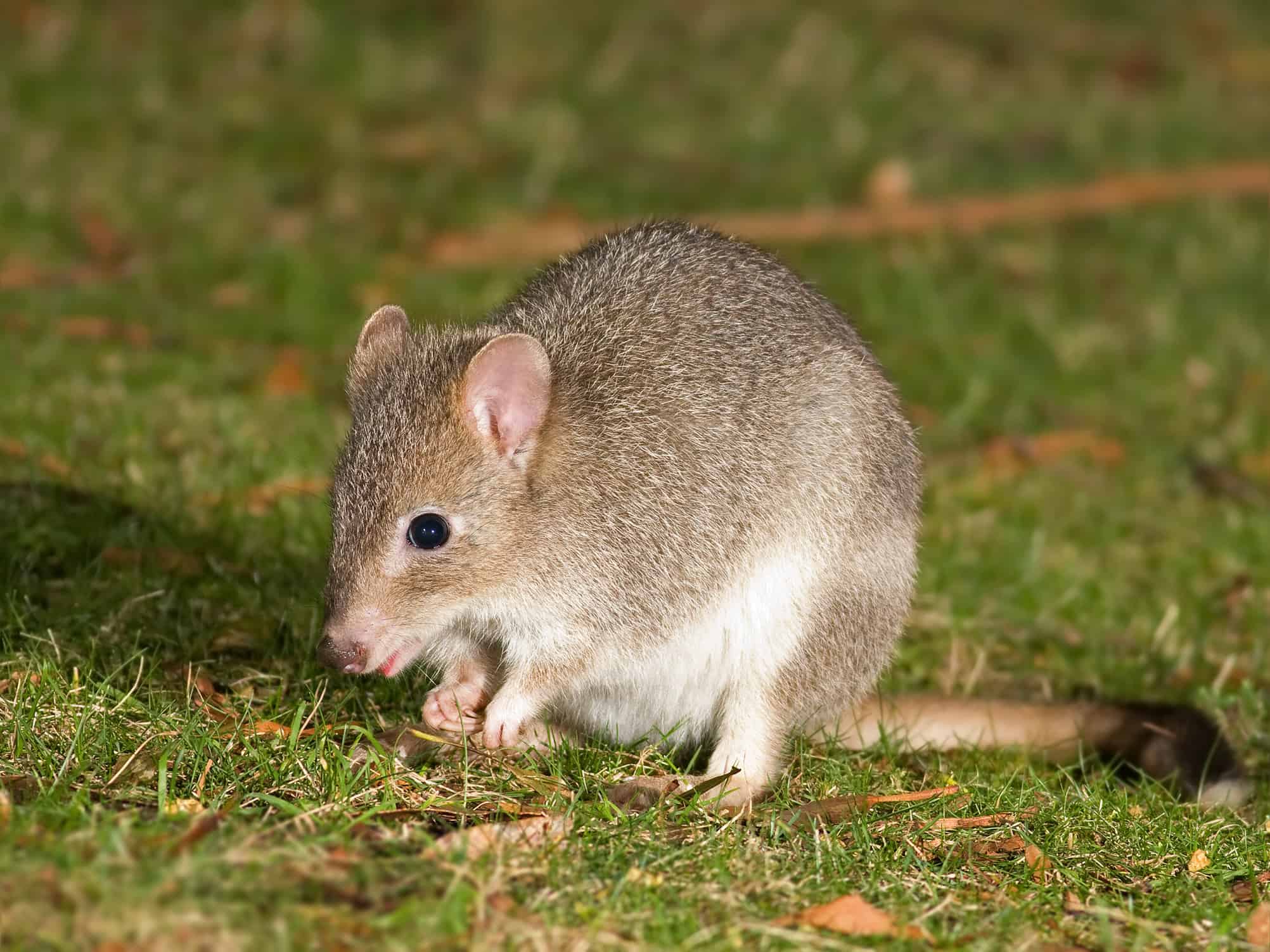
Australian researchers discovered two distinct adaptations that help bettongs bite through the shells of nuts that would break the jaws of most animals. The rabbit-sized marsupials often eat seeds from the sandalwood genus, including Australia’s native peach, or quandong. While most bettong species typically feed on softer foods, the burrowing bettong (Bettongia lesueur) and the brush-tailed bettong (Bettongia penicillata) go for the harder-to-reach but more nutritious nuts. But researchers were surprised to find that these two species have different adaptations. The burrowing bettong has a shorter face, allowing it to bite harder than other species. Meanwhile, the part of the skull responsible for seed-biting on the brush-tailed bettong is reinforced, giving extra support. Because they also spend time searching for soft foods like roots, tubers and fungi, bettongs are ecosystem engineers. When they dig for food, they till the soil, helping with water filtration, seed germination and improving overall soil health. As the marsupials have been dwindling due to predation and habitat loss, researchers hope that the new study will help wildlife managers find better areas to reintroduce bettongs. “Understanding animal dietary needs and their associated adaptations is invaluable information for conservation of threatened species,” said Rex Mitchell, a coauthor on the study and researcher at Flinders University, in a release.
Read more at Zoological Journal of the Linnean Society.

Header Image: Eastern bettongs (Bettongia gaimardi), which are found in eastern Tasmania, were also included in the study. Credit: JJ Harrison
Related Posts

Our favorite wildlife stories of 2025
Coyotes and badgers buddy up, saving salamanders from hurricanes and the viral origins of the jackalope
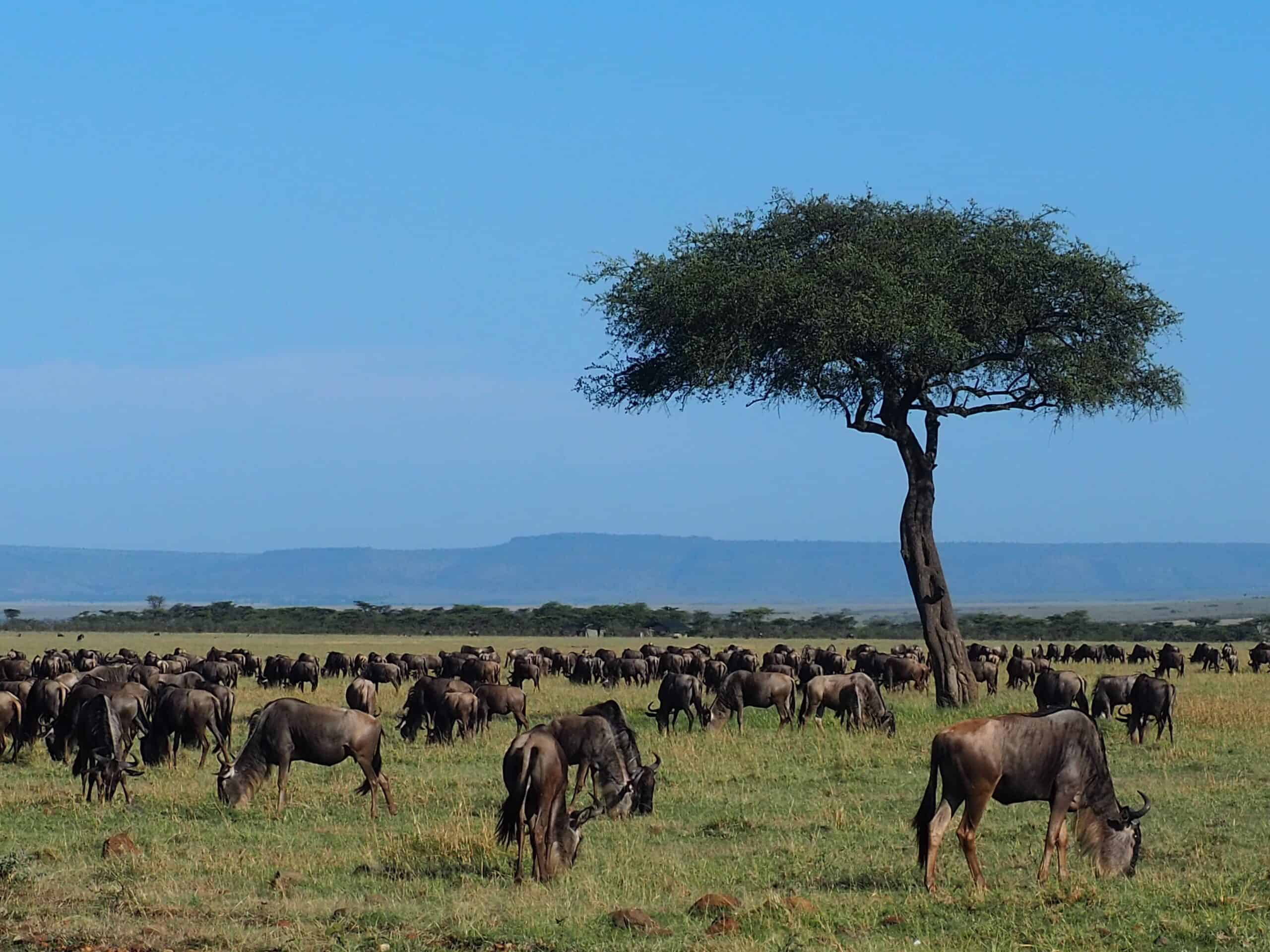
Wildebeest migration is collapsing in Kenya
Fences and other barriers are affecting connectivity for ungulates in the northern Serengeti
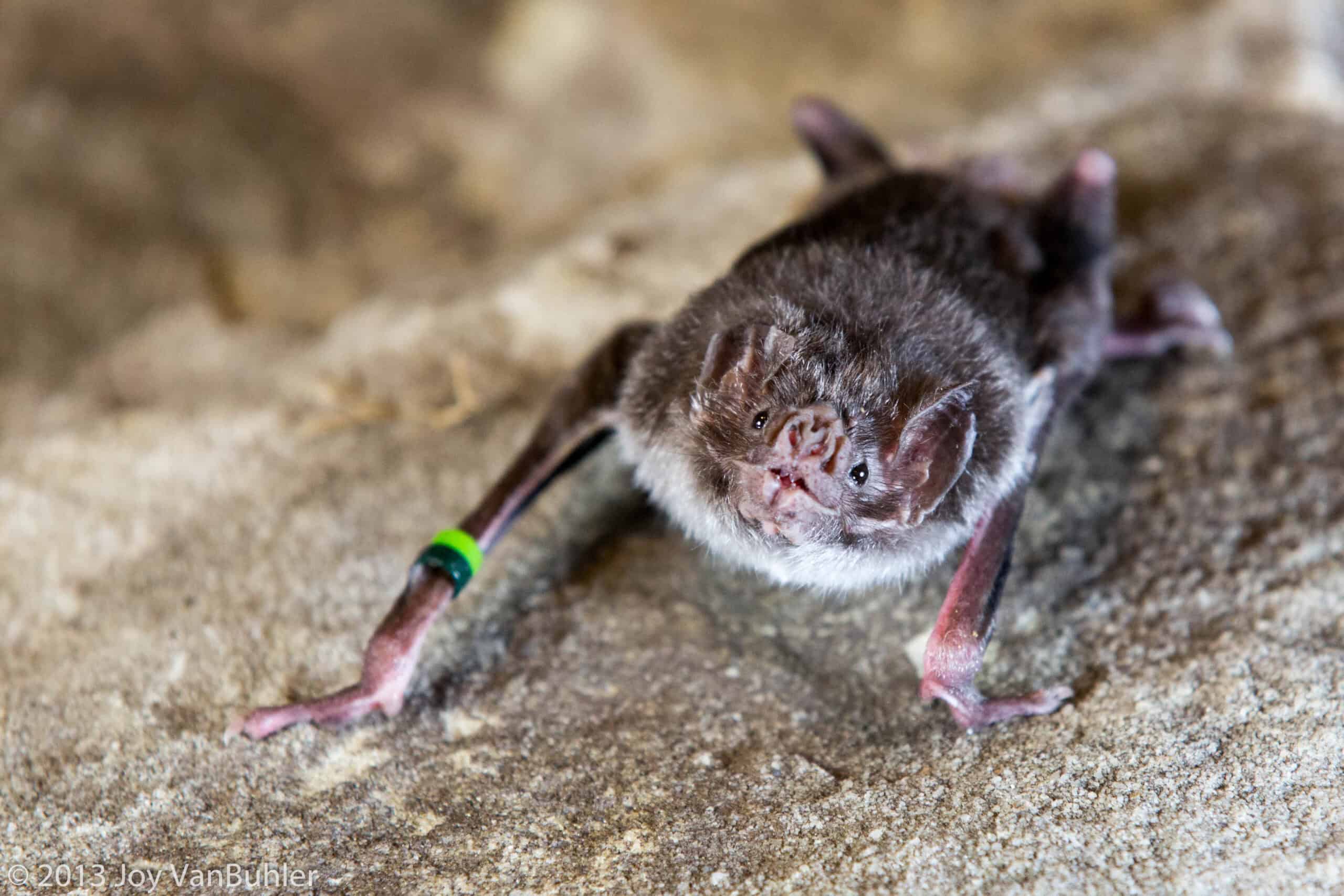
Code switching vampire bats mimic their closest friends
The creatures change their vocalizations based on their friend groups