

Share this article
The top viewed TWS journal articles in 2025
Bird flu, bear management, tools and Indigenous knowledge were on the top of wildlife managers’ minds this year
The impact of a deadly new strain of bird flu, the growing integration of Indigenous knowledge and the use of tools like drones and bear spray in wildlife management are the research topics wildlife readers were most interested to read in 2025.
Metrics have revealed that the top read studies published in The Wildlife Society’s journals vary widely—some of them are still gaining significant tractions several years after publication. At least three of these articles were also featured on the 2024 list of top-read TWS journal studies.
Here are the top 10, most viewed full-text papers from TWS journals read in 2025:
- Highly pathogenic avian influenza is an emerging disease threat to wild birds in North America. The Journal of Wildlife Management, 2022.
- Utility-scale solar impacts to volant wildlife. The Journal of Wildlife Management, 2022.
- Monitoring phenology and behavior of polar bears at den emergence using cameras and satellite telemetry. The Journal of Wildlife Management, 2025.
- Wildlife monitoring with drones: A survey of end users. Wildlife Society Bulletin, 2024.
- Efficacy of bear spray as a deterrent against polar bears. Wildlife Society Bulletin, 2023.
- Energetic cost of human disturbance on the southern sea otter (Enhydra lutris nereis). The Journal of Wildlife Management, 2025.
- Climate change effects on deer and moose in the Midwest. The Journal of Wildlife Management, 2019.
- Conservation easements: A tool for preserving wildlife habitat on private lands. Wildlife Society Bulletin, 2023.
- Bears in North America: Habitats, hunting, and politics. The Journal of Wildlife Management, 2025.
- Evolving wildlife management cultures of governance through Indigenous Knowledges and perspectives. The Journal of Wildlife Management, 2024.
Whether through external media or through our own award-winning communications team, TWS is making sure that the science of wildlife professionals makes it to your peers, the general public and beyond. Thank you to all of the authors and readers of this year’s top 10 list!
Are you publishing your science in a Society-owned journal? For many nonprofit, professional societies like TWS, publications are crucial to the mission and operations of the organization. By publishing in a Society-owned journal you are not only contributing to the advancement of science but also supporting the organizations that help advocate for science, provide resources to professionals, uphold professional ethics, build stronger communities, and recruit the next generation of professionals.

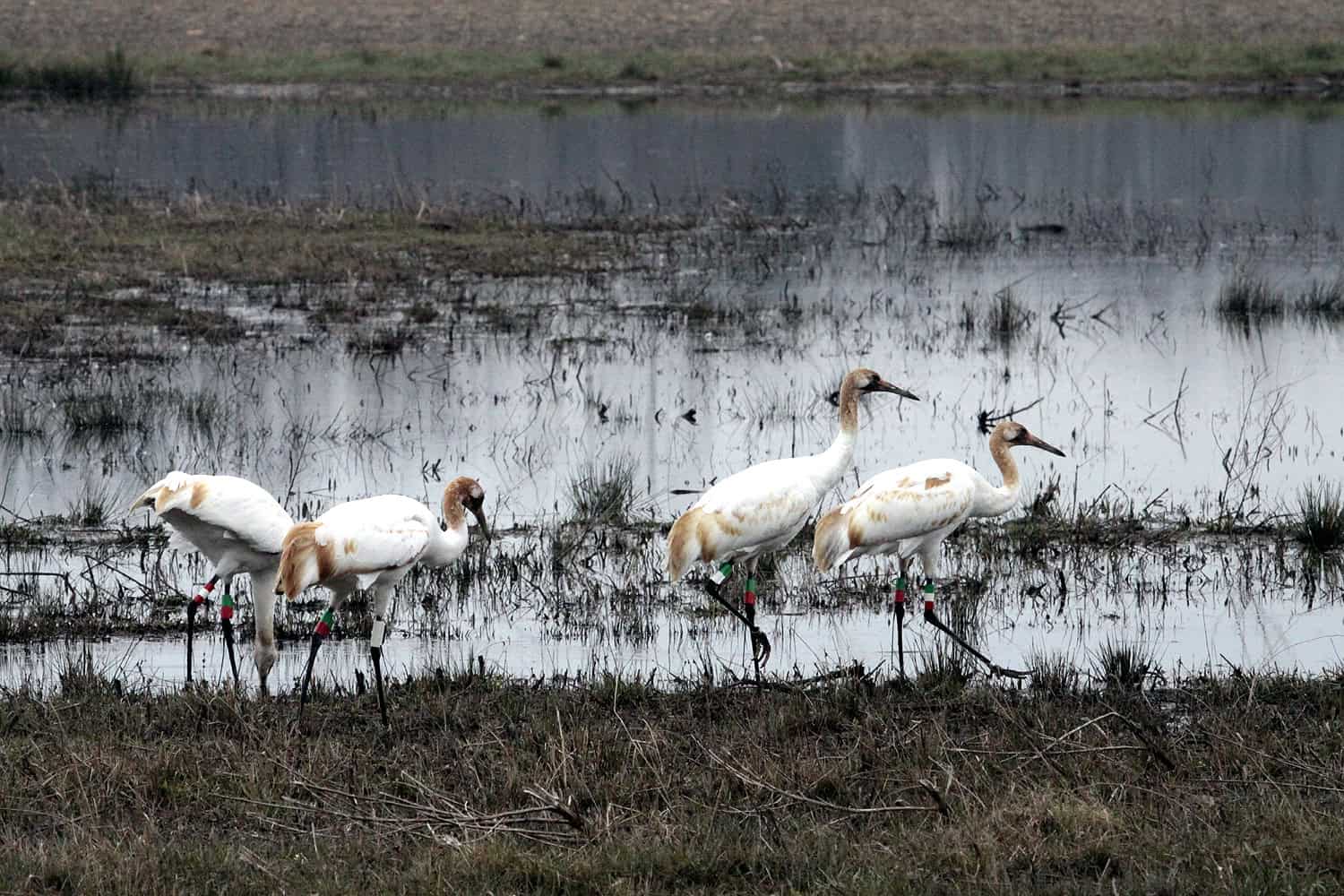
Header Image: Endangered whooping cranes are among the wild species impacted by highly pathogenic avian influenza. Credit: Bill Gates/USFWS
Related Posts
LISTEN: Understanding NEPA
What could the future of NEPA look like?
Loss of long-term ecological research is ‘alarming’
Scientists expect ecological, economic and social ramifications

Maine switches the lights off for conservation
State lawmakers pass a bill to limit public light pollution to benefit wildlife