


Share this article
Wildlife Featured in this article
- Desert cottontail
- Eastern cottontail
- Mountain cottontail
Tentacle bunny virus rebrands jackalopes in viral trend
The internet is buzzing over Colorado’s cottontail rabbits, which carry a century-old virus that has long inspired myths and scientific research
A strange virus causing skin-and-nail-like tumors in cottontails has captured the internet’s imagination, thrusting Colorado’s wildlife into the spotlight over something far from new.
“It’s hard to surprise biologists, but they were a little bit surprised by the attention. Why this?” said Kara Van Hoose, a public information officer with Colorado Parks and Wildlife.
Headlines have been flooding the internet this month describing “zombie rabbits” with tentacles and horns. However, most growths are benign unless growing in sensitive areas like the eyes or mouth. The cause of the lesions that resemble horns is the Shope papilloma virus (SPV), a virus related to the human papillomavirus (HPV) that infects species of rabbits and hares. All three species of cottontail rabbits in Colorado are affected: mountain (Sylvilagus nuttallii), desert (S. audubonii) and eastern (S. floridanus) cottontails. The disease is transmitted by biting insects but is not readily transmissible to humans or pets.
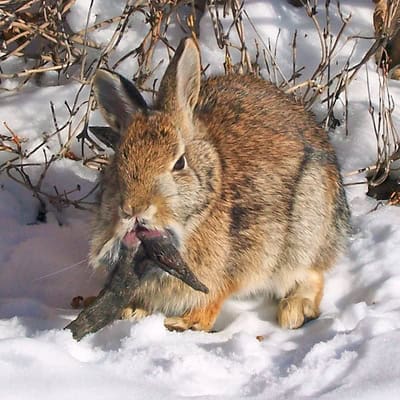
Despite the media frenzy, Van Hoose admits that she has never seen an infected rabbit in the wild, although this newfound attention has her looking more closely, trying to catch a glimpse of a rabbit with horns—along with the rest of the public.
“I think it raises a level of awareness in the community, so then you start getting more calls about it,” Van Hoose said, adding that the agency is recording the instances of the infections that concerned citizens have been calling in and balancing the media attention.
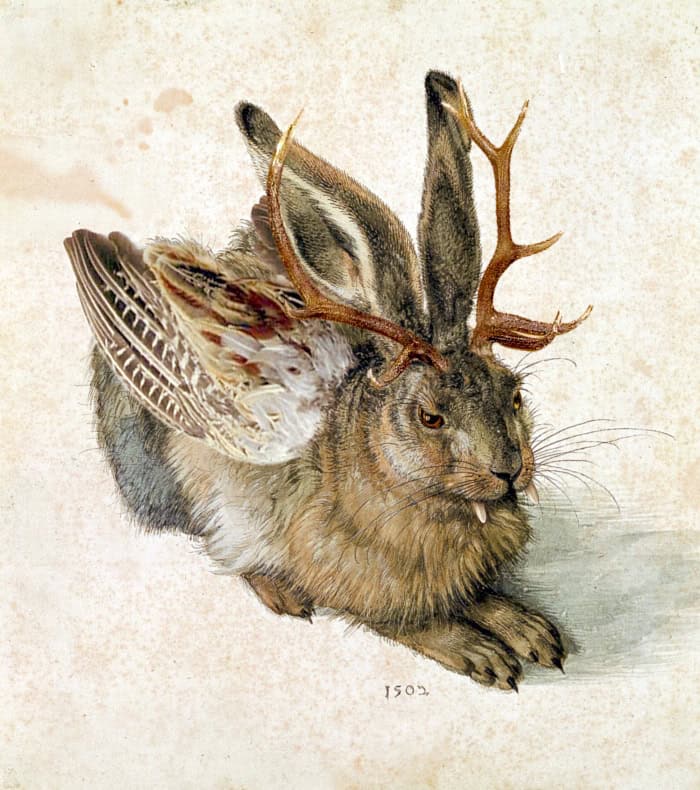
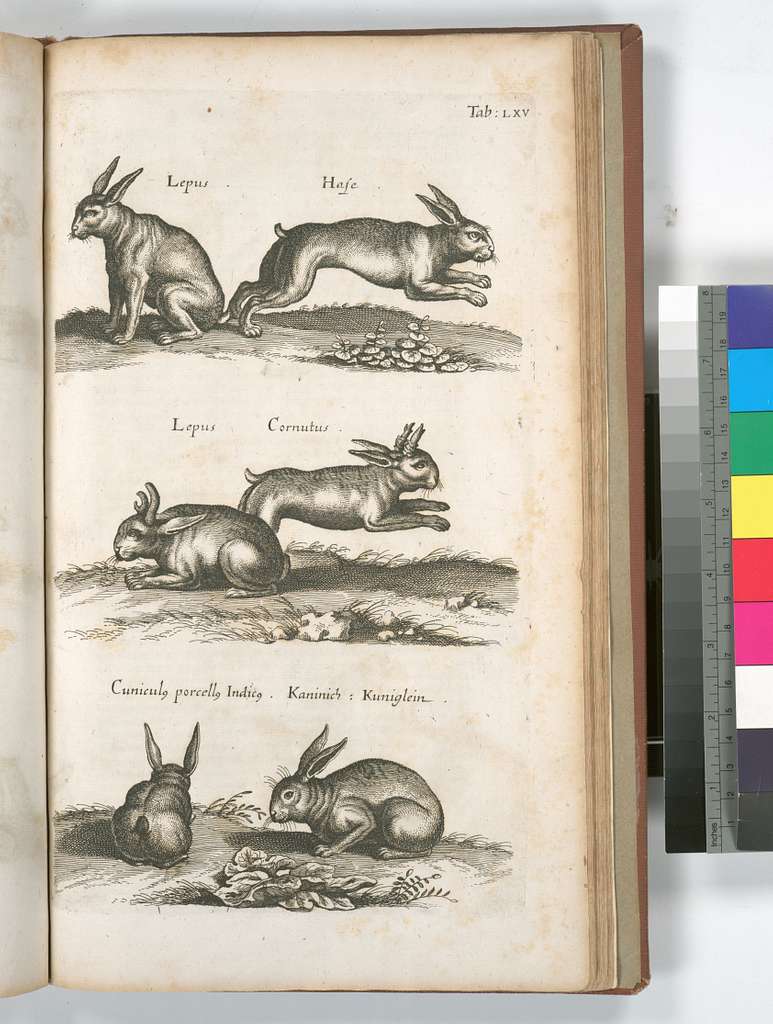
Humans have long been fascinated by unexpected wonders, like the images of strange horned rabbits of the early 1600s. The stories of rabbits infected with Shope virus and horns likely inspired mythical creatures such as the jackalope in North America and the wolpertinger in Germany. Published studies of the virus date to 1933, when scientists discovered it in wild cottontails and described it. Since then, SPV has become a model virus to aid in the development of the HPV vaccine, which can cause smaller warts or lesions in humans but nothing comparable to the SPV’s horns.
“Nature can do cool things and things we wouldn’t expect,” Van Hoose said.

Despite the sensational headlines, the story of Colorado’s horned rabbits is a fascinating reminder of how nature’s mysteries can blur the line between myth and science, inviting us to look closer and appreciate the wonders hidden in the everyday.

Header Image: Depictions of horned rabbits from the early 1600s, reflecting centuries of folklore and curiosity. Credit: Historiae Naturalis De Quadrupetibus Libri, New York Public Library
Related Posts

Backyard birders can help protect neighborhood flocks
New tool can predict salmonella outbreaks
New Look! The Winter 2026 issue of The Wildlife Professional
The winter issue of the magazine features a new design with TWS’ new brand
Oregon elk genetics may shield rare deer subspecies from CWD
Around half of the state’s elk have genes associated with lower susceptibility to chronic wasting disease