




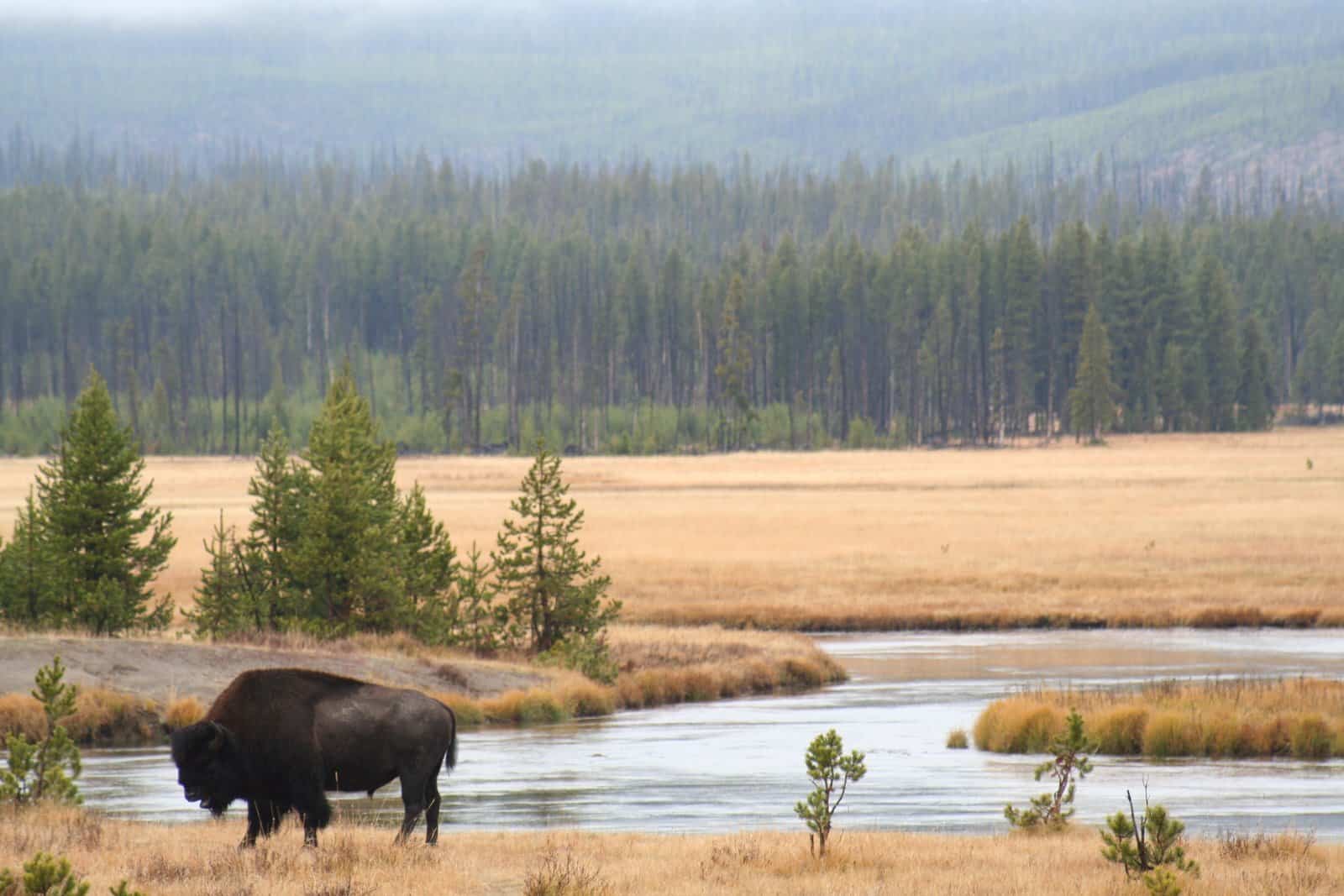
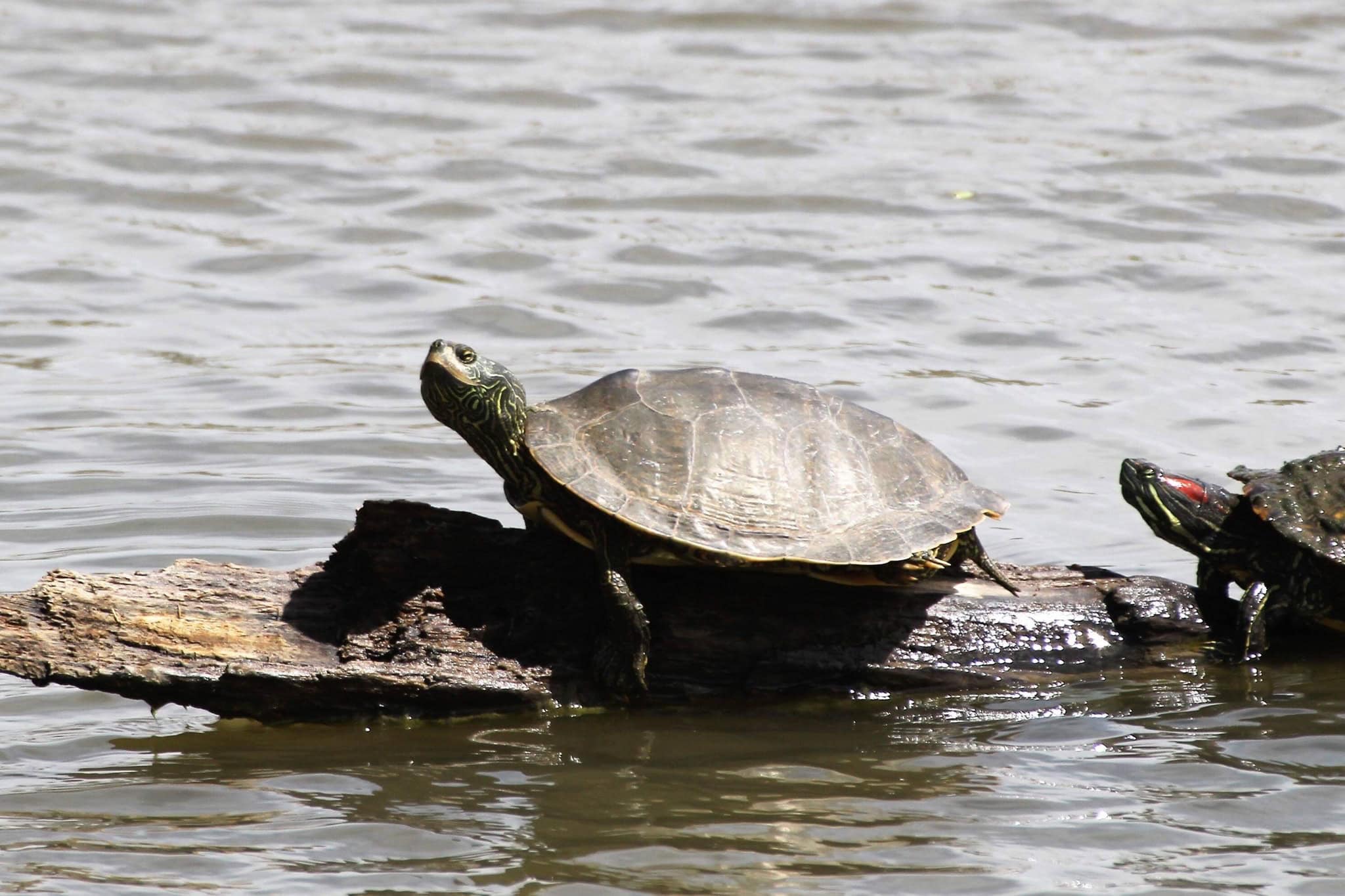
Threatened Kansas species recovering
Kansas Department of Wildlife and Parks is recommending delisting of a turtle, lizard and fish
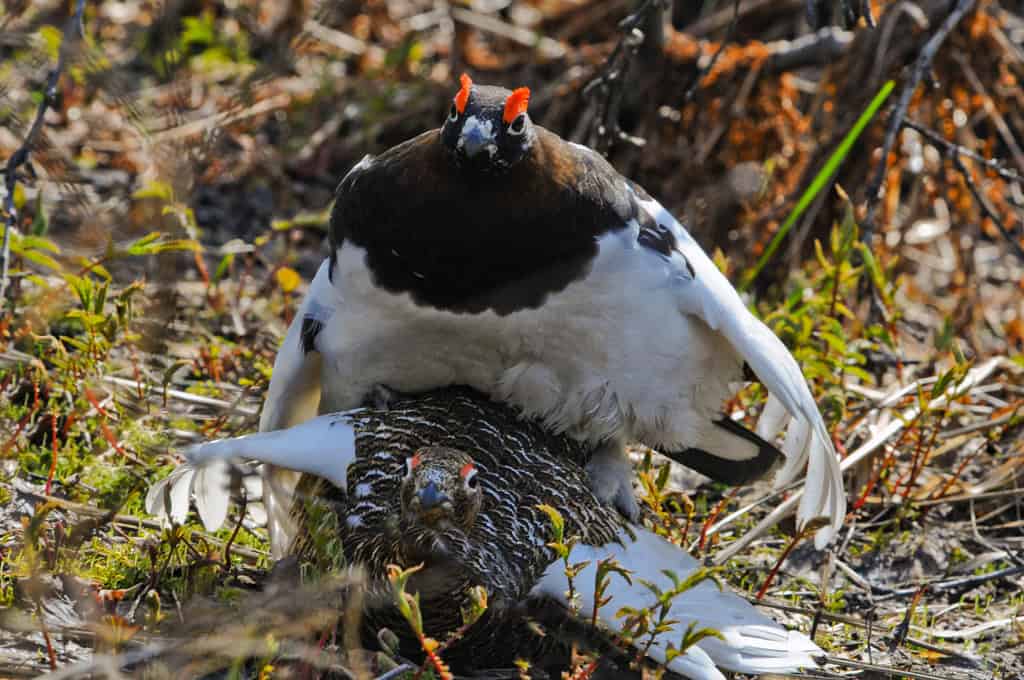
JWM: Trail cameras can lure predators to nests
Researchers’ efforts to observe natural behavior may skew predator-prey dynamics
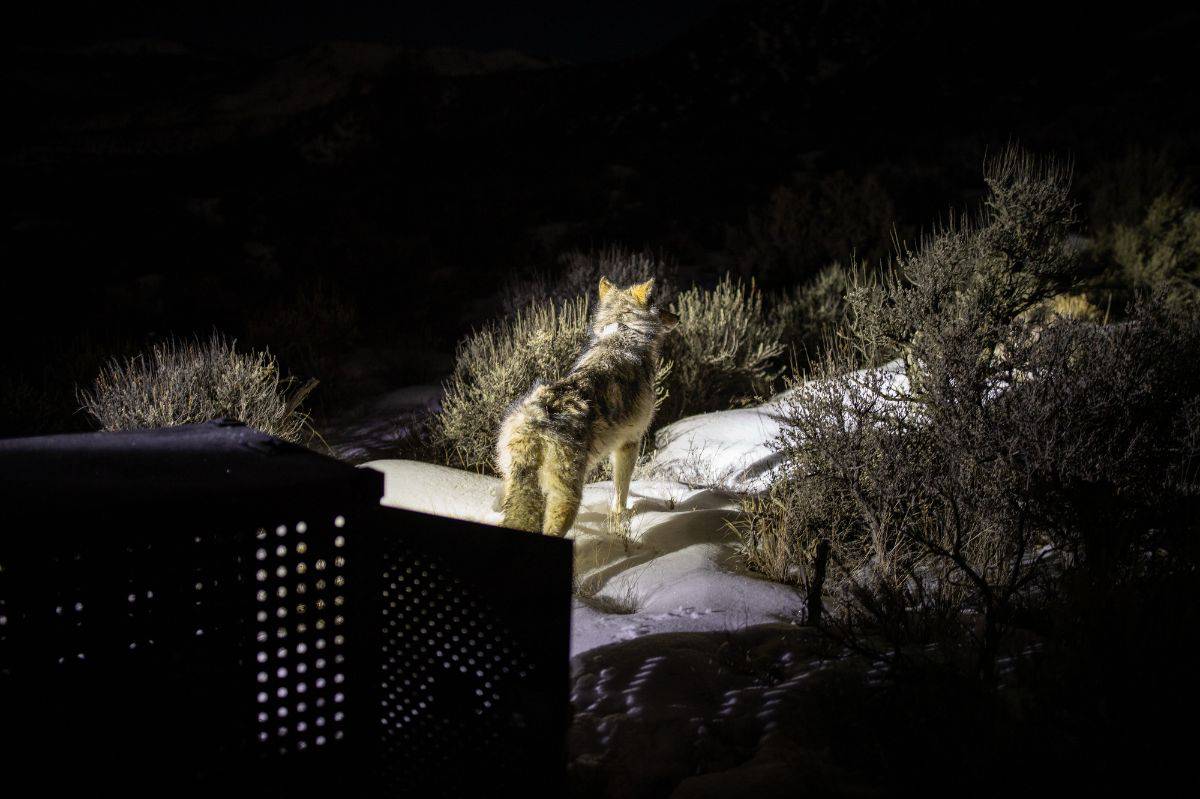
Colorado releases additional 15 wolves
Animals from British Columbia round out the restoration plan’s second season

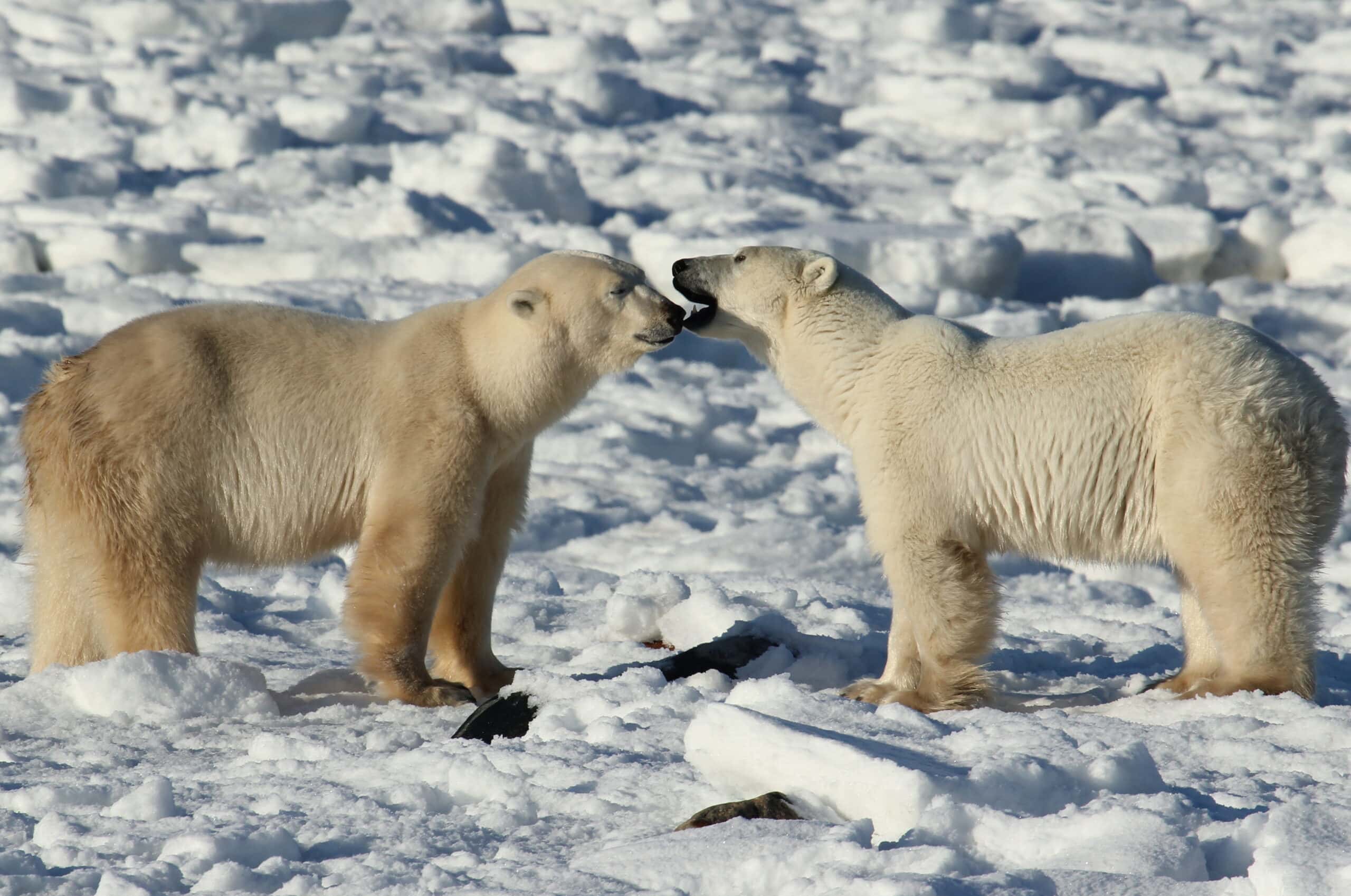
Q&A: A new metric to improve 5-year species status reviews
Nonprofits and the U.S. Fish and Wildlife Service collaborate to build better conservation plans
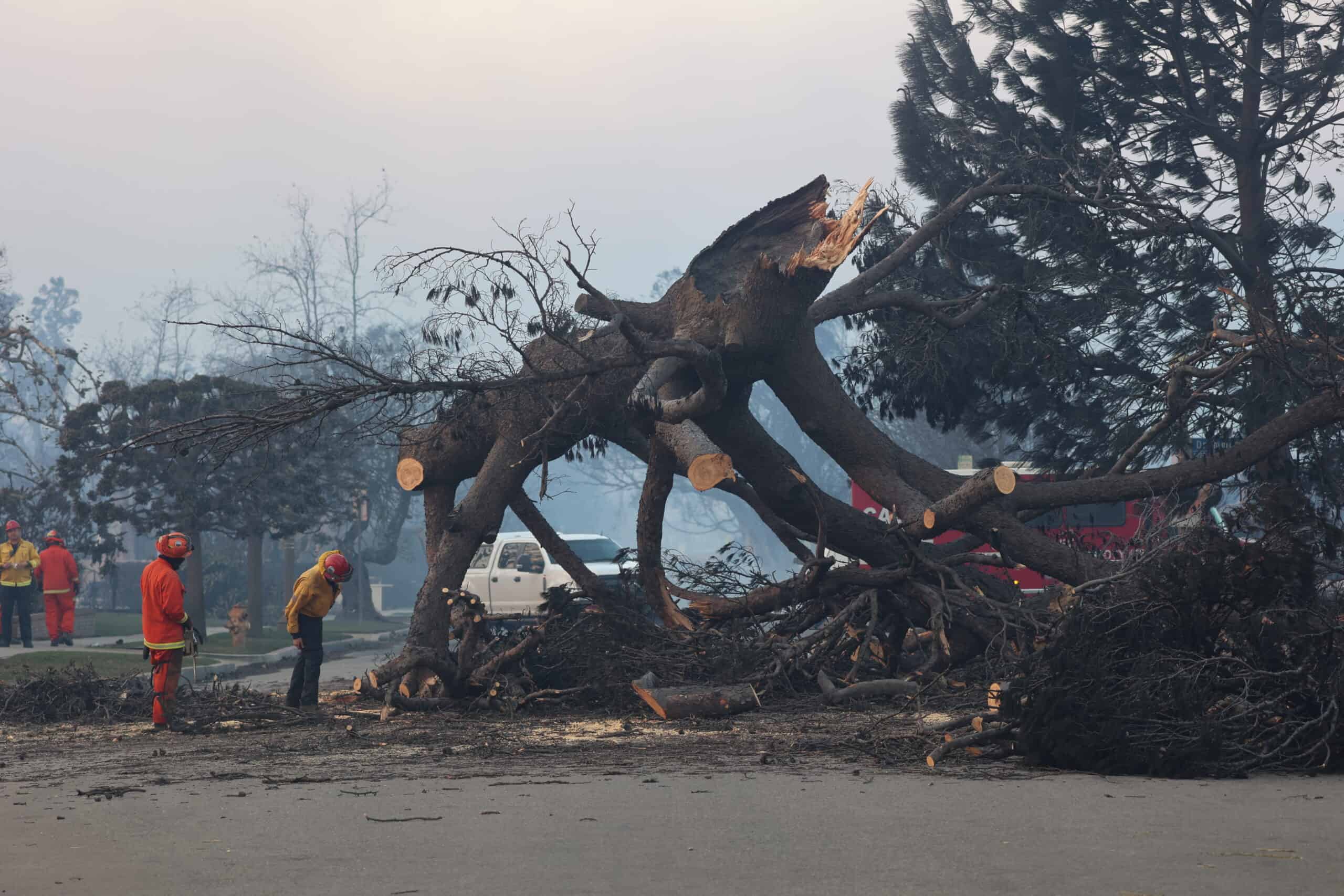
Los Angeles wildfires take toll on local wildlife
Habitat loss from historic fires may have long-term effects on LA’s wildlife
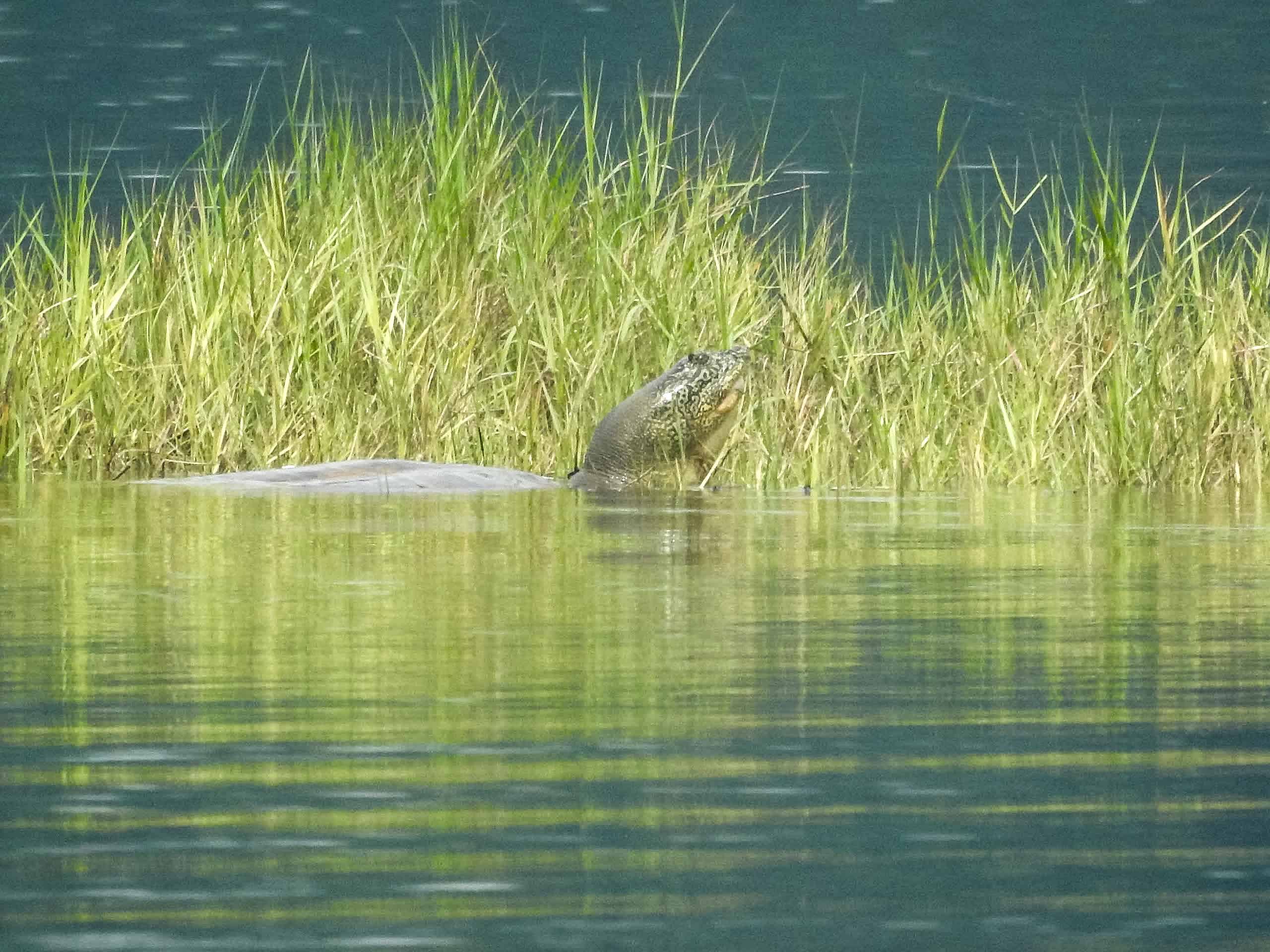
New portable DNA test could help detect rare turtle
Conservationists are searching for more Swinhoe’s softshell turtles—only two are known to exist in the world

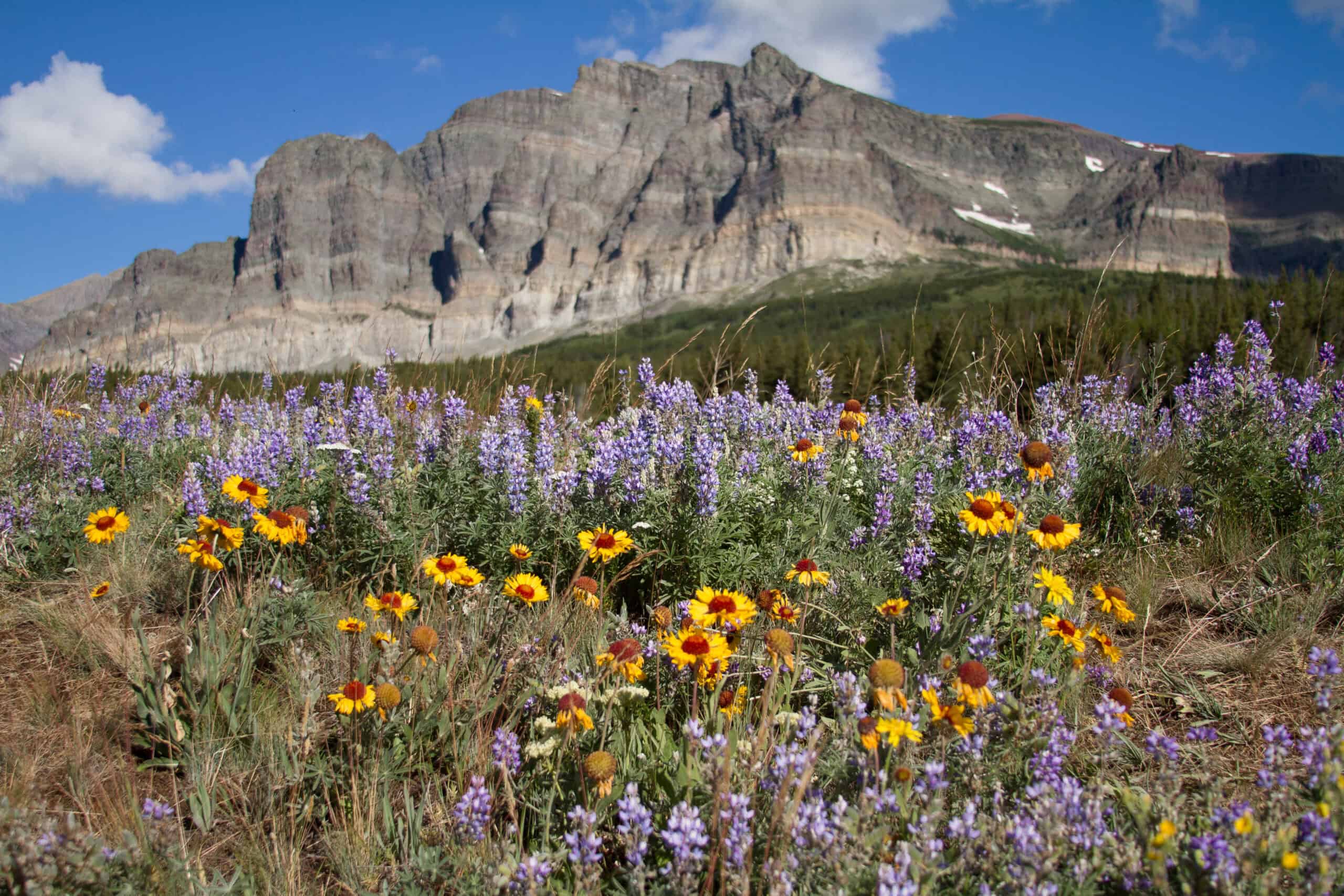
Apply now for TWS’ Leadership Institute Class of 2025
The Wildlife Society is accepting applications for its Leadership Institute class of 2025 through March 14

Wild Cam: Lack of water drives key deer toward domestication
Wildlife managers may need to create artificial water sources to avoid extirpation in some areas
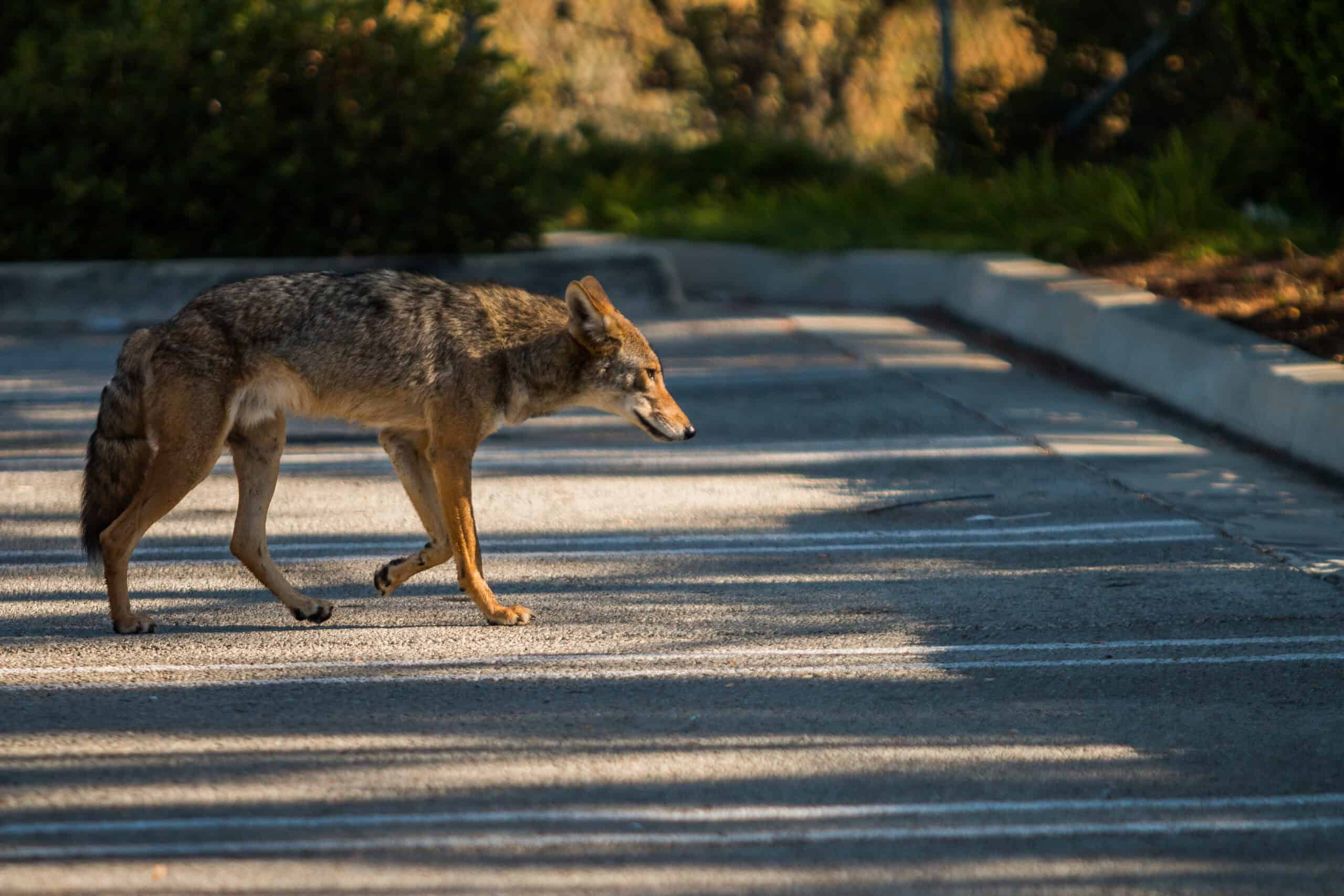
Urban coyotes live longer in highly populated areas
Both high population density and low socioeconomic status in neighborhoods are linked to longer lifespans in Chicago coyotes