


TWS announces 2025 Distinguished Service Award winners
Elmer Finck, Howard Clark Jr. and Scott Williams have been selected for their work in wildlife

Zoos have too many endangered male animals
Skewed sex ratio could impact conservation

TWS joins UN Decade on Ecosystem Restoration
TWS members working on collaborative, science-driven solutions to restore ecosystems

Scientists pinpoint the cause of mysterious sea star disease
The bacterial culprit that melts sea stars in massive marine die-offs is finally identified

TWS Chapter of the Year goes to Alberta
Alberta Chapter recognized for its work in opening the door for diverse wildlifers

Court backs threatened status for beetle species
In an appeals court decision, the judge supports the downlisting of once endangered carrion beetle

Elisabeth Teige wins Rusch Memorial Game Bird Scholarship
Teige focuses her graduate research on the lesser prairie-chicken

Can biodiversity loss drive climate change?
Seed-dispersing animals are a critical part of a tropical forest's ability to capture carbon
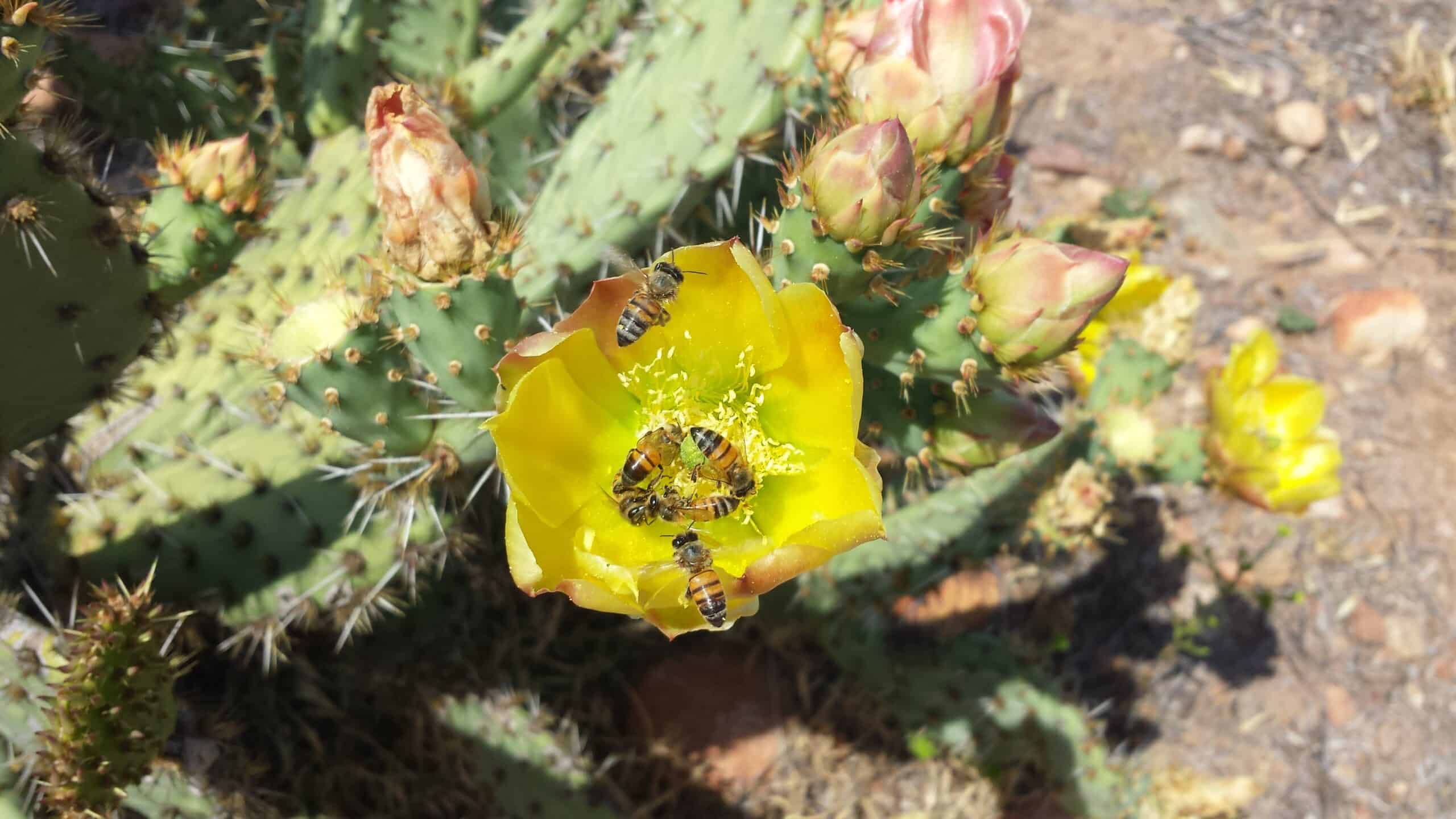
Hungry honey bees out-hustle native pollinators
In one of the world’s hot spots of bee biodiversity, scientists are overwhelmingly finding one introduced species