

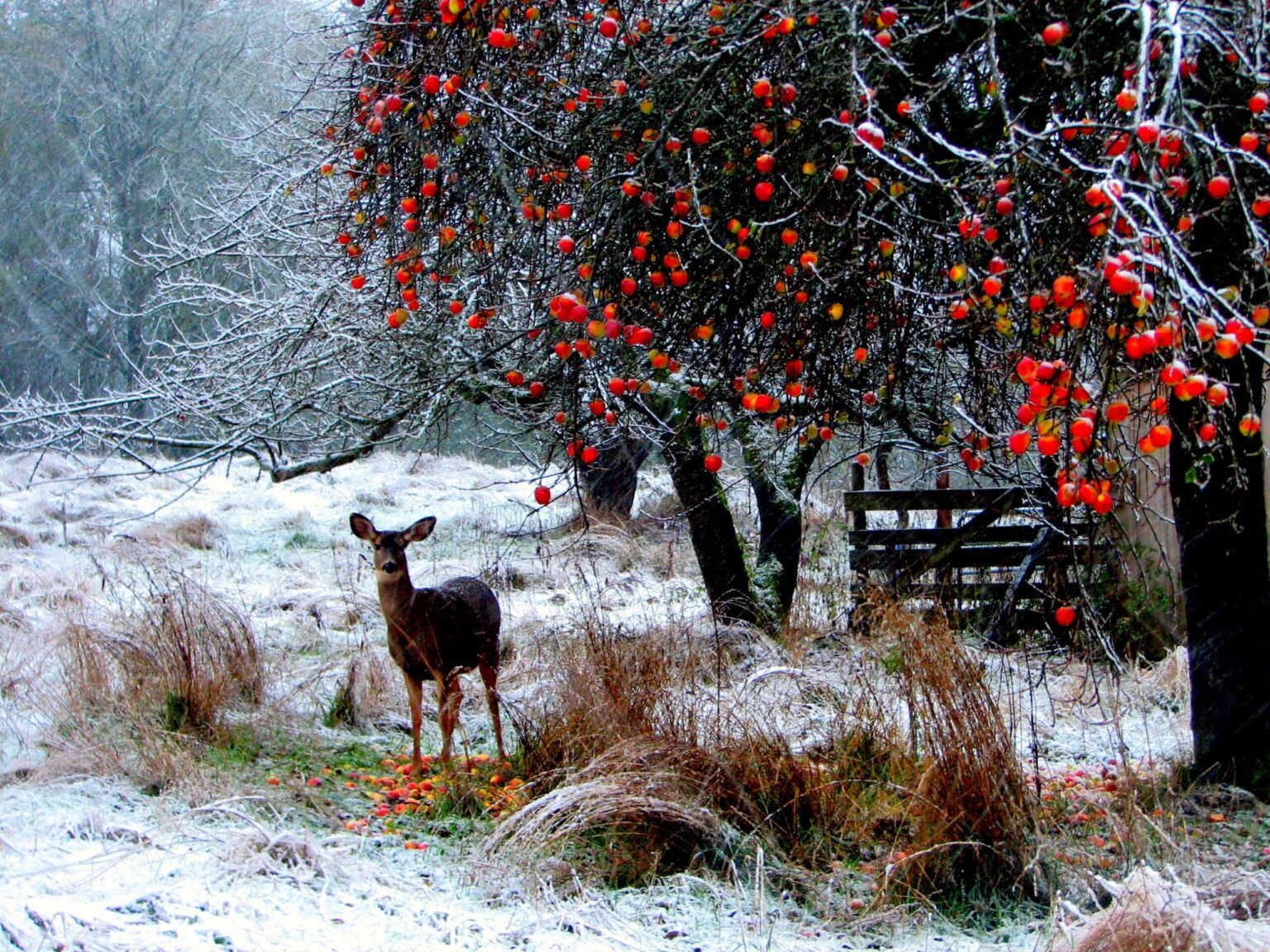
Wildlife collisions have increased by 50%, according to the latest report issued by the U.S. Department of Transportation Federal Highway Administration, and many more go uncounted. These accidents injure tens of thousands of people and cost more than $10 billion each year, all while killing up to 2 million large animals including white-tailed deer (Odocoileus virginianus) and endangered species from the Hawaiian goose (Branta sandvicensis) to the San Joaquin kit fox (Vulpes macrotis mutica).
Wildlife crossings—overpasses, underpasses, and associated fencing—have the potential to cut collisions by as much as 97% along movement corridors. Despite their effectiveness, federal funding hasn’t kept up with demand. The Wildlife Crossings Pilot Program, created under the 2021 Infrastructure Investment and Jobs Act, found that the need far exceeded available cash, leaving many proposals unfunded.
That funding gap is the focus of a bill recently introduced in Congress. Reps. Don Beyer (D-VA) and Ryan Zinke (R-MT) have authored the Wildlife Road Crossings Program Reauthorization Act. This proposed bipartisan legislation would renew the Wildlife Crossings Pilot Program as a long-term initiative while extending its funding through 2031. If passed, the bill could reshape how the nation addresses wildlife-vehicle collisions and habitat connectivity by providing consistent, reliable funding.
Funding cuts put wildlife and lives at risk
Approximately 70% of Montana drivers have been in a wildlife collision. Montana has the second highest risk of wildlife collisions in the nation. “For many, it’s not a question of if they will get into a collision with wildlife on U.S. 93; it’s a question of when,” said TWS member Renee Callahan, executive director of Animal Road Crossing (ARC) Solutions, a company involved in wildlife crossing design and implementation.
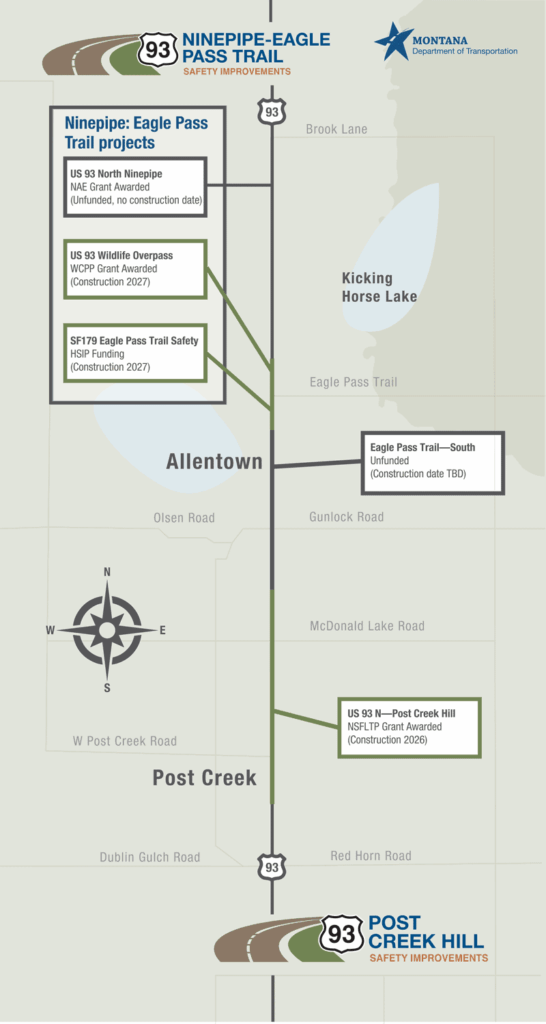
The Confederated Salish and Kootenai Tribes in collaboration with the Montana Department of Transportation scheduled construction on two significant wildlife crossing projects in the state—the Post Creek Hill and the Ninepipe Eagle Pass Trail on U.S. Route 93— in 2026 and 2027, respectively. But both have been abruptly scaled back due to funding cuts.
The Confederated Salish and Kootenai Tribes secured over $80 million in federal grants for wildlife overpasses along Route 93 in the Ninepipe area, including a $74.9 million grant that would have covered more than 80% of the project. That grant was rescinded when the “Big Beautiful Bill” passed. Two other Infrastructure Investment and Jobs Act grants for the project remain intact: a $30.5-million Nationally Significant Federal Lands and Tribal Projects award and an $8.6-million Wildlife Crossings Pilot Program award. However, the Montana Department of Transportation said construction costs have exceeded available funding. The agency has been forced to scale back their vision for the highway, reducing the Post Creek Hill project and limiting the Ninepipe Eagle Pass Trail project to the Eagle Pass Trail and Route 93 Wildlife Overpass portions of the planned work.
“Many of these projects are planned years, sometimes decades, in advance and require hundreds of hours to coordinate and plan,” Callahan said. “Canceling a year before the project begins doesn’t just mean the project doesn’t get done. It means all that time is wasted.”
It’s the kind of setback that underscores why long-term, reliable investment is critical and why supporters say the new Wildlife Road Crossings Program Reauthorization Act can’t come soon enough.
A potential bipartisan solution
The Wildlife Road Crossings Program Reauthorization Act of 2025 would continue and expand the program established under the Infrastructure Investment and Jobs Act, removing its “pilot” status and formalizing a federal commitment to reducing wildlife-vehicle collisions and restoring habitat connectivity. Eligible projects would include crossing structures that go over or under highways, associated fencing to guide animals to safe passage points, and other tools and strategies that help transportation agencies identify and integrate wildlife considerations early in the planning process.
“This bill locks in the progress we started, keeps the funding flowing to the states and Tribes that need it most, and ensures Montana families don’t have to risk their lives or lose the wildlife we all cherish driving to work or school,” said Zinke.
If enacted, the bill would provide $200 million annually from Fiscal Year 2026–2031—$1 billion total—for wildlife crossing projects nationwide. It includes a full federal cost share for Tribal projects, eliminating non-federal match requirements and setting aside dedicated technical assistance funding to help Tribes access the program.
The bill would also authorize a minimum 0.5% of program funds for the Federal Highway Administration to modernize wildlife collision data and strengthen standards for wildlife passage at bridges, culverts and other roadway structures. Better monitoring would address an essential step toward addressing a longstanding challenge: inconsistent, imprecise and under-reported national data on wildlife-vehicle collisions that makes it difficult to pinpoint where mitigation is most needed.
“Our bill would invest in these solutions by reauthorizing the Wildlife Crossings Program and allowing it to continue funding wildlife-friendly transportation infrastructure that saves lives, lowers costs, and improves road safety for drivers and wildlife alike,” said Beyer.
If passed, the bill could help fund projects in states with some of the highest wildlife-vehicle collision rates, such as Montana and West Virginia, helping ensure that projects aimed at protecting both motorists and wildlife can move forward without disruption.
“Wildlife crossings save lives and are good for healthy herds,” Zinke said. TWS CEO Ed Arnett, who worked on the getting the original pilot project into legislation, agrees. “This is a no-brainer and clear win-win for people and wildlife. The Wildlife Society commends Representatives Zinke and Beyer for their leadership on this issue and support for the wildlife crossings program.”
Article by Kaylyn Zipp